Mayor of Brendola in Vicenza says he has received complaints from residents who live near industrial zones
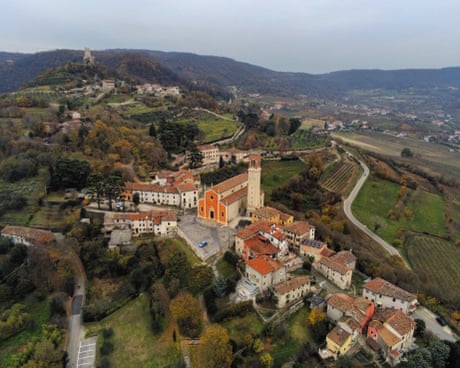
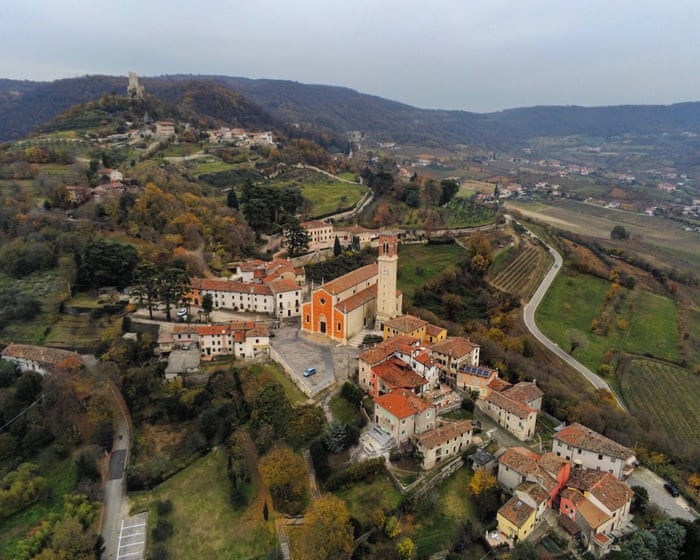
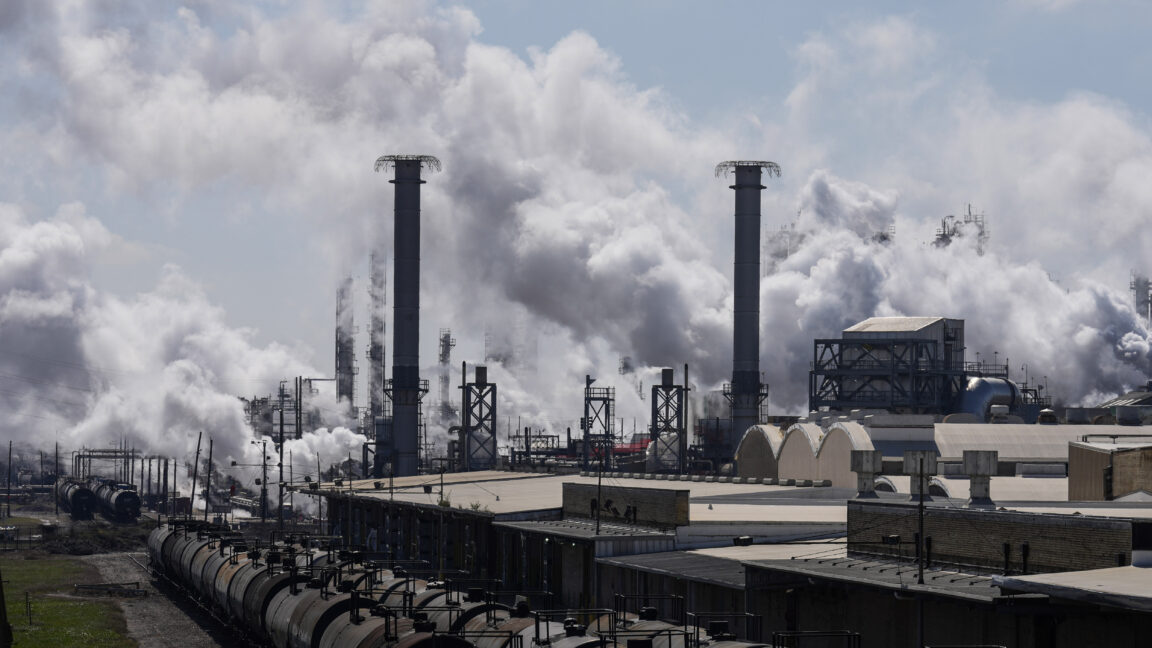
An Italian town is seeking a crew of sniffers to identify bad smells in its quest to improve air quality.
Bruno Beltrame, the mayor of Brendola, a small town in the northern province of Vicenza, said he began the recruitment campaign for six “odour evaluators” after complaints about “unpleasant smells” from people living in neighbourhoods close to industrial zones.
Exclusive: High levels of banned ‘forever chemical’ have been detected in rivers and groundwater at 25 sites
A string of toxic pollution hotspots has been uncovered across Cumbria and Lancashire, with high levels of the banned cancer-causing “forever chemical” Pfos detected in rivers and groundwater at 25 sites.
The contamination, spread across a large area, was uncovered by Watershed Investigations and the Guardian after a freedom of information request revealed high concentrations of Pfos in Environment Agency samples taken in January 2025.
The Environmental Protection Agency rejected the bedrock scientific finding that greenhouse gases threaten human life and well being. It means the agency can no longer regulate them.
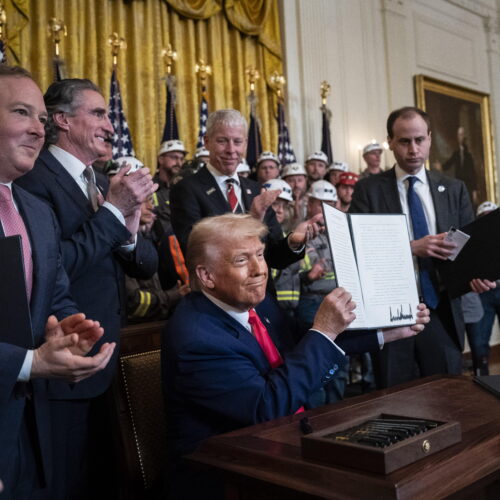
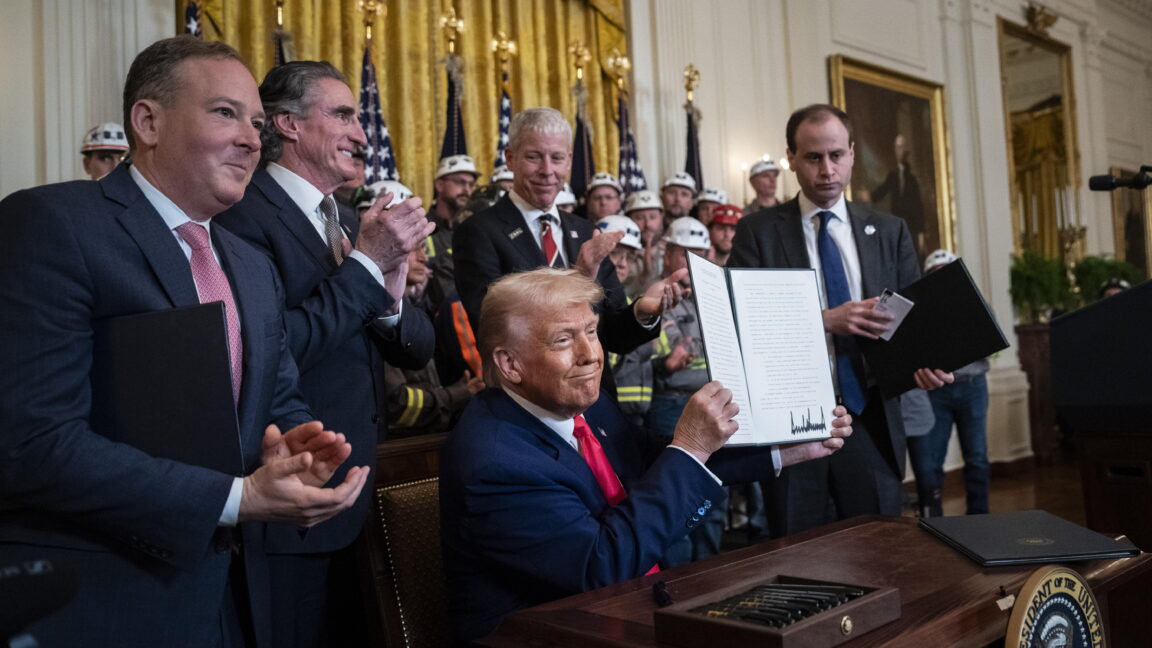
On Wednesday, a fossil-fuel lobbying group called the Washington Coal Club awarded President Trump a trophy that named him the "Undisputed Champion of Clean, Beautiful Coal." Trump took advantage of the opportunity to take his latest shot at reviving the fortunes of the US's most polluting source of electricity: an executive order that would make the military buy it.
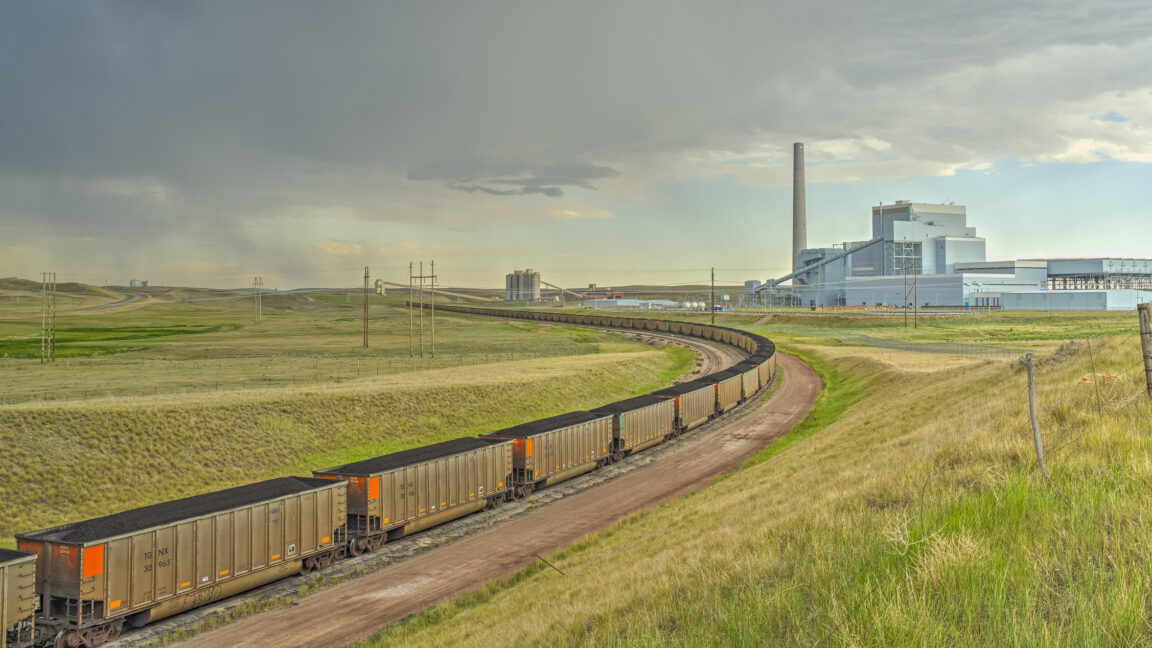
Coal is the second most expensive source of power for the US grid, eclipsed by gas, wind, solar, hydro—everything other than nuclear power. It also produces the most pollution, including particulates that damage human lungs, chemicals that contribute to acid rain, and coal ash that contains many toxic metals. It also emits the most carbon dioxide per unit of energy produced. Prior to Trump's return to office, the US grid had been rapidly moving away from its use, including during his first term.
Despite the long-standing Republican claims to support free markets, the second Trump administration has determined that the only way to keep coal viable is direct government intervention. Its initial attempts involved declaring an energy emergency and then using that to justify forcing coal plants slated for closure to continue operations. The emergency declaration relied on what appears to be a tenuous interpretation of the Federal Power Act, and the administration was already facing a lawsuit challenging these actions.
Mr. Trump is trying to revive coal, the dirtiest fossil fuel. At the White House, coal executives awarded him a trophy as the “Undisputed Champion of Beautiful Clean Coal.”
Following three of the warmest years on record, as scientists reckon with climate tipping points and states and cities grapple with the escalating cost of extreme weather and more intense wildfires, the Trump administration this week is expected to formally eliminate the US government’s role in controlling greenhouse gas pollution.
By revoking its 17-year-old scientific finding that greenhouse gases endanger public health and welfare, the Environmental Protection Agency will demolish the legal underpinning of its authority to act on climate change under the Clean Air Act.
The agency is racing to repeal a scientific finding that requires it to fight global warming. Experts say the goal is to get the matter before the justices while President Trump is still in office.
Enforcement against polluters in the United States plunged in the first year of President Donald Trump’s second term, a far bigger drop than in the same period of his first term, according to a new report from a watchdog group.
By analyzing a range of federal court and administrative data, the nonprofit Environmental Integrity Project found that civil lawsuits filed by the US Department of Justice in cases referred by the Environmental Protection Agency dropped to just 16 in the first 12 months after Trump’s inauguration on Jan. 20, 2025. That is 76 percent less than in the first year of the Biden administration.
Trump’s first administration filed 86 such cases in its first year, which was in turn a drop from the Obama administration’s 127 four years earlier.
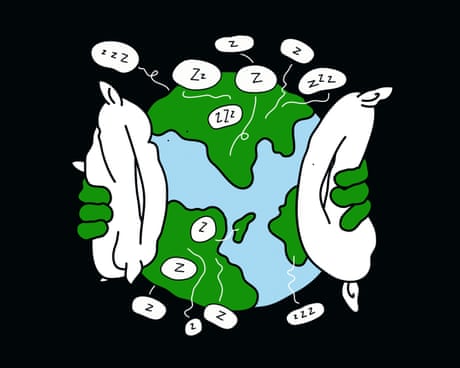
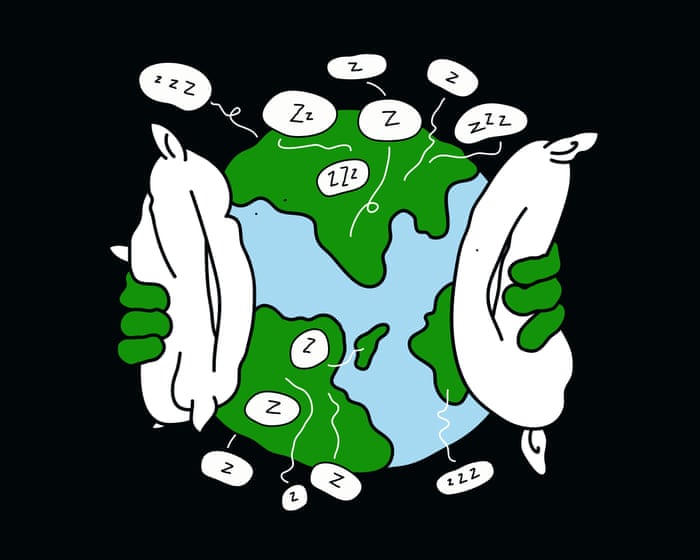
Experts say dangerous sleep apnoea affects an estimated 8 million in the UK alone, and everything from evolution to obesity or even the climate crisis could be to blame
When Matt Hillier was in his 20s, he went camping with a friend who was a nurse. In the morning she told him she had been shocked by the snoring coming from his tent. “She basically said, ‘For a 25-year-old non-smoker who’s quite skinny, you snore pretty loudly,’” says Hiller, now 32.
Perhaps because of the pervasive image of a “typical” sleep apnoea patient – older, and overweight – Hillier didn’t seek help. It wasn’t until he was 30 that he finally went to a doctor after waking up from a particularly big night of snoring with a racing heartbeat. Despite being young, active and a healthy weight, further investigation – including a night recording his snoring – revealed that he had moderate sleep apnoea. His was classed as supine, the most common form of the condition, meaning it happens when he sleeps on his back, and is likely caused by his throat muscles.
In the spring of 2020, as the COVID-19 pandemic brought global industry and travel nearly to a halt, satellite sensors recorded a dramatic plunge in nitrogen dioxide, a byproduct of internal combustion engines and heavy industry. For a moment, the world’s air was cleaner than it had been in decades.
But then something strange started happening: methane, the second most important anthropogenic greenhouse gas after carbon dioxide, was surging. Its growth rate hit 16.2 parts per billion that year, the highest since systematic records began in the early 1980s. A new study published in the journal Science looked at the complex chemistry of the troposphere (the lowest region of the atmosphere) and found that the two changes are likely connected.
An atmospheric cleaner
Since the late 1960s, we knew that atmospheric methane doesn’t just vanish. It is actively scrubbed from the sky by the hydroxyl radical, a highly reactive molecule that breaks down methane, turning it into water vapor and carbon dioxide. “The problem is that the lifetime of the hydroxyl radical is very short—its lifespan is less than a second" says Shushi Peng, a professor at Peking University, China, and a co-author of the study. To do its job as an atmospheric methane clearing agent, a hydroxyl radical must be constantly replenished through a series of chemical reactions triggered by sunlight. The key ingredients in these reactions are nitrogen oxides, the very pollutants that were drastically reduced when cars stayed in garages and factories went dark in 2020.
An ancient skyscraper considered the seventh wonder of the world crumbled to ruin centuries ago. Now an ambitious archaeological project aims to reassemble it in 3-D.
The American claim on Venezuela’s oil means even more of it could come to a huge Chevron refinery in Mississippi. Neighbors worried about pollution want the company to move them out.
The judge ruled that Energy Secretary Chris Wright violated the law when he handpicked researchers to work in secret to produce a government report on global warming.
Los Angeles smog in 1979. For decades, government agencies have used a theoretical value of human life when calculating the costs and benefits of new regulations.
The president’s embrace of fossil fuels and withdrawal from the global fight against climate change will make it hard to keep warming at safe levels, scientists said.
America’s greenhouse gas emissions from the burning of coal, oil and gas, which had finally started to decline, rose 1.9 percent after Mr. Trump returned to office.
The Trump administration said Wednesday that the United States was withdrawing from 66 international agreements, including a major climate change treaty.
The United Nations Framework Convention on Climate Change, or UNFCCC, is the treaty that sets a legal framework for international negotiations to address climate change.

 Login
Login