Reading view

Japan seizes Chinese fishing boat inside its economic waters amid rift with Beijing

Japan’s fisheries agency said the vessel failed to comply with an order to stop. The incident comes weeks after a row between China and Japan over Taiwan

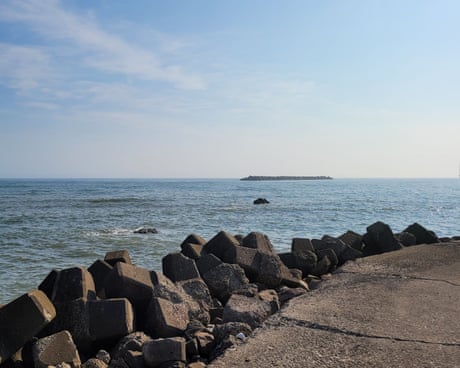
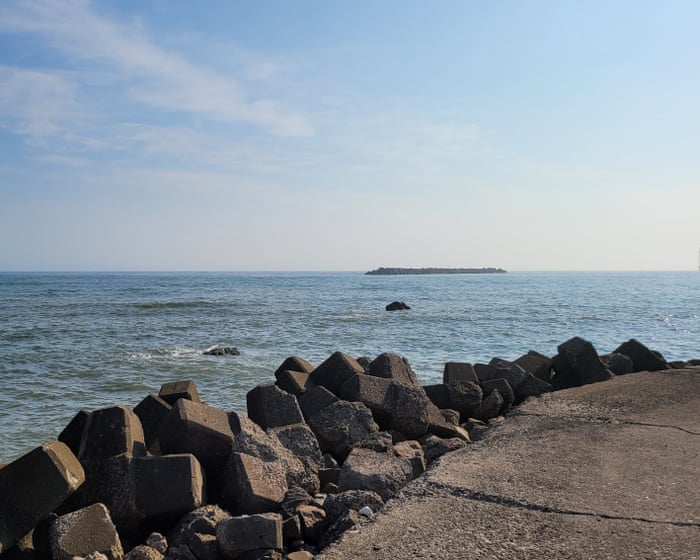
Authorities in Japan have seized a Chinese fishing boat and arrested its captain in a move that is likely to inflame an ongoing diplomatic row between Tokyo and Beijing.

The seizure, which occurred on Thursday about 170km from the south-western port city of Nagasaki, came after the skipper refused an order to stop for an onboard inspection, according to media reports.

Continue reading...

© Photograph: Aspere/Wiki Commons
© Photograph: Aspere/Wiki Commons
© Photograph: Aspere/Wiki Commons
  •  

‘People ought to know’: Blue Boy Trial brings Japan’s trans history up to date

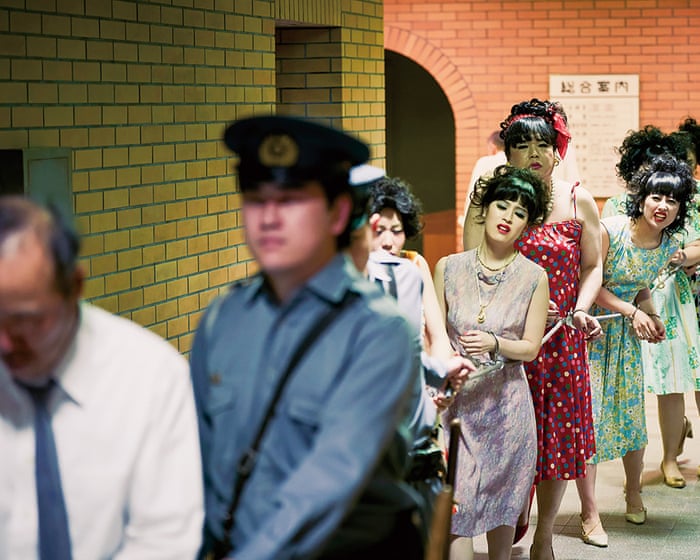
Kasho Iizuka’s feature casts trans actors to revisit a notorious 1965 trial that made gender reassignment illegal for more than 30 years. He explains why the history remains unfinished

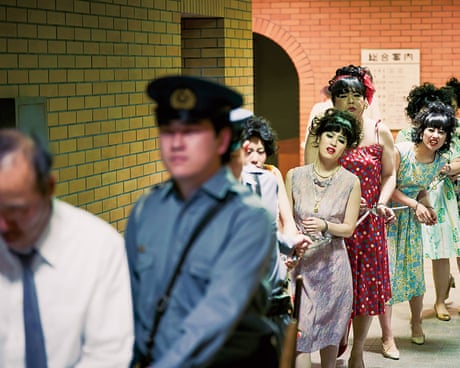
The so-called “Blue Boy trial” in 1965 was a landmark moment for trans visibility in Japan. Now it has become a landmark film, directed by Kasho Iizuka, a transgender man and one of very few queer film-makers working in the commercial Japanese film industry.

The original legal case concerned a doctor who was prosecuted for performing gender reassignment surgery on transgender women, amid law enforcement frustrations that female-presenting transgender sex workers could not be prosecuted for their profession due to their being legally male. The doctor was found guilty of violating Japan’s eugenics laws, which prohibited surgeries resulting in sterilisation if they were deemed inessential. “Blue Boy”was a slang term for transgender individuals assigned male at birth, and the verdict effectively outlawed gender reassignment surgery in Japan until 1998. Despite this, the case raised the domestic profile of transgender people.

Continue reading...

© Photograph: © 2025 “Blue Boy Trial” Film Partners

© Photograph: © 2025 “Blue Boy Trial” Film Partners

© Photograph: © 2025 “Blue Boy Trial” Film Partners

  •  

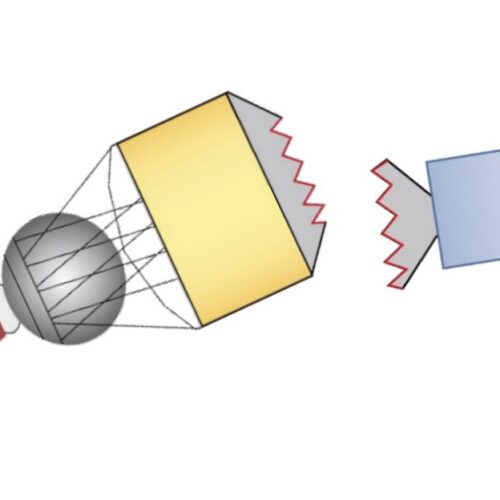
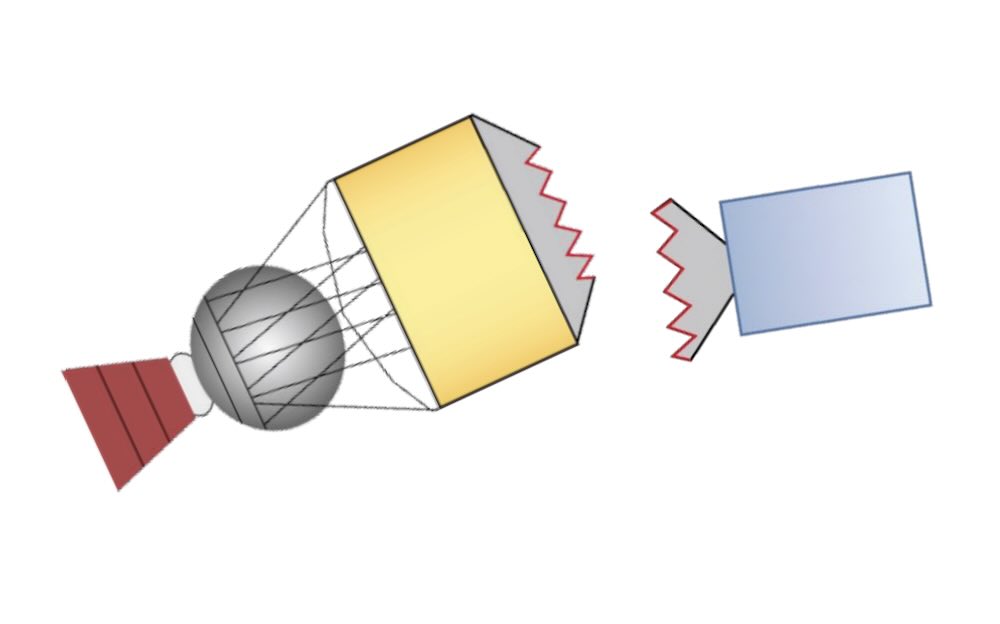
Japan lost a 5-ton navigation satellite when it fell off a rocket during launch

If you're in the space business long enough, you learn there are numerous ways a rocket can fail. I've written my share of stories about misbehaving rockets and the extensive investigations that usuallybut not alwaysreveal what went wrong.

But I never expected to write this story. Maybe this was a failure of my own imagination. I'm used to writing about engine malfunctions, staging issues, guidance glitches, or structural failures. Last April, Ars reported on the bizarre failure of Firefly Aerospace's commercial Alpha rocket.

Japan's H3 rocket found a new way to fail last month, apparently eluding the imaginations of its own designers and engineers.

Read full article

Comments

© JAXA

  •  

Japan Adopts New Cybersecurity Strategy to Counter Rising Cyber Threats

Japan cybersecurity strategy

The Japanese government has formally adopted a new cybersecurity strategy that will guide national policy over the next five years. The decision was approved at a cabinet meeting on Tuesday and aims at strengthening Japanese cybersecurity coordination across civilian, law enforcement, and defense institutions.  Under the new cybersecurity strategy, Japan will establish a framework that enables closer cooperation between the police, the Defense Ministry, and the Self-Defense Forces when responding to serious cyber incidents. The goal is to ensure faster detection, analysis, and neutralization of attacks that could affect national security or critical infrastructure.  Officials described the move as a response to a severe threat environment, particularly from state-backed cyber actors. 

State-Sponsored Attacks and AI-Driven Risks 

The strategy explicitly identifies cyber operations linked to China, Russia, and North Korea as “serious threats” to Japan. Government officials noted that these attacks have grown in both scale and technical prowess, targeting public institutions, private companies, and essential services. The document also warned that cyberattacks leveraging artificial intelligence technologies are a new and dangerous risk.  This assessment builds on earlier concerns raised by Japan’s security agencies, which have observed a steady rise in ransomware attacks, financial fraud, and data breaches. In 2023 alone, online banking fraud in Japan resulted in losses exceeding 8.7 billion yen, underscoring the economic impact of cybercrime alongside its national security implications. 

Government-Centered Cybersecurity Strategy 

A central pillar of the new Japanese cybersecurity approach is the concept of “government-centered defense and deterrence.” This policy direction follows the enactment earlier this year of legislation introducing active cyber defense, which allows authorities to monitor communications in cyberspace during peacetime to prevent cyberattacks before they cause damage.  As part of this framework, all cybersecurity-related intelligence and incident data will be consolidated at the National Cybersecurity Office, which was established following the new law enactment. Centralizing information is intended to allow swift and accurate identification, analysis, and assessment of cyber incidents, reducing delays caused by fragmented reporting across agencies.  The government is also committed to strengthening human resources by developing specialized talent, improving technical systems, and conducting regular training and simulation exercises. Officials emphasized that technical capability and skilled personnel are critical components of any effective cybersecurity strategy. 

Public-Private and International Cooperation 

Recognizing that cyber threats do not respect national or sectoral boundaries, the strategy places strong emphasis on collaboration beyond government agencies. It includes plans to enhance cooperation between the public and private sectors, with operators of critical infrastructure invited to participate in a government-led council designed for two-way information sharing.  The strategy also stresses the importance of international cooperation. “No country could handle cyberattacks alone,” the document noted, calling for deeper engagement with allied and like-minded nations to share intelligence, coordinate responses, and build collective resilience.  At a news conference on Tuesday, Hisashi Matsumoto, Japan’s minister in charge of cybersecurity, said Prime Minister Sanae Takaichi had instructed him to prioritize public-private collaboration, strengthen international partnerships, and ensure unified action across government agencies. “We must work together with the private sector and cooperate with other countries to address cyber threats,” Matsumoto said. “This is the core of our new strategy.” 

Legislative Challenges and Ongoing Debate 

Despite the adoption of the strategy, Japan’s broader cybersecurity agenda has faced political and legal challenges. Plans to introduce a comprehensive cybersecurity bill centered on active cyber defense have been delayed following political upheaval, including a change in prime minister and the ruling coalition’s loss of its parliamentary majority in the October general election.  The proposed bill has generated debate over privacy and constitutional protections, particularly Japan’s strong safeguards for the secrecy of communications. Legal experts and some officials have raised concerns that active monitoring could conflict with these protections. As a result, momentum behind the legislation has slowed, with officials indicating that the earliest possible submission may be during the next regular Diet session.
  •  

Tokyo to Hold Major Cyberattack Drill Targeting Critical Infrastructure on Dec. 18

Japan

Japan is set to hold its first public-private sector tabletop exercise to prepare for large-scale cyberattacks, particularly targeting critical infrastructure. The drill, scheduled for December 18th, will involve the central government, the Tokyo metropolitan government, and major infrastructure operators across the capital region.  The exercise comes during multiple cyberattacks in Japan, which have increasingly targeted sectors essential to daily life and economic activity. By simulating infrastructure disruptions, officials aim to identify vulnerabilities and establish a coordinated public-private response framework.  The exercise is designed around a scenario in which a sudden, large-scale power outage of unknown origin hits the Tokyo metropolitan area. Participants will simulate cascading disruptions affecting water supply, telecommunications, internet services, traffic networks, and railway operations. The goal is to replicate the chain reactions that could occur if Japan's cyberattacks multiple systems simultaneously.  If power outages are prolonged, healthcare facilities could face urgent challenges, including the care of patients dependent on ventilators or dialysis machines. Similarly, persistent traffic congestion could delay fuel deliveries, including gasoline and diesel, with serious repercussions for everyday life and commercial activity. 

Collaboration Between Public and Private Sectors 

The cybersecurity drill will involve key infrastructure sectors in Tokyo, including electricity, gas, telecommunications, healthcare, and finance. The National Security Secretariat and the Tokyo metropolitan government are leading the exercise, with participation from major private-sector operators. Officials hope the exercise will clarify existing coordination challenges and strengthen preparedness for real-world incidents.  By conducting its first public-private cyber drill, Japan seeks not only to test operational readiness but also to reinforce collaboration between government agencies and private infrastructure operators. The simulation emphasizes the need for real-time communication, rapid decision-making, and coordinated measures to mitigate the impact of cyber incidents. 

Strengthening Japan’s Cyber Resilience 

This marks an important step in Japan’s response to cyberattacks, particularly as the country has faced a series of incidents targeting critical infrastructure in recent years. Experts note that Japan, with its highly interconnected urban infrastructure, is particularly vulnerable to cyberattacks that can trigger cascading failures.   Disruptions in one sector, such as electricity, can quickly affect water distribution, transportation networks, healthcare facilities, and financial services. The Tokyo metropolitan area, as the nation’s economic and political center, is especially critical in this context.  As Japan faces new cyber threats from highly skilled cyber actors, exercises such as this one in Tokyo are expected to become a regular component of national cybersecurity strategy. Officials believe that repeated drills will help identify gaps, improve response protocols, and enhance resilience against future cyberattacks on Japan’s essential infrastructure. 
  •  

Asahi Cyberattack Forces Shift to Zero-Trust Model, Delays Earnings by Over 50 Days

Asahi Group

Asahi Group Holdings Ltd. is weighing the creation of a dedicated cybersecurity unit as it continues to deal with the prolonged impact of a ransomware incident that struck the company in late September. The Asahi cyberattack disrupted core operations, delayed financial reporting, and exposed vulnerabilities in both the company’s internal systems and Japan’s broader corporate cyber defenses.  The cyberattack on Asahi occurred on September 29, when a system disruption was detected at approximately 7:00 a.m. Japan Standard Time. Subsequent investigations confirmed that files within the company’s network had been encrypted by ransomware. By around 11:00 a.m. the same day, Asahi disconnected its network and isolated its data center in an effort to contain the damage.  According to Asahi Group Holdings, the attacker gained unauthorized access through network equipment located at a Group facility. Ransomware was deployed simultaneously across multiple active servers, and some employee PC devices connected to the network. While the impact has been limited to systems managed in Japan, the disruption has been extensive. 

Shift Toward Zero-Trust Security Model 

Chief Executive Officer Atsushi Katsuki said the incident has prompted a fundamental reassessment of how information security is handled at the management level. As part of its recovery, Asahi Group Holdings has scrapped the use of virtual private networks and is adopting a stricter “zero-trust” model, which assumes no user or device inside the network can be automatically trusted.  “Information security is a management issue that should be given the highest priority,” Katsuki said. “We thought we had taken sufficient measures, which were easily broken. It made me realize there’s no limit to the precautions that can be taken.”  The Asahi cyberattack froze key business systems in Japan, forcing the company to shift order processing and shipments offline. The disruption hit at a critical time, delaying deliveries of year-end gift sets, a seasonal mainstay for the Japanese beverage market. As a result, November sales of beer and other alcoholic beverages fell by more than 20% compared with the same period a year earlier. 

Operational and Financial Fallout Continues 

Operational disruptions have gradually eased, but the effects on financial reporting remain significant. Asahi Group Holdings now expects its annual earnings disclosure to be delayed by more than 50 days. While partial third-quarter figures were released in November, Katsuki declined to set a new date for the full earnings announcement.  Before the cyberattack on Asahi, the company had forecast that operating profit for the year ending in December would decline 5.2% to ¥255 billion ($1.6 billion), on sales of ¥2.95 trillion. Once reporting resumes, Asahi plans to outline its growth strategy, with a particular focus on non-alcoholic and low-alcohol beverages, along with its investment plans.  Despite the setback, Katsuki said the breach does not threaten Asahi’s long-term foundation and expressed confidence that lost market share can be recovered. He expects most systems to be restored by February, with shelf space recovery and full competitive positioning returning from March. 

Data Exposure, Recovery Efforts, and Broader Implications 

In parallel with restoring operations, Asahi Group Holdings has been conducting a detailed forensic investigation in collaboration with external cybersecurity experts. In a statement released on November 27, 2025, the company disclosed that some data from company-issued PCs had been exposed and that personal information stored on servers may also have been affected. As of that date, there was no confirmation that server-based personal data had been published on the internet.  The investigation identified the following categories of personal information that have been or may have been exposed: data belonging to approximately 1.525 million individuals who contacted customer service centers of Asahi Breweries, Asahi Soft Drinks, and Asahi Group Foods; information related to 114,000 external contacts who received congratulatory or condolence telegrams; personal details of 107,000 employees and retirees; and information concerning 168,000 family members of employees and retirees. Asahi confirmed that no credit card information was included.  On November 26, Asahi submitted a final report to Japan’s Personal Information Protection Commission and stated that affected individuals will be notified in due course. A dedicated inquiry hotline was established to respond to questions related to personal data exposure.  System restoration efforts have taken roughly two months and have included containment of ransomware, integrity checks, and enhanced security measures. Asahi said systems and devices confirmed to be secure will be restored in phases, with ongoing monitoring to prevent recurrence. Preventive measures include redesigned network controls, stricter connection restrictions, enhanced threat detection, updated backup strategies, revised business continuity plans, and expanded employee training and external audits. 
  •  

China Is Getting Much of What It Wants From the U.S., Including Chips

For China, President Trump’s moves to loosen chip controls, soften U.S. rhetoric and stay silent on tensions with Japan amount to a rare string of strategic gains.

© Haiyun Jiang/The New York Times

President Trump and Xi Jinping, China’s leader, after their meeting in Busan, South Korea, in October. Mr. Trump’s latest moves extended the conciliatory posture he struck at this summit.
  •