❌

Reading view

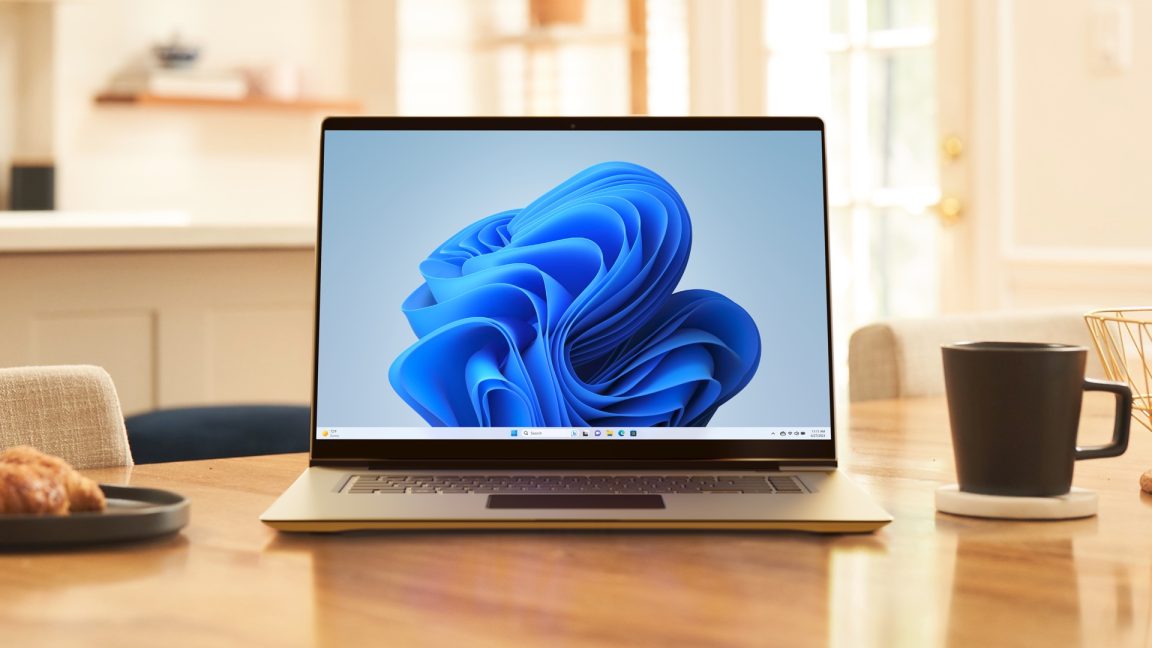
"Windows 11 26H1" is a special version of Windows exclusively for new Arm PCs

Since its release in the fall of 2021, Microsoft's Windows 11 has received an "annual feature update" in the second half of every year. These feature updates sometimes include new Windows features and other changes that are too large to roll out in a typical monthly Windows Update, and users need to upgrade to new ones to keep getting security patches and other features. The currently supported versions are Windows 11 24H2 and 25H2, released in the fall of 2024 and 2025, respectively.

This week, Microsoft disrupted that update cadence by announcing more information on Windows 11 26H1, which is best described not as an update to Windows 11 but as another version of the operating system entirely. That's because 26H1 is a "scoped" release intended exclusively for new PCs, starting with those based on Qualcomm's recently announced Snapdragon X2 Elite chips.

Microsoft's support page explains why this release is strange: It won't be released broadly to other Windows 11 PCs, which should continue to use either 24H2 or 25H2. PCs running 24H2 or 25H2 will never be offered an update to version 26H1, though testers in the Windows Insider Program's early access Canary channel are able to install it to other PCs if they want. (Build numbers for Windows 11 26H1 start with 28000, compared to 26100 for 24H2 and 26200 for 25H2.)
Read full article

Comments

Β© Microsoft

  •  

Windows' original Secure Boot certificates expire in Juneβ€”here's what you need to do

Windows 8 is remembered most for its oddball touchscreen-focused full-screen Start menu, but it also introduced a number of under-the-hood enhancements to Windows. One of those was UEFI Secure Boot, a mechanism for verifying PC bootloaders to ensure that unverified software can't be loaded at startup. Secure Boot was enabled but technically optional for Windows 8 and Windows 10, but it became a formal system requirement for installing Windows starting with Windows 11 in 2021.

Secure Boot has relied on the same security certificates to verify bootloaders since 2011, during the development cycle for Windows 8. But those original certificates are set to expire in June and October of this year, something Microsoft is highlighting in a post today.

This certificate expiration date isn't newsβ€”Microsoft and most major PC makers have been talking about it for months or years, and behind-the-scenes work to get the Windows ecosystem ready has been happening for some time. And renewing security certificates is a routine occurrence that most users only notice when something goes wrong.

Read full article

Comments

Β© Microsoft

  •  

People complaining about Windows 11 hasn't stopped it from hitting 1 billion users

Complaining about Windows 11 is a popular sport among tech enthusiasts on the Internet, whether you're publicly switching to Linux, publishing guides about the dozens of things you need to do to make the OS less annoying, or getting upset because you were asked to sign in to an app after clicking a sign-in button.

Despite the negativity surrounding the current version of Windows, it remains the most widely used operating system on the world's desktop and laptop computers, and people usually prefer to stick to what they're used to. As a result, Windows 11 has just cleared a big milestoneβ€”Microsoft CEO Satya Nadella said on the company's most recent earnings call (via The Verge) that Windows 11 now has over 1 billion users worldwide.

Windows 11 also reached that milestone just a few months quicker than Windows 10 didβ€”1,576 days after its initial public launch on October 5, 2021. Windows 10 took 1,692 days to reach the same milestone, based on its July 29, 2015, general availability date and Microsoft's announcement on March 16, 2020.

Read full article

Comments

Β© Microsoft

  •