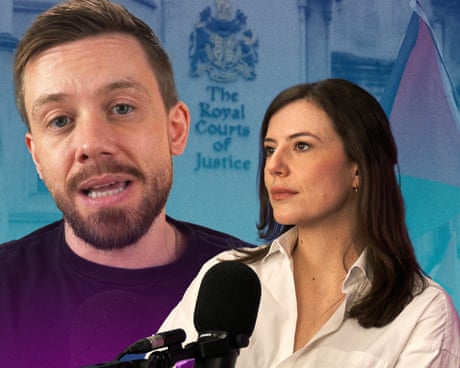
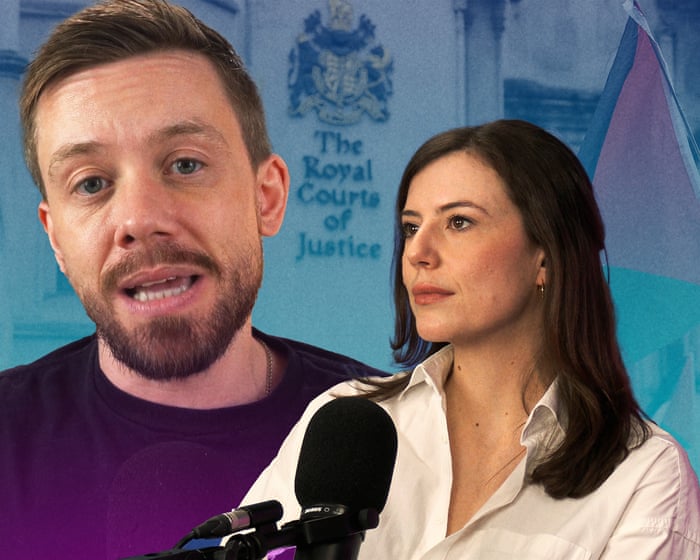
The co-founder of Palestine Action has won a legal challenge to the home secretary’s decision to ban the group under anti-terrorism laws. Palestine Action was the first direct action protest group to be proscribed. The decision was widely condemned and was defied by a civil disobedience campaign, during which more than 2,000 people have been arrested. From July last year, being a member of – or showing support for – the group became an offence punishable by up to 14 years in prison. Lucy Hough speaks to the Guardian columnist Owen Jones
The home secretary has vowed to fight the judgment, but she and the government are on the wrong side of history
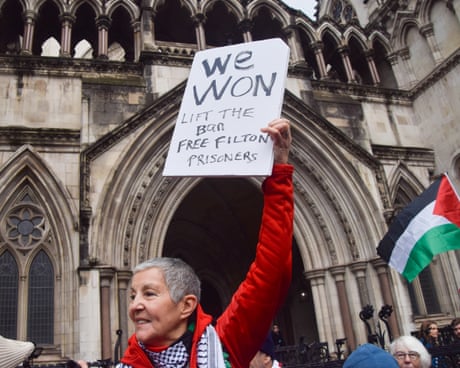
This is a day of humiliation for those who facilitated Israel’s genocide in Gaza – and a moment of vindication for those who stood against “the crime of crimes”. It is worth underlining what the high court in London has today ruled to be unlawful: our government’s decision to place the direct-action group Palestine Action on the same legal footing as al-Qaida and Islamic State. Legally speaking, simply showing support for it risked a jail sentence of up to 14 years. The consequences? More than 2,700 people arrested for holding placards opposing genocide and supporting Palestine Action, many of them elderly, including a retired octogenarian priest.
No one who engages in criminal damage for a political cause imagines they will avoid arrest. As the court ruling makes clear, normal criminal law remains available for such acts. But when a government applies the badge of “terrorism” to movements that, however disorderly, are clearly not terrorist movements, an alarming precedent is set. As the court recognised, the proscription interferes with rights to freedom of expression, to peaceful assembly and free associations with others. You do not need a fevered imagination to see how a future Reform UK government could build on such a precedent. (As things stand, the ban on the group remains in effect so the government has time to appeal.)

 Login
Login