Reading view

Labubus to burkinis: V&A unveils updated 21st-century design galleries

Museum’s revitalised galleries bring together 250 objects to show how design shapes modern life

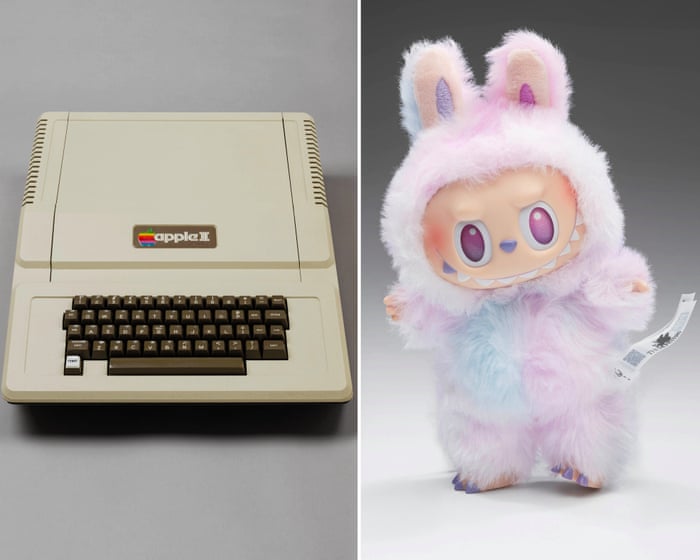
What do the first ever baby monitor, Nigeria’s 2018 World Cup kit, an 80s boombox, the smashed parts of Edward Snowden’s computer, a “Please offer me a seat” badge and a Labubu have in common? They are all included in the V&A’s Design 1990-Now galleries, which reopen to the public this week.

The galleries, which run across two rooms on the upper floors of the museum, also house a collection of antique books. The displays cover six different themes including housing and living, crisis and conflict, and consumption and identity, rather than in a strict chronological order.

Continue reading...

© Composite: Victoria and Albert Museum
© Composite: Victoria and Albert Museum
© Composite: Victoria and Albert Museum

  •  

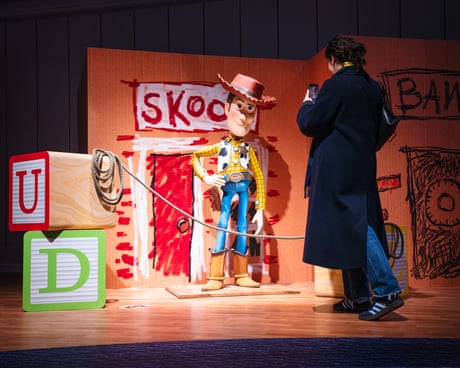
To infinity and beyond! Visitors can dive into Pixar worlds in immersive London show

Shrink to toy-size or dive into an ocean in exhibition where studio brings Toy Story, Finding Nemo and Up to life

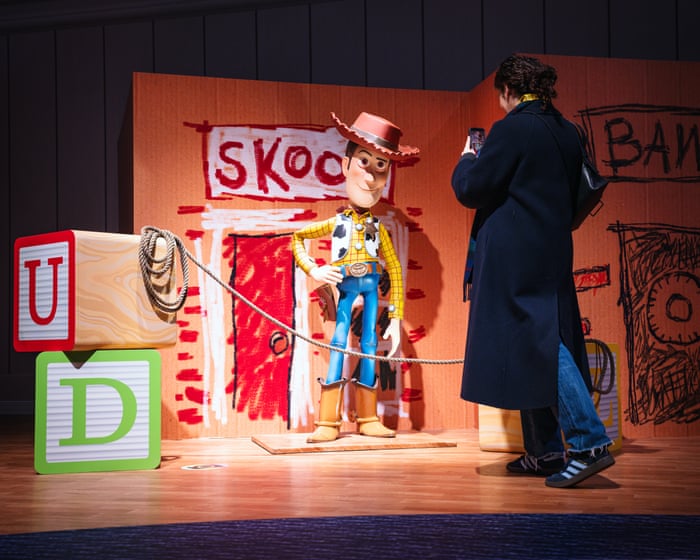
If you have ever wanted to rummage through the books in Andy’s bedroom from Toy Story or inspect the vintage trinkets lining the shelves of Carl Fredricksen’s home in Up, you’re in luck.

Scenes from some of Pixar’s most beloved films have been meticulously recreated in Wembley, north London, as part of the newly opened immersive Mundo Pixar Experience.

Continue reading...

© Photograph: Linda Nylind/The Guardian

© Photograph: Linda Nylind/The Guardian

© Photograph: Linda Nylind/The Guardian

  •  

‘I cut out one little house at a time’: the trucker who spent decades building a tiny replica of NYC

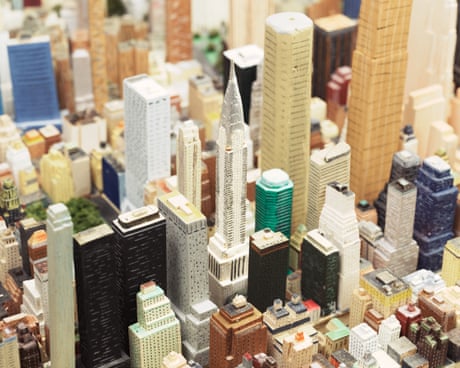
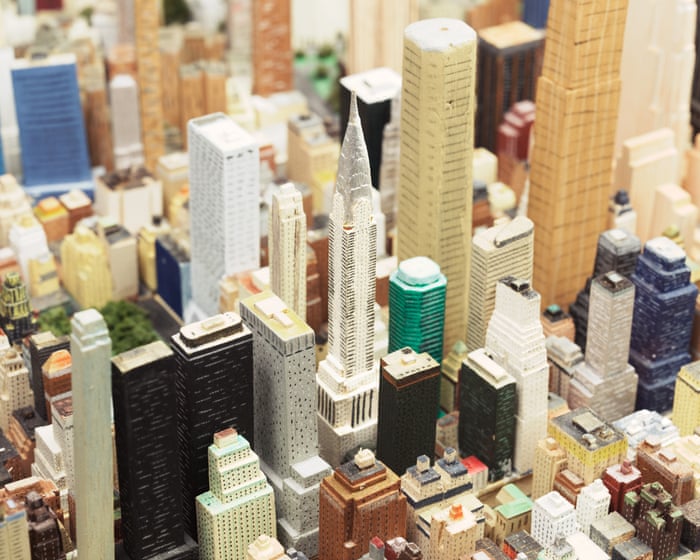
Queens-born Joe Macken’s hyperrealistic model, made with wood, cardboard and glue, is now on view at the Museum of the City of New York
In 2003, Joe Macken built a miniature model of a bridge out of popsicle sticks. He wanted it to look like a “hybrid” of the Brooklyn, Manhattan, and Williamsburg bridges. Soon after, Macken, who grew up in Middle Village, Queens, moved his family to a small town upstate, more than 160 miles from the city. Macken loaded his bridge on the moving truck. It did not make the trip.

“It got destroyed, and I was kind of bummed,” said Macken, who is now 63. “So I figured, let me build something better.”

Continue reading...

© Photograph: David Lurvey/Museum of the City of New York
© Photograph: David Lurvey/Museum of the City of New York
© Photograph: David Lurvey/Museum of the City of New York
  •  

‘The bear feels comfortable and uncomfortable. It’s a bittersweet moment’: Iñigo Jerez Quintana’s best phone picture

Capturing things that mix the strange with the beautiful helped the Spanish graphic designer recover from a blue period

Iñigo Jerez Quintana uses the French term objet trouvé to describe this abandoned bear. Quintana, a Spanish graphic designer, was walking from his studio to a work meeting in Poblenou, a district of Barcelona, when he spotted it.

“I take photos based on visual impulses; anything that catches my eye,” he says. “The colour match of the bear’s fur and wall paint anchors a childish stereotype in a place where it doesn’t really belong.”

Continue reading...

© Photograph: Iñigo Jerez

© Photograph: Iñigo Jerez

© Photograph: Iñigo Jerez

  •  

‘Regrets? Number one: smoking. Number two: taking it up the wrong hole’: Tracey Emin on reputation, radical honesty – and Reform

She scandalised the art world in the 1990s with her unmade bed, partied hard in the 2000s – then a brush with death turned the artist’s life upside down. Now she’s as frank as ever

There is a long buildup before I get to see Tracey Emin – her two cats, Teacup and Pancake, preceding her like a pair of slinky sentries as she walks into the white-painted basement kitchen of her huge Georgian house in Margate. The lengthy overture is because – though I’ve been invited for noon – Emin is a magnificently late riser. Her average working day, her studio manager Harry tells me, runs from about 6pm to 3am. And so, while the artist is gradually sorting herself out, Harry takes me on a tour through her home town in the January drizzle, the sea a sulky grey blur beyond the sands.

At last, Harry is ringing the doorbell, and Emin’s lovely housekeeper, Sam, is sitting me down in the kitchen, then finally here she is, dressed in loose dark trousers and top, with those faithful cats. Emin is recognisably the same as she’s ever been – the artist who scandalised and entranced the nation in the 1990s with her tent embroidered with the names of everyone she’d ever slept with; with her unmade bed and its rumpled sheets and detritus. She still has that sardonic lip, those arched brows, those flashing eyes. But these days she is surprisingly calm, slow moving, her greying hair swept back into a loose bun. This is the Emin who has worked hard, survived a great deal and, somewhat unpredictably, ended up a national treasure.

Continue reading...

© Photograph: © Juergen Teller

© Photograph: © Juergen Teller

© Photograph: © Juergen Teller

  •  

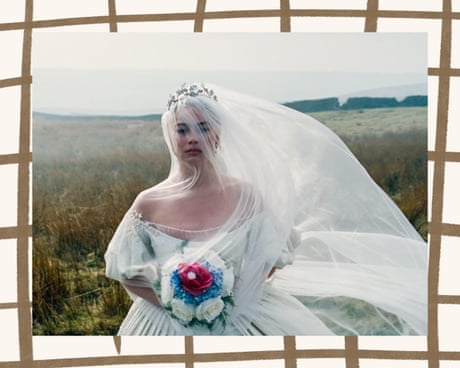
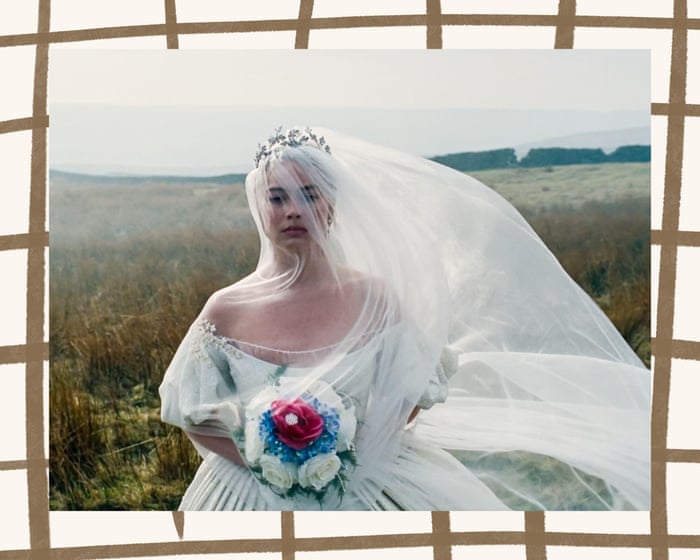
From Wuthering Heights to Mario Tennis Fever: your complete entertainment guide to the week ahead

Emerald Fennell’s film brings the raunch to Brontë’s romance, while Nintendo’s beloved plumber stars in a colourful, family-friendly sports game

Wuthering Heights
Out now
Out on the wily, windy moors, writer-director Emerald Fennell has constructed a new interpretation of the Emily Brontë classic. Margot Robbie is Cathy while Jacob Elordi takes on Heathcliff, and as you might expect from the film-maker behind Saltburn, the passionate pair are set to leave no height unwuthered.

Continue reading...

© Composite: LANDMARK MEDIA / Alamy Stock Photo

© Composite: LANDMARK MEDIA / Alamy Stock Photo

© Composite: LANDMARK MEDIA / Alamy Stock Photo

  •  

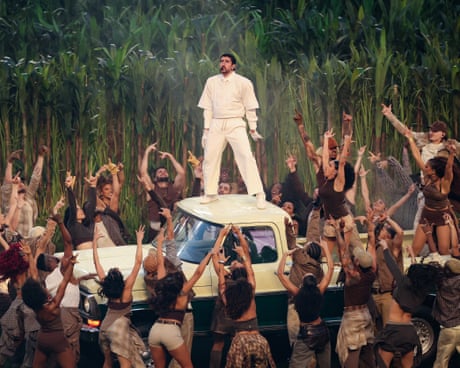
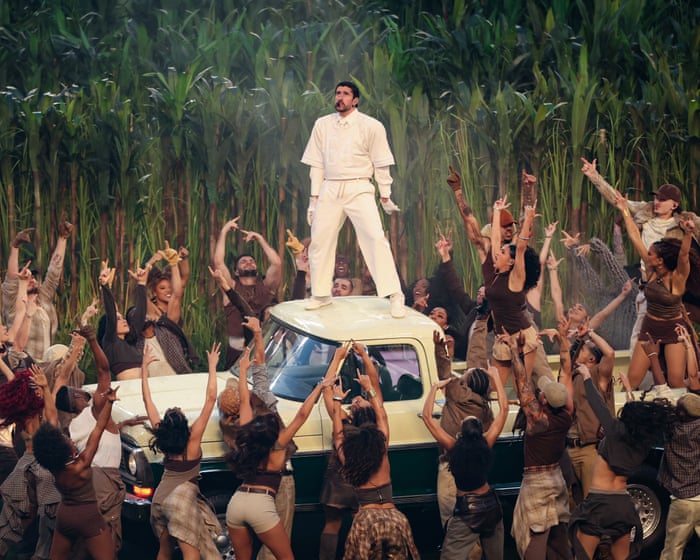
The week around the world in 20 pictures

Protests in Buenos Aires, Lindsey Vonn crashes at the Winter Olympics and Bad Bunny performs at Super Bowl LX – the past seven days as captured by the world’s leading photojournalists

Continue reading...

© Photograph: Patrick T Fallon/AFP/Getty Images

© Photograph: Patrick T Fallon/AFP/Getty Images

© Photograph: Patrick T Fallon/AFP/Getty Images

  •  

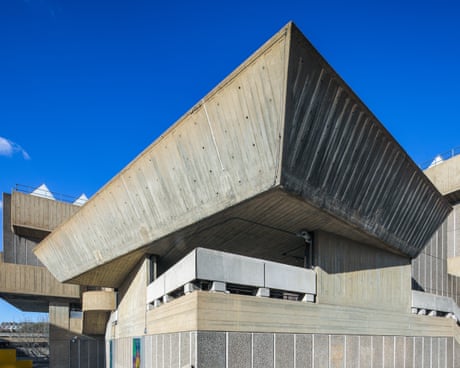
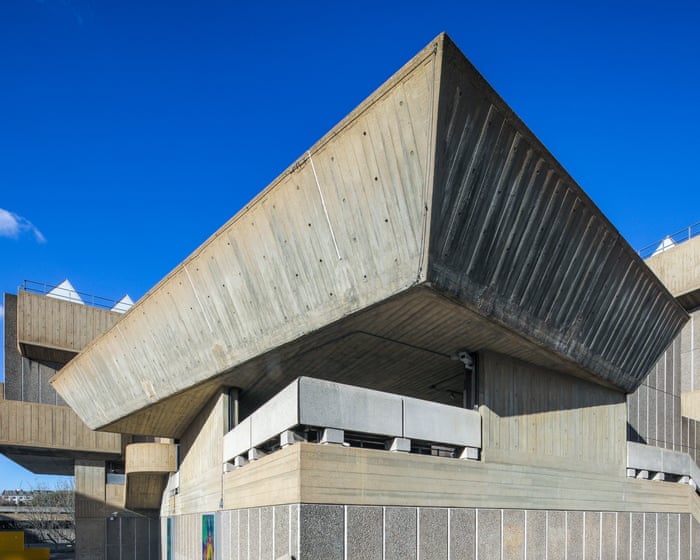
The Southbank Centre is striking, polarising and now protected | Letters

Francis Bown says its grey concrete and childlike composition expressed the fatalism and despair of the time, while Helen Keats reflects on other brutalist builds

Fiona Twycross, the heritage minister, is to be congratulated for finally giving London’s Southbank Centre Grade II listing (Campaigners welcome ‘long overdue’ listing of brutalist Southbank Centre, 10 February).

I remember being shocked when I first saw it in the 1960s, but it has become a remarkable symbol of the zeitgeist.

Continue reading...

© Photograph: John East

© Photograph: John East

© Photograph: John East

  •  

Spooky shores, folkloric visions and Ireland’s mysterious landscapes reveal a secret – the week in art

Georges Seurat takes an eerie trip to the seaside, Yinka Shonibare puts empire in its place and Sean Scully reveals his source – all in your weekly dispatch

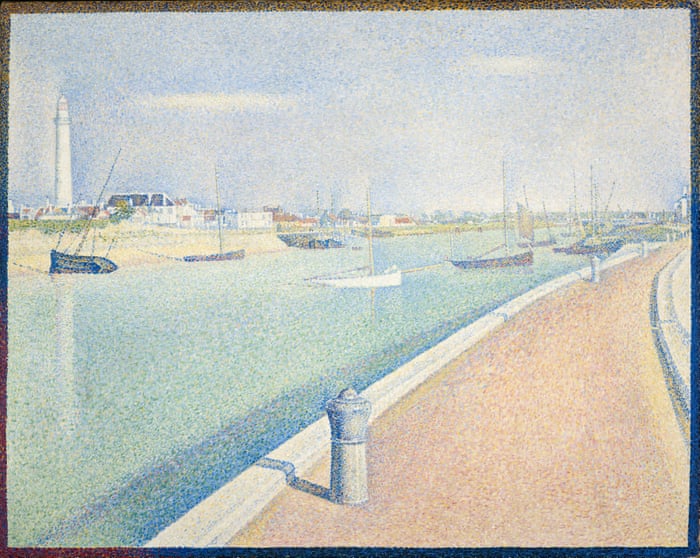
Seurat and the Sea
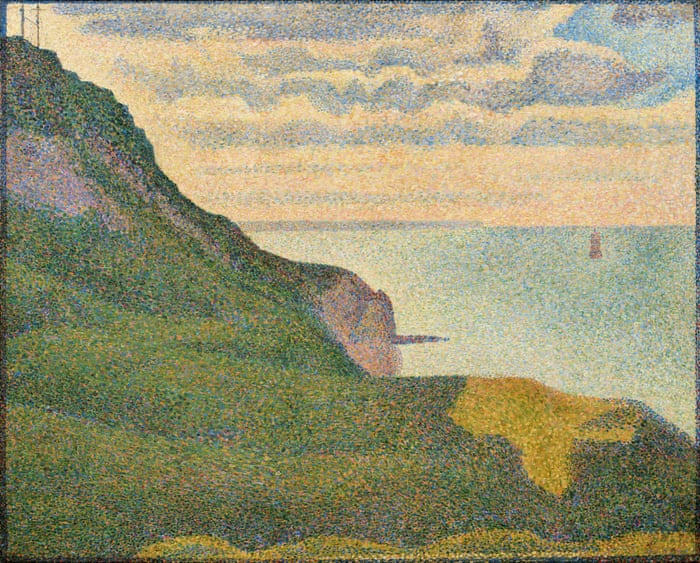
If you thought French 19th-century paintings of the seaside were all happy impressionism, you will be disconcerted, then absorbed by Seurat’s eerie modernist shores. Read the review.
Courtauld Gallery, London, until 17 May

Continue reading...

© Photograph: Indianapolis Museum of Art at Newfields

© Photograph: Indianapolis Museum of Art at Newfields

© Photograph: Indianapolis Museum of Art at Newfields

  •  

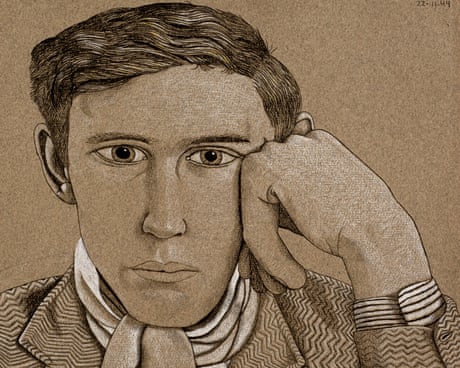
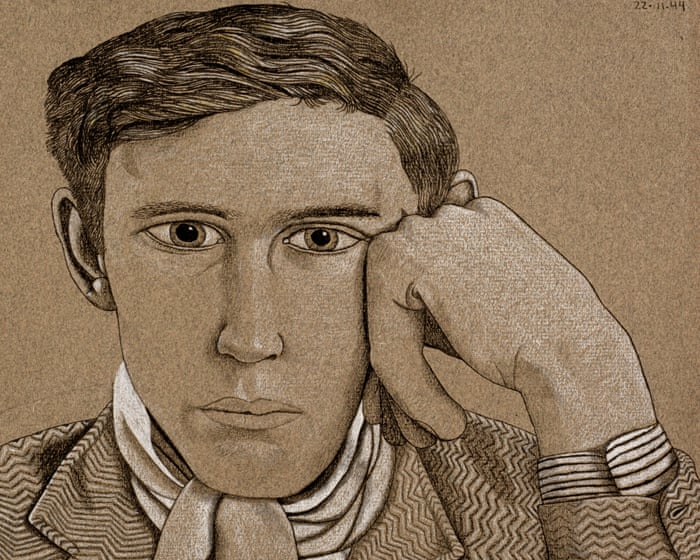
A great artist on paper: why Lucian Freud’s magical drawings are the key to his major works

The artist often swapped painting for etching as a way to rediscover his craft. Now a new exhibition shows these flashes of inspiration in all their intimate glory

At home one evening in 1951, Lucian Freud did three drawings of fellow artist Francis Bacon. The biographer William Feaver recounts the anecdote as Freud told it to him: Bacon had stood up, undone the buttons on his trousers, rolled up his sleeves and wiggled his hips a little, saying: “I think you ought to do this, because I think that’s rather important.”

By Freud’s own admission, the older painter was provocative in more ways than just this pose: “I got very impatient with the way I was working. It was limited and a limited vehicle for me,” Freud told Feaver. He felt his drawing stopped him from freeing himself, he said, “and I think my admiration for Francis came into this. I realised that by working in the way I did I couldn’t really evolve. The change wasn’t perhaps more than one of focus, but it did make it possible for me to approach the whole thing in another way.”

Continue reading...

© Photograph: © The Lucian Freud Archive. All Rights Reserved 2025 / Bridgeman Images

© Photograph: © The Lucian Freud Archive. All Rights Reserved 2025 / Bridgeman Images

© Photograph: © The Lucian Freud Archive. All Rights Reserved 2025 / Bridgeman Images

  •  

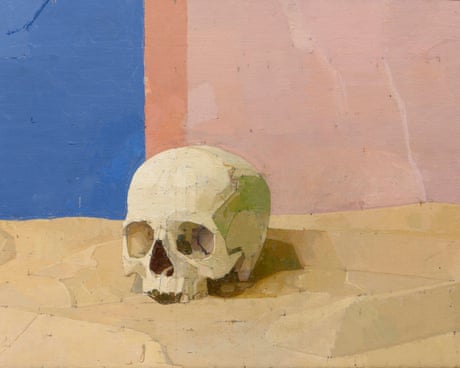
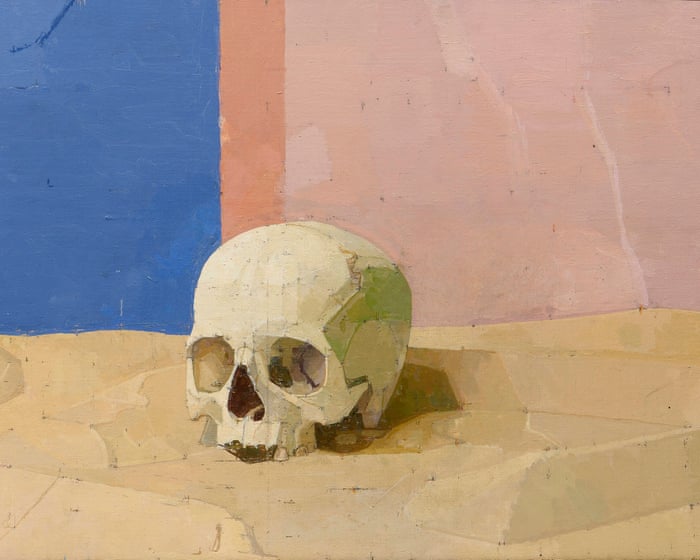
Euan Uglow review – No wonder Cherie Blair didn’t model for long, these pictures are exhausting just to look at

MK Gallery, Milton Keynes
His work was so painstaking and slow to produce that the models – including a certain trainee barrister – often didn’t make it to the end of a portrait. It makes for paintings that seem drained of life

Euan Uglow, they say, is an artist’s artist, and therein lies the problem. If you were approaching his painstaking canvases out of curiosity – how to construct the figure, capture precise perspective, proportions – I can see how their visible workings (complex little dashes and crosses and plumb lines and geometric grids) would prove revelatory. But lots of us come to art to be inspired, transported, to feel. And for all their technical prowess, Uglow’s 70-odd regimented paintings at MK Gallery leave me cold.

First, some context, which we get immediately upon entering – in a slightly maddening move, the five-room retrospective of the artist opens with a room of seven paintings, of which only two are by him. After studying at the Camberwell School of Arts and Crafts in London from 1948 to 1950, he moved to the Slade. He was influenced by Paul Cézanne and Alberto Giacometti, as well as three tutors, all of whom are represented here.

Continue reading...

© Photograph: © The estate of Euan Uglow. All rights reserved 2025, Bridgeman Images

© Photograph: © The estate of Euan Uglow. All rights reserved 2025, Bridgeman Images

© Photograph: © The estate of Euan Uglow. All rights reserved 2025, Bridgeman Images

  •  

To revive manufacturing we must first change attitudes towards labour | Letter

Government action is needed before it is too late, writes Jill Fitzgerald-O’Connor

Re Larry Elliott’s article (How can Britain regain its manufacturing power?, 5 February), the basis for the revival of our manufacturing industry requires first a shift in attitude that brainwork is superior to manual labour.

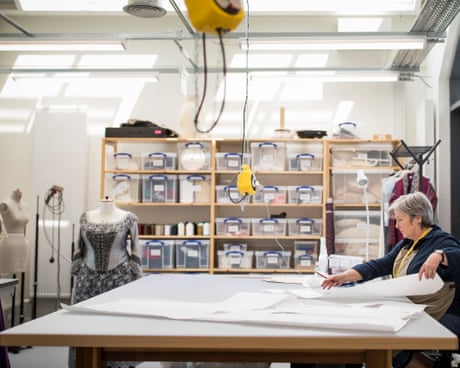
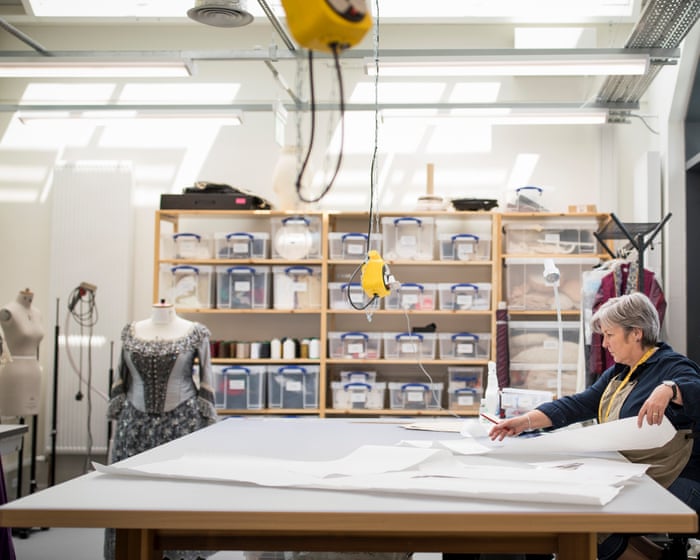
Changes to the curriculum are needed so that technically oriented students can pursue courses that are a first option rather than second best. Part of my training as a designer-pattern cutter involved a placement in a factory, an experience now rarely available to fashion students. In the 1980s, the government set up the Enterprise Allowance Scheme to encourage innovation, but there was no follow-on support to encourage production; successful entrepreneurs had to apply for personal loans from banks, limited to the value of their houses.

Continue reading...

© Photograph: Alicia Canter/The Guardian

© Photograph: Alicia Canter/The Guardian

© Photograph: Alicia Canter/The Guardian

  •  

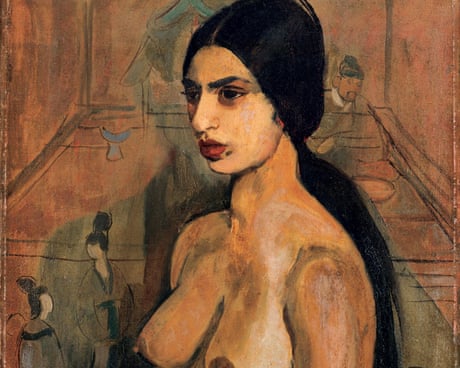
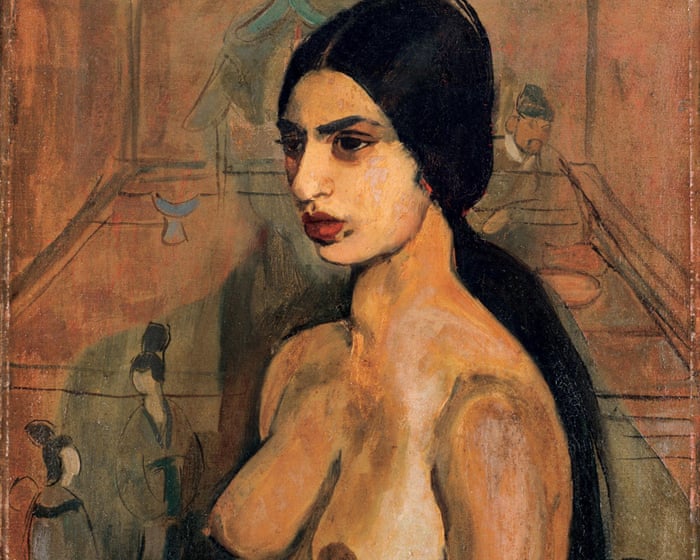
‘Not for ogling’: forget Titian, Botticelli and the male fantasists – only women can paint great female nudes

From Yoko Ono to Frida Kahlo, from Louise Bourgeois to Artemisia Gentileschi, women have long been capturing the unvarnished truth about their own bodies – and that’s why my novel Female, Nude weaves them into the plot

‘If you want to paint, put your clothes back on!” That was how Carolee Schneemann summarised the critical response to her 1975 performance piece Interior Scroll, which she had performed nude standing on a gallery table. After making a series of life model poses, she removed a scroll from her vagina and began to read her manifesto. In doing so, Schneemann asked an important question: “What does it mean for a female artist to be both the artist and the life model?” Or as she put it: “Both image and image-maker?”

The female nude, as depicted and objectified by the male artist, has dominated western art for centuries. Despite decades of feminist efforts, that interaction between the great male genius and his female model – sometimes muse – remains a subject of perennial fascination. To enter a gallery, or to open a university textbook, is to be confronted with a parade of idealised naked females by male artists from Rubens, Titian and Botticelli to Picasso and De Kooning.

Continue reading...

© Photograph: Alamy

© Photograph: Alamy

© Photograph: Alamy

  •  

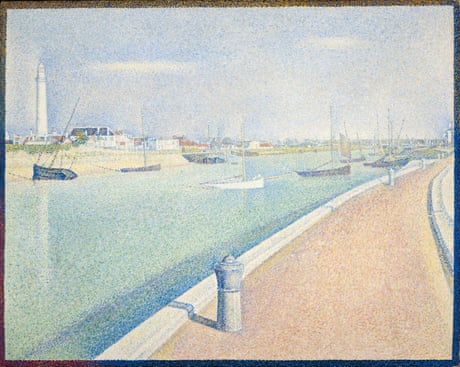
The god of small things: Seurat and the sea – review

Courtauld Gallery, London
This quietly tremendous exhibition gathers more than half of the pointillist painter’s works, all depicting the Channel coast and sea, full of blizzards of light and a quivering sense of import

Georges Seurat died young. His two most famous paintings, both extremely large and innovative in their composition and technique, were completed while he was still in his mid-20s. As it was, Seurat painted approximately 45 paintings before his death, probably from diphtheria, in March 1891 when he was 31. More than half these works depict the Channel coast and sea and were completed on his summer trips between 1885 and 1890. Seurat and the Sea at the Courtauld is the first exhibition to be devoted entirely to these images. Twenty-three paintings and smaller oil studies, and three drawings hang in two rooms. It is a quietly tremendous exhibition.

Even if one takes on board the artist’s claims to science, objectivity and his adherence to theories about colour and perception which distance him from impressionism, Seurat’s paintings are peculiar and strange. Sometimes his line is very odd and stiff, yet his drawings themselves – tonal studies worked in conté crayon on textured, laid paper, are among the most marvellous I can think of. It is clear Seurat knew what he was doing; who knows what he might have gone on to achieve?

Continue reading...

© Photograph: National Gallery of Art, Washington DC

© Photograph: National Gallery of Art, Washington DC

© Photograph: National Gallery of Art, Washington DC

  •