❌

Reading view

When Amazon badly needed a ride, Europe's Ariane 6 rocket delivered

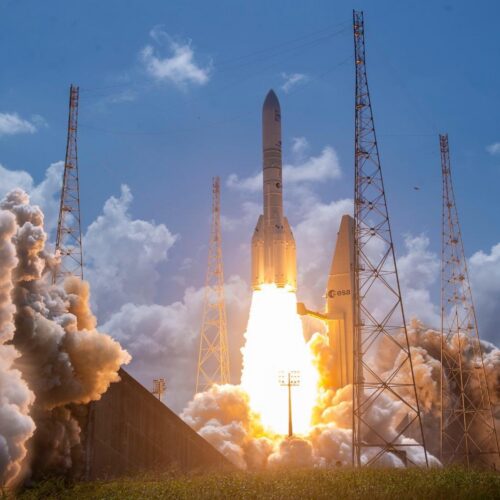
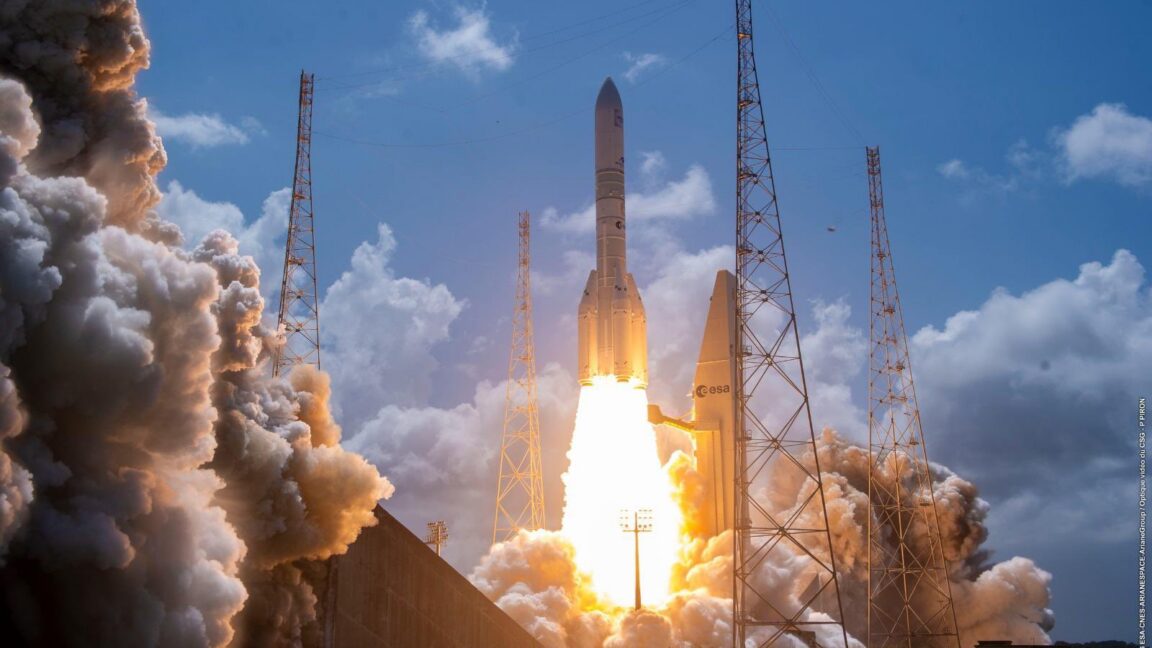
The heavy version of Europe's Ariane 6 rocket launched for the first time Thursday, hauling 32 spacecraft to low-Earth orbit for Amazon's satellite broadband constellation.

The Ariane 6 rocket lifted off from the Guiana Space Center on the northeastern coast of South America at 11:45 am EST (16:45 UTC), quickly soaring into a clear sky at the tropical spaceport on the power of a hydrogen-fueled main engine and four strap-on solid rocket boosters.

This Ariane 6 configuration, called Ariane 64, is the first to use the rocket's full complement of four boosters. Collectively, the rocket generated more than 3.4 million pounds of thrust (15,400 kilonewtons) of thrust as it steered northeast over the Atlantic Ocean. Less than two hours later, the rocket's upper stage released all 32 of Amazon's satellites into an on-target orbit at an altitude of 289 miles (465 kilometers).
Read full article

Comments

Β© ESA-CNES-Arianespace-P. Piron
  •  

ULA's Vulcan rocket suffers another booster problem on the way to orbit

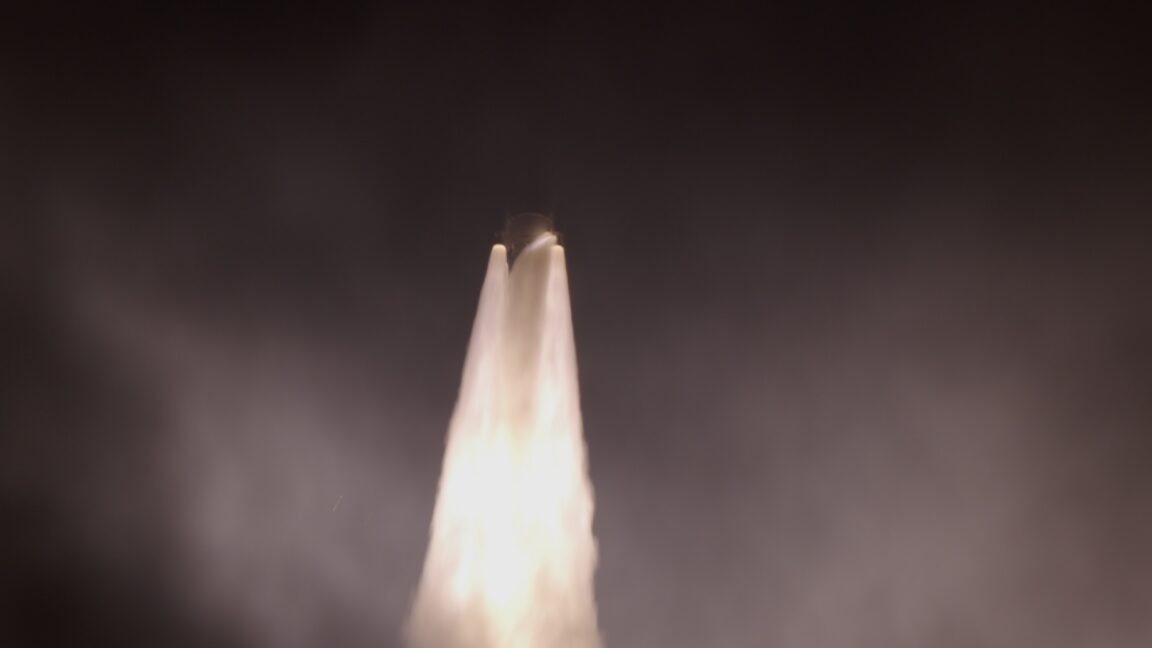
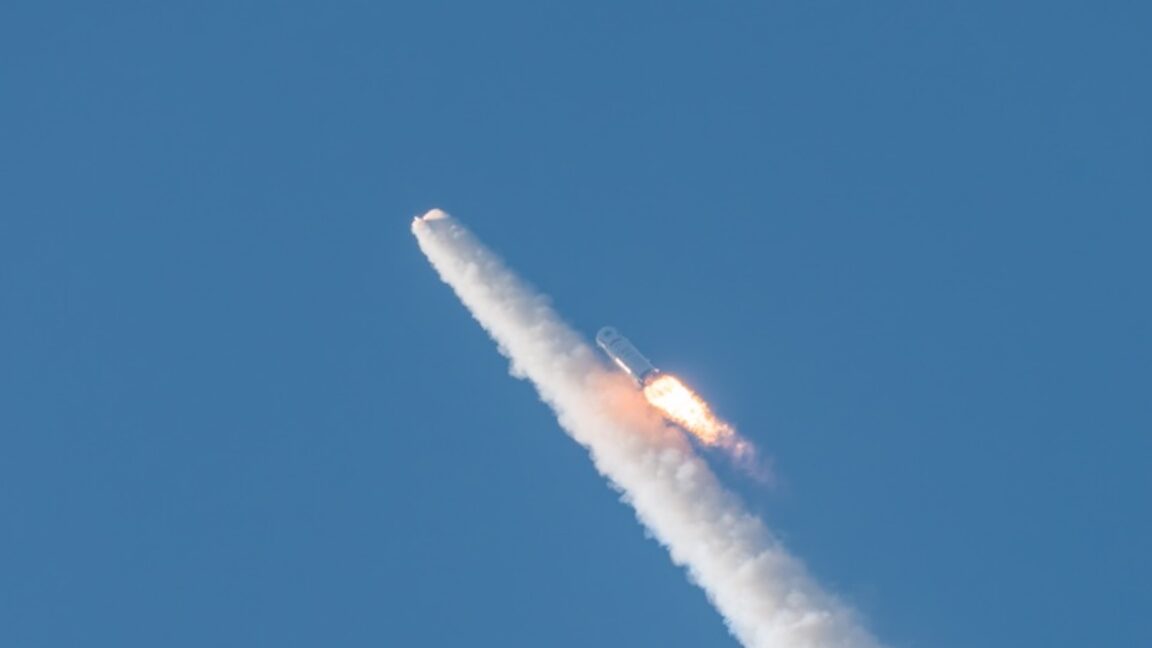
Moments after liftoff from Florida's Space Coast early Thursday morning, a shower of sparks emerged in the exhaust plume of United Launch Alliance's Vulcan rocket. Seconds later, the rocket twisted on its axis before recovering and continuing the climb into orbit with a batch of US military satellites.

The sight may have appeared familiar to seasoned rocket watchers. Sixteen months ago, a Vulcan rocket lost one of its booster nozzles shortly after launch from Cape Canaveral Space Force Station. The rocket recovered from the malfunction and still reached the mission's planned orbit.

Details of Thursday's booster problem remain unclear. An investigation into the matter is underway, according to ULA, a 50-50 joint venture between Boeing and Lockheed Martin. But the circumstances resemble those of the booster malfunction in October 2024. Closeup video from Thursday's launch shows a fiery plume near the throat of one of the rocket's four solid-fueled boosters, the area where the motor's propellant casing connects to its bell-shaped exhaust nozzle. The throat drives super-hot gas from the burning solid propellant through the nozzle to generate thrust.

Read full article

Comments

Β© Adam Bernstein/Spaceflight Now

  •  

SpaceX takes down Dragon crew arm, giving Starship a leg up in Florida

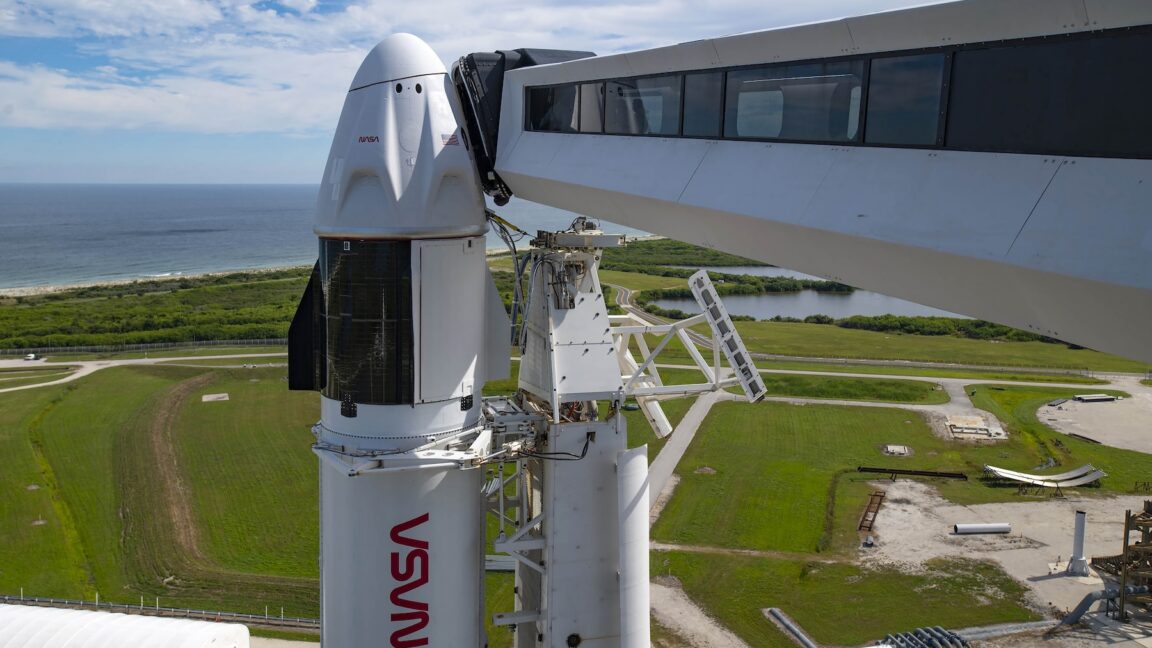
Launch Complex 39A at NASA's Kennedy Space Center in Florida is accustomed to getting makeovers. It got another one Wednesday with the removal of the Crew Access Arm used by astronauts to board their rides to space.

Construction workers first carved the footprint for the launch pad from the Florida wetlands more than 60 years ago. NASA used the site to launch Saturn V rockets dispatching astronauts to the Moon, then converted the pad for the Space Shuttle program. The last shuttle flight lifted off from Pad 39A in 2011, and the agency leased the site to SpaceX for use as the departure point for the company's Falcon 9 and Falcon Heavy rockets.

SpaceX started launching from Pad 39A in 2017, then installed a new Crew Access Arm on the pad's tower the following year, replacing the aging shuttle-era arm that connected to the hatches of NASA's orbiters. SpaceX added the new arm ahead of the first test flight of the company's human-rated Crew Dragon spacecraft in 2019. Astronauts started using the pathway, suspended more than 200 feet above the pad surface, beginning with the first crew flight on a Dragon spacecraft in 2020.

Read full article

Comments

Β© SpaceX

  •  

China showcases new Moon ship and reusable rocket in one extraordinary test

China's space program, striving to land astronauts on the Moon by 2030, carried out a test flight of a new reusable booster and crew capsule late Tuesday (US time), and the results were spectacular.

The demonstration "marks a significant breakthrough in the development of [China's] manned lunar exploration program," the China Manned Space Agency (CMSA) said in a statement. China and the United States are racing to accomplish the next human landing on the Moon in a competition for national prestige and lunar resources. The Long March 10 rocket and Mengzhou spacecraft, both tested Tuesday, are core elements of China's lunar architecture.

The launch of a subscale version of the Long March 10 rocket, still in development, provided engineers with an opportunity to verify the performance of an important part of the new Mengzhou capsule's safety system. The test began with liftoff of the Long March 10 booster from a new launch pad at Wenchang Space Launch Site on Hainan Island, China's southernmost province, at 10 pm EST Tuesday (03:00 UTC or 11 am Beijing time Wednesday).

Read full article

Comments

Β© VCG/VCG via Getty Images

  •  

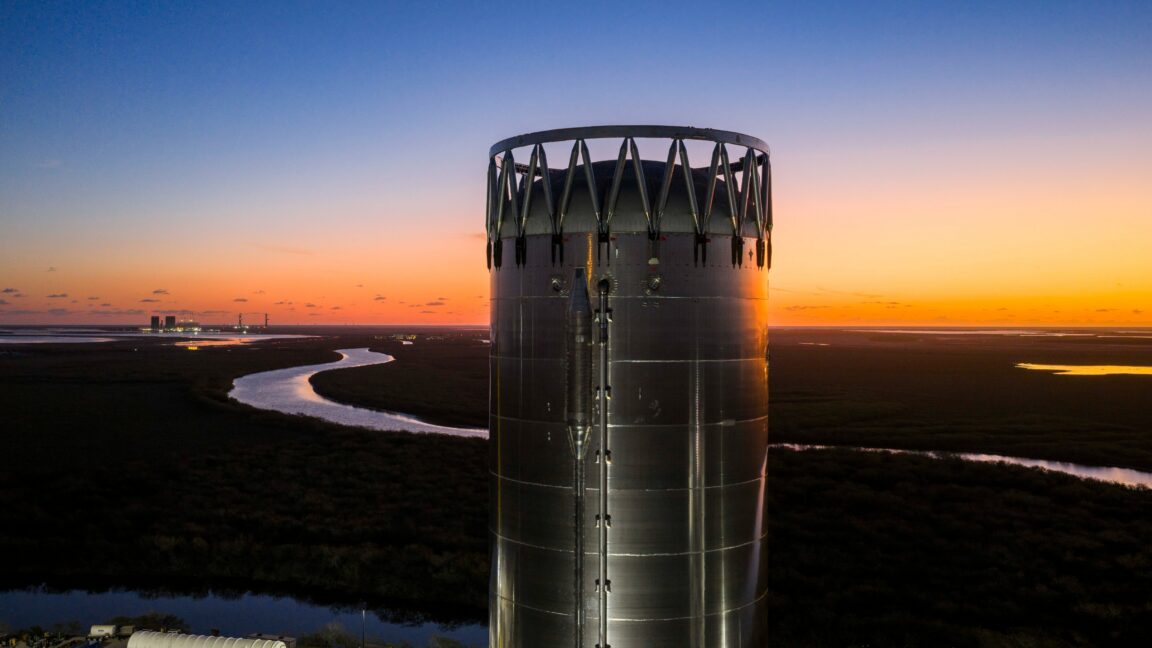
SpaceX's next-gen Super Heavy booster aces four days of "cryoproof" testing

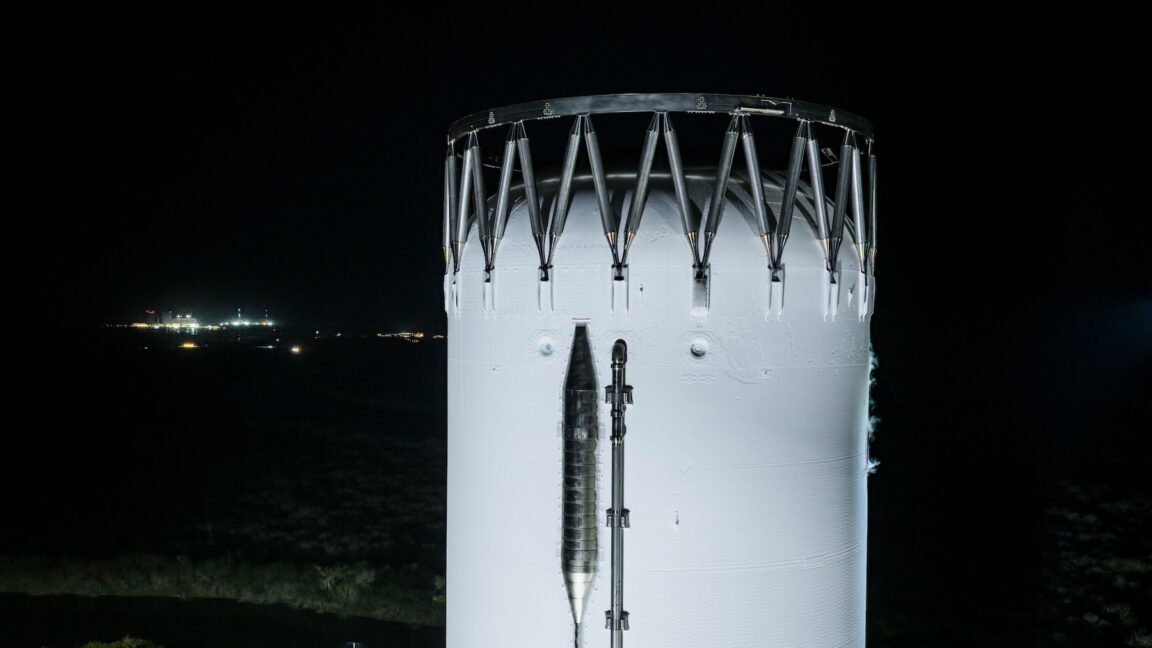
The upgraded Super Heavy booster slated to launch SpaceX's next Starship flight has completed cryogenic proof testing, clearing a hurdle that resulted in the destruction of the company's previous booster.

SpaceX announced the milestone in a social media post Tuesday: "Cryoproof operations complete for the first time with a Super Heavy V3 booster. This multi-day campaign tested the booster's redesigned propellant systems and its structural strength."

Ground teams at Starbase, Texas, rolled the 237-foot-tall (72.3-meter) stainless-steel booster out of its factory and transported it a few miles away to Massey's Test Site last week. The test crew first performed a pressure test on the rocket at ambient temperatures, then loaded super-cold liquid nitrogen into the rocket four times over six days, putting the booster through repeated thermal and pressurization cycles. The nitrogen is a stand-in for the cryogenic methane and liquid oxygen that will fill the booster's propellant tanks on launch day.

Read full article

Comments

Β© SpaceX

  •  

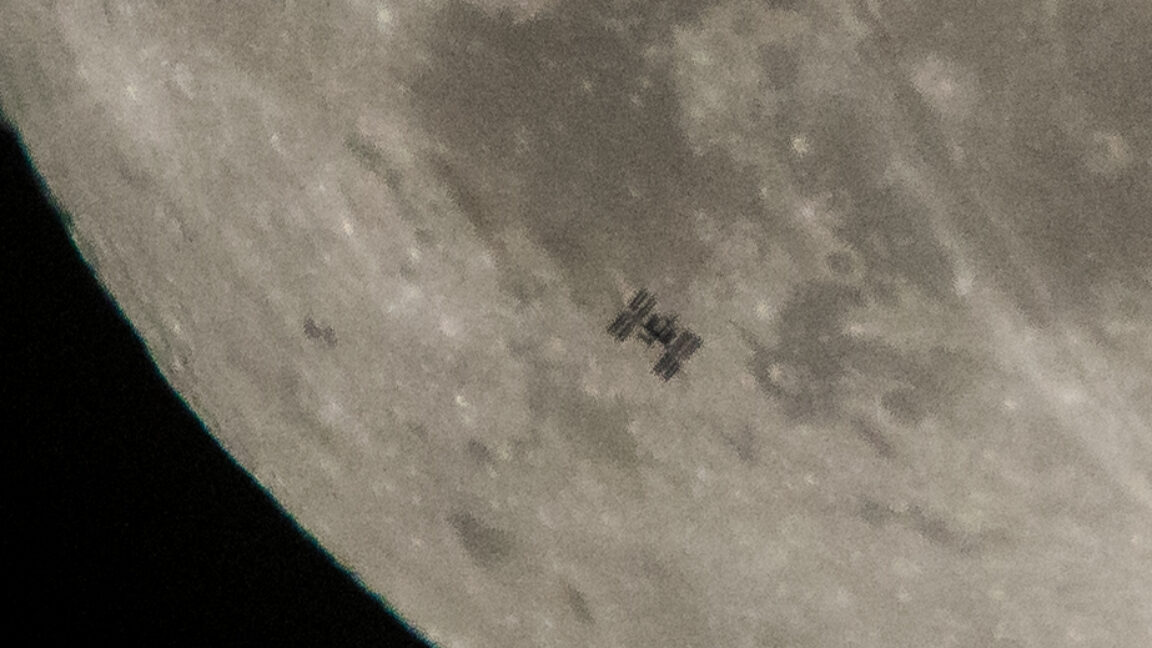
Lawmakers ask what it would take to "store" the International Space Station

Members of the House Science, Space, and Technology Committee voted to approve a NASA authorization bill this week, advancing legislation chock full of policy guidelines meant to give lawmakers a voice in the space agency's strategic direction.

The committee met to "mark up" the NASA Reauthorization Act of 2026, adding more than 40 amendments to the bill before a unanimous vote to refer the legislation to the full House of Representatives. Wednesday's committee vote was just one of several steps needed for the bill to become law. It must pass a vote on the House floor, win approval from the Senate, and then go to the White House for President Donald Trump's signature.

Ars has reported on one of the amendments, which would authorize NASA to take steps toward a "commercial" deep space program using privately owned rockets and spacecraft rather than vehicles owned by the government.

Read full article

Comments

Β© NASA/Joel Kowsky

  •  

Rocket Report: SpaceX probes upper stage malfunction; Starship testing resumes

Welcome to Edition 8.28 of the Rocket Report! The big news in rocketry this week was that NASA still hasn't solved the problem with hydrogen leaks on the Space Launch System. The problem caused months of delays before the first SLS launch in 2022, and the fuel leaks cropped up again Monday during a fueling test on NASA's second SLS rocket. It is a continuing problem, and NASA's sparse SLS launch rate makes every countdown an experiment, as my colleague Eric Berger wrote this week. NASA will conduct another fueling test in the coming weeks after troubleshooting the rocket's leaky fueling line, but the launch of the Artemis II mission is off until March.

As always, we welcome reader submissions. If you don't want to miss an issue, please subscribe using the box below (the form will not appear on AMP-enabled versions of the site). Each report will include information on small-, medium-, and heavy-lift rockets, as well as a quick look ahead at the next three launches on the calendar.

Blue Origin "pauses" New Shepard flights. Blue Origin has "paused" its New Shepard program for the next two years, a move that likely signals a permanent end to the suborbital space tourism initiative, Ars reports. The small rocket and capsule have been flying since April 2015 and have combined to make 38 launches, all but one of which were successful, and 36 landings. In its existence, the New Shepard program flew 98 people to space, however briefly, and launched more than 200 scientific and research payloads into the microgravity environment.

Read full article

Comments

Β© SpaceX

  •  

Unable to tame hydrogen leaks, NASA delays launch of Artemis II until March

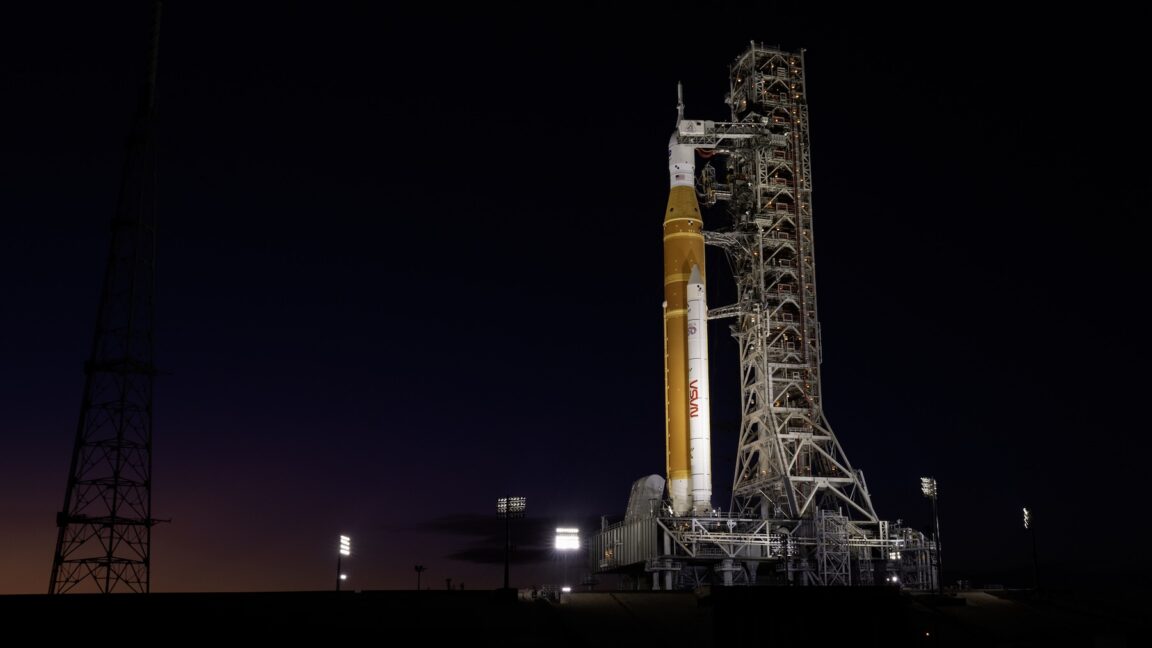
The launch of NASA's Artemis II mission, the first flight of astronauts to the Moon in more than 53 years, will have to wait another month after a fueling test Monday uncovered hydrogen leaks in the connection between the rocket and its launch platform at Kennedy Space Center in Florida.

"Engineers pushed through several challengesβ€―during the two-day test and met many of the planned objectives," NASA said in a statement following the conclusion of the mock countdown, or wet dress rehearsal (WDR), early Tuesday morning. "To allow teams to review data and conduct a second Wet Dress Rehearsal, NASA now will target March as the earliest possible launch opportunity for the flight test."

The practice countdown was designed to identify problems and provide NASA an opportunity to fix them before launch. Most importantly, the test revealed NASA still has not fully resolved recurring hydrogen leaks that delayed the launch of the unpiloted Artemis I test flight by several months in 2022. Artemis I finally launched successfully after engineers revised their hydrogen loading procedures to overcome the leak.

Read full article

Comments

Β© NASA/Jim Ross

  •  

NASA gears up for one more key test before launching Artemis II to the Moon

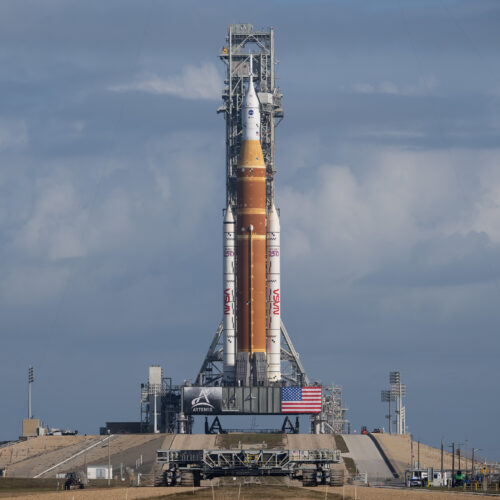
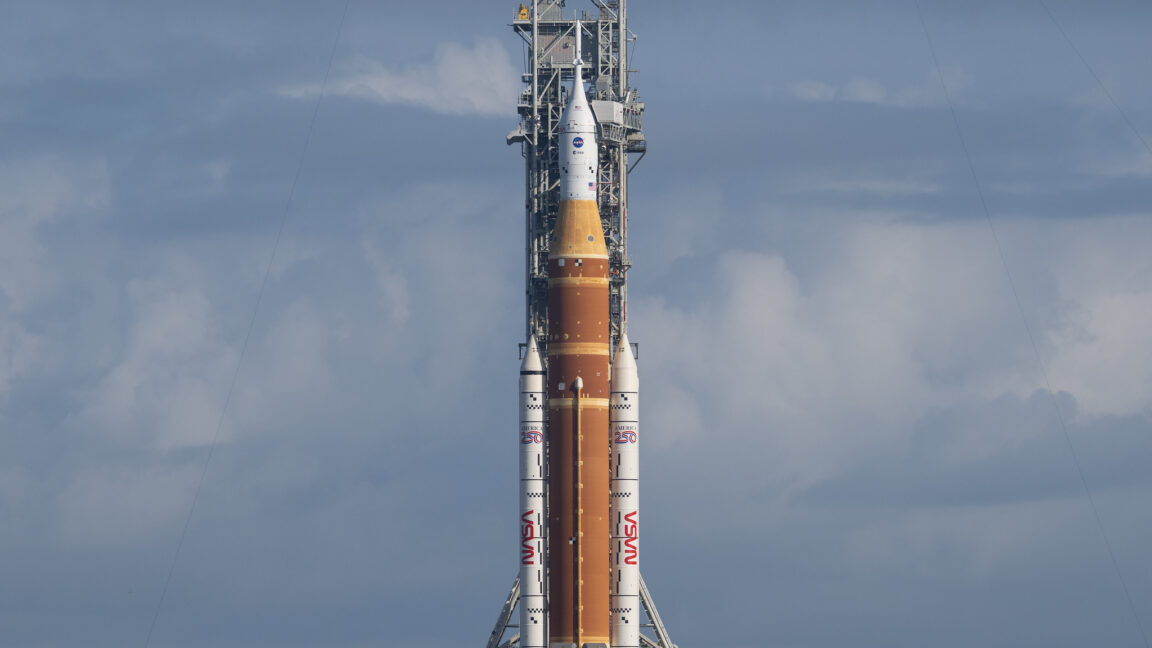
If all goes according to plan Monday, NASA's launch team at Kennedy Space Center in Florida will load more than 700,000 gallons of super-cold propellants into the rocket built to send the Artemis II mission toward the Moon.

The fuel loading is part of a simulated countdown for the Space Launch System rocket, a final opportunity for engineers to rehearse for the day NASA will send four astronauts on a nearly 10-day voyage around the far side of the Moon and back to Earth. The Artemis II mission will send humans farther from Earth than ever before. The astronauts will be the first to launch on NASA's SLS rocket and the first people to travel to the vicinity of the Moon in more than 53 years.

Charlie Blackwell-Thompson, NASA's launch director for the Artemis II mission, will supervise the practice countdown from a firing room inside the Launch Control Center a few miles away from the SLS rocket at Kennedy Space Center. In a recent briefing with reporters, she called the Wet Dress Rehearsalβ€”"wet" refers to the loading of liquid propellantsβ€”the "best risk reduction test" for verifying all is ready to proceed into the real countdown.

Read full article

Comments

Β© NASA/Joel Kowsky

  •  

US spy satellite agency declassifies high-flying Cold War listening post

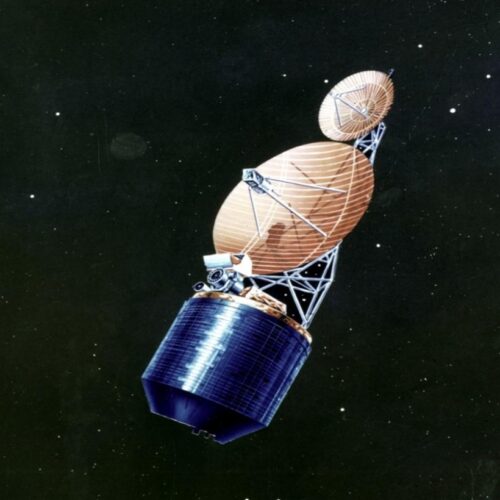
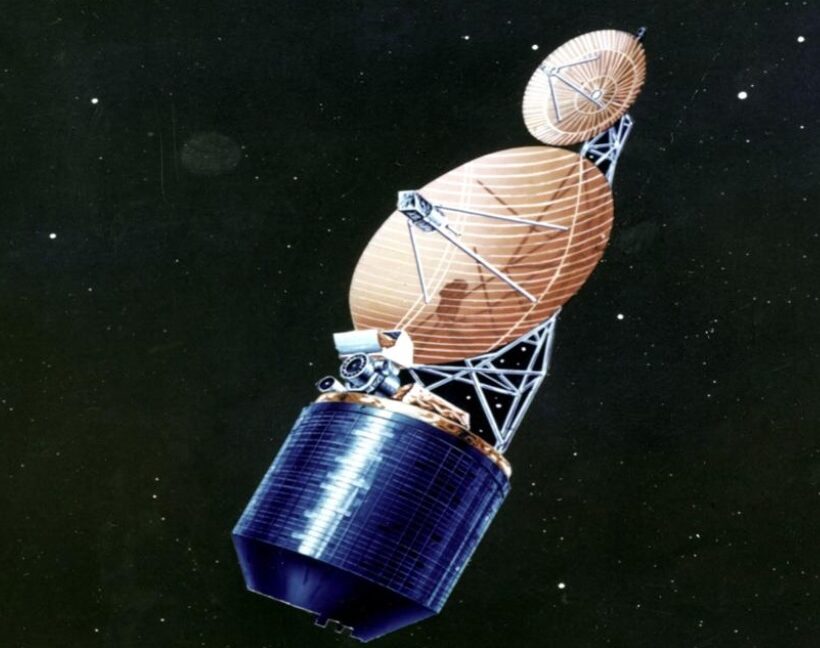
The National Reconnaissance Office, the agency overseeing the US government's fleet of spy satellites, has declassified a decades-old program used to eavesdrop on the Soviet Union's military communication signals.

The program was codenamed Jumpseat, and its existence was already public knowledge through leaks and contemporary media reports. What's new is the NRO's description of the program's purpose and development and pictures of the satellites themselves.

In a statement, the NRO called Jumpseat "the United States’ first-generation, highly elliptical orbit (HEO) signals-collection satellite."

Read full article

Comments

Β© National Reconnaissance Office

  •  

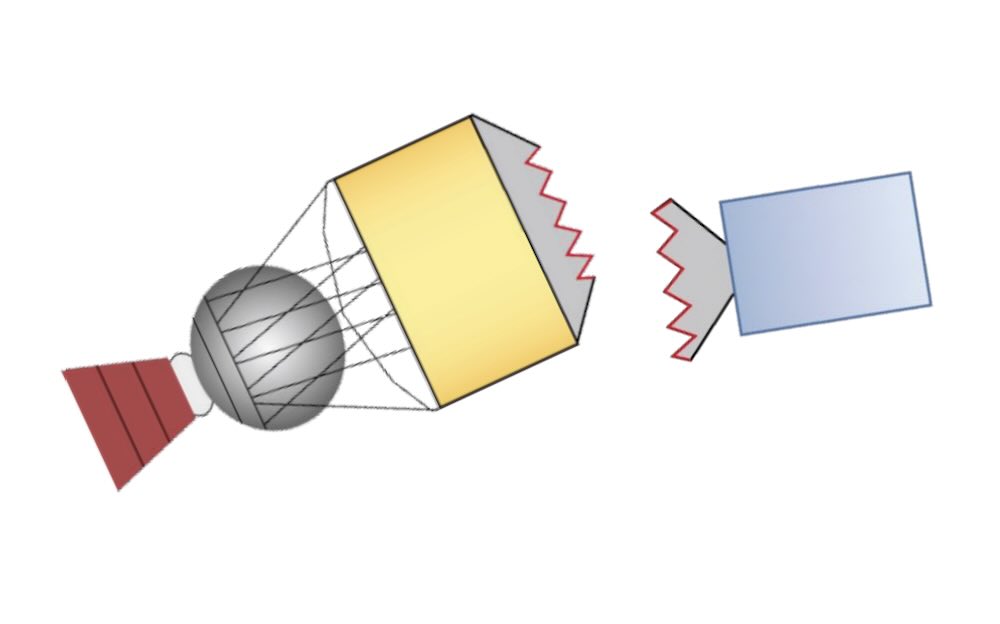
Japan lost a 5-ton navigation satellite when it fell off a rocket during launch

If you're in the space business long enough, you learn there are numerous ways a rocket can fail. I've written my share of stories about misbehaving rockets and the extensive investigations that usuallyβ€”but not alwaysβ€”reveal what went wrong.

But I never expected to write this story. Maybe this was a failure of my own imagination. I'm used to writing about engine malfunctions, staging issues, guidance glitches, or structural failures. Last April, Ars reported on the bizarre failure of Firefly Aerospace's commercial Alpha rocket.

Japan's H3 rocket found a new way to fail last month, apparently eluding the imaginations of its own designers and engineers.

Read full article

Comments

Β© JAXA

  •