❌

Reading view

Learn this from Bezos and the Washington Post: with hypercapitalists in charge, your news is not safe | Jane Martinson

His shameful stewardship of a once great title highlights how much we lose when private interest eclipses the public good

Not long after being made Time magazine’s Person of the Year in 1999, Jeff Bezos told me: β€œThey were not choosing me as much as they were choosing the internet, and me as a symbol.” A quarter of an increasingly dark century later, the Amazon founder is now a symbol of something else: how the ultra-rich can kill the news.

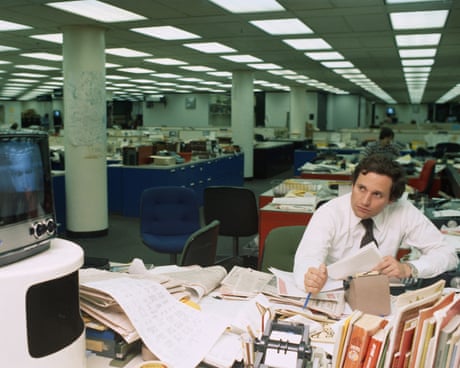
Job cuts in an industry that has struggled financially since the internet came into existence and killed its business model is hardly new, but last week’s brutal cull of hundreds of journalists at the Bezos-owned Washington Post marks a new low. The redundancies that were announced to staff on a video call, the axing of half its foreign bureau (including the war reporter in Ukraine) – not since P&O Ferries have layoffs been handled so badly. Former Post stalwart Paul Farhi described a decision that affected nearly half of the 790-strong workforce as β€œthe biggest one-day wipeout of journalists in a generation”.

Continue reading...
Β© Photograph: Wally McNamee/Corbis/Getty Images
Β© Photograph: Wally McNamee/Corbis/Getty Images
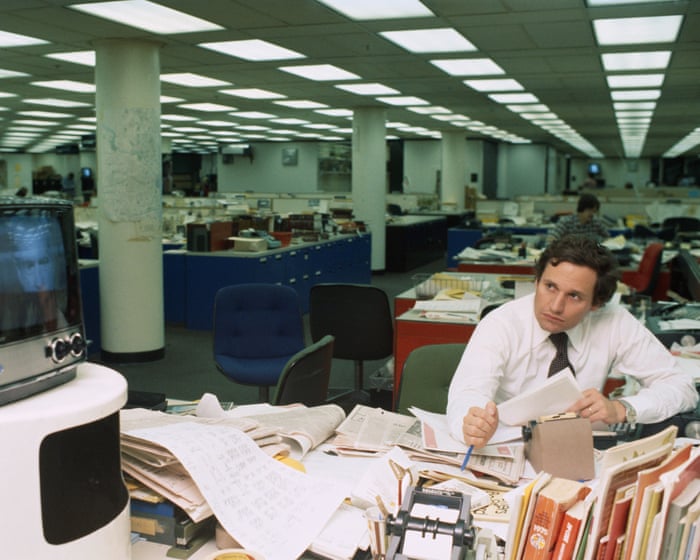
Β© Photograph: Wally McNamee/Corbis/Getty Images

  •  

β€˜Something Big Is Happening’ + A.I. Rocks the Romance Novel Industry + One Good Thing

β€œI do think we are reaching an inflection point in people’s feelings and senses about A.I. and where it’s going.”

Β© Photo Illustration by The New York Times; Photo: Getty Images

  •  

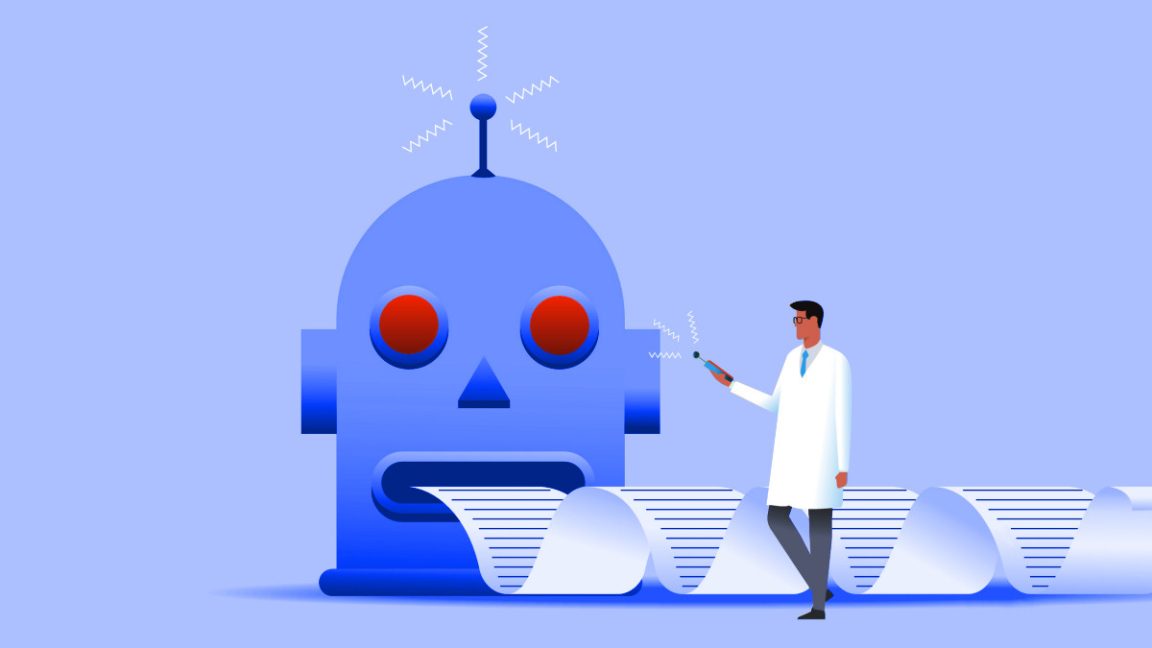
New OpenAI tool renews fears that β€œAI slop” will overwhelm scientific research

On Tuesday, OpenAI released a free AI-powered workspace for scientists. It's called Prism, and it has drawn immediate skepticism from researchers who fear the tool will accelerate the already overwhelming flood of low-quality papers into scientific journals. The launch coincides with growing alarm among publishers about what many are calling "AI slop" in academic publishing.

To be clear, Prism is a writing and formatting tool, not a system for conducting research itself, though OpenAI's broader pitch blurs that line.

Prism integrates OpenAI's GPT-5.2 model into a LaTeX-based text editor (a standard used for typesetting documents), allowing researchers to draft papers, generate citations, create diagrams from whiteboard sketches, and collaborate with co-authors in real time. The tool is free for anyone with a ChatGPT account.

Read full article

Comments

Β© Moor Studio via Getty Images

  •  

Inside the Traffic Apocalypse

"It all amounts to a kind of traffic apocalypse in which it seems all spigots for traffic are being turned off, affecting news organizations big and small, new and old. ... The whole premise of internet publishing β€” that you could reach audiences far and wide β€” is starting to crumble, forcing publishers to reevaluate what kind of stories they produce and what kind of readers they want β€” and, ultimately, to think smaller and more bespoke."

Not everyone is so excited. "I've never seen so much disarray in a strategic capacity in terms of where we're all pointing the boat. No one is in alignment," said one top magazine editor. "Right now you're seeing literally every strategy going to market." If there is consensus, it's around having a diversified strategy that avoids being reliant on any third-party platform to reach an audience. But "that's hard to do if you're a startup brand and don't have 20 years of consumer memory of who you are," said Keith Bonnici, who became COO of The Daily Beast last fall. It's even a challenge for the legacy organizations with the most recognizable brands. "Frankly, some of the stuff that we're doing right now β€” and we have been doing over the last year or so β€” around establishing a direct relationship, about building in tools that help our journalism reach more people without relying on platforms β€” we should have been doing years ago," said a senior New York Times editor. "But it was sort of like we weren't forced to really contend with it."
  •