❌

Reading view

SpaceX takes down Dragon crew arm, giving Starship a leg up in Florida

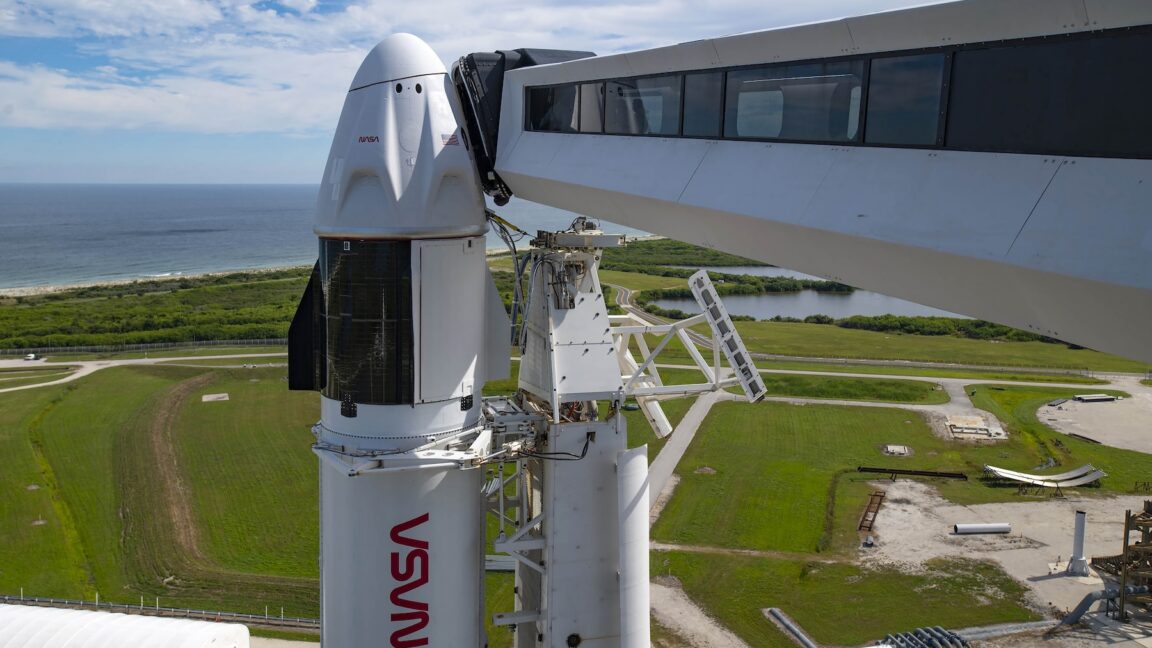
Launch Complex 39A at NASA's Kennedy Space Center in Florida is accustomed to getting makeovers. It got another one Wednesday with the removal of the Crew Access Arm used by astronauts to board their rides to space.

Construction workers first carved the footprint for the launch pad from the Florida wetlands more than 60 years ago. NASA used the site to launch Saturn V rockets dispatching astronauts to the Moon, then converted the pad for the Space Shuttle program. The last shuttle flight lifted off from Pad 39A in 2011, and the agency leased the site to SpaceX for use as the departure point for the company's Falcon 9 and Falcon Heavy rockets.

SpaceX started launching from Pad 39A in 2017, then installed a new Crew Access Arm on the pad's tower the following year, replacing the aging shuttle-era arm that connected to the hatches of NASA's orbiters. SpaceX added the new arm ahead of the first test flight of the company's human-rated Crew Dragon spacecraft in 2019. Astronauts started using the pathway, suspended more than 200 feet above the pad surface, beginning with the first crew flight on a Dragon spacecraft in 2020.
Read full article

Comments

Β© SpaceX

  •  

China showcases new Moon ship and reusable rocket in one extraordinary test

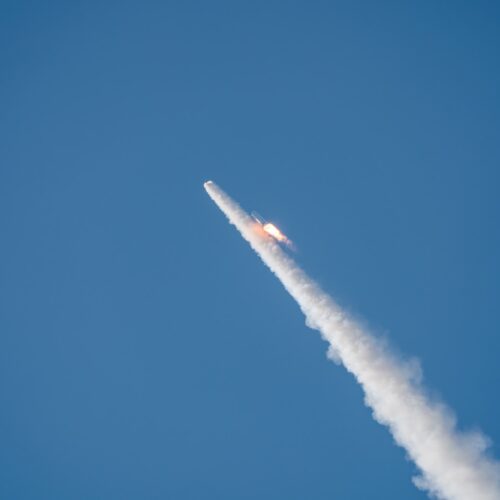
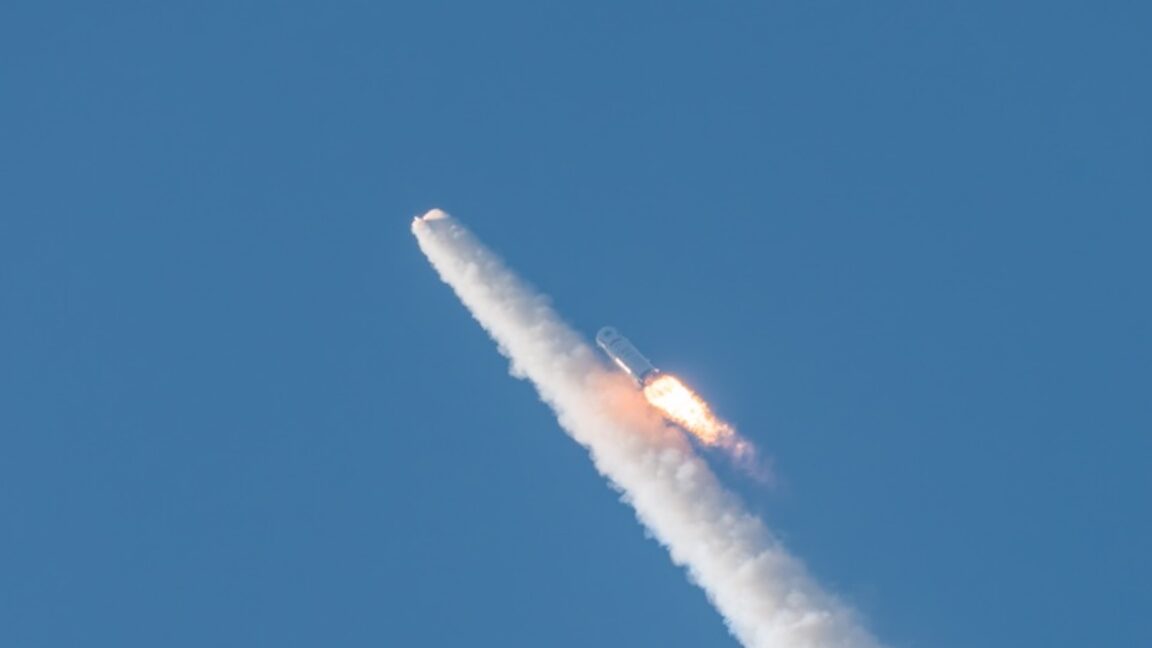
China's space program, striving to land astronauts on the Moon by 2030, carried out a test flight of a new reusable booster and crew capsule late Tuesday (US time), and the results were spectacular.

The demonstration "marks a significant breakthrough in the development of [China's] manned lunar exploration program," the China Manned Space Agency (CMSA) said in a statement. China and the United States are racing to accomplish the next human landing on the Moon in a competition for national prestige and lunar resources. The Long March 10 rocket and Mengzhou spacecraft, both tested Tuesday, are core elements of China's lunar architecture.

The launch of a subscale version of the Long March 10 rocket, still in development, provided engineers with an opportunity to verify the performance of an important part of the new Mengzhou capsule's safety system. The test began with liftoff of the Long March 10 booster from a new launch pad at Wenchang Space Launch Site on Hainan Island, China's southernmost province, at 10 pm EST Tuesday (03:00 UTC or 11 am Beijing time Wednesday).

Read full article

Comments

Β© VCG/VCG via Getty Images

  •  

Lawmakers ask what it would take to "store" the International Space Station

Members of the House Science, Space, and Technology Committee voted to approve a NASA authorization bill this week, advancing legislation chock full of policy guidelines meant to give lawmakers a voice in the space agency's strategic direction.

The committee met to "mark up" the NASA Reauthorization Act of 2026, adding more than 40 amendments to the bill before a unanimous vote to refer the legislation to the full House of Representatives. Wednesday's committee vote was just one of several steps needed for the bill to become law. It must pass a vote on the House floor, win approval from the Senate, and then go to the White House for President Donald Trump's signature.

Ars has reported on one of the amendments, which would authorize NASA to take steps toward a "commercial" deep space program using privately owned rockets and spacecraft rather than vehicles owned by the government.

Read full article

Comments

Β© NASA/Joel Kowsky

  •  

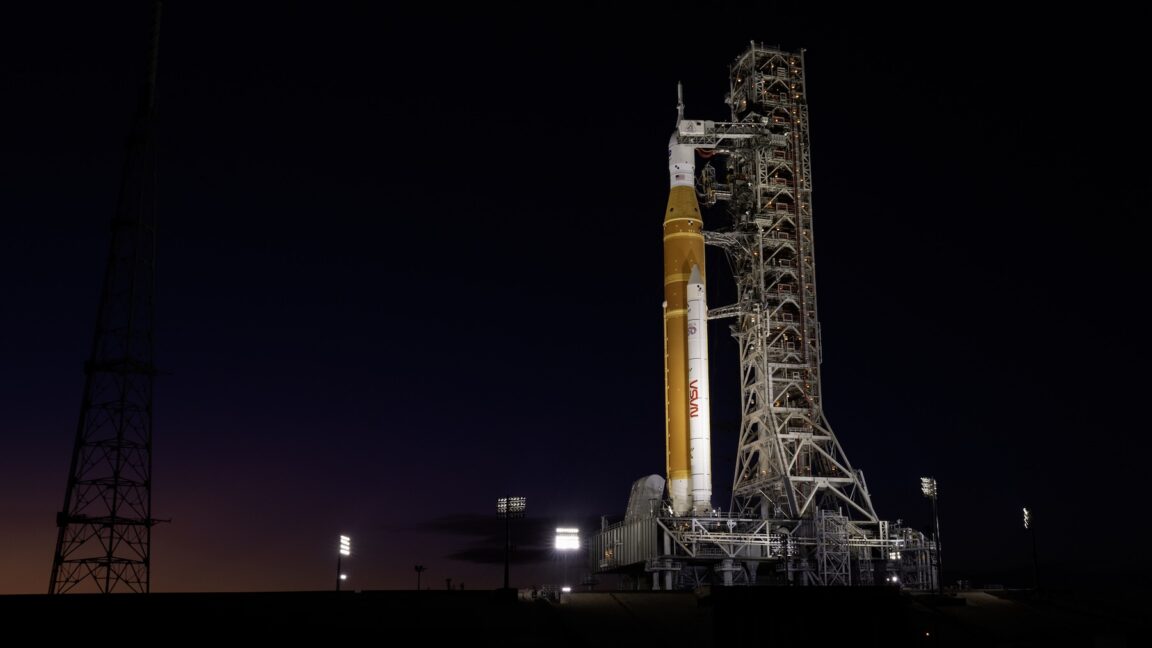
Unable to tame hydrogen leaks, NASA delays launch of Artemis II until March

The launch of NASA's Artemis II mission, the first flight of astronauts to the Moon in more than 53 years, will have to wait another month after a fueling test Monday uncovered hydrogen leaks in the connection between the rocket and its launch platform at Kennedy Space Center in Florida.

"Engineers pushed through several challengesβ€―during the two-day test and met many of the planned objectives," NASA said in a statement following the conclusion of the mock countdown, or wet dress rehearsal (WDR), early Tuesday morning. "To allow teams to review data and conduct a second Wet Dress Rehearsal, NASA now will target March as the earliest possible launch opportunity for the flight test."

The practice countdown was designed to identify problems and provide NASA an opportunity to fix them before launch. Most importantly, the test revealed NASA still has not fully resolved recurring hydrogen leaks that delayed the launch of the unpiloted Artemis I test flight by several months in 2022. Artemis I finally launched successfully after engineers revised their hydrogen loading procedures to overcome the leak.

Read full article

Comments

Β© NASA/Jim Ross

  •  

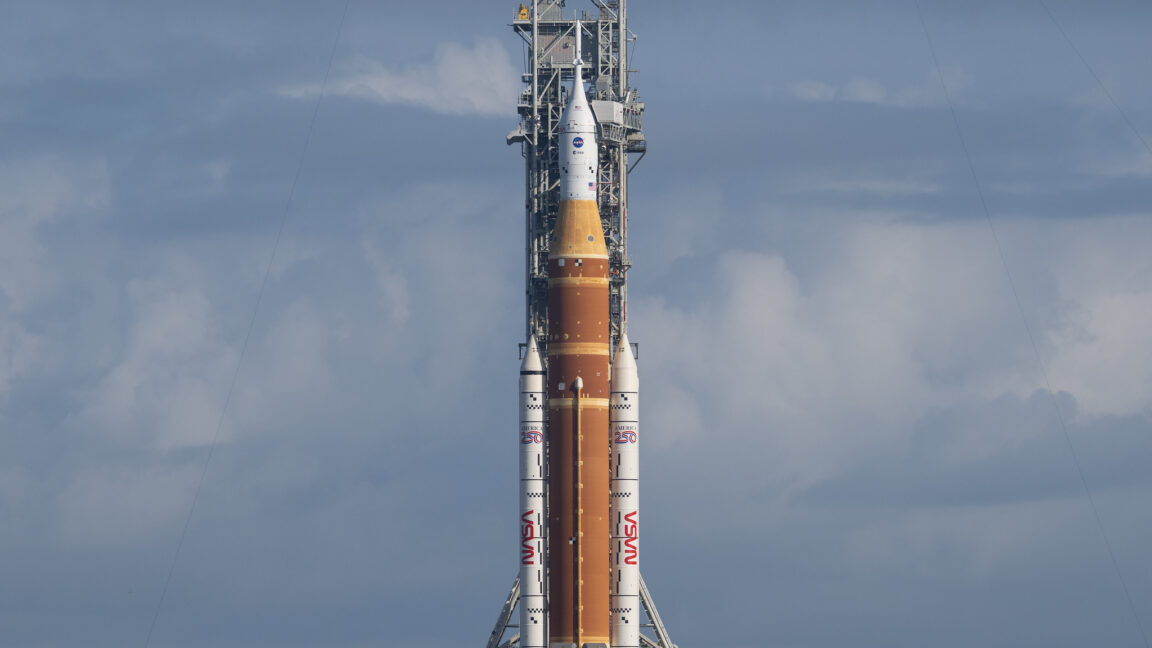
NASA gears up for one more key test before launching Artemis II to the Moon

If all goes according to plan Monday, NASA's launch team at Kennedy Space Center in Florida will load more than 700,000 gallons of super-cold propellants into the rocket built to send the Artemis II mission toward the Moon.

The fuel loading is part of a simulated countdown for the Space Launch System rocket, a final opportunity for engineers to rehearse for the day NASA will send four astronauts on a nearly 10-day voyage around the far side of the Moon and back to Earth. The Artemis II mission will send humans farther from Earth than ever before. The astronauts will be the first to launch on NASA's SLS rocket and the first people to travel to the vicinity of the Moon in more than 53 years.

Charlie Blackwell-Thompson, NASA's launch director for the Artemis II mission, will supervise the practice countdown from a firing room inside the Launch Control Center a few miles away from the SLS rocket at Kennedy Space Center. In a recent briefing with reporters, she called the Wet Dress Rehearsalβ€”"wet" refers to the loading of liquid propellantsβ€”the "best risk reduction test" for verifying all is ready to proceed into the real countdown.

Read full article

Comments

Β© NASA/Joel Kowsky

  •