Reading view

What if riders don't close a robotaxi door after a ride? Try DoorDash.

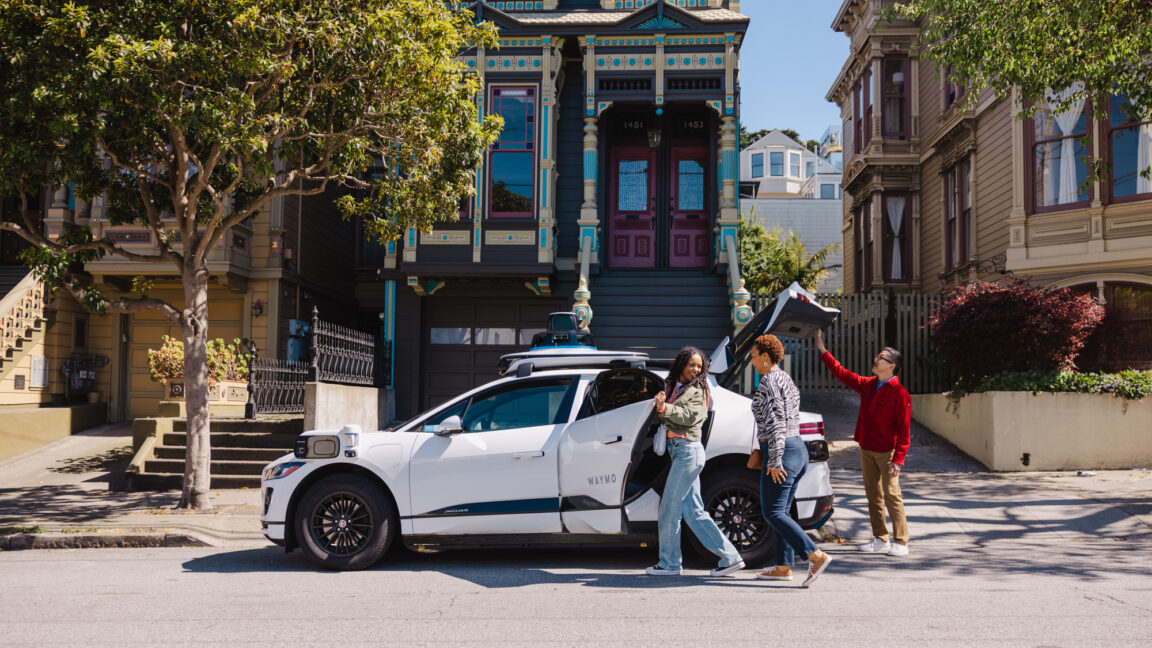
Autonomous vehicles have a lot of potential. As long as you program them right, they won't speed, won't break traffic laws, and won't get drunk, high, abusive, or violent. And the technology has been getting much more capable, even as some of the hype has died down, taking some of the related companies with it. Waymo still easily leads the field and is already operating commercially in six cities across America, with a dozen more (plus London) coming soon. Waymos can even drop you off and pick you up at the airport in Phoenix and San Francisco.

Soon, Waymo will begin deploying its sixth-generation Waymo Driver, using upfitted Zeekr Ojai minivans, adding to the Jaguar I-Paces that have become so common on San Francisco streets and to its fleet of Hyundai Ioniq 5 electric vehicles. It has upgraded the cameras, lidar, and radar, meaning the cars can better sense their environments at night and in inclement weather. There are even microphones that can pick up sounds like sirens to better inform the robotaxi of the direction the emergency vehicle(s) are coming from.

But even with all these advances since the pod-like two-seater that predates even the Waymo name, there are still a few things that remain beyond a robotaxi's capabilities. Like closing a door a passenger left open on their way out. All the sophisticated sensors and high-powered computer processing in the world are useless if the car can't move until the door closes and there's no one there to give it a hand.
Read full article

Comments

© Waymo

  •  

2026 Nissan Leaf review: The best budget EV on sale right now

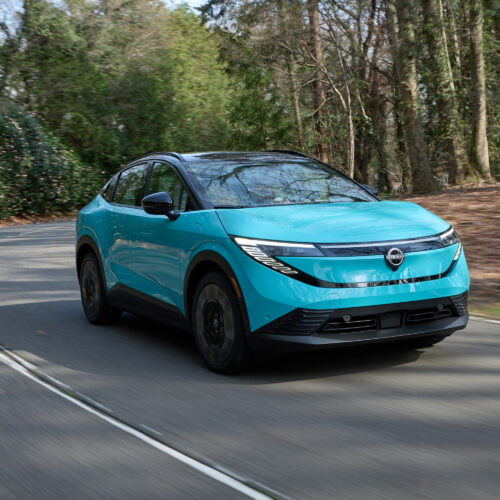
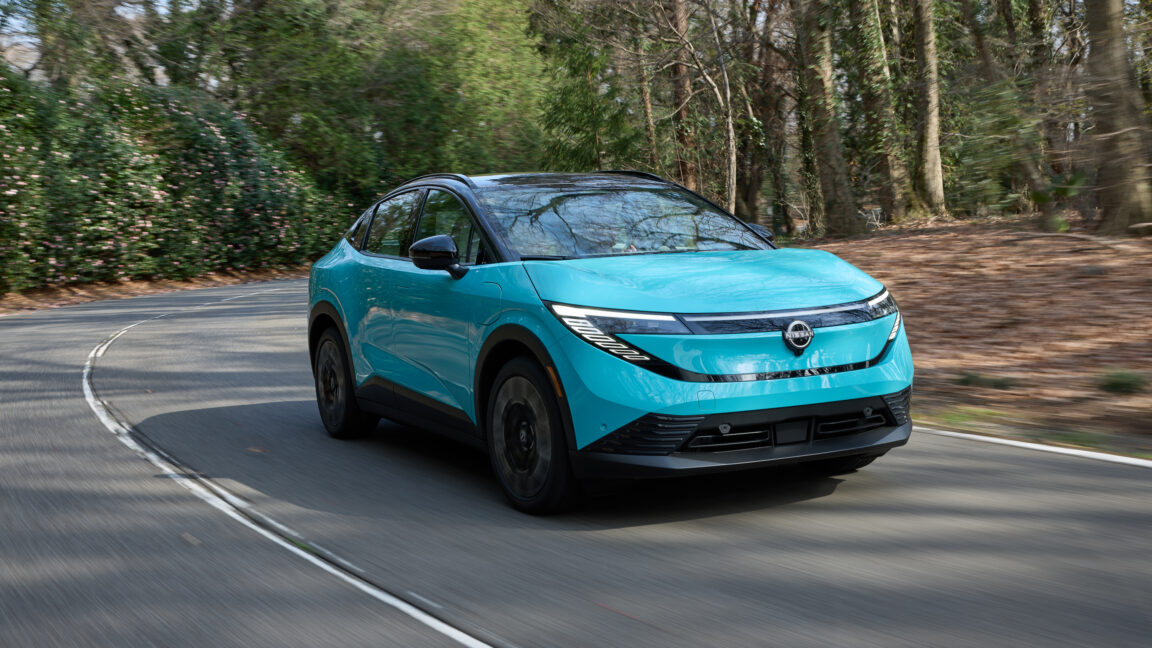
Years before the Chevrolet Bolt or Tesla Model 3, the Nissan Leaf was a good-faith attempt by a major automaker to bring electric vehicles to the mass market. But even in its second-generation, the Leaf was hamstrung by poor battery management and was soon left behind. For its third take on the Leaf, Nissan fixed the earlier cars' key flaw by adding liquid-cooling for the battery pack. Better yet, the new Leaf is built on a dedicated EV platform that offers better interior space and range efficiency than the hatchback it replaces, despite taking up less road space.

Our first drive of the car took place last year in San Diego, a region where the roads tend to flatter a car. Our first impression was positive enough to place the Leaf first among the cars we drove in 2025. Sure, if money were no object, I'd take that hybrid Porsche 911 that came in second, but you could buy five fully loaded Leafs for the same price as a bare-bones Carrera GTS. And for those of us in the real world, money usually is an object. But a longer test with the Leaf was in order to see how the electric Nissan held up in the day-to-day grind.

Price and specs

In time, Nissan will offer an entry-level Leaf with a 52 kWh battery pack and a bit less power. For now, though, the company is only importing cars with a 75 kWh (usable) pack and a 214 hp (160 kW), 262 lb-ft (355 Nm) electric motor, which drives the front wheels. Nissan has managed to keep the price sensible, too; the S+ trim starts at $29,990. Riding on the smallest 18-inch wheels, the S+ has the longest range at 303 miles (488 km), but this version does without some of the features many EV drivers may consider essential, like heated front seats and a heat pump.

Read full article

Comments

© Nissan

  •  

America, it's time to think beyond leather for luxury car seats

A long time ago, in (I believe) an issue of Car Magazine from the mid-1990s, the designer Gordon Murray shared his thoughts about a possible four-door follow-up to the McLaren F1.

Road cars weren't really his thing. Until then, his career had been focused on Formula 1 car design, and he brought that sport's obsession with weight savings with him. Were he to design a sedan, he'd trim the interior with textile, not leather. After all, wool made fine suits and coats, Murray reasoned, and it would save weight.

A four-door McLaren never happened during his tenure, nor has one appeared since. Murray now runs his own boutique hypercar company, which also builds no sedans. But the idea that high-end cars could use something other than leather has stuck with me, especially after driving BMW's i7, which  debuted in 2022 with a premium cashmere wool interior. More recently, new EVs have experimented with interesting textile alternatives to leather. Two good examples are the BMW iX3 and the Audi A6, though neither can be ordered with these textile options in the US.

Read full article

Comments

© Getty Images

  •  

Ive and Newson bring old-school charm to Ferrari's first EV interior

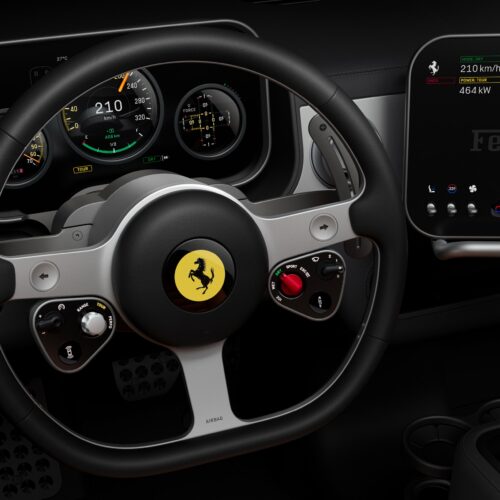
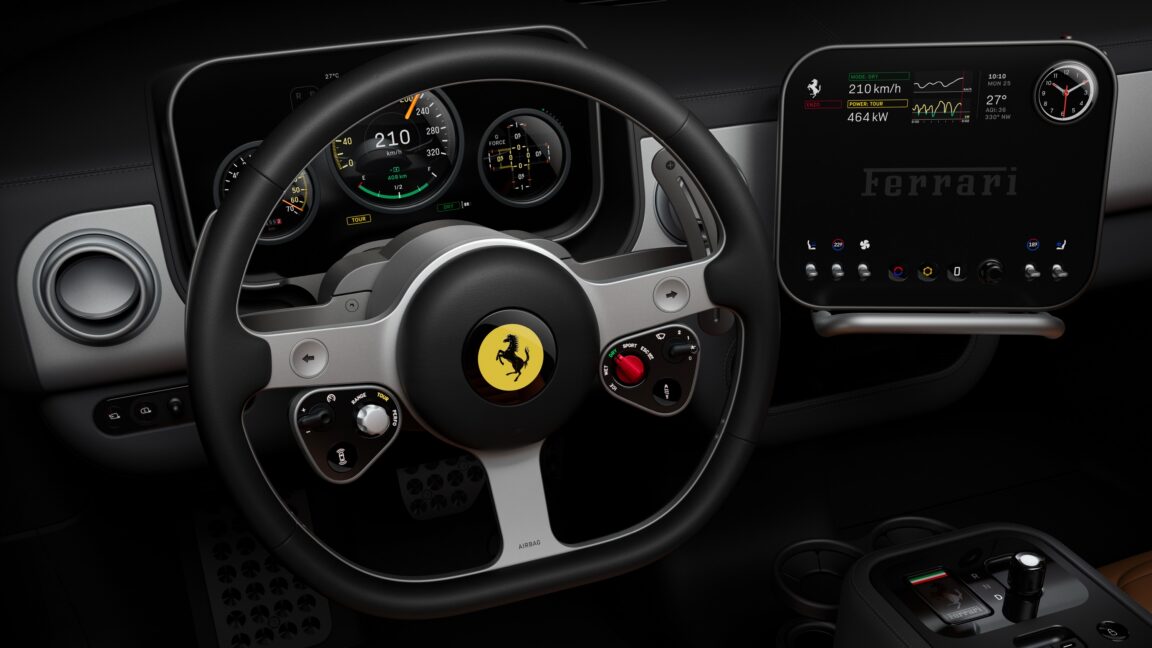
Ferrari has published images of the interior of its forthcoming electric vehicle, which it designed with LoveFrom, the new firm of former Apple star Jony Ive and another legendary designer, Marc Newson. The Italian sports and racing car maker is taking a careful approach to revealing details about its first battery EV, signaling a depth of thought that goes well beyond simply swapping a V12, transmission, and fuel tank out for batteries and electric motors. Indeed, the interior of the new car—called the Ferrari Luce—bears little family resemblance to any recent Ferrari.

Instead, LoveFrom appears to have channeled Ferrari interiors from the 1950s, '60s, and '70s, with a retro simplicity that combines clear round gauges with brushed aluminum. Forget the capacitive panels that so frustrated me in the Ferrari 296—here, there are physical buttons and rocker switches that seem free of the crash protection surrounds that Mini was forced to use.

The steering wheel now resembles the iconic "Nardi" wheel that has graced so many older Ferraris. But here, the horn buttons have been integrated into the spokes, and multifunction pods hang off the horizontal spokes, allowing Ferrari to keep its "hands on the wheel" approach to ergonomics. Made from entirely CNC-milled recycled aluminum, the Luce's wheel weighs 400 g less than Ferrari's usual steering wheel.

Read full article

Comments

© Ferrari

  •  

Stellantis swallows $26 billion costs as it rethinks its EV strategy

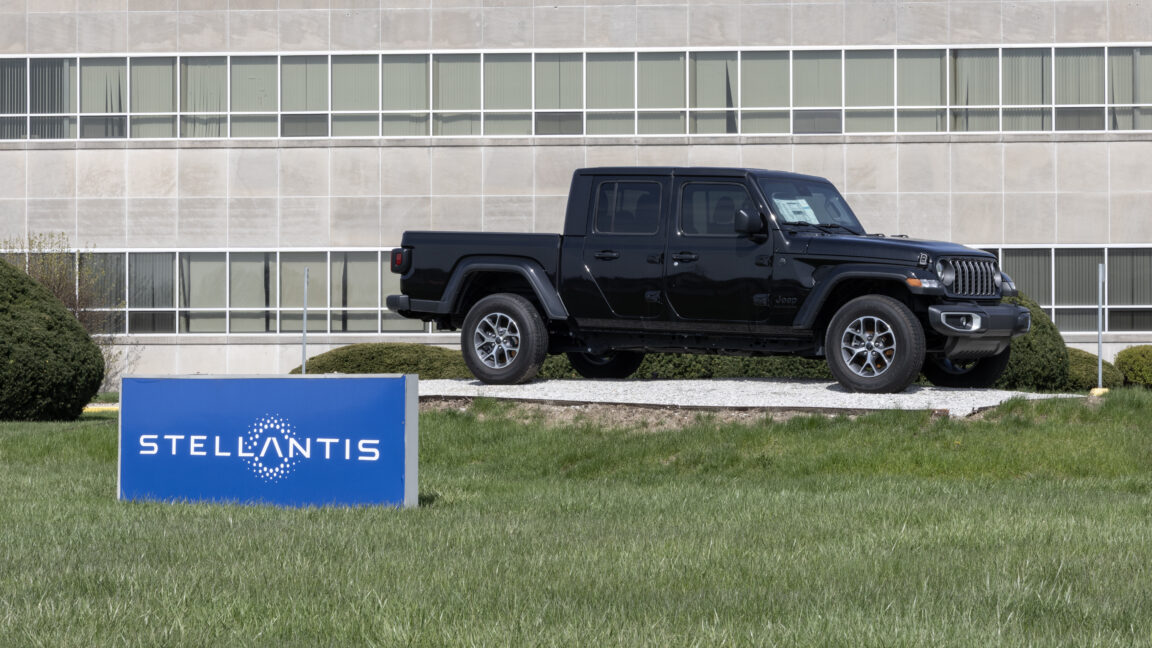
The automotive industry's big bet on a rapid adoption of electric vehicles—at least here in the United States—continues to unwind. Today, Stellantis, which owns brands like Jeep and Dodge, as well as Fiat, Peugeot, and others, announced that it has "reset" its business to adapt to reality, which comes with a rather painful $26.2 billion (22.2 billion euro) write-down.

It wasn't that long ago that everyone was more bullish on electrification. Even the US had relatively ambitious plans to boost EV adoption into the next decade, including a big commitment to charging infrastructure. Ten new battery factories were announced, and the future looked bright.

Not everyone agreed. Some automakers, having been left behind by the push toward battery EVs and away from simple hybrids that offered little in the way of true decarbonization, lobbied hard to relax fuel efficiency standards. Car dealers, uncomfortable with the prospect of investing in and learning about new technology, did so, too. When the Republican Party won the 2024 election, the revanchists got their wish.

Read full article

Comments

© Getty Images

  •  

Tesla slipped behind VW in European EV sales last year

Electric vehicle enthusiasts are probably right to feel a little disheartened about the state of the United States' transition to EVs. But they should take heart that our region is an outlier. The other side of the Atlantic still seems relatively positive about the whole idea, even as Europe's car market recovers more slowly from the pandemic than the rest of the world. Last year, overall vehicle sales in Europe barely ticked up, rising 2.2 percent from 2024. EV sales, meanwhile, increased by 29 percent, bringing market share to an impressive 19.5 percent.

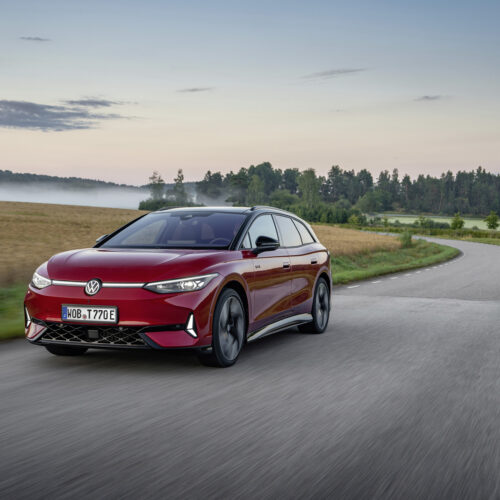
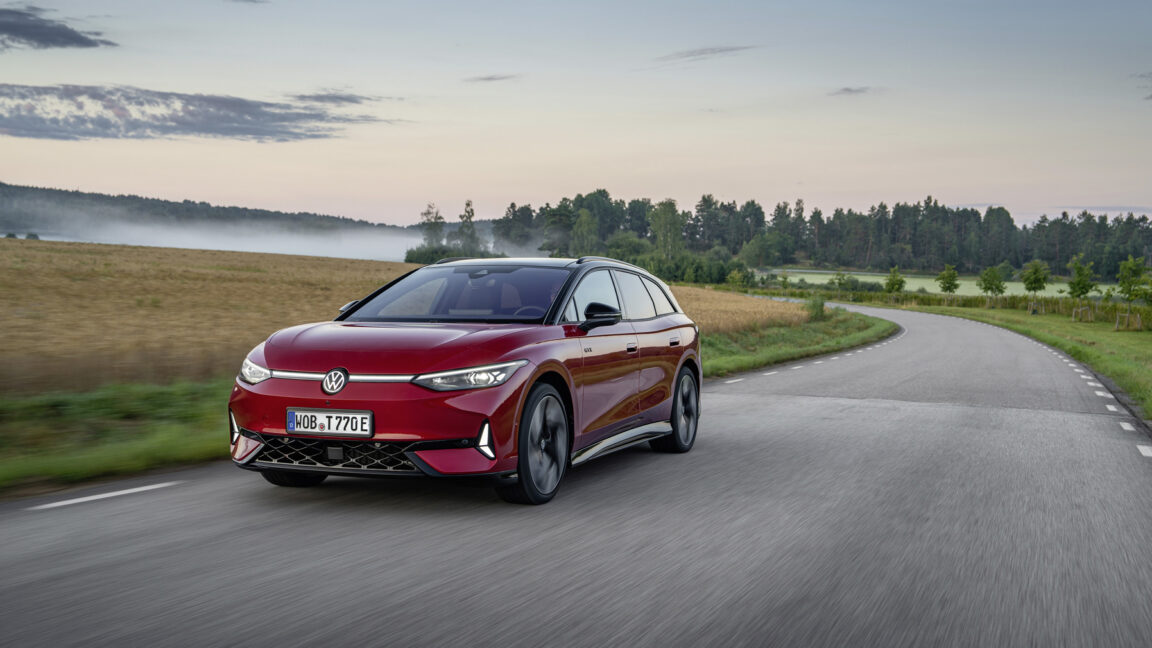
That's according to data from automotive analyst JATO Dynamics, which finds that the big winner has been Volkswagen. Last year, its EVs outsold those from Tesla for the first time as sales of VW's electric offering grew by 56 percent, while Tesla's shrank by 27 percent.

To put that into concrete numbers, VW sold 274,278 EVs to Tesla's 236,357. And that's just the VW brand itself—the automaker also owns Skoda (in 4th place, with 171,703 sales), Audi (5th place, 153,845 sales), Cupra (15th place, 79,269 sales), and Porsche (21st place, 32,715 sales). Not a bad effort, considering just over a decade has passed since VW's Dieselgate scandal.

Read full article

Comments

© Volkswagen

  •  

China bans all retractable car door handles, starting next year

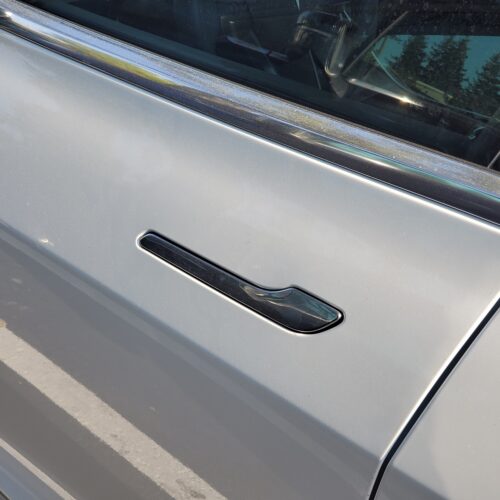
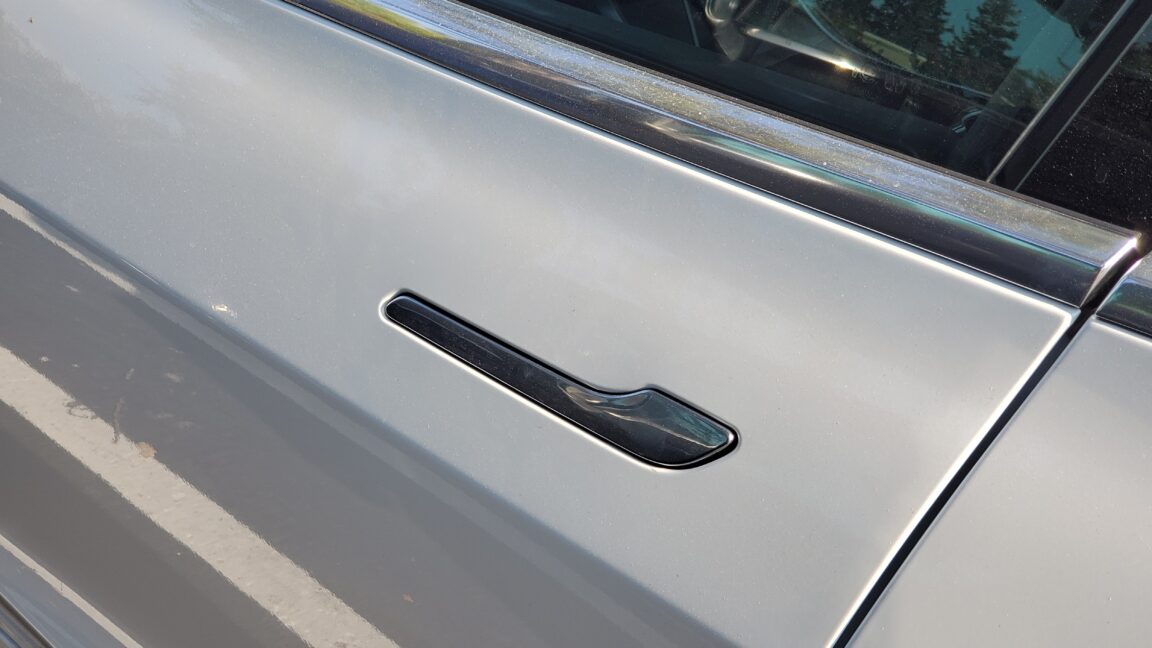
Flush door handles have been quite the automotive design trend of late. Stylists like them because they don't add visual noise to the side of a car. And aerodynamicists like them because they make a vehicle more slippery through the air. When Tesla designed its Model S, it needed a car that was both desirable and as efficient as possible, so flush door handles were a no-brainer. Since then, as electric vehicles have proliferated, so too have flush door handles. But as of next year, China says no.

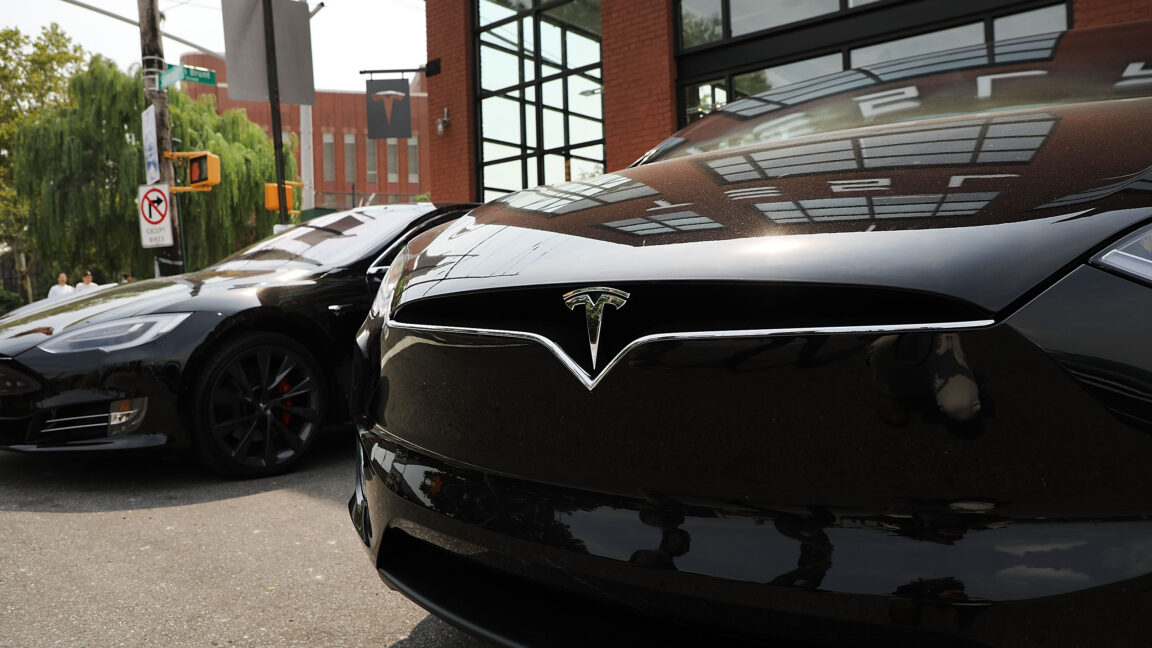
Just like pop-up headlights, despite the aesthetic and aerodynamic advantages, there are safety downsides. Tesla's handles are an extreme example: In the event of a crash and a loss of 12 V power, there is no way for first responders to open the door from the outside, which has resulted in at least 15 deaths.

Those deaths prompted the National Highway Traffic Safety Administration to open an investigation last year, but China is being a little more proactive. It has been looking at whether retractable car door handles are safe since mid-2024, according to Bloomberg, and has concluded that no, they are not.

Read full article

Comments

© Smith Collection/Gado/Getty Images

  •  

How far does $5,000 go when you want an electric car?

I've been thinking about used electric vehicles lately. It's not news that EVs depreciate faster than gasoline-powered cars. All the incentives like tax credits and OEM rebates that entice the first owner to sign the paperwork are factored in by whoever wants to be the second owner. There are widespread—if mostly ill-founded—worries about battery longevity and having to shell out for expensive replacement packs. Technology keeps improving, which means older models will date faster. Plus, there are the usual concerns about EVs, like charging infrastructure and winter performance.

So depreciate they do, and that's good news for the three-quarters of US car buyers who buy used vehicles. It means that some very expensive EVs can now be had for quite little, but we'll explore that more at a later date. Today, I want to focus on what you can get for peanuts. What if you wanted to only spend $5,000—or less—on an EV?

As it turns out, there are options even at this end of the market. Just don't expect that much in the way of range: We're still a while away from a $5,000 EV also being an EV a sane person would want to road trip. At the same time, most of us don't drive more than 40 miles a day, and EVs are great at sitting in traffic because there's no engine to idle. If you're not commuting long distances and don't live an hour from the nearest town, a cheap EV could make sense as a runabout. Especially as they're cheaper to run than a gas-powered car.

Read full article

Comments

© Aurich Lawson

  •  

Tesla kills Models S and X to build humanoid robots instead

Yesterday afternoon, following the end of trading on Wall Street for the day, Tesla published its financial results for 2025. They weren't particularly good: Profits were almost halved, and revenues declined year on year for the first time in the company's history. The reasons for the company's troubles are myriad. CEO Elon Musk's bankrolling of right-wing politics and promotion of AI-generated revenge porn deepfakes and CSAM has alienated plenty of potential customers. For those who either don't know or don't care about that stuff, there's still the problem of a tiny and aging model lineup, with large question marks over safety and reliability. Soon, that tiny lineup will be even smaller.

The news emerged during Tesla's call with investors last night. As Ars and others have observed, in recent years Musk appears to have grown bored with the prosaic business of running a profitable car company. Silicon Valley stopped finding that stuff sexy years ago, and no other electric vehicle startup has been able to generate a value within an order of magnitude of the amount that Tesla has been determined to be worth by investors.

Musk's attention first turned away from building and selling cars to the goal of autonomous driving, spurred on at the time by splashy headlines garnered by Google spinoff Waymo. Combined with ride-hailing—a huge IPO by Uber took the spotlight off Tesla long enough for it to become a new business focus for the automaker too—Musk told adoring fans and investors that soon their cars would become appreciating assets that earned money for them at night. And as an intermediary, Tesla would take a hefty cut for connecting the rider and the ridee.

Read full article

Comments

© Spencer Platt/Getty Images

  •  

Tesla: 2024 was bad, 2025 was worse as profit falls 46 percent

Tesla published its financial results for 2025 this afternoon. If 2024 was a bad year for the electric automaker, 2025 was far worse: For the first time in Tesla's history, revenues fell year over year.

A bad quarter

Earlier this month, Tesla revealed its sales and production numbers for the fourth quarter of 2025, with a 16 percent decline compared to Q4 2024. Now we know the cost of those lost sales: Automotive revenues fell by 11 percent to $17.7 billion.

Happily for Tesla, double-digit growth in its energy storage business ($3.8 billion, an increase of 25 percent) and services ($3.4 billion, an increase of 18 percent) made up some of the shortfall.

Read full article

Comments

© Sophia Scheller/NurPhoto via Getty Images

  •