Reading view

Why is Bezos trolling Musk on X with turtle pics? Because he has a new Moon plan.

The founder of Amazon, Jeff Bezos, does not often post on the social media site owned by his rival Elon Musk. But on Monday, Bezos did, sharing a black-and-white image of a turtle emerging from the shadows on X.

The photo, which included no text, may have stumped some observers. Yet for anyone familiar with Bezos' privately owned space company, Blue Origin, the message was clear. The company’s coat of arms prominently features two turtles, a reference to one of Aesop’s Fables, "The Tortoise and the Hare," in which the slow and steady tortoise wins the race over a quicker but overconfident hare.

Bezos' foray into social media turtle trolling came about 12 hours after Musk made major waves in the space community by announcing that SpaceX was pivoting toward the Moon, rather than Mars, as a near-term destination. It represented a huge shift in Musk's thinking, as the SpaceX founder has long spoken of building a multi-planetary civilization on Mars.


Read full article

Comments

© Jeff Bezos/X

  •  

Rocket Report: Say cheerio to Orbex; China is getting good at booster landings

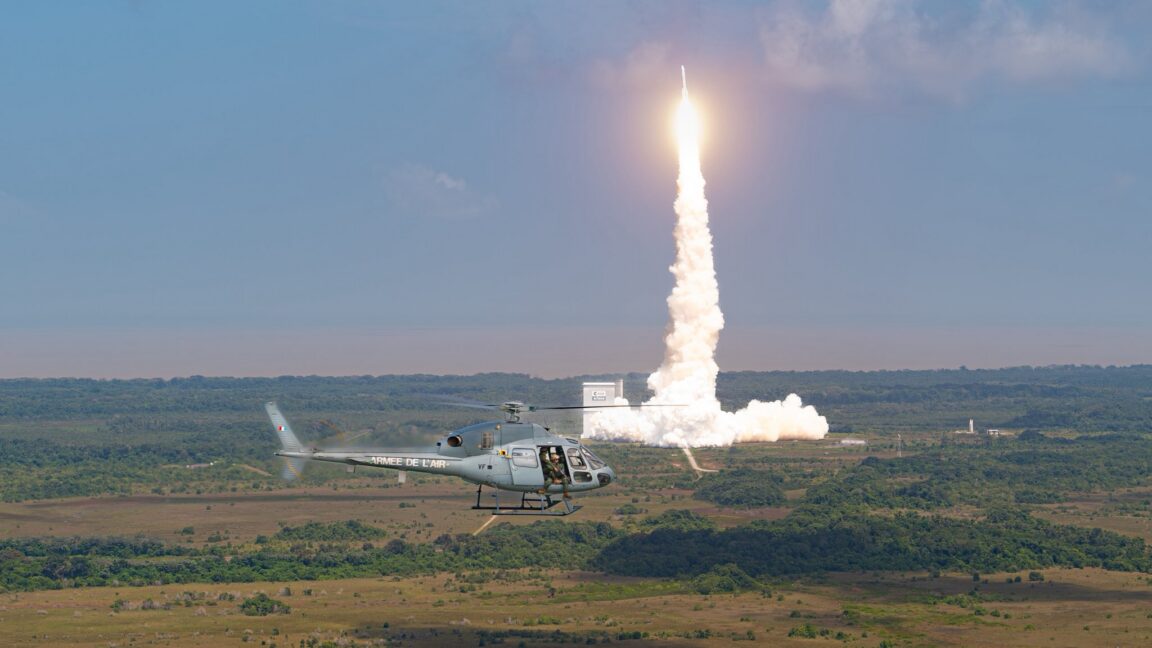
Welcome to Edition 8.29 of the Rocket Report! We have a stuffed report this week with news from across the launch spectrum. Long-term, probably the most significant development this week was a subscale version of the Long March 10 rocket successfully launching and then executing a picture-perfect ocean landing. China is catching up rapidly to the United States when it comes to reusable launch.

As always, we welcome reader submissions, and if you don't want to miss an issue, please subscribe using the box below (the form will not appear on AMP-enabled versions of the site). Each report will include information on small-, medium-, and heavy-lift rockets as well as a quick look ahead at the next three launches on the calendar.

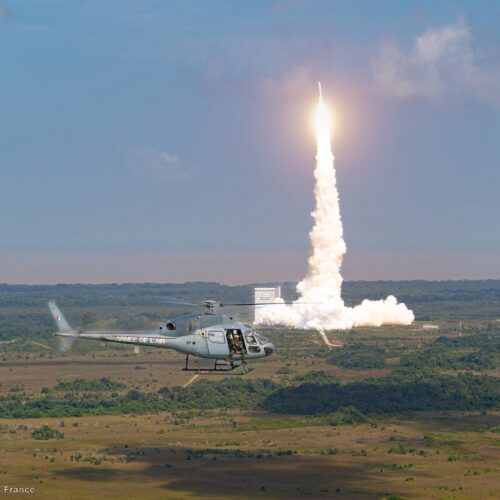
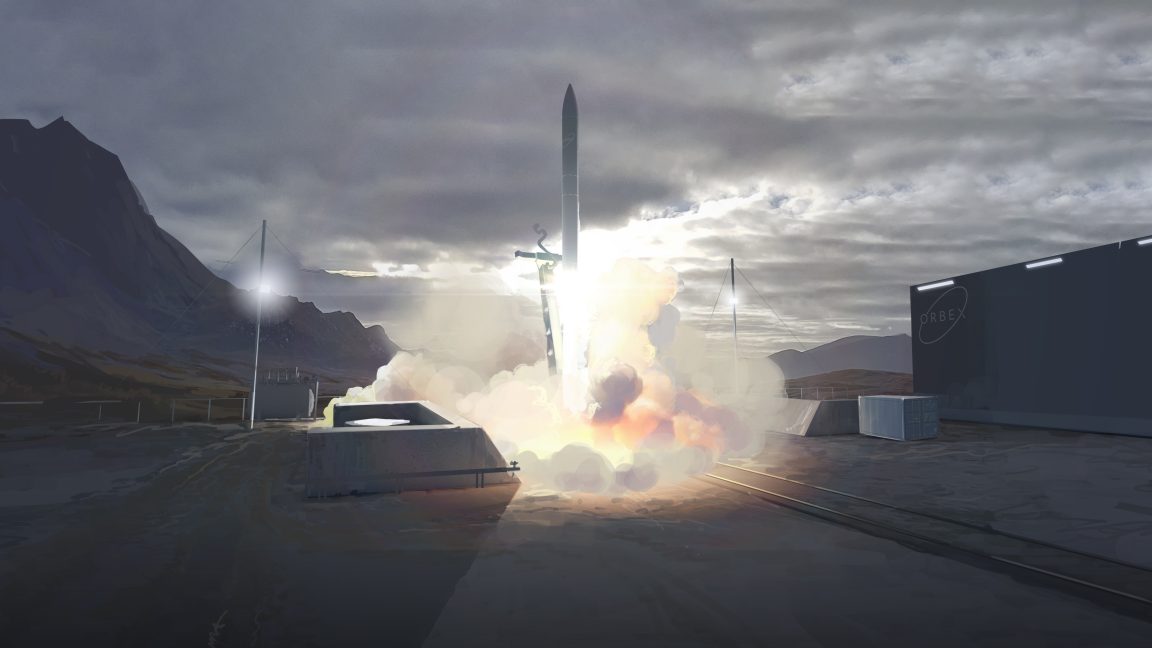
Orbex is going away. The UK-based launch company Orbex has entered insolvency proceedings after a planned takeover by European space logistics startup The Exploration Company fell through, European Spaceflight reports. In a statement, Orbex said the decision came after all "fundraising, merger and acquisition opportunities had all concluded unsuccessfully." For anyone paying attention, this decision should not come as a surprise. A decade into its existence, Orbex had yet to produce demonstrable, ready-for-flight hardware.

Read full article

Comments

© État-major des armées

  •  

El Paso airport closed after military used new anti-drone laser to zap party balloon

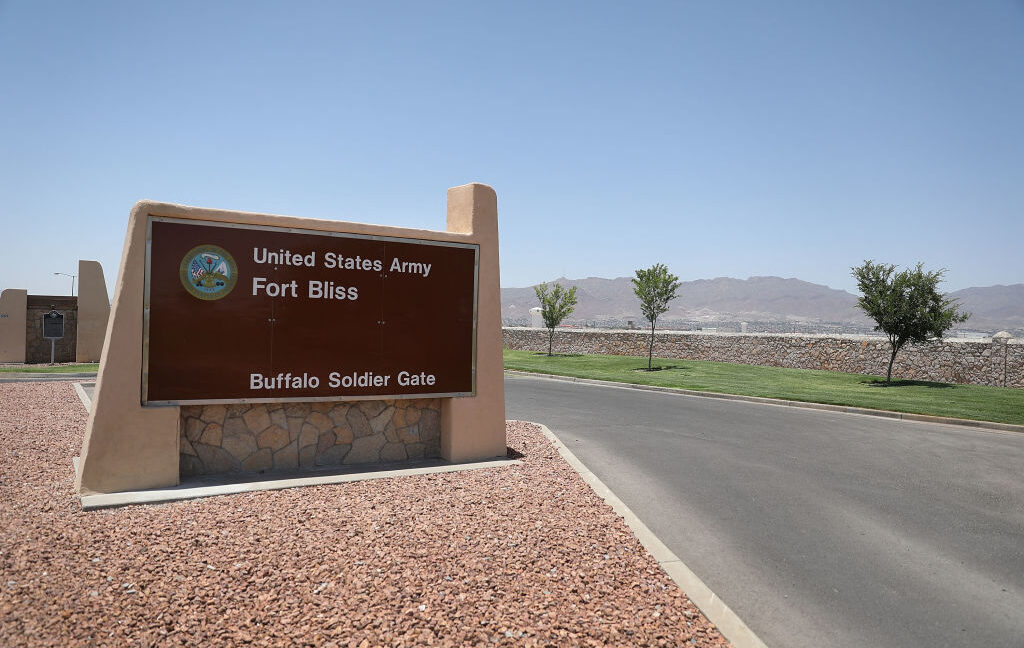
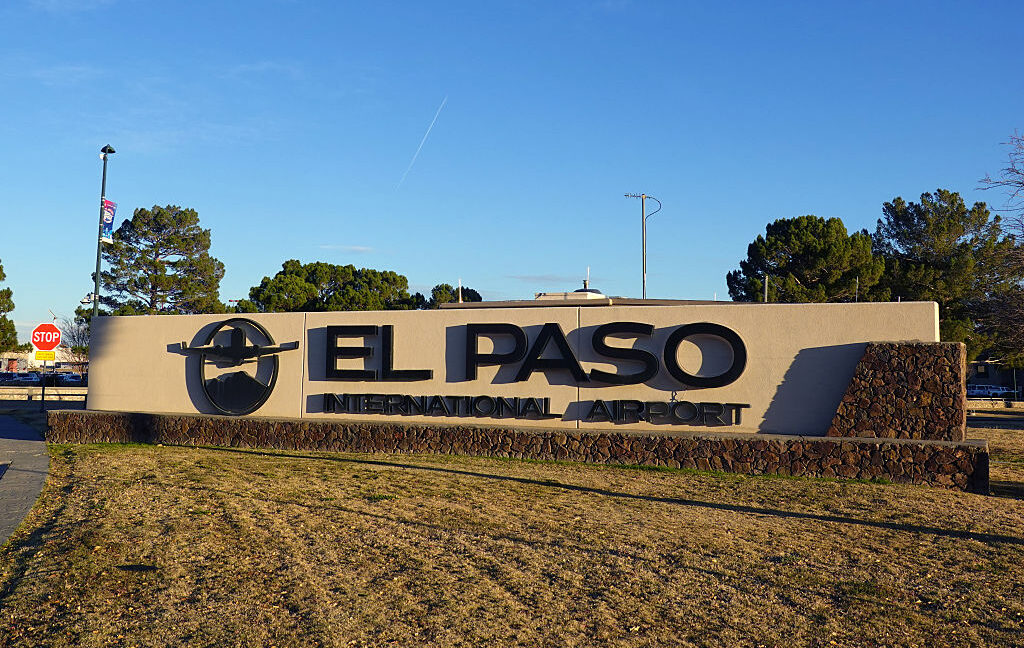
On Tuesday night, the Federal Aviation Administration closed airspace up to 18,000 feet above the El Paso International Airport in Texas, saying the restrictions would be in place for 10 days. Then, less than 10 hours later, the federal agency reopened the airspace, allowing planes to land and take off at the busy airport.

About an hour after lifting the restrictions, US Secretary of Transportation Sean Duffy, whose responsibilities include overseeing the FAA, explained the unexpected closure by saying, "The FAA and DOW acted swiftly to address a cartel drone incursion." (The Trump Administration refers to the Department of Defense as the Department of War, or DOW, although its legal name remains the former.)

Not everyone agrees with Duffy's account.

Read full article

Comments

© Joe Raedle/Getty Images

  •  

Yes, Rocket Lab is blowing up engines. No, it's not a big deal, CEO says.

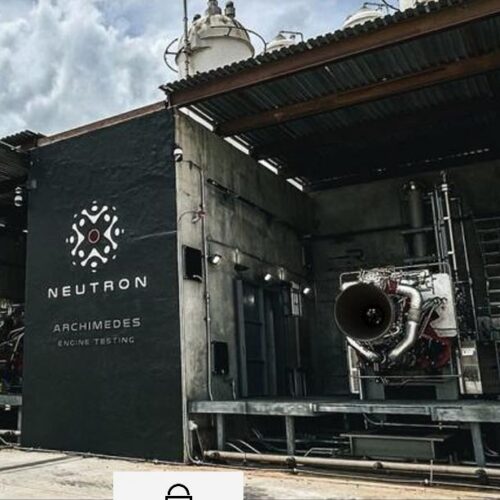
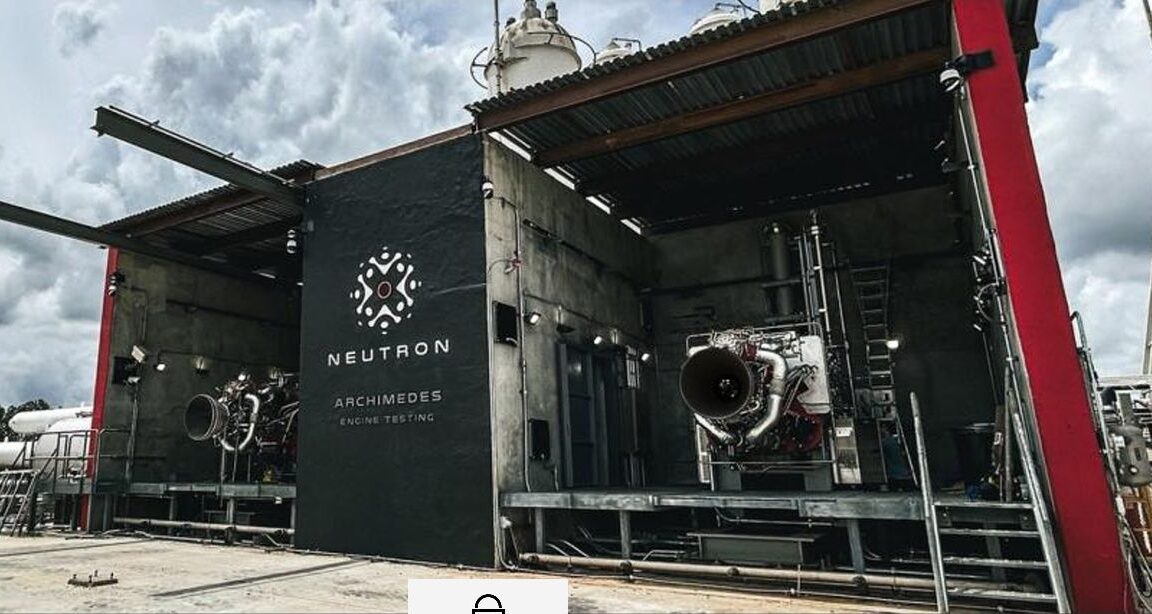
A little more than two months ago, a Rocket Lab employee called the Stennis Space Center Fire Department from the nearby A3 test stand. There was a grass fire where Archimedes engines undergo testing. Could they please send personnel over?

According to the fire station's November 30 dispatcher log, the employee said, "The fire started during a test when an anomaly caused an electrical box to catch fire."

Satellite imagery from before and after the anomaly appears to show that the roof had been blown off the left test cell, one of two at the test stand at the historic NASA facility in southern Mississippi. One person with knowledge of the anomaly said, "The characterization of this as an electrical fire doesn't reflect what actually occurred. This was a catastrophic engine explosion that resulted in significant infrastructure damage."

Read full article

Comments

© Rocket Lab

  •  

The Feds closed air space around El Paso on Wednesday to address "cartel" drones

The Federal Aviation Administration abruptly halted flights into and out of El Paso International Airport on Tuesday night at 11:30 pm local time (1:30 am EST Wednesday) and said the restrictions would remain in place for 10 days.

In its notice, the FAA also restricted air space extended in a radius of 10 nautical miles from the airport. Violators were subject to being shot down, the agency said.

However, less than 10 hours later and without any additional explanation, the FAA ended the restrictions. "The temporary closure of airspace over El Paso has been lifted," the federal agency said on social media. "There is no threat to commercial aviation. All flights will resume as normal."

Read full article

Comments

© Kirby Lee/Getty Images

  •  

Why would Elon Musk pivot from Mars to the Moon all of a sudden?

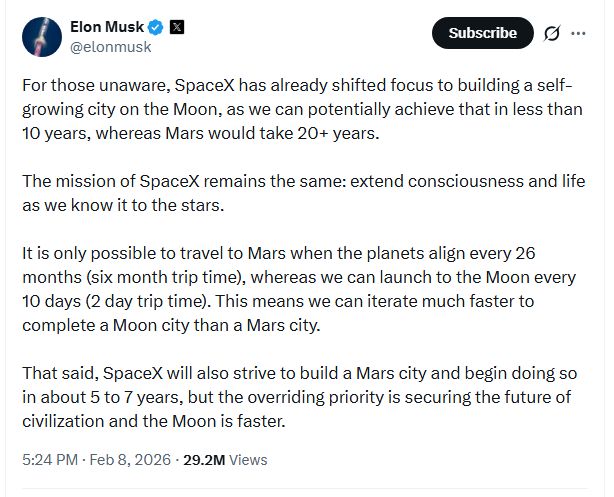
As more than 120 million people tuned in to the Super Bowl for kickoff on Sunday evening, SpaceX founder Elon Musk turned instead to his social network. There, he tapped out an extended message in which he revealed that SpaceX is pivoting from the settlement of Mars to building a "self-growing" city on the Moon.

"For those unaware, SpaceX has already shifted focus to building a self-growing city on the Moon, as we can potentially achieve that in less than 10 years, whereas Mars would take 20+ years," Musk wrote, in part.

Elon Musk tweet at 6:24 pm ET on Sunday. Credit: X/Elon Musk

This is simultaneously a jolting and practical decision coming from Musk.

Read full article

Comments

© Mark Felix/Bloomberg via Getty Images

  •  

To reuse or not reuse—the eternal debate of New Glenn's second stage reignites

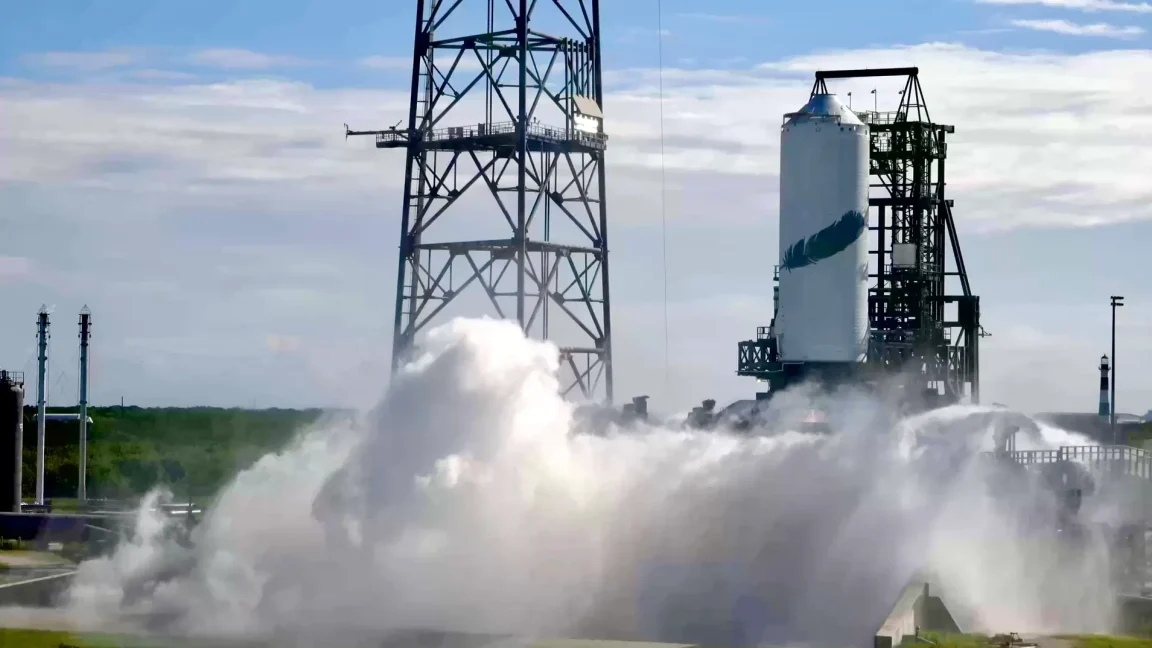
Engineers at Blue Origin have been grappling with a seemingly eternal debate that involves the New Glenn rocket and the economics of flying it.

The debate goes back at least 15 years, to the early discussions around the design of the heavy lift rocket. The first stage, of course, would be fully reusable. But what about the upper stage of New Glenn, powered by two large BE-3U engines?

Around the same time, in the early 2010s, SpaceX was also trading the economics of reusing the second stage of its Falcon 9 rocket. Eventually SpaceX founder Elon Musk abandoned his goal of a fully reusable Falcon 9, choosing instead to recover payload fairings and push down manufacturing costs of the upper stage as much as possible. This strategy worked, as SpaceX has lowered its internal launch costs of a Falcon 9, even with a new second stage, to about $15 million. The company is now focused on making the larger Starship rocket fully reusable.

Read full article

Comments

© Blue Origin

  •  

NASA changes its mind, will allow Artemis astronauts to take iPhones to the Moon

The iPhone is going orbital, and this time it will be allowed to hang around for a while.

On Wednesday night, NASA Administrator Jared Isaacman revealed that the Crew-12 and Artemis II astronauts will be allowed to bring iPhones and other modern smartphones into orbit and beyond.

"NASA astronauts will soon fly with the latest smartphones, beginning with Crew-12 and Artemis II," Isaacman wrote on X. "We are giving our crews the tools to capture special moments for their families and share inspiring images and video with the world."

Read full article

Comments

© Apple

  •  

US House takes first step toward creating "commercial" deep space program

A US House committee with oversight of NASA unanimously passed a "reauthorization" act for the space agency on Wednesday. The legislation must still be approved by the full House before being sent to the Senate, which may take up consideration later this month.

Congress passes such reauthorization bills every couple of years, providing the space agency with a general sense of the direction legislators want to see NASA go. They are distinct from appropriations bills, which provide actual funding for specific programs, but nonetheless play an important role in establishing space policy.

There weren't any huge surprises in the legislation, but there were some interesting amendments. Most notably among these was the Amendment No. 01, offered by the chair of the Committee on Science, Space, and Technology, Rep. Brian Babin (R-Texas), as well as its ranking member, Zoe Lofgren (D-Calif.), and three other legislators.

Read full article

Comments

© Stephen Clark/Ars Technica

  •  

NASA finally acknowledges the elephant in the room with the SLS rocket

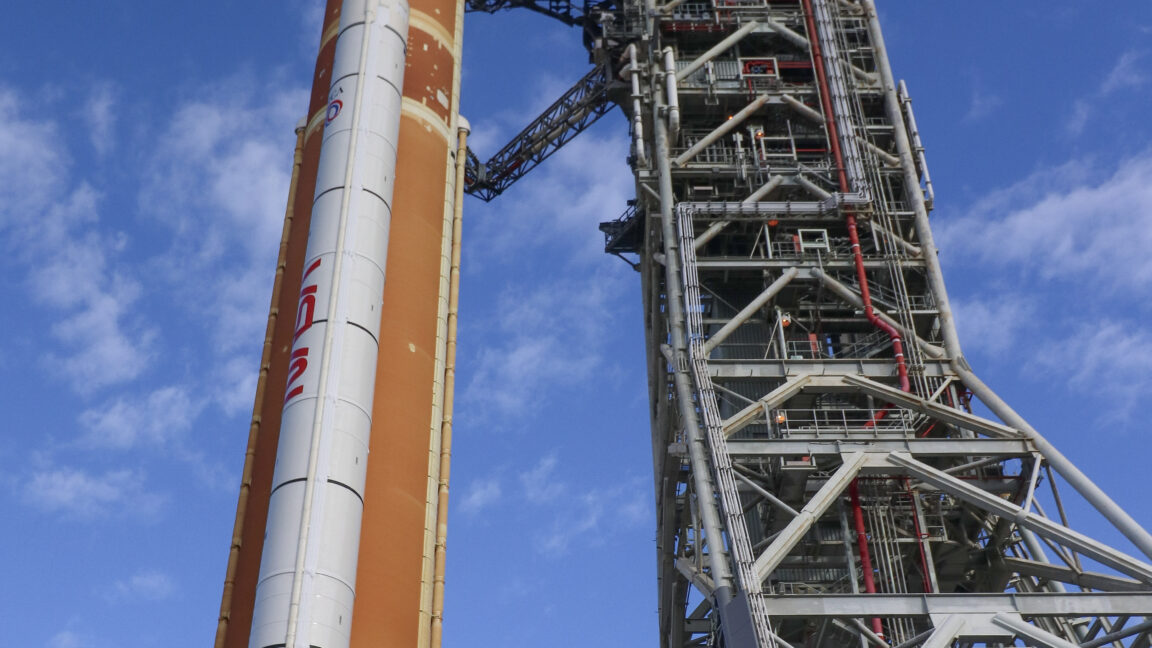
The Space Launch System rocket program is now a decade and a half old, and it continues to be dominated by two unfortunate traits: It is expensive, and it is slow.

The massive rocket and its convoluted ground systems, so necessary to baby and cajole the booster's prickly hydrogen propellant on board, have cost US taxpayers in excess of $30 billion to date. And even as it reaches maturity, the rocket is going nowhere fast.

You remember the last time NASA tried to launch the world's largest orange rocket, right? The space agency rolled the Space Launch System out of its hangar in March 2022. The first, second, and third attempts at a wet dress rehearsal—elaborate fueling tests—were scrubbed. The SLS rocket was slowly rolled back to its hangar for work in April before returning to the pad in June.

Read full article

Comments

© NASA

  •  

SpaceX acquires xAI, plans to launch a massive satellite constellation to power it

SpaceX has formally acquired another one of Elon Musk's companies, xAi, the space company announced on Monday afternoon.

"SpaceX has acquired xAI to form the most ambitious, vertically-integrated innovation engine on (and off) Earth, with AI, rockets, space-based internet, direct-to-mobile device communications and the world’s foremost real-time information and free speech platform," the company said. "This marks not just the next chapter, but the next book in SpaceX and xAI's mission: scaling to make a sentient sun to understand the Universe and extend the light of consciousness to the stars!"

The merging of what is arguably Musk's most successful company, SpaceX, with the more speculative xAI venture is a risk. Founded in 2023, xAI's main products are the generative AI chatbot Grok and the social media site X, formerly known as Twitter. The company aims to compete with OpenAI and other artificial intelligence firms. However, Grok has been controversial, including the sexualization of women and children through AI-generated images, as has Musk's management of Twitter.

Read full article

Comments

© SpaceX

  •  

SpaceX acquires xAI, plans 1 million satellite constellation to power it

SpaceX has formally acquired another of Elon Musk's companies, xAi, the space company announced on Monday afternoon.

"SpaceX has acquired xAI to form the most ambitious, vertically-integrated innovation engine on (and off) Earth, with AI, rockets, space-based internet, direct-to-mobile device communications and the world’s foremost real-time information and free speech platform," the company said. "This marks not just the next chapter, but the next book in SpaceX and xAI's mission: scaling to make a sentient sun to understand the Universe and extend the light of consciousness to the stars!"

The merging of what is arguably Musk's most successful company, SpaceX, with the more speculative xAI venture is a risk. But Musk strongly believes that artificial intelligence is central to humanity's future and wants to be among those leading in its development.

Read full article

Comments

© SpaceX

  •  

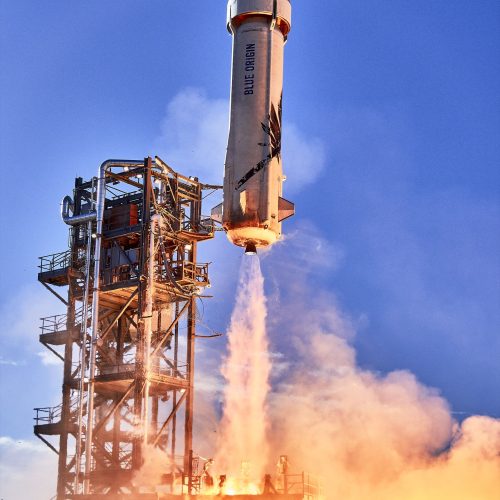
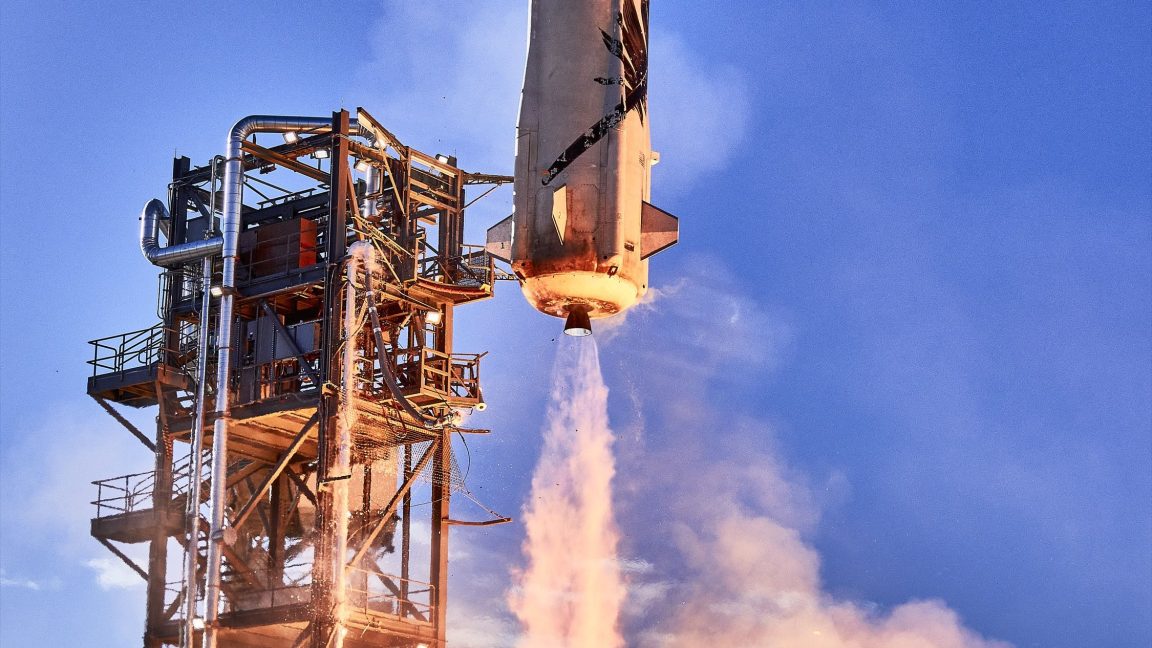
Here's why Blue Origin just ended its suborbital space tourism program

Blue Origin has "paused" its New Shepard program for the next two years, a move that likely signals a permanent end to the suborbital space tourism initiative.

The small rocket and capsule have been flying since April 2015 and have combined to make 38 launches, all but one of which were successful, and 36 landings. In its existence, the New Shepard program flew 98 people to space, however briefly, and launched more than 200 scientific and research payloads into the microgravity environment.

So why is Blue Origin, founded by Jeff Bezos more than a quarter of a century ago, ending the company's longest-running program?

Read full article

Comments

© Blue Origin

  •  

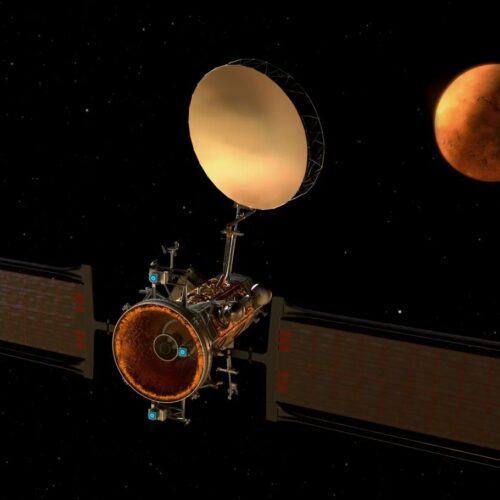
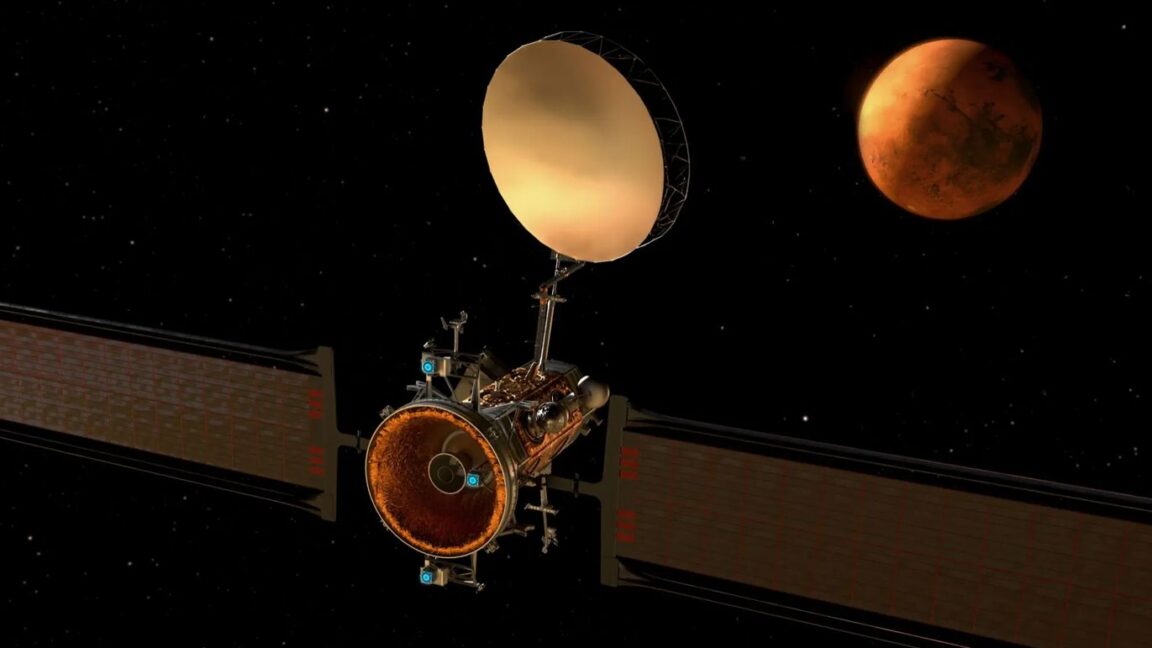
NASA faces a crucial choice on a Mars spacecraft—and it must decide soon

A consequential debate that has been simmering behind closed doors at NASA Headquarters in Washington, DC, must soon come to a head. It concerns the selection of the next spacecraft the agency will fly to Mars, and it could set the tone for the next decade of exploration of the red planet.

What everyone agrees on is that NASA needs a new spacecraft capable of relaying communications from Mars to Earth. This issue has become especially acute with the recent loss of NASA's MAVEN spacecraft. NASA's best communications relay remains the Mars Reconnaissance Orbiter, which has now been there for 20 years.

Congress cared enough about this issue to add $700 million in funding for a "Mars Telecommunications Orbiter" in the supplemental funding for NASA provided by the "One Big Beautiful Bill" passed by the US Congress last year.

Read full article

Comments

© Blue Origin

  •  

Rocket Report: How a 5-ton satellite fell off a booster; will SpaceX and xAI merge?

Welcome to Edition 8.27 of the Rocket Report! If all goes well this weekend, NASA will complete a wet dress rehearsal test of the Space Launch System rocket in Florida. This is the final key test, in which the rocket is fueled and brought to within seconds of engine ignition, before the liftoff of the Artemis II mission. This is set to occur no earlier than February 6. Ars will have full coverage of the test this weekend.

As always, we welcome reader submissions, and if you don't want to miss an issue, please subscribe using the box below (the form will not appear on AMP-enabled versions of the site). Each report will include information on small-, medium-, and heavy-lift rockets as well as a quick look ahead at the next three launches on the calendar.

Why did the UK abandon Orbex? European Spaceflight explores the recent announcement that British launch company Orbex is preparing to sell the business to The Exploration Company in close cooperation with the UK government. This represents a reversal from early 2025, when the United Kingdom appeared prepared to back Orbex as a means of using British rockets to launch British satellites into space. Now the government is prepared to walk away. So what happened? "There are still too many unknowns to count, and the story is far from told," the publication states.

Read full article

Comments

© Orbex/Anders Bøggild

  •  

Do you have ideas about how to improve America's space program?

Over the first quarter of the 21st century, two major trends have transformed the global space industry.

The first is the rapid rise of China's space program, which only flew its first human to orbit in 2003 but now boasts spaceflight capabilities second only to the United States. The second trend is the rise of the commercial space sector, first in the United States and led by SpaceX, but now spreading across much of the planet.

Both of these trends have had profound impacts on both civil and military space enterprises in the United States.

Read full article

Comments

© Aurich Lawson | Getty Images

  •  

A WB-57 pilot just made a heroic landing in Houston after its landing gear failed

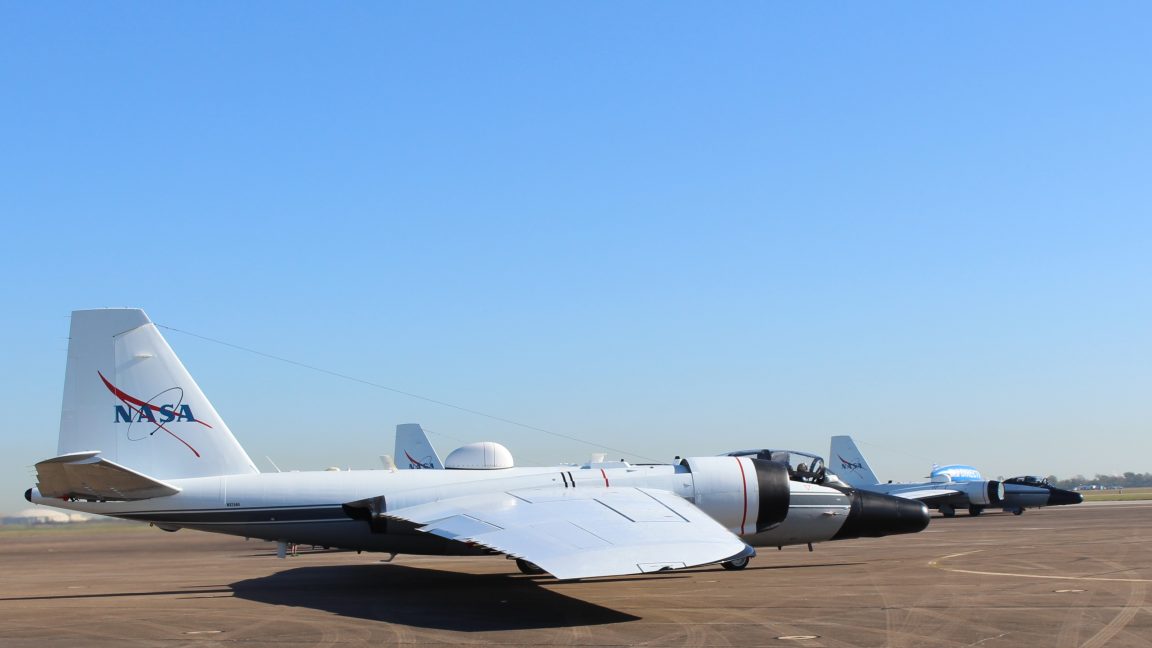
One of NASA's three large WB-57 aircraft made an emergency landing at Ellington Field on Tuesday morning in southeastern Houston.

Video captured by KHOU 11 television showed the aircraft touching down on the runway without its landing gear extended. The pilot then maintains control of the vehicle as it slides down the runway, slowing the aircraft through friction. The crew was not harmed, NASA spokesperson Bethany Stevens said.

WB-57 landing.

"Today, a mechanical issue with one of NASA’s WB-57s resulted in a gear-up landing at Ellington Field," she said. "Response to the incident is ongoing, and all crew are safe at this time. As with any incident, a thorough investigation will be conducted by NASA into the cause. NASA will transparently update the public as we gather more information."

Read full article

Comments

© Eric Berger

  •