Reading view

A Valentine's Day homage to Crouching Tiger, Hidden Dragon

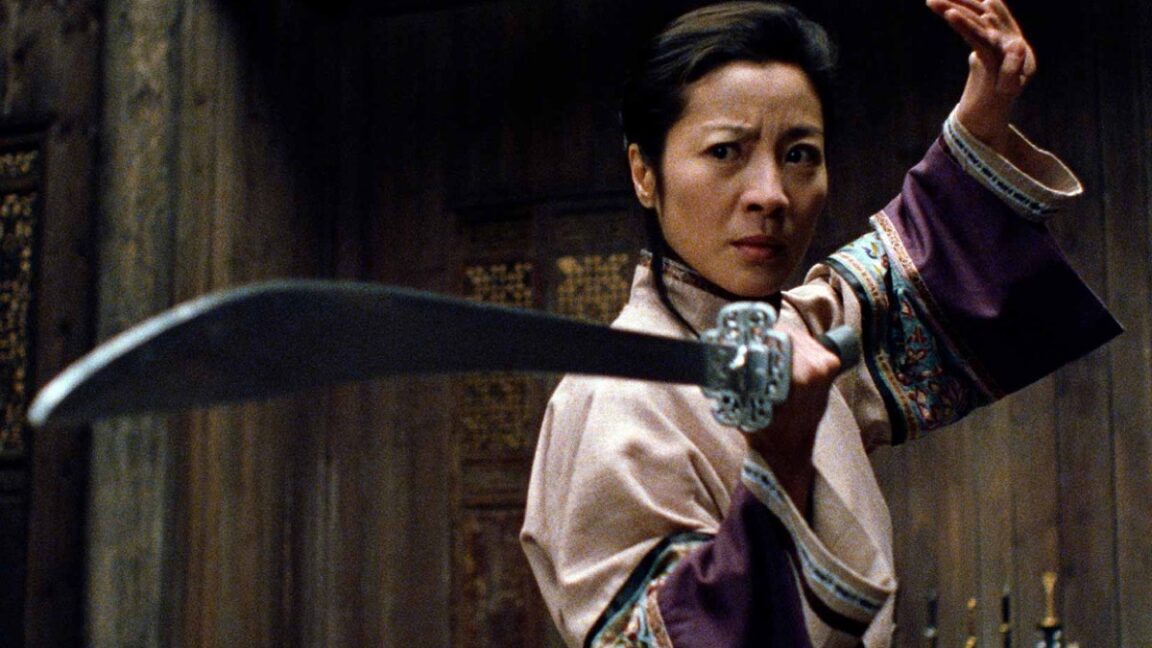
It's Valentine's Day, and while there are plenty of classic and current rom-coms out there for those wishing to immerse themselves in warm and fuzzy feelings, we're opting to celebrate in a different way: honoring Ang Lee's 2000 masterpiece Crouching Tiger, Hidden Dragon, a wuxia tragic fairy tale featuring one of the most beautifully heartbreaking love stories in film at its center. It's also got stunning cinematography and tons of awe-inspiring martial arts sequences, which makes it my personal perfect date night movie.

(Spoilers below, but we will give you a heads up before the major reveals.)

The film is adapted from a 1940s novel by Wang Dulu and is set sometime during the Qing dynasty, which lasted from 1644 through 1912. (No specific date is given.) The title is a direct translation of a line from a 6th century Chinese poem: "behind the rock in the dark probably hides a tiger, and the coiling giant root resembles a crouching dragon." It's generally interpreted as a description of legendary martial arts masters living un-noticed and/or hiding in plain sight—until someone picks a fight, that is. And some of those hidden masters are women.

Read full article

Comments

© Sony Pictures Classics
  •  

Spider-Noir teaser comes in colorized "True Hue" and black and white

Nicolas Cage has carved out a quirky niche for himself in recent years with such films as Color Out of Space (2019), Pig (2021), The Unbearable Weight of Massive Talent (2022), Dream Scenario (2023), and Longlegs (2024), among others. Now he's starring in Spider-Noir, a new live-action series based on the Marvel Comics character. Cage plays an aging private investigator and disillusioned superhero in 1930s New York. Prime Video released the first teaser in two forms: one in black and white—very Raymond Chandler-esque—and another in color, which the showrunners are calling "True Hue."

Marvel Comics created its "noir" line in 2009, reinterpreting familiar Marvel characters in an alternate universe, usually set during the Great Depression in the US. A version of the Spider-Noir character, voiced by Cage, briefly appeared in the animated masterpieces, Spider-Man: Into the Spider-Verse (2018) and Across the Spider-Verse (2023). (He is set to reprise that role in the upcoming Beyond the Spider-Verse.)

Co-showrunner (with Steve Lightfoot) Oren Uziel is a film noir fan, so that Marvel series naturally appealed to him. The live-action series is still set in 1930s New York, but the spidery superhero is not Peter Parker. (Uziel thought the Parker character was too associated with a boyish high school type, which didn't really fit the noir vibe.) So Cage is playing Ben Reilly, a hard-boiled PI with a secret superhero identity, The Spider. Cage has described his portrayal as "70 percent Humphrey Bogart [specifically The Big Sleep] and 30 percent Bugs Bunny," which seems pretty on point for Cage's distinctively flamboyant style.

Read full article

Comments

© YouTube/Prime Video

  •  

Unique structure of elephant whiskers give them built-in sensing "intelligence"

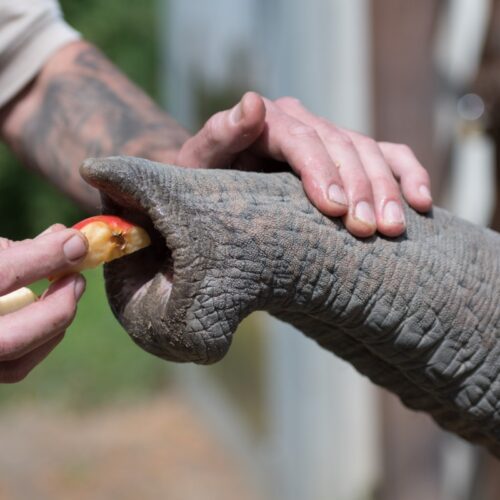
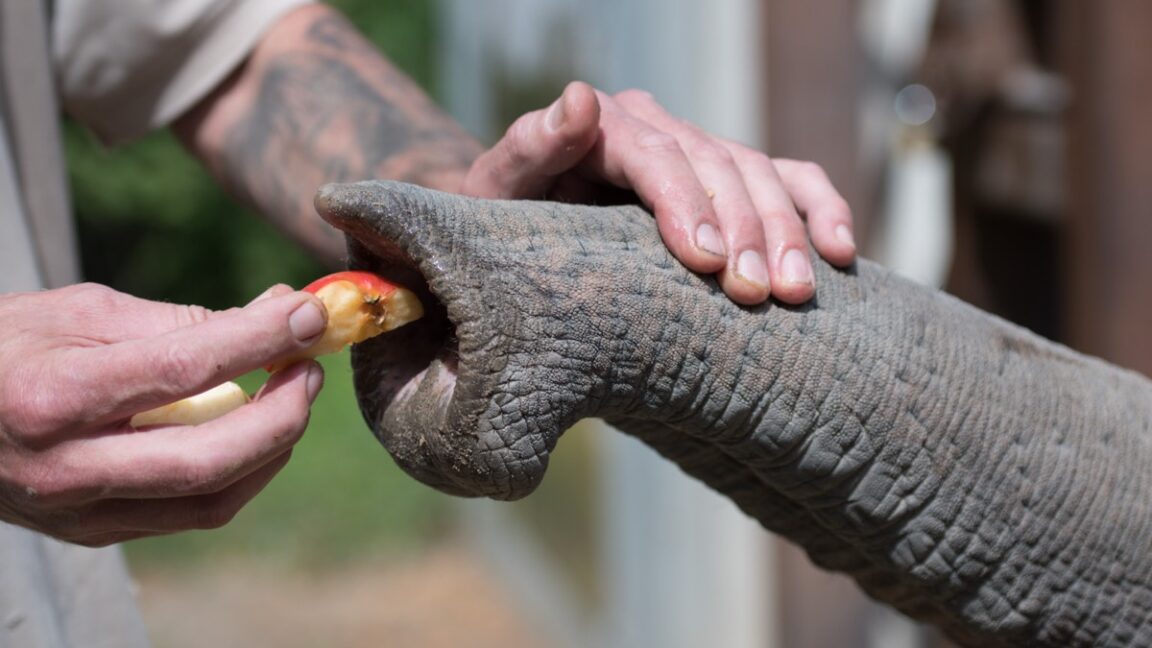
An elephant's trunk is a marvelous thing, flexible enough to bend and stretch as it forages for food, but also stiff enough to grasp and maneuver even delicate objects like peanuts or a tortilla chip. That's because the trunk is highly sensitive when it comes to sensing touch. Scientists have determined that the whiskers lining the trunk are crucial for that sensitivity thanks to their unique structure, amounting to a kind of innate "material intelligence, according to a new paper published in the journal Science.

As previously reported, there is a long history of studying whiskers (vibrissae) in mammals. Rats, cats, tree squirrels, manatees, harbor seals, sea otters, pole cats, shrews, tammar wallabies, sea lions, and naked mole-rats all share strikingly similar basic whisker anatomies, according to various prior studies. Among other potential applications, such research could one day enable scientists to build artificial whiskers as tactile sensors in robotics, as well as learn more about human touch.

Whiskers are much more complex than one might think, both in structure and function. Rats, for instance, have about 30 large whiskers and dozens of smaller ones, part of a complex “scanning sensorimotor system” that enables the rat to perform such diverse tasks as texture analysis, active touch for path finding, pattern recognition, and object location, just by scanning the terrain with its whiskers.

Read full article

Comments

© MPI-IS/A. Posada and Heidelberg Zoo

  •  

Did seabird poop fuel rise of Chincha in Peru?

The pre-Inca Chincha Kingdom (circa 1000-1400 CE), along Peru's southern coast, was one of the most wealthy and influential of its time before falling to the Inca and Spanish empires. Scientists have long puzzled over the foundation for that prosperity, and it seems one critical factor was bird poop, according to a new paper published in the journal PLoS ONE.

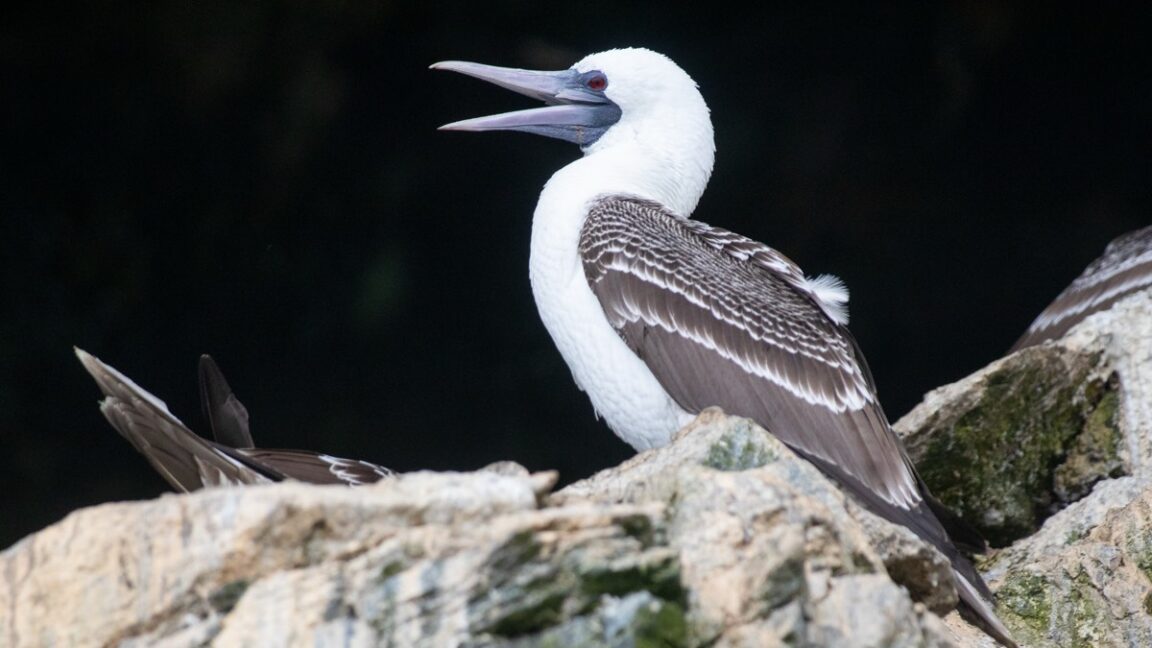
“Seabird guano may seem trivial, yet our study suggests this potent resource could have significantly contributed to sociopolitical and economic change in the Peruvian Andes,” said co-author Jacob Bongers, a digital archaeologist at the University of Sydney. “Guano dramatically boosted the production of maize (corn), and this agricultural surplus crucially helped fuel the Chincha Kingdom’s economy, driving their trade, wealth, population growth and regional influence, and shaped their strategic alliance with the Inca Empire. In ancient Andean cultures, fertiliser was power.”

Last November, Bongers co-authored a paper detailing evidence supporting the hypothesis that the mysterious "Band of Holes" on Mount Sierpe in the Andes might have been an ancient marketplace. Aerial photographs from the 1930s first revealed that long row of around 5,200 precisely aligned holes, seemingly organized into blocked sections, most likely constructed by the Chincha Kingdom. Scholars had suggested various hypotheses for what the site's purpose may have been: defense, storage, or accounting, perhaps, or maybe to collect water and capture fog for local gardens. But nobody had any strong evidence for those suggestions.

Read full article

Comments

© Diego H./iNaturalist.org/CC-BY 4.0

  •  

Disclosure Day Super Bowl trailer: Could it be... aliens?

Steven Spielberg directed two of the best alien films of all time: E.T. and Close Encounters of the Third Kind. Now he's going back to those roots, as it were, with his latest blockbuster film, Disclosure Day. A full-length trailer aired during the Super Bowl LX broadcast last night.

Per the (deliberately vague) official premise: "If you found out we weren’t alone, if someone showed you, proved it to you, would that frighten you? This summer, the truth belongs to 7 billion people. We are coming close to… Disclosure Day."

The trailer doesn't tell us much more than the logline. It opens with a newscast announcing the pending public release of "government material long shrouded in secrecy." We see a shot of a man standing in the middle of a crop circle that definitely wasn't made by humans. A little girl encounters a seemingly sentient deer in her bedroom as a voiceover wonders whether there could be "others." And what's with putting electrodes on people's temples so that their eyes change color? We'll find out in June.

Read full article

Comments

© YouTube/Universal Pictures

  •  

A Project Hail Mary final trailer? Yes please.

Sure, most Americans are glued to their TVs for today's Super Bowl and/or the Winter Olympics. But for the non-sports minded, Amazon MGM Studios has released one last trailer for its forthcoming space odyssey Project Hail Mary, based on Andy Weir’s (The Martian) bestselling 2021 novel about an amnesiac biologist-turned-schoolteacher in space.

As previously reported, Amazon MGM Studios acquired the rights for Weir’s novel before it was even published and brought on Drew Goddard to write the screenplay. (Goddard also wrote the adapted screenplay for The Martian, so he’s an excellent choice.) The studio tapped Phil Lord and Christopher Miller (Cloudy with a Chance of Meatballs, The LEGO Movie) to direct and signed on Ryan Gosling to star. Per the official premise:

Science teacher Ryland Grace (Ryan Gosling) wakes up on a spaceship light years from home with no recollection of who he is or how he got there. As his memory returns, he begins to uncover his mission: solve the riddle of the mysterious substance causing the sun to die out. He must call on his scientific knowledge and unorthodox ideas to save everything on Earth from extinction… but an unexpected friendship means he may not have to do it alone.

In addition to Gosling, the cast includes Sandra Huller as head of the Hail Mary project and Ryland’s superior; Milana Vayntrub as project astronaut Olesya Ilyukhina; Ken Leung as project astronaut Yao Li-Jie; Liz Kingsman as Shapiro; Orion Lee as Xi; and James Ortiz as a new life form Ryland names Rocky.

Read full article

Comments

© YouTube/Amazon MGM Studios

  •  

New critique debunks claim that trees can sense a solar eclipse

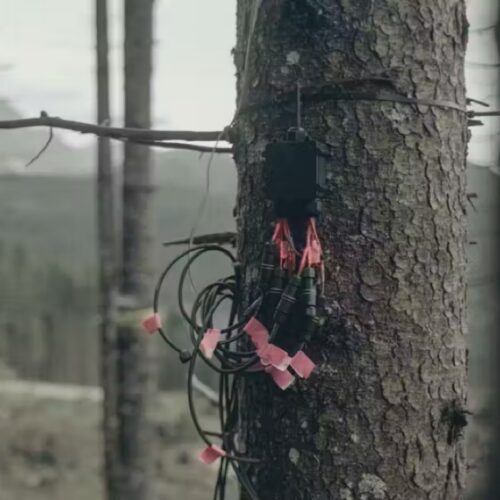
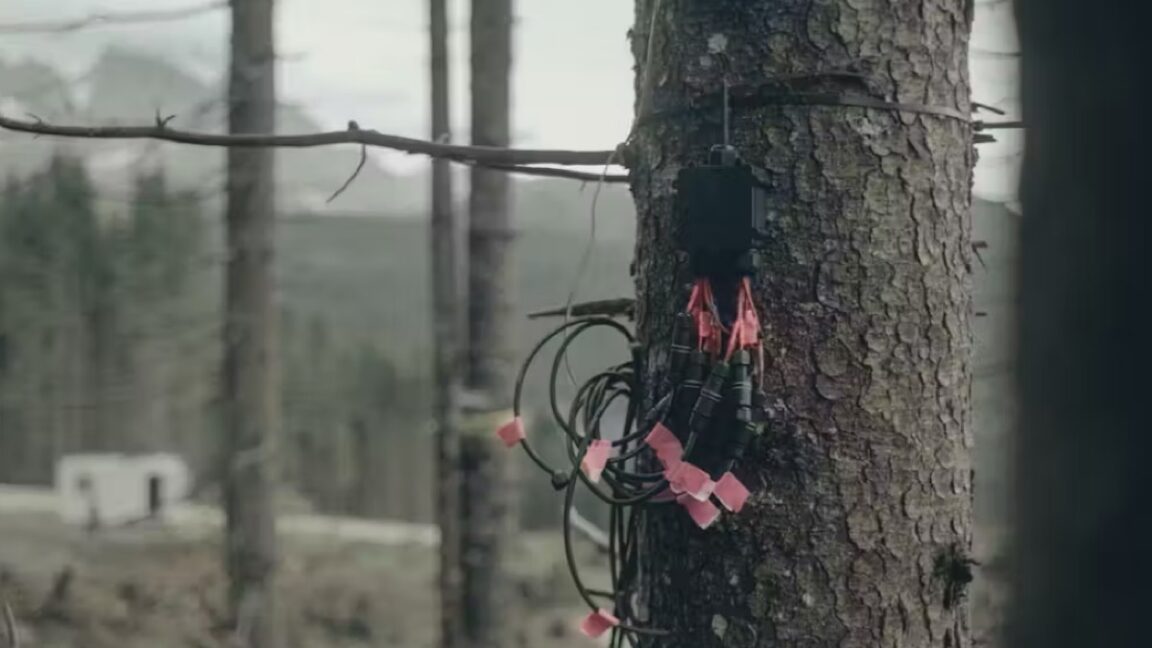
Last year, a team of scientists presented evidence that spruce trees in Italy's Dolomite mountains synchronized their bioelectrical activity in anticipation of a partial solar eclipse—a potentially exciting new insight into the complexities of plant communication. The findings naturally generated media interest and even inspired a documentary. But the claims drew sharp criticism from other researchers in the field, with some questioning whether the paper should even have been published. Those initial misgivings are outlined in more detail in a new critique published in the journal Trends in Plant Science.

For the original paper, Alessandro Chiolerio, a physicist at the Italian Institute of Technology, collaborated with plant ecologist Monica Gagliano of Southern Cross University and several others conducting field work in the Costa Bocche forest in the Dolomites. They essentially created an EKG for trees, attaching electrodes to three spruce trees (ranging in age from 20 to 70 years) and five tree stumps in the forest.

Those sensors recorded a marked increase in bioelectrical activity during a partial solar eclipse on October 22, 2022. The activity peaked mid-eclipse and faded away in its aftermath. Chiolerio et al. interpreted this spike in activity as a coordinated response among the trees to the darkened conditions brought on by the eclipse. And older trees' electrical activity spiked earlier and more strongly than the younger trees, which Chiolerio et al. felt was suggestive of trees developing response mechanisms—a kind of memory captured in associated gravitational effects. Older trees might even transmit this knowledge to younger trees, the authors suggested, based on the detection of bioelectrical waves traveling between the trees.

Read full article

Comments

© Zenit Arti Audiovisive via UNSW

  •  

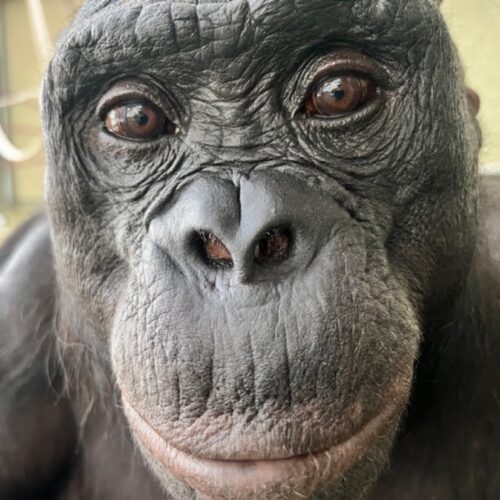
Watch Kanzi the bonobo pretend to have a tea party

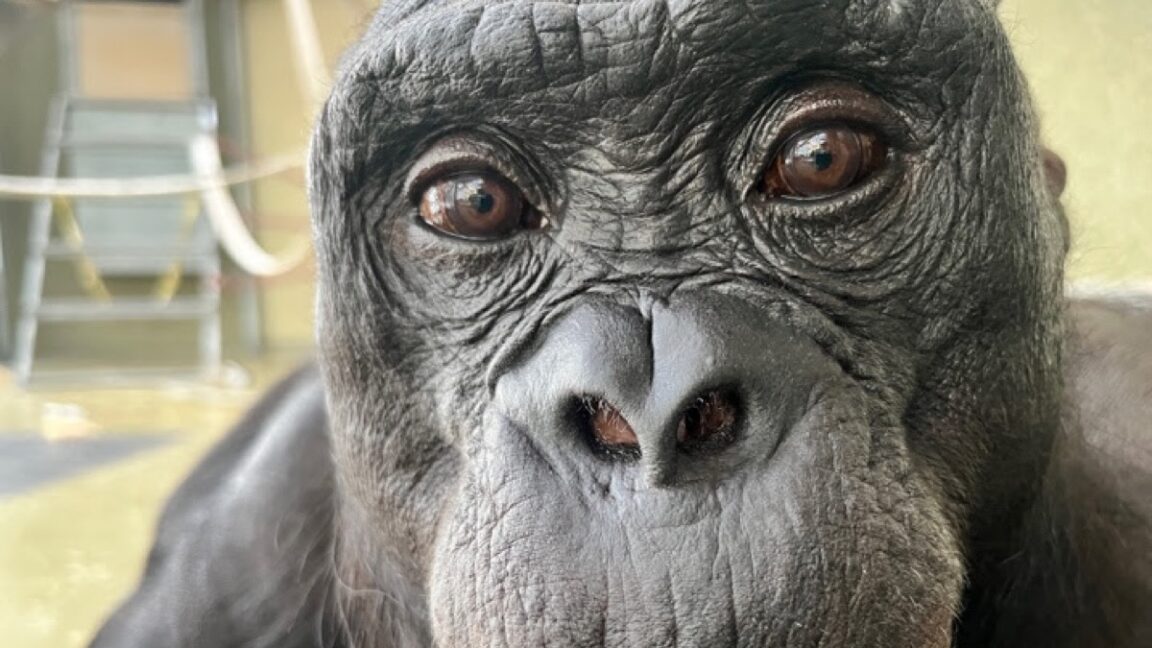
Little kids hosting make-believe tea parties is a fixture of childhood playtime and long presumed to be exclusively a human ability. Researchers at Johns Hopkins University presented evidence in a new paper published in the journal Science that a bonobo named Kanzi was also able to participate in pretending to hold a tea party. For the authors, this suggests that apes are capable of using their imagination just like human toddlers.

“It really is game-changing that their mental lives go beyond the here and now," said co-author Christopher Krupenye. "Imagination has long been seen as a critical element of what it is to be human, but the idea that it may not be exclusive to our species is really transformative. Jane Goodall discovered that chimps make tools, and that led to a change in the definition of what it means to be human, and this, too, really invites us to reconsider what makes us special and what mental life is out there among other creatures."

Per Krupenye et al., by the age of two, human children are able to navigate imaginary scenarios like a tea party, pretending there is real tea present even if the teapot and cups are actually empty. Cognitively speaking, it's an example of secondary representation, because it involves decoupling an imagined or simulated state (pretending there is actual tea in the cup) with the reality (the cup is empty).

Read full article

Comments

© courtesy of Ape Initiative

  •  

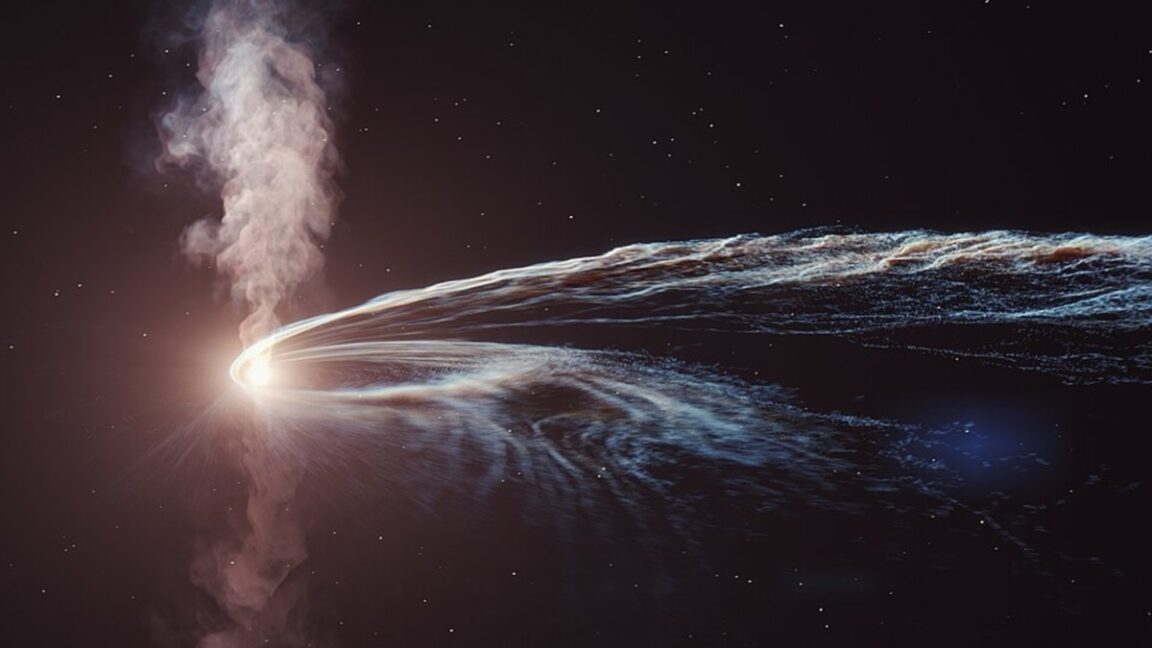
This black hole "burps" with Death Star energy

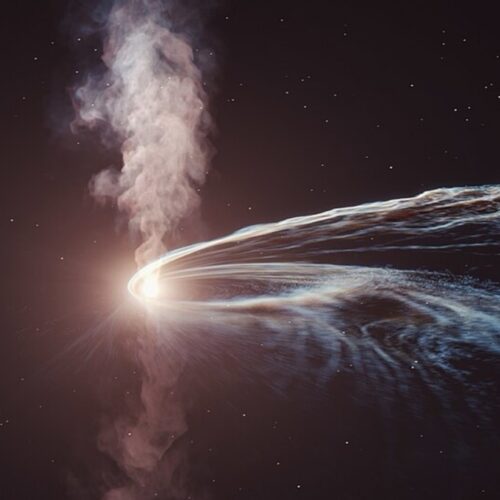
Back in 2022, astronomers were puzzled by a so-called “tidal disruption event” (TDE), dubbed AT2018hyz, that had faded when it was first noticed three years earlier, only to unexpectedly reanimate and burp out extremely bright radio waves. University of Oregon astrophysicist Yvette Cendes, a co-author of that 2022 paper, dubbed the black hole “Jetty McJetface” (a nod to the 2016 online British competition to name a research vessel Boaty McBoatface).

Astronomers have continued to monitor it ever since. Far from fading again, the TDE has grown 50 times brighter, and that brightness continues to increase. The black hole's energy emission might not peak until 2027, according to a new paper published in the Astrophysical Journal.

As we've previously discussed, it’s a popular misconception that black holes behave like cosmic vacuum cleaners, ravenously sucking up any matter in their surroundings. In reality, only stuff that passes beyond the event horizon—including light—is swallowed up and can’t escape, although black holes are also messy eaters. That means that part of an object’s matter is actually ejected out in a powerful jet.

Read full article

Comments

© DESY, Science Communication Lab/Public domain

  •  

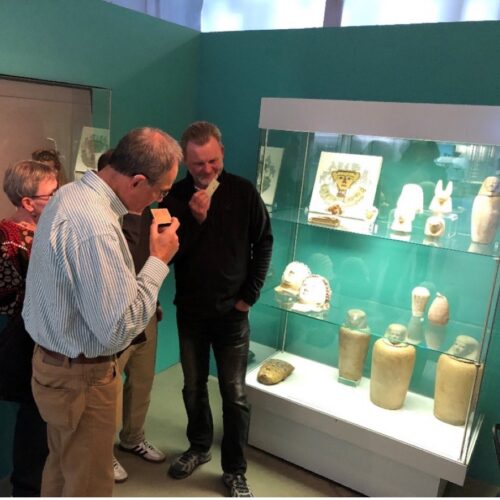
Museums incorporate "scent of the afterlife" into Egyptian exhibits

In 2023, scientists identified the compounds in the balms used to mummify the organs of an ancient Egyptian noblewoman, suggesting that the recipes were unusually complex and used ingredients not native to the region. The authors also partnered with a perfumer to re-create what co-author Barbara Huber (of the Max Planck Institute of Geoanthropology and the University of Tübingen) dubbed “the scent of eternity.” Now Huber has collaborated with the curators of two museums to incorporate that eternal scent into exhibits on ancient Egypt to transform how visitors understand embalming.

As previously reported, Egyptian embalming is thought to have begun in the Predynastic Period or earlier, when people noticed that the arid desert heat tended to dry and preserve bodies buried in the desert. Eventually, the idea of preserving the body after death worked its way into Egyptian religious beliefs. When people began burying the dead in rock tombs, away from the desiccating sand, they used chemicals like natron salt and plant-based resins for embalming.

The procedure typically began by laying the corpse on a table and removing the internal organs—except for the heart. Per Greek historian Herodotus, “They first draw out part of the brain through the nostrils with an iron hook, and inject certain drugs into the rest” to liquefy the remaining brain matter. Next, they washed out the body cavity with spices and palm wine, sewed the body back up, and left aromatic plants and spices inside, including bags of natron. The body was then allowed to dehydrate over 40 days. The dried organs were sealed in canopic jars (or sometimes put back into the body cavity). Then the body was wrapped in several layers of linen cloth, with amulets placed within those layers to protect the deceased from evil. The fully wrapped mummy was coated in resin to keep moisture out and placed in a coffin (also sealed with resin).

Read full article

Comments

© Ulriki Dubiel/S.C. Ehrich et a;, 2026/CC BY

  •  

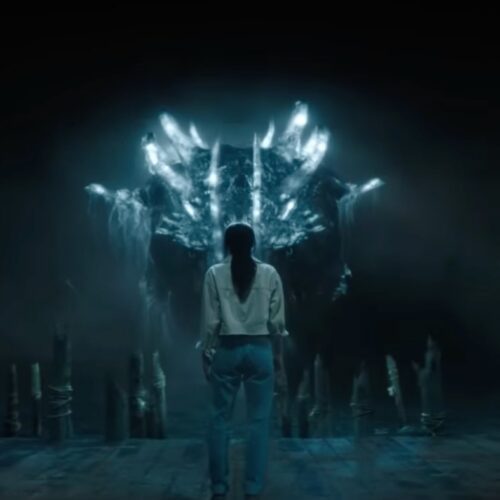
Godlike Titan threatens humanity in Monarch: Legacy of Monsters S2 trailer

Last month, Apple TV released a teaser for the second season of Monarch: Legacy of Monsters, part of Legendary Entertainment’s MonsterVerse, which brought Godzilla, King Kong, and various other monsters (kaiju) created by Toho Co., Ltd into a shared narrative. But we only got the most fleeting glimpse of the promised new mythical Titan threatening the human race. The full trailer just dropped and rectifies that: It's a gigantic tentacled undersea being dubbed Titan X—and only Kong and Godzilla can stop it.

(Spoilers for Season 1 below.)

As previously reported, the first season picked up where 2014’s Godzilla left off, specifically the introduction of Project Monarch, a secret organization established in the 1950s to study Godzilla and other kaiju—after attempts to kill Godzilla with nuclear weapons failed. In the S1 finale, Godzilla fights off an Ion Dragon, tossing it through a rift back to the Hollow Earth, and Lee Shaw (Kurt Russell) seemingly sacrifices himself to save his colleagues. Per the official Season 2 premise:

Read full article

Comments

© Apple TV

  •  

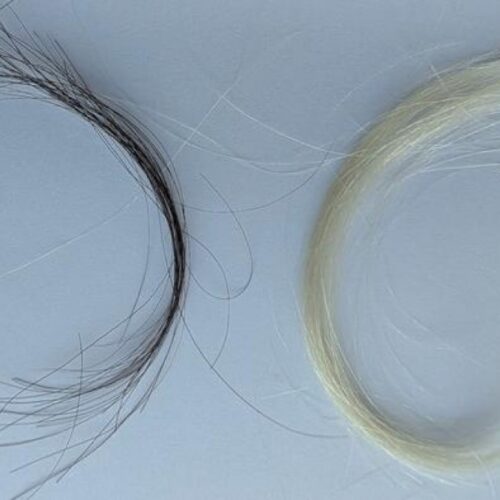
A century of hair samples proves leaded gas ban worked

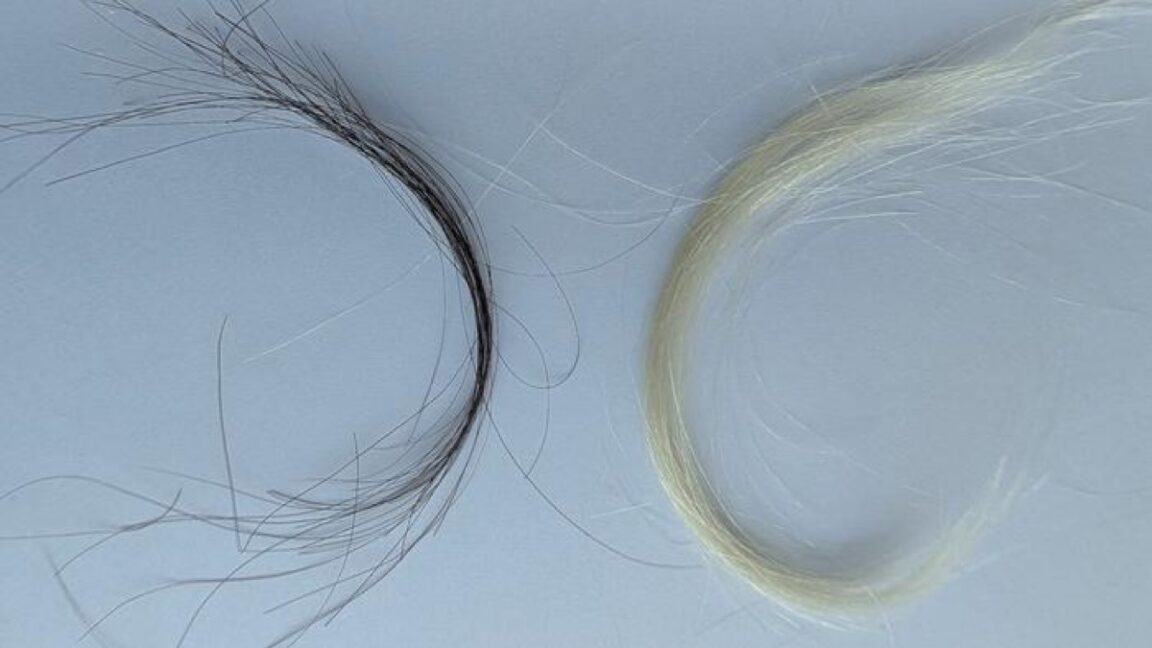
The Environmental Protection Agency (EPA) cracked down on lead-based products—including lead paint and leaded gasoline—in the 1970s because of its toxic effects on human health. Scientists at the University of Utah have analyzed human hair samples spanning nearly 100 years and found a 100-fold decrease in lead concentrations, concluding that this regulatory action was highly effective in achieving its stated objectives. They described their findings in a new paper published in the Proceedings of the National Academy of Sciences.

We've known about the dangers of lead exposure for a very long time—arguably since the second century BCE—so why conduct this research now? Per the authors, it's because there are growing concerns over the Trump administration's move last year to deregulate many key elements of the EPA's mission. Lead specifically has not yet been deregulated, but there are hints that there could be a loosening of enforcement of the 2024 Lead and Cooper rule requiring water systems to replace old lead pipes.

“We should not forget the lessons of history. And the lesson is those regulations have been very important,” said co-author Thure Cerling. “Sometimes they seem onerous and mean that industry can't do exactly what they'd like to do when they want to do it or as quickly as they want to do it. But it's had really, really positive effects.”

Read full article

Comments

© Diego Fernandez

  •  

Research roundup: 6 cool stories we almost missed

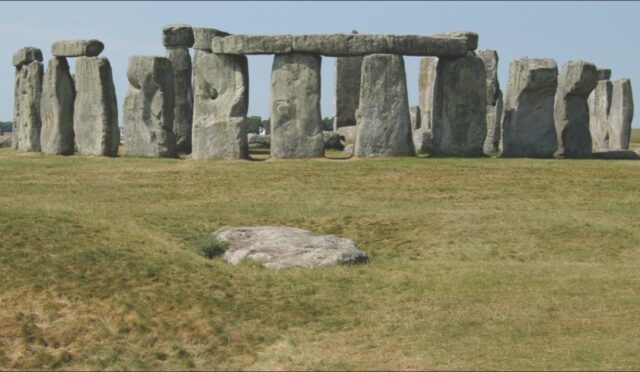
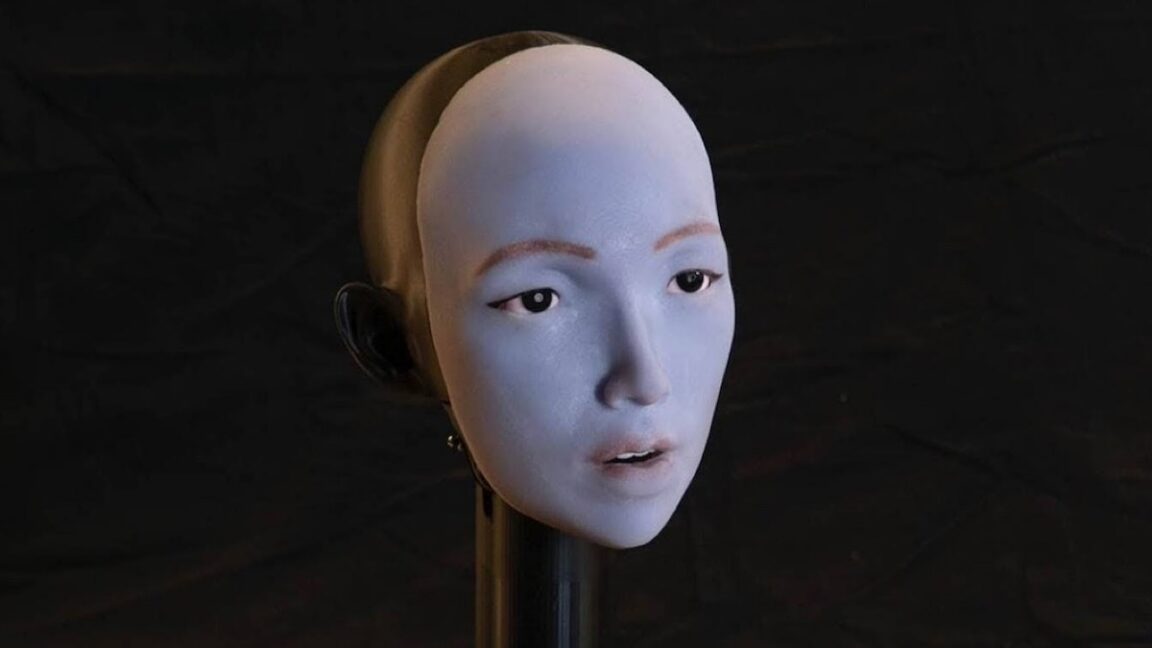
It’s a regrettable reality that there is never enough time to cover all the interesting scientific stories we come across each month. So every month, we highlight a handful of the best stories that nearly slipped through the cracks. January’s list includes a lip-syncing robot; using brewer's yeast as scaffolding for lab-grown meat; hunting for Leonardo da Vinci's DNA in his art; and new evidence that humans really did transport the stones to build Stonehenge from Wales and northern Scotland, rather than being transported by glaciers.

Humans, not glaciers, moved stones to Stonehenge

Credit: Timothy Darvill

Stonehenge is an iconic landmark of endless fascination to tourists and researchers alike. There has been a lot of recent chemical analysis identifying where all the stones that make up the structure came from, revealing that many originated in quarries a significant distance away. So how were the stones transported to their current location?

Read full article

Comments

© Yuhang Hu/Creative Machines Lab

  •  

What ice fishing can teach us about making foraging decisions

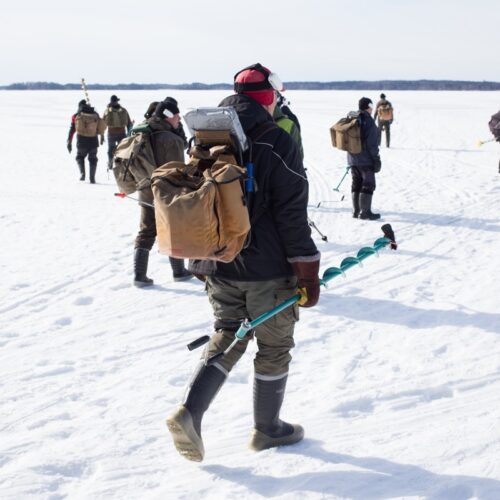
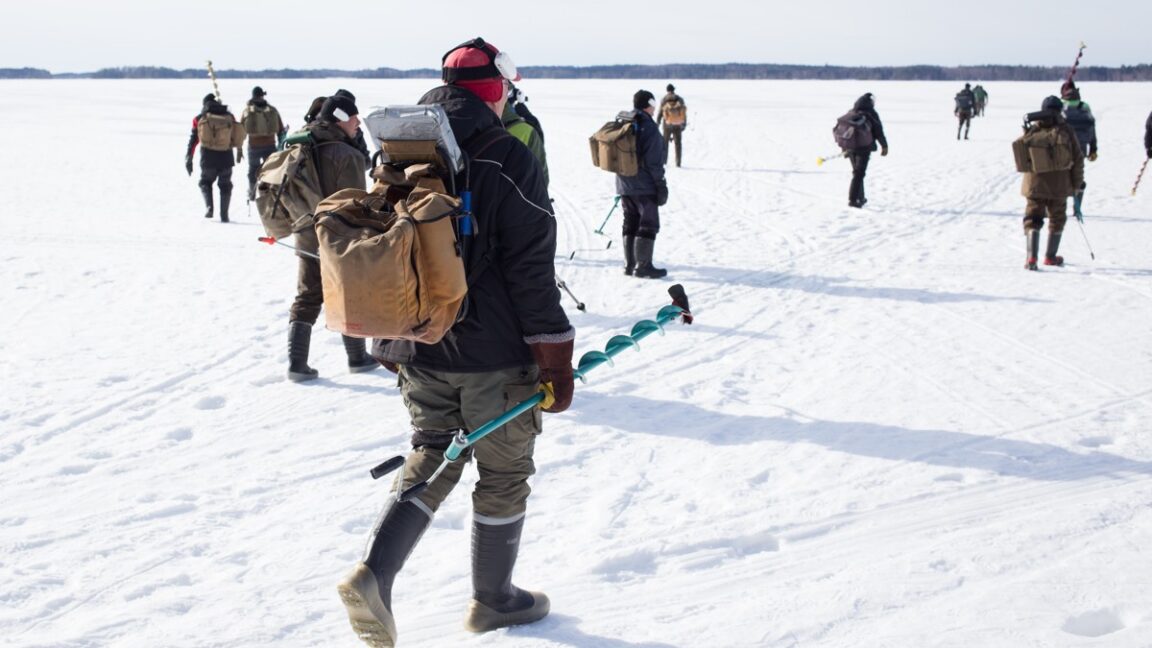
Ice fishing is a longstanding tradition in Nordic countries, with competitions proving especially popular. Those competitions can also tell scientists something about how social cues influence how we make foraging decisions, according to a new paper published in the journal Science.

Humans are natural foragers in even the most extreme habitats, digging up tubers in the tropics, gathering mushrooms, picking berries, hunting seals in the Arctic, and fishing to meet our dietary needs. Human foraging is sufficiently complex that scientists believe that meeting so many diverse challenges helped our species develop memory, navigational abilities, social learning skills, and similar advanced cognitive functions.

Researchers are interested in this question not just because it could help refine existing theories of social decision-making, but also could improve predictions about how different groups of humans might respond and adapt to changes in their environment. Per the authors, prior research in this area has tended to focus on solitary foragers operating in a social vacuum. And even when studying social foraging decisions, it's typically done using computational modeling and/or in the laboratory.

Read full article

Comments

© Petri T. Niemelä/CC BY-ND

  •  

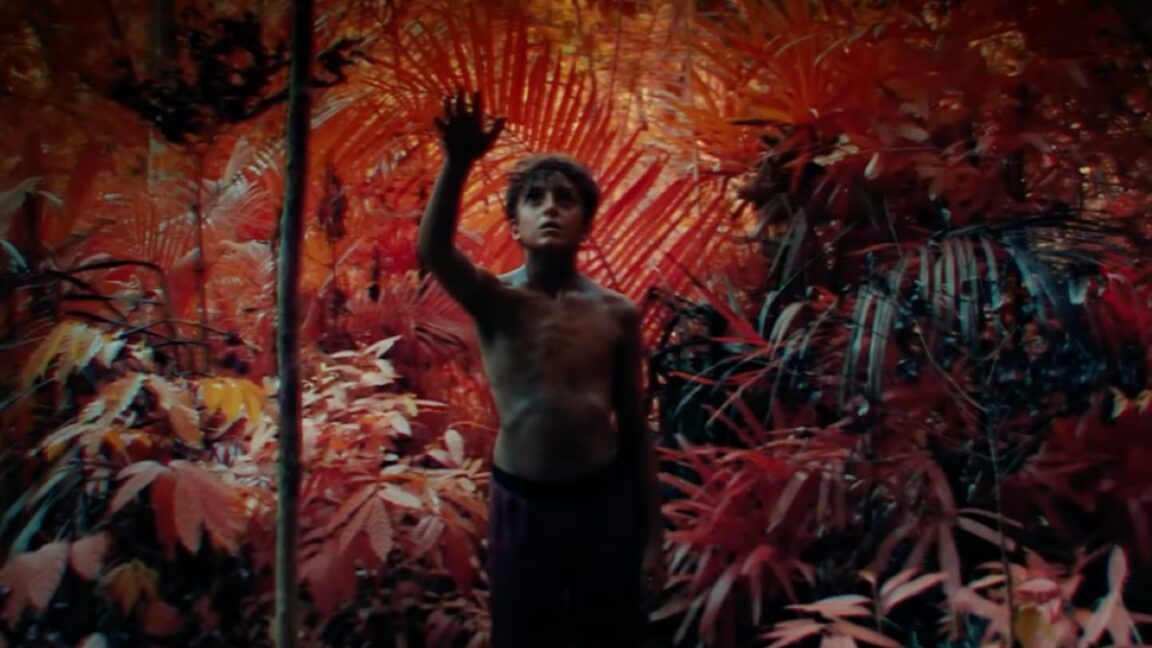
Stranded boys struggle to survive in Lord of the Flies trailer

BBC One has adapted William Golding's classic 1954 novel Lord of the Flies into a new miniseries and just dropped the first trailer. The book has been adapted for film three times since its publication and also inspired the Emmy-nominated TV series Yellowjackets (renewed for its fourth and final season this year). This BBC miniseries apparently has the support of the Golding family and is expected to hew quite closely to the novel.

(Spoilers for the 1954 novel below.)

Golding was inspired to write Lord of the Flies by a popular, pro-colonialism children's novel called The Coral Island, whose central theme was the civilizing influence of British colonial efforts and Christianity on a "savage" people. Golding wanted to write a book about children on an island who "behave the way children really would behave."

Read full article

Comments

© YouTube/BBC One

  •  

Australian plumber is a YouTube sensation

Warning: Unclogging a restaurant's grease trap is not for the faint of heart.

Large swathes of the US were blanketed in snow and ice over the weekend, and what better way to spend a snow day than going down a YouTube rabbit hole? Everyone has their favorite oddity: ASMR, jazzy pop song covers, cooking channels, or what have you. But DIY enthusiasts in particular are missing out if they're not watching Drain Cleaning Australia, featuring an Australian plumber known only as Bruce as he goes about his daily business of shooting high-powered water jets into stubborn clogged drainage systems. It's "the YouTube channel you never knew you needed." And it's done so well that he's now launched a second channel, Bruce the Plumber.

I stumbled upon the Drain Cleaning Australia channel via Amy Poehler's Good Hang podcast episode with Kate McKinnon, who is a big fan and does a dead-on delivery of Bruce's trademark lines ("You little rippah!"). Bruce never appears in his videos, apart from his hands and the occasional shadow as he films various challenging jobs with his intrepid smartphone. He seems to have struck a good balance between online popularity and protecting his personal privacy. (Bruce did not respond to our interview request. It's okay, mate, we know all those drains Down Under aren't going to unclog themselves.)

Armed with his trusty collection of jet nozzles and "Mister Plungey," Bruce has removed all manner of nasty things from drains over the years: masses of human hair from shower drains; tree roots; plastic bags and other refuse that somehow found their way into drainage systems; and the less said about the many clogged toilets, the better.

Read full article

Comments

© YouTube/Drain Cleaning Australia

  •