Reading view

UK migration could be negative this year – how will that hit the economy?

Universities, builders and health trusts are feeling the squeeze, as thinktank says effect of zero net migration could be similar to Brexit

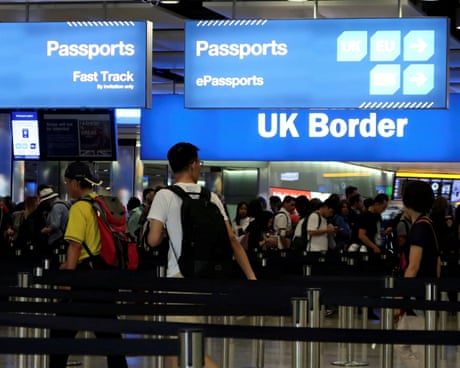
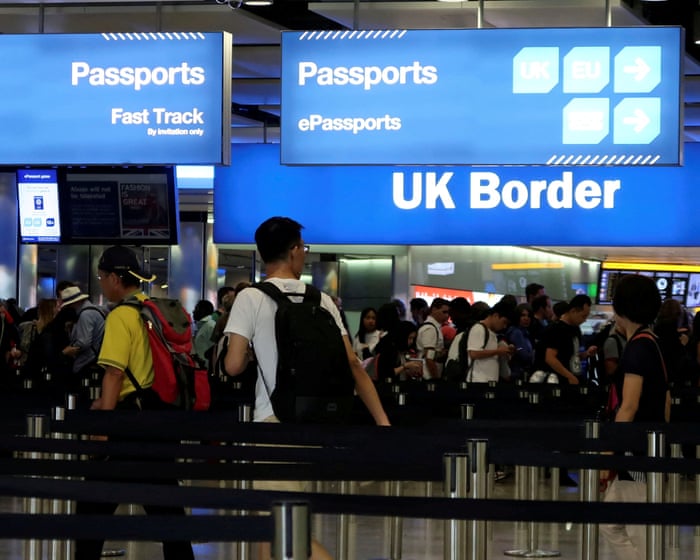
When Greenwich and Kent universities said this month they would merge to save money, the heart of their financial difficulties could be found in the UK government’s crackdown on immigration.

Tough restrictions on foreign students have sent the number of university applications from abroad plummeting, cutting lucrative tuition fees and leaving all universities facing the same squeeze.

Continue reading...
© Photograph: Fabrizio Bensch/Reuters
© Photograph: Fabrizio Bensch/Reuters
© Photograph: Fabrizio Bensch/Reuters


  •  

Reeves appoints higher pay advocate to fight skills shortages as chief economic adviser

Labour market expert Prof Brian Bell has called for better pay and conditions in key sectors, particularly social care

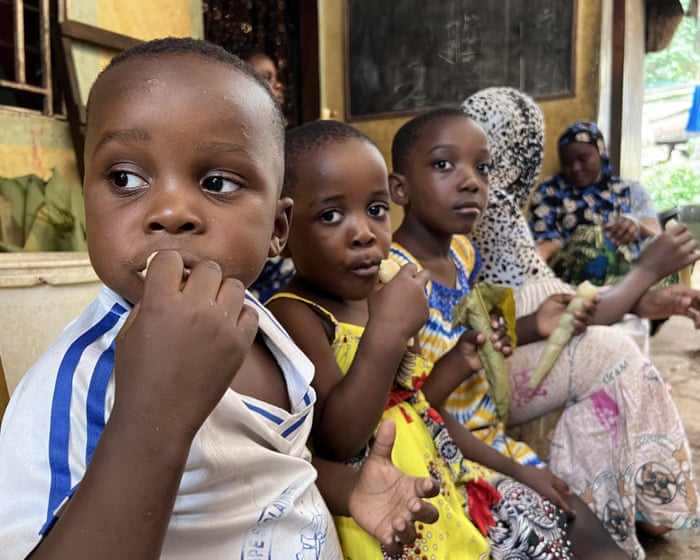
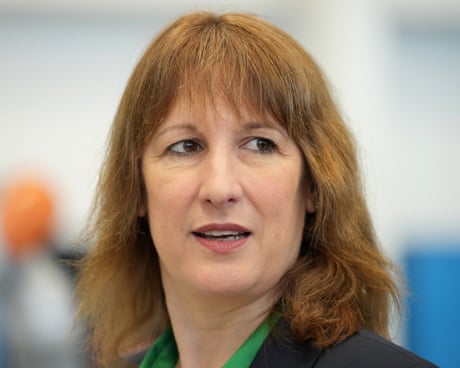
Rachel Reeves has appointed a labour market expert who has repeatedly called for better pay and conditions in key sectors, such as social care, to reduce the UK’s reliance on migrant workers as her new chief economic adviser.

Prof Brian Bell, who chairs the independent Migration Advisory Committee (MAC), which advises the government, has been announced as the new chief economic adviser in the Treasury – a senior civil service role.

Continue reading...

© Photograph: Sarah M Lee/The Guardian

© Photograph: Sarah M Lee/The Guardian

© Photograph: Sarah M Lee/The Guardian

  •  

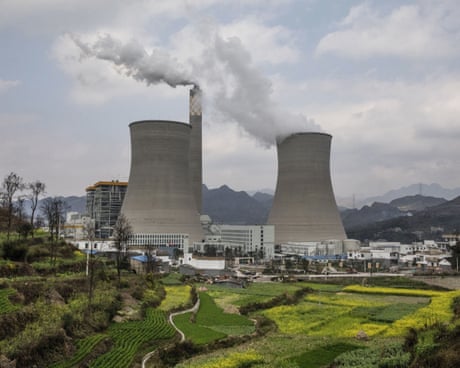
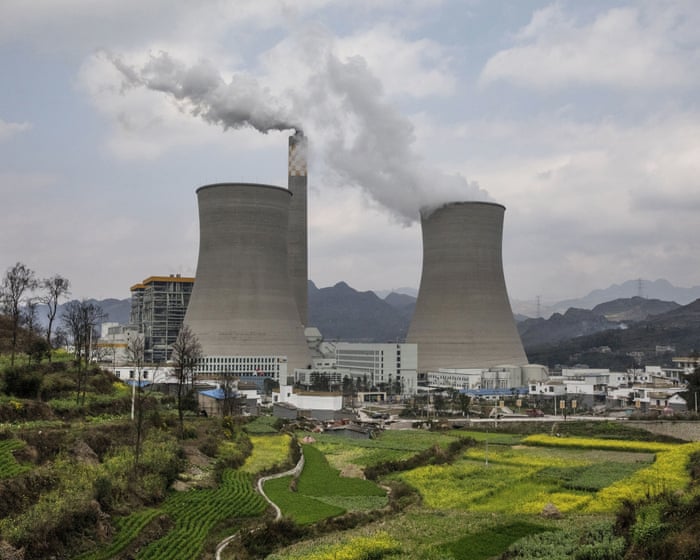
Businesses must take responsibility for biodiversity loss – for their sake as much as ours

Scientists believe we’re seeing the largest loss of life since the dinosaurs – and it’s a risk to the global economy. Governments and companies need to work together on solutions

Don’t get Down to Earth delivered to your inbox? Sign up here

It feels like groundhog day: another week, another warning about the seriousness of the biodiversity crisis. This time it was the financial sector’s turn, as on Monday a major report, approved by more than 150 governments, said that many companies face collapse unless they better protect nature.

From healthy rivers to productive forests, the natural world underpins almost all economic activity. But human consumption of the Earth’s resources is unsustainable, driving what many scientists believe is the largest loss of life since the dinosaurs. And companies are not immune to the consequences.

Economics has failed on the climate crisis. This complexity scientist has a mind-blowing plan to fix that

‘To live a normal life again, it’s a dream come true’: UK’s first climate evacuees can cast off their homes and trauma

‘We’ve lost everything’: anger and despair in Sicilian town collapsing after landslide

‘It sounds apocalyptic’: experts warn of impact of UK floods on birds, butterflies and dormice

Indonesia takes action against mining firms after floods devastate population of world’s rarest ape

‘We thought they would ignore us’: how humans are changing the way raptors behave

Continue reading...

© Photograph: Kevin Frayer/Getty Images

© Photograph: Kevin Frayer/Getty Images

© Photograph: Kevin Frayer/Getty Images

  •  

Reeves urged to reassure MPs over public finances amid £6bn-a-year Send costs

City analysts say financial market investors will be worried if cost is deducted from budget surplus

Rachel Reeves is under pressure to reassure MPs over the state of the UK’s public finances, amid concerns that the rising cost of special educational needs and disabilities (Send) could leave a significant hole in the government’s financial buffer.

Meg Hillier, the chair of the all-party House of Commons Treasury committee, said the chancellor should make clear her long-term plans for the £6bn-a-year Send bill as uncertainty grows over how it will be accounted for at the end of the decade.

Continue reading...

© Photograph: Toby Melville/Reuters

© Photograph: Toby Melville/Reuters

© Photograph: Toby Melville/Reuters

  •  

UK economy limps along at 0.1% growth – but there are reasons for optimism in 2026

Consumers and businesses are not yet taking the hint despite six interest rate cuts

Rachel Reeves has suggested 2026 is the year Labour can start to deliver on its economic promises; but 0.1% GDP growth in the final quarter of last year is hardly the springboard she was hoping for.

In the supportive message on X she sent on Monday as Keir Starmer’s future appeared under threat, the chancellor claimed “the conditions for the economy to grow are there”.

Continue reading...

© Photograph: Andy Rain/EPA

© Photograph: Andy Rain/EPA

© Photograph: Andy Rain/EPA

  •  

Declines in health and education in poor countries ‘harming earning potential’

World Bank says children born today could earn 51% more over lifetime if their country’s human capital improved

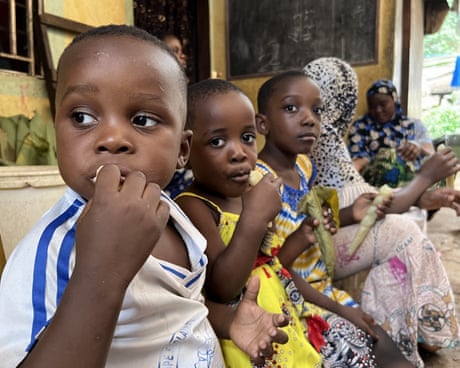
Deteriorating health, education and training in many developing countries is dramatically depressing the future earnings of children born today, the World Bank has said.

In a report, the World Bank urges policymakers to focus on improving outcomes in three settings: homes, neighbourhoods and workplaces.

Continue reading...

© Photograph: Anadolu Agency/Anadolu/Getty Images

© Photograph: Anadolu Agency/Anadolu/Getty Images

© Photograph: Anadolu Agency/Anadolu/Getty Images

  •  

UK economy grows by only 0.1% amid falling business investment

GDP in last three months of 2025 also hit by weak consumer spending, with little momentum going into this year

The UK economy expanded by only 0.1% in the final three months of last year, according to official data, as falling business investment and weak consumer spending led to little momentum going into 2026.

Figures from the Office for National Statistics (ONS) show that the economy grew at the same rate of 0.1% as the previous three months. This was less than a 0.2% rise that economists had been expecting.

Continue reading...

© Photograph: Chris Furlong/PA

© Photograph: Chris Furlong/PA

© Photograph: Chris Furlong/PA

  •