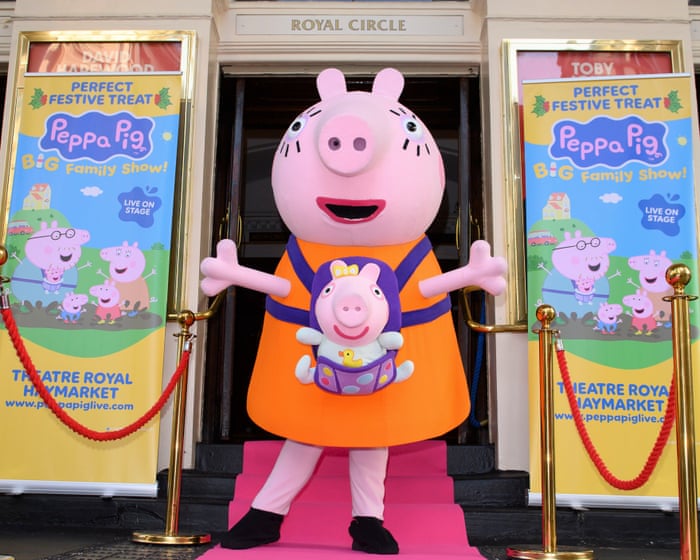
Auditorium to remove bacon and sausages from cafe during stage run after request from campaign group
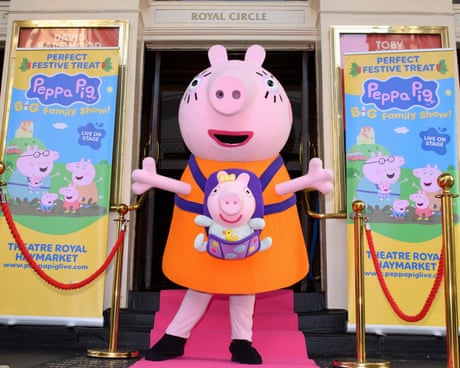
Campaigners are calling on theatre bosses to stop serving bacon, sausages and ham in their cafes – at least while Peppa Pig and her family are performing in the same building.
Beehive socialism | Ratcliffe’s apology | Tommy Cooper’s dream | Valentine’s Day | Love boat
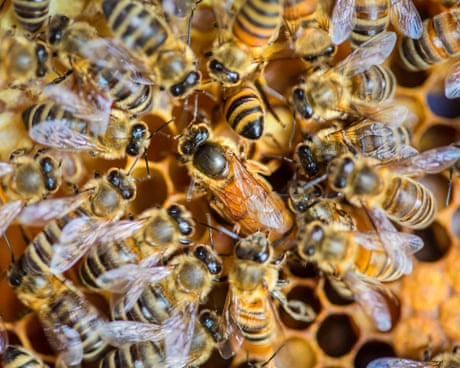
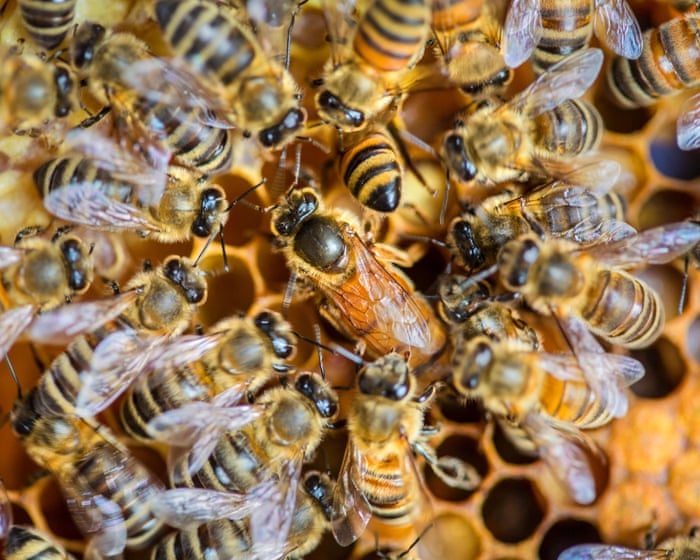
The beehive may not be quite the utopian dream it first appears to be (Letters, 9 February). Worker bees need to be so active during the summer months that they typically only survive for about four to six weeks. Drone bees’ longevity is not much better. The lucky ones may get to service the queen, but die as a consequence. Unsurprisingly, the queen fares much better. Tom Challenor Ealing, London
• So Jim Ratcliffe is sorry for his choice of language use in relation to immigration (Report, 12 February). What about being sorry for his sentiments? Could I suggest that he spends a week as a bed-bound inpatient in a NHS hospital before he makes a judgment about the contribution of immigrants? Liz Thompson Oxford
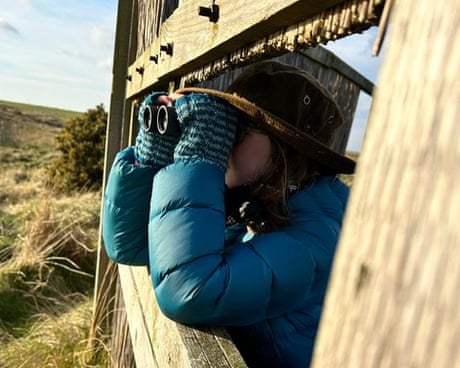
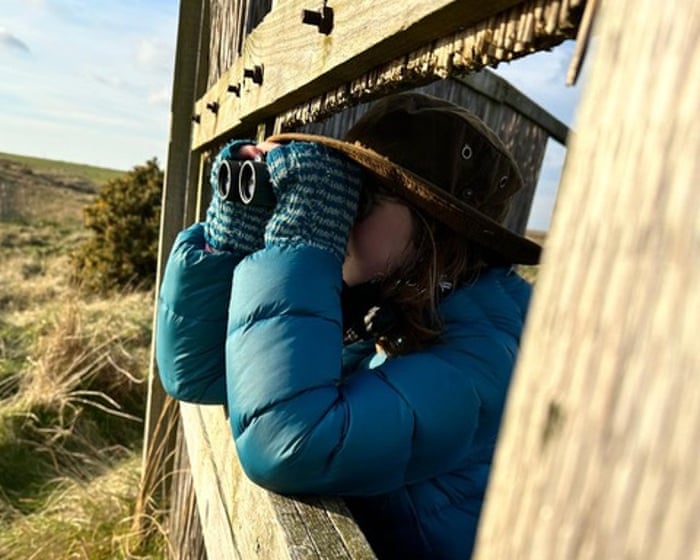
Our wildlife series Young Country Diary is looking for articles written by children, about their winter encounters with nature
**Editor’s note: The deadline has now passed for winter submissions – but keep hold of this link, the form will reopen on Wednesday 1 April for spring articles.**
Once again, the Young Country Diary series is open for submissions! Every three months we ask you to send us an article written by a child aged 8-14.
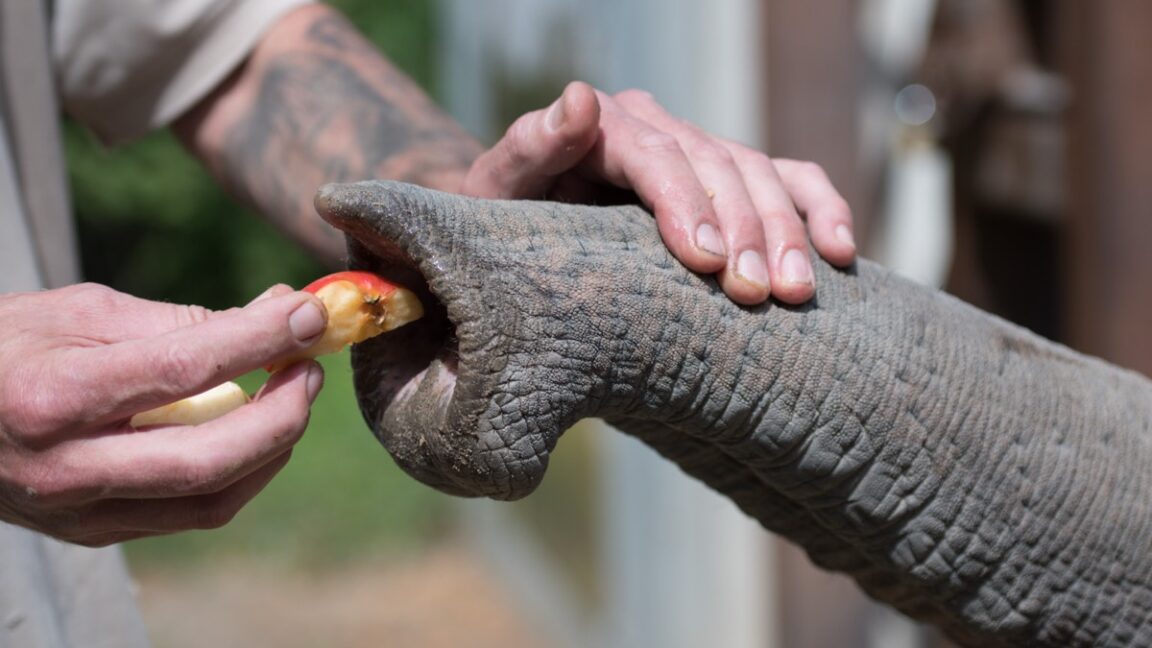
An elephant's trunk is a marvelous thing, flexible enough to bend and stretch as it forages for food, but also stiff enough to grasp and maneuver even delicate objects like peanuts or a tortilla chip. That's because the trunk is highly sensitive when it comes to sensing touch. Scientists have determined that the whiskers lining the trunk are crucial for that sensitivity thanks to their unique structure, amounting to a kind of innate "material intelligence, according to a new paper published in the journal Science.
As previously reported, there is a long history of studying whiskers (vibrissae) in mammals. Rats, cats, tree squirrels, manatees, harbor seals, sea otters, pole cats, shrews, tammar wallabies, sea lions, and naked mole-rats all share strikingly similar basic whisker anatomies, according to various prior studies. Among other potential applications, such research could one day enable scientists to build artificial whiskers as tactile sensors in robotics, as well as learn more about human touch.
Whiskers are much more complex than one might think, both in structure and function. Rats, for instance, have about 30 large whiskers and dozens of smaller ones, part of a complex “scanning sensorimotor system” that enables the rat to perform such diverse tasks as texture analysis, active touch for path finding, pattern recognition, and object location, just by scanning the terrain with its whiskers.
Conservation efforts to improve red squirrel numbers in mid Wales are being undermined by developers, writes Lorna Brazell of the Cambrian Mountains Society
I was interested to read about the efforts being debated to conserve England’s embattled red squirrel population (‘On a knife edge’: can England’s red squirrel population be saved?, 6 February). In view of the inexorable spread of the greys across Great Britain, it was actually a surprise to learn there are still reds anywhere as central to the island as the Lake District. But it was also a disappointment to find that the article overlooked Welsh red squirrels entirely – despite the significant success of efforts to conserve them on Ynys Môn and the presence of a significant, genetically distinct population here in the Cambrian Mountains.
Reds are, as you mention, the most-missed threatened mammal species of Great Britain, so we cannot afford to ignore any of their few remaining fastnesses. Ideally, we would also be taking concrete steps to protect those places from further erosion of habitat or human disturbance.
The Bob Coveiro (the Gravedigger) Law ‘recognises the emotional bond between guardians and their pets’
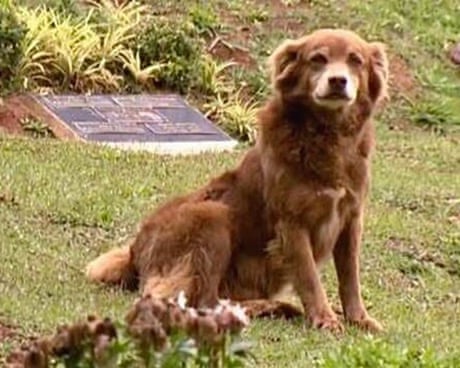
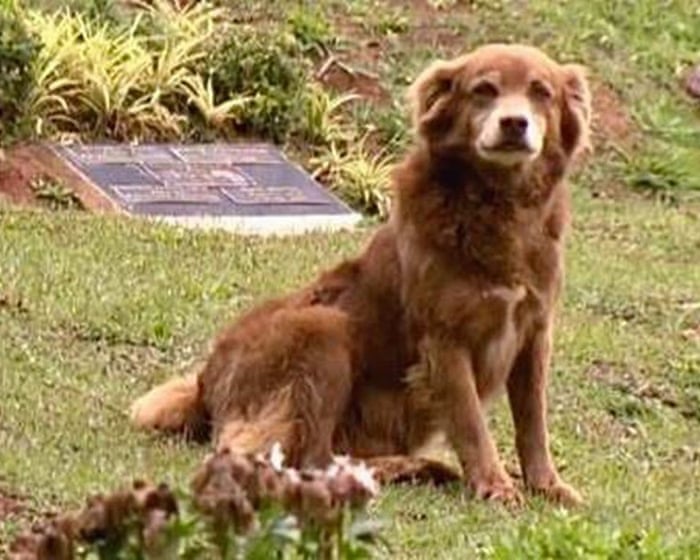
A dog that remained beside his former owner’s grave for 10 years has now given his name to a new state law allowing pets to be buried alongside their loved ones in São Paulo.
The new law – already being informally referred to as the Bob Coveiro (the Gravedigger) Law, in tribute to its inspiration – was signed this week by the governor of Brazil’s most populous state, the conservative Tarcísio de Freitas.

 Login
Login