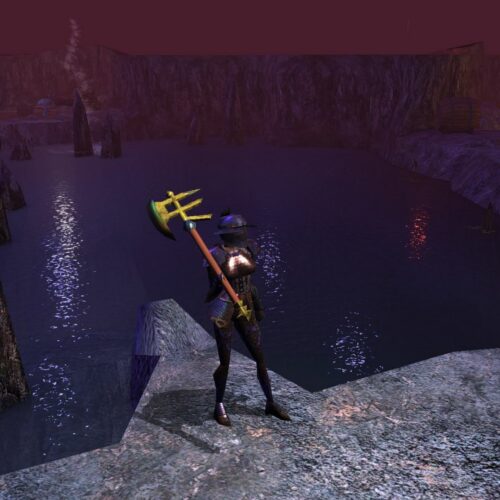
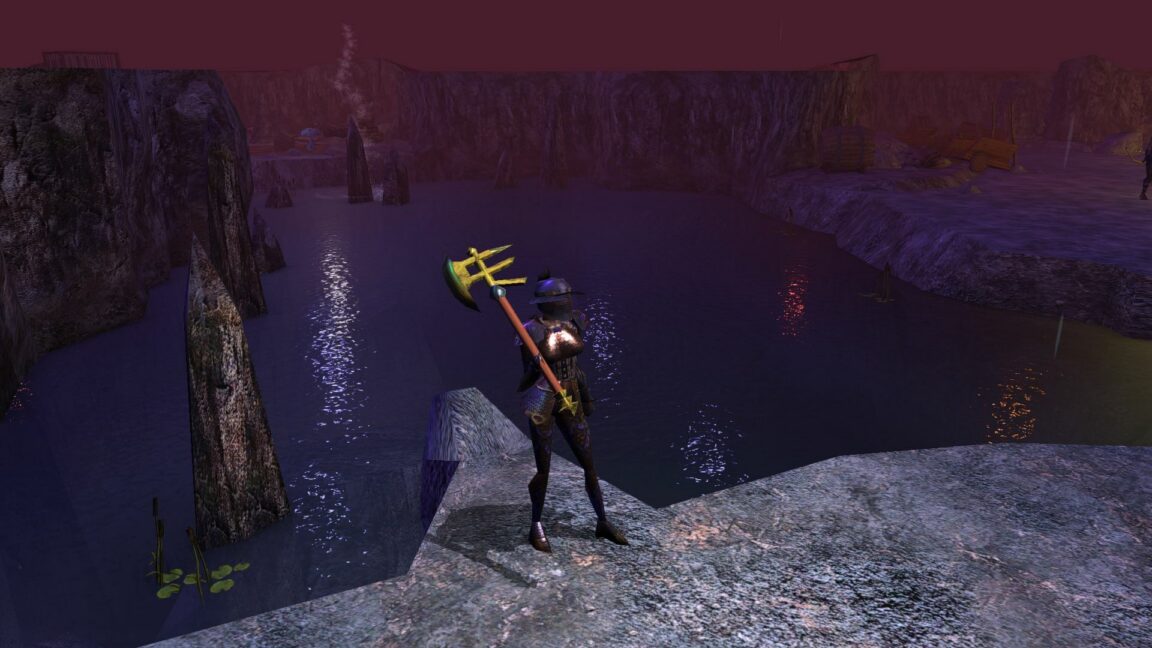
Neverwinter Nights was made by the studio that produced seminal RPGs Baldur's Gate, Star Wars: Knights of the Old Republic, Mass Effect, and Dragon Age. It sold well and was critically acclaimed at launch. Yet, somehow, it has not been canonized in most gamers' minds over the decades the same way the games that came before and after it were.
Nonetheless, more than two decades later, it still has a tight-knit and surprisingly active community that none of those other games can rival. I think that's partly because it was a completely different beast.
A new bill proposed by Rep. Ritchie Torres (D-NY) aims to establish new regulations that would ensure that "buying a video game would give the consumer ownership of the game rather than a license to play it," including assurances that they can continue to access the games for years after they are released.
The announcement names NBA 2K25 as an example of the problem the bill aims to solve; that game launched on September 6, 2025, but is scheduled to become unplayable on December 31 due to server shutdowns. The bill, which is called the Power to Players Act, directs the FTC to take action to prevent outcomes like that in the future.
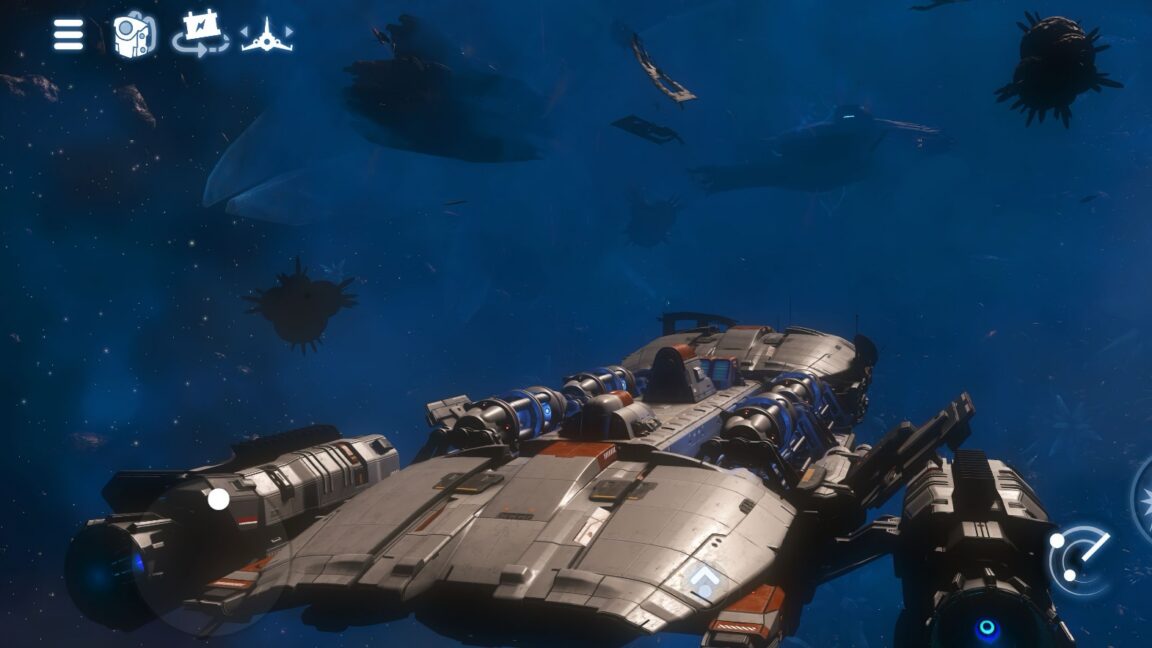
Just over 10 years after its initial release, space exploration and survival crafting game No Man's Sky is making its way to the iPhone and iPad, Apple and developer Hello Games announced today.
It will run on devices as far back as the iPhone 11 and the third-generation iPad Air. No Man's Sky might not have the most cutting-edge AAA graphics (though they're still strong, and they've come a long way since launch via updates), but the game's uncommon method of generating galaxies of incomprehensible scale on-device, and consistently for all players from a single-seed, happening on a phone is remarkable for those of us who remember phones performing far behind consoles or desktop PCs.
OpenAI will begin automatically watermarking text generated with ChatGPT in the European Union, the company has announced. It will also offer the watermarking feature in other regions, but it will be off by default outside of the EU.
The move in Europe is driven by a need to comply with the EU AI Act, which took effect in August. It requires marking content produced by AI models in a way that another tool can detect. Unfortunately, there is still no completely effective and reliable way to do that. A few standards already exist, like SynthID and the C2PA project, but they are relatively easy to circumvent for anyone with basic know-how.
The same is likely true for OpenAI's watermark. Its method is proprietary; the company calls it textGrain, and has published a technical paper explaining how it works. But in general, it works like other LLM watermarking tools we've seen in the past: It puts patterns in the word choices that are not clear to a human reader and that don't meaningfully change the general quality of the output, but that someone with a key can use a specialized detector to find. OpenAI says it will be giving access to the detector to a limited number of researchers and organizations and providing a request-for-approval process for others to be added over time.

 Login