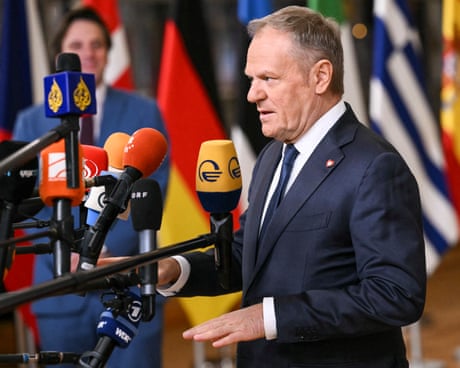
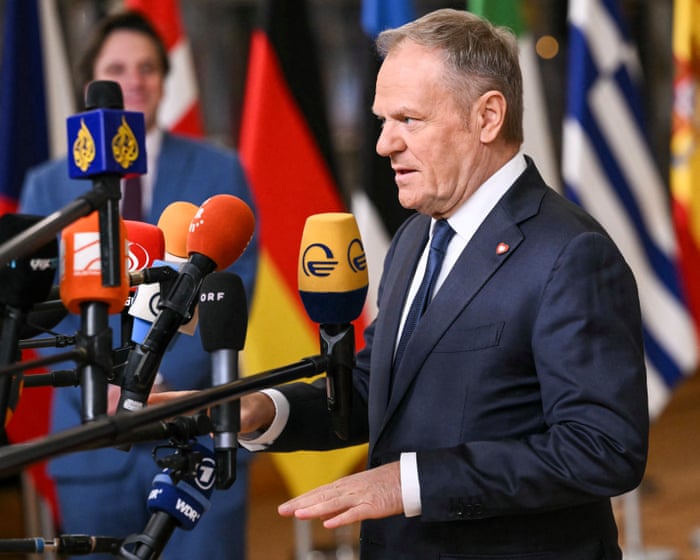
Poland’s Donald Tusk issues warning to European leaders before Brussels summit as Zelenskyy says no deal would pose ‘big problems for Ukraine’
Germany’s chancellor Friedrich Merz confirms his support for the EU’s reparations loan, saying he sees “no better option.”
He diplomatically acknowledges Belgium’s concerns, and says he hopes “we can address them together” to “send a signal of strength and resolve … towards Russia.”
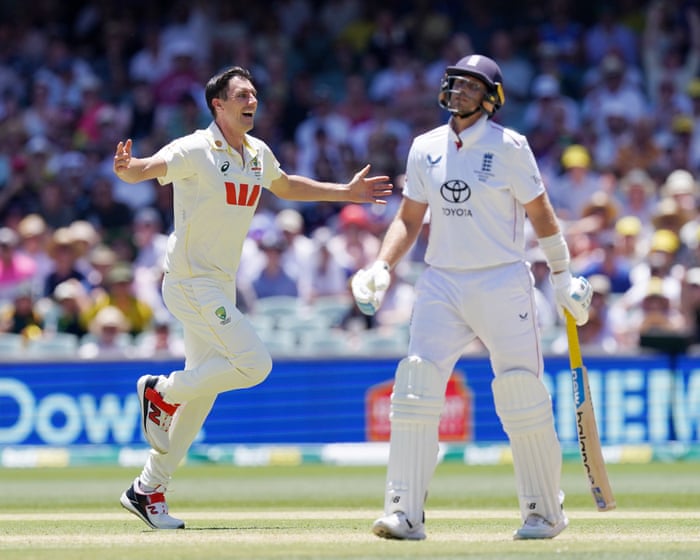
Tourists trail by 158 after late Stokes and Archer stand
On a sweltering second day in the so-called city of churches, faith appeared to evaporate. Faith in technology, certainly, a sentiment shared by both sets of players. But for England there was a broader loss of belief in their attacking philosophy after having it systematically dismantled by Australia.
This could have been the day that England finally made a statement with the bat in this Ashes series. It was a 40c furnace out in the middle for the bowlers, the breeze akin to a hairdryer. And the pitch, bone dry, had none of the bounce that proved their undoing during those sorry defeats in Perth and Brisbane.
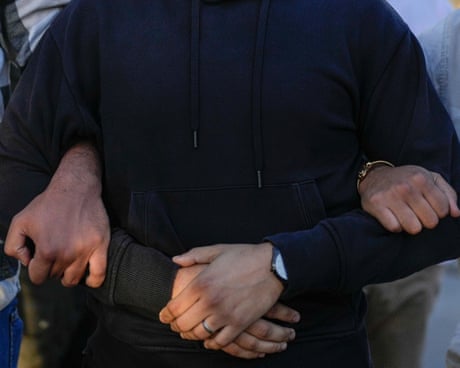
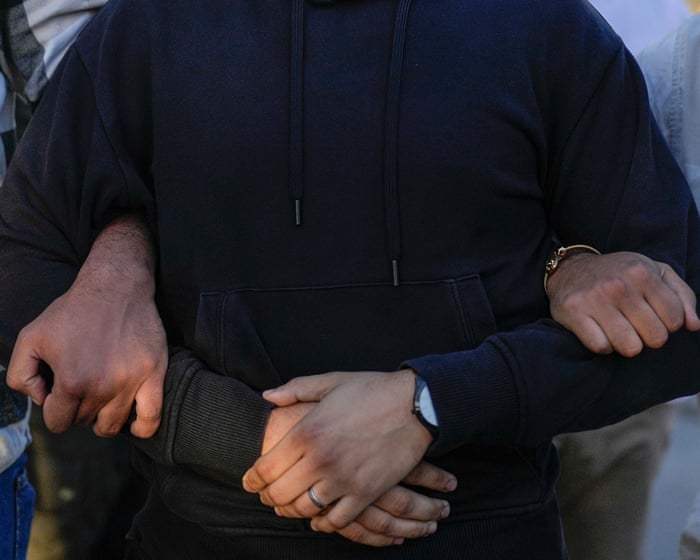
Heavily armed tactical operation officers intercepted two cars on a busy street with images showing suspects cable-tied on the side of the road
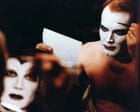
Police have detained seven men in connection with possible planned violence in Sydney’s south-west.
Tactical operations police had responded to “information received that a violent act was possibly being planned” on Thursday evening, a NSW Police spokesperson said.
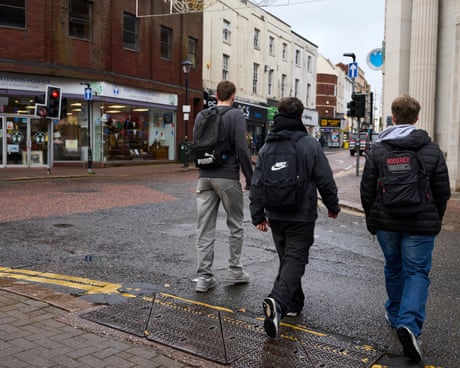
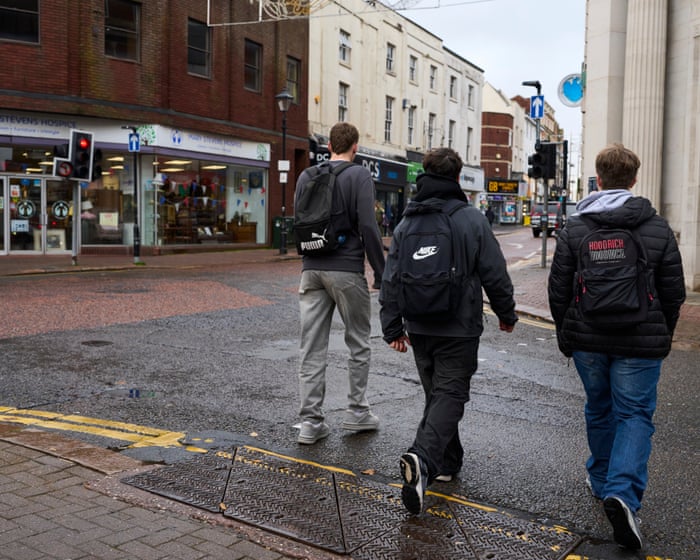
Social mobilityreport highlights ‘extreme regional differences’ in terms of childhood, jobs, innovation and growth
Former industrial communities across Britain are facing “entrenched disadvantages” stretching back decades, the latest social mobility research has said.
It raises specific concern about the rising number of young people aged 16-24 not in education, employment or training (Neets), which was one in seven between 2022 and 2024.
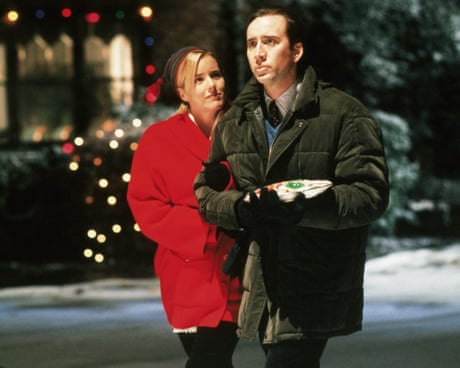
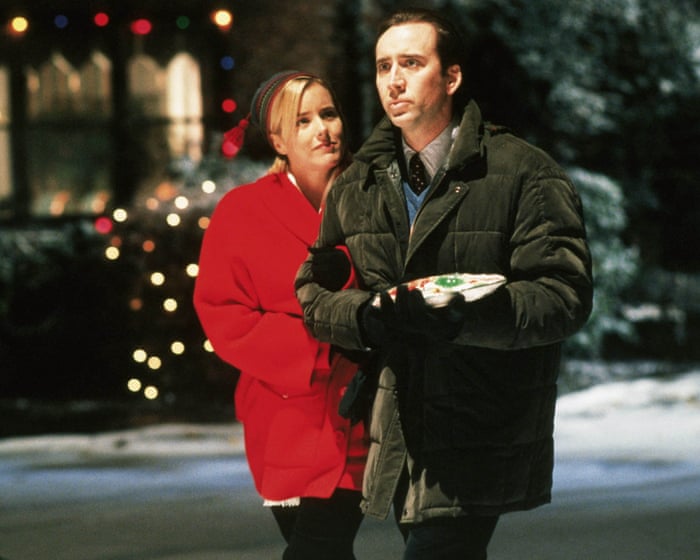
After Guardian writers picked their favourite lesser-known festive movies, readers shoutout Klaus, The Ref and more
I thought a real modern hidden gem is All Is Bright starring Paul Rudd and Paul Giamatti as two down-on-their-luck Christmas tree sellers. It’s perfectly played by both, with Rudd putting in, not his usual “puppy dog everyone wants to be your mate” role but a sarcastic turn, complementing Giamatti’s Christmas grinch. More a black comedy (by Hollywood standards), it’s an excellent film. Andyouwillknowme
What was the final resting place of the bronze age toxophilite? Which butterfly is named after the giant with 100 eyes? Who was shown carrying Bananaman’s 45th birthday cake? On your marks … set, go!
Editor’s note: the King William’s College quiz has appeared in the Guardian since 1951. The quiz is no longer sat formally; it is sent to the schoolchildren and their families to tackle over the Christmas holiday. So yes, you are allowed to Google – however, the questions are constructed to make that less than straightforward. Answers will appear on theguardian.com on 13 January 2025. Good luck!
General knowledge paper, 2025-2026, No 121, set for the pupils of King William’s College, Isle of Man
Oh, The Studio – how do I love thee? Let me count the ways. Or at least allow me to gaze, rapt, from behind an ornamental palm tree as your vintage convertible hurtles towards yet another catastrophic Hollywood assignation.
The Emmy-winning creation of Seth Rogen and long-term writing partner Evan Goldberg, The Studio follows Matt Remick, an idealistic film executive who finds himself unexpectedly promoted to head of Continental Studios. “This could be my time!” he gasps, cock-a-hoop to find himself in charge of the company to which he has devoted the last 22 years of his life. He is, unfortunately, correct. “Film is my life,” he splutters during his tearfully grateful acceptance speech to CEO Griffin Mill (Bryan Cranston). Mill – an oleaginous sod with a spray tan the colour of a 70s ski lodge – smiles thinly. “At Continental, we don’t make films. We make movies. MOOOOVIEEEEES that people wanna PAY to see,” he explains, tightly, and Matt’s face proceeds to sink like a souffle. And it continues to sink over 10 exquisitely excruciating episodes, as his hopes for a new era of intelligent, auteur-helmed blockbusters are repeatedly marmalised by a system both frightened and angered by anything that can’t be deposited in a Swiss bank account.
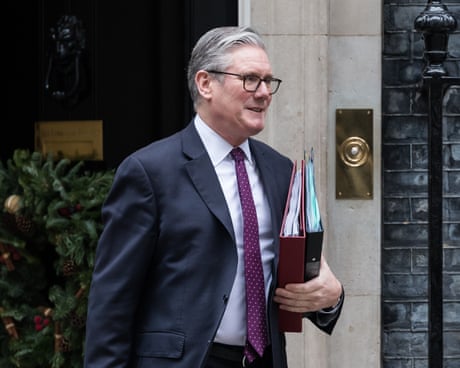
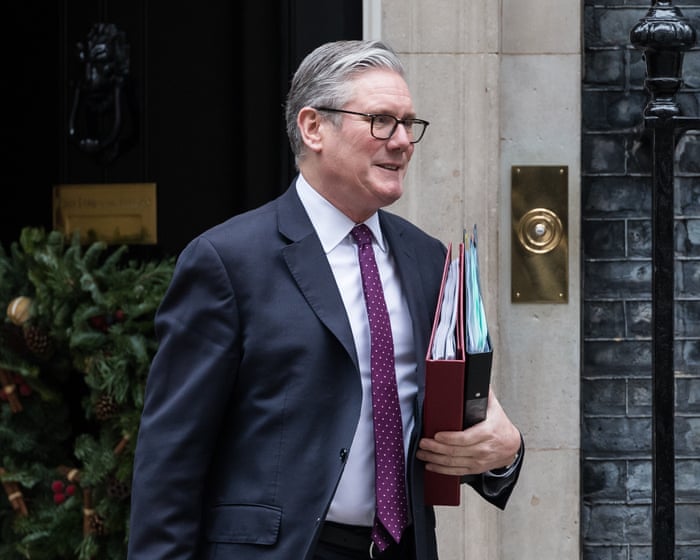
Keir Starmer is planning for a new king’s speech after the crunch May elections as a reset moment for the government amid speculation over the prime minister’s future.
Senior sources in parliament said planning was under way to end the parliamentary session the week after local elections in England and parliamentary elections in Wales and Scotland in May, making it a significantly longer session than normal, and nearly two years since Labour first set out its legislative agenda.
Former top medic described as ‘Dr Death’ by prosecutors poisoned 30 people ranging in age from four to 89
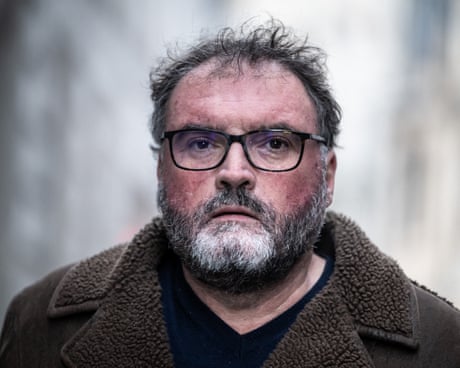
A French anaesthetist described by prosecutors as “Dr Death” has been found guilty of intentionally poisoning 30 patients and killing 12 over almost a decade as a top medic.
Frédéric Péchier, 53, once seen by colleagues as a “star anaesthetist”, was sentenced to life in prison on Thursday after state prosecutors said he was “one of the biggest criminals in the history of the French legal system”.
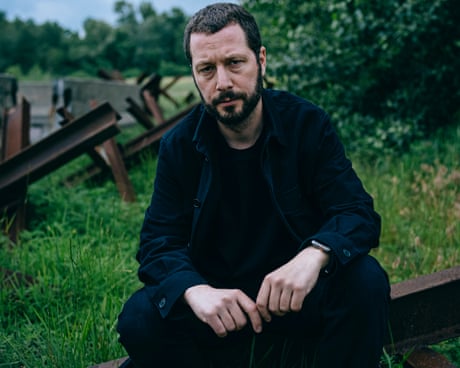
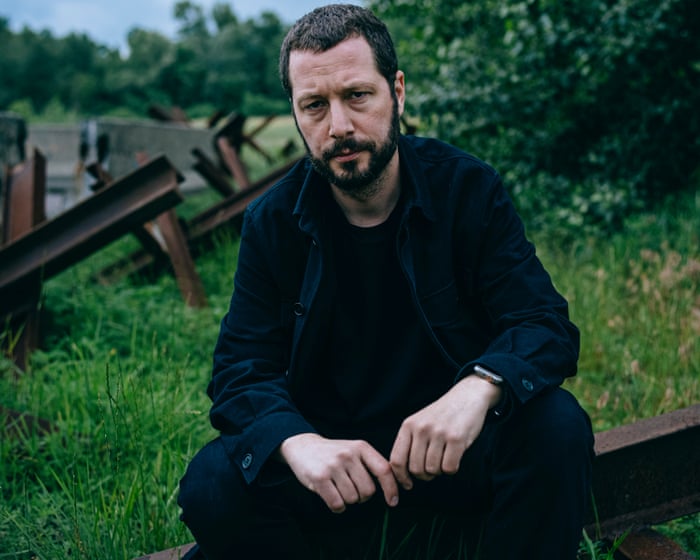
The documentary-maker on new film 2000 Meters to Andriivka (the Guardian’s No 2 film of 2025), being on the Oscar circuit with 20 Days in Mariupol and filming on the frontline
Adrian Horton: I know you were showing your prior film, 20 Days in Mariupol, to western audiences when you began working on this film. What brought you back to the frontlines? Mstyslav Chernov: What brought me back was not speaking to the audiences, even, but just coming out of Mariupol, we were so devastated and so scarred by what happened. And then we went off to Bucha, where we saw more war crimes. And then I went to Kharkiv, my home town, which was bombed every day, just as Mariupol was. So even when we were starting to edit 20 Days in Mariupol, I was already looking for a story that would be, in a way, a response to that feeling I had, of devastation and helplessness. I kept seeing Ukraine as a victim of this brutal invasion, and I wanted to tell another story which would have an opposite direction – to show some sort of agency, some sort of strength and response to that violence, when Ukrainians push back.
AH: And that was when Mariupol was already out? What was that dissonance like for you – being on the Oscar circuit, then filming on the frontlines? MC: That was when the theatrical release started in July. It was the same time as Barbie and Oppenheimer, and it was the same time when we had dozens and dozens of Q&As for the wider public. It was when the first receptions and red carpets started. But of course, at the same time, the frontline was on fire. Ukraine was fighting this counteroffensive. And I would go from those places in the United States, in the UK, in Europe, these beautiful, peaceful cities, back to Ukraine – fly to the border, get a car, get a train, get another car, get in a trench. And in that trench, I would see a world that was so different. It would be like another planet, or 100 years backward in time. That collision of two worlds – I just tried to express it. I tried to comprehend it, how we live in a world where both war and peace and humanity and violence exist. And so 2000 Meters to Andriivka naturally became a film about distances, not just about the reality of war, not just about the humanity of people who are pinned down in those foxholes. But also about the distance between Europe and Ukraine, between Ukrainian society and people in the trenches. Hopefully that comes through.
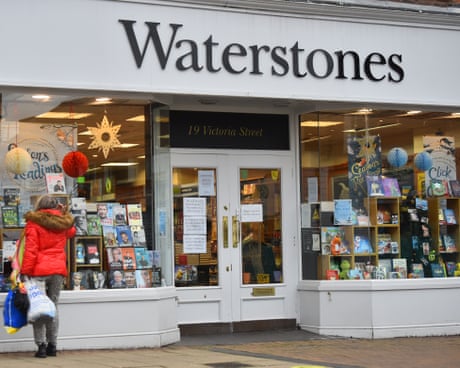
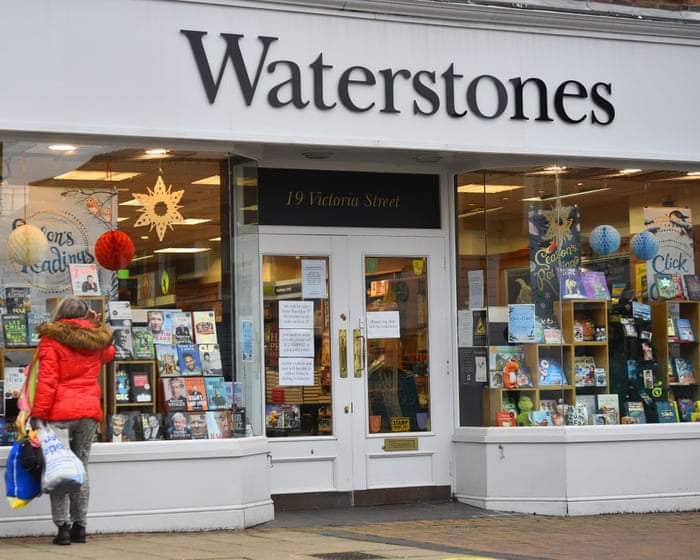
The owner of Waterstones and Barnes & Noble is reportedly preparing to list the booksellers on the stock market.
Elliott Investment Management, the hedge fund that owns the most popular bookstores in the US and the UK, has spoken to potential advisers about an initial public offering (IPO), the Financial Times reported.
Letter from 39 backbenchers threatens rebellion over proposal to expedite court backlog in England and Wales
Keir Starmer is facing the threat of a backbench rebellion over plans to reduce the number of jury trials in England and Wales as dozens of Labour MPs signed a letter describing the move as “madness”.
The justice secretary, David Lammy, announced plans earlier this month that will take thousands of trials away from the jury system to be heard instead by judges and magistrates.
AI Security Institute report finds most common type of AI tech used was general purpose assistants such as ChatGPT and Amazon Alexa
A third of UK citizens have used artificial intelligence for emotional support, companionship or social interaction, according to the government’s AI security body.
The AI Security Institute (AISI) said nearly one in 10 people used systems like chatbots for emotional purposes on a weekly basis, and 4% daily.
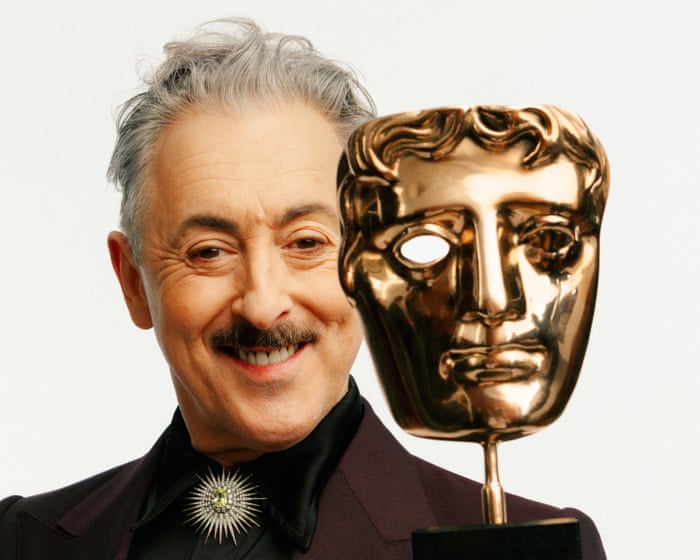
The Scottish actor and presenter – who hosted the Bafta TV awards this year – will take over from David Tennant at the February ceremony
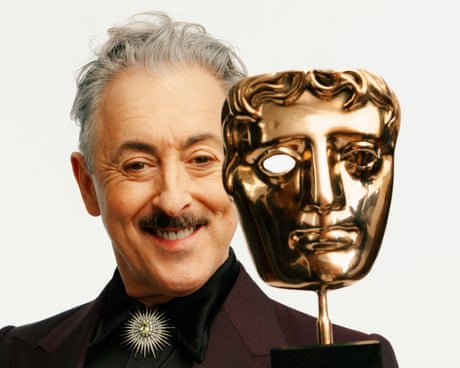
The Scottish actor and presenter Alan Cumming has been named as the new host of the Bafta film awards, taking over the reins from David Tennant.
Cumming, who hosted the Bafta TV awards earlier this year and captivated audiences worldwide as host of The Traitors US, will take the stage at the Royal Festival Hall for the ceremony on 22 February 2026.
Remarkably, most of the men connected to the convicted sex offender have barely experienced any fallout. That says as much as the scandal itself
A couple of weeks ago, the annual DealBook Summit got under way in New York. It’s a series of public talks billed as conversations with “the world’s most consequential people”, and is part of that circuit of live events in which the worst people on Earth gather on stage to address the second-worst people on Earth, their paying audience. Hosted by Andrew Ross Sorkin, the conference was a characteristically starry affair, but in a lineup that included Charlie Kirk’s widow, Erika Kirk, the US treasury secretary, Scott Bessent, and “changemaker” Halle Berry, it was Ehud Barak, the former prime minister of Israel and a former associate of Jeffrey Epstein, who really caught the eye.
My first thought about Barak’s appearance was: Larry Summers must be spitting. Summers, the former president of Harvard and another Epstein associate, was very much not on stage at the DealBook Summit, nor is he anywhere else in polite society right now. One can only imagine how bitter he must be feeling about the variance in fortunes of the men – and occasional woman – with known connections to Epstein. Of this list, two are dead (Marvin Minsky and Jean-Luc Brunel), one is in jail (Ghislaine Maxwell) and one has lost his house, his title and his invitation to the family Christmas (Andrew Mountbatten-Windsor). But for the rest of the prominent associates, email correspondents, birthday-card signatories, grant recipients and dinner companions of the late convicted paedophile – all of whom insist that, while in Epstein’s orbit, they remained in total ignorance as to the man’s true nature – the cancellation fairy’s aim has been predictably inconsistent and wide.
Emma Brockes is a Guardian columnist
Do you have an opinion on the issues raised in this article? If you would like to submit a response of up to 300 words by email to be considered for publication in our letters section, please click here.
TV’s greatest guilty pleasure is back – and it’s still a total hoot! Prepare to gorge yourself silly on it over the holidays along with the mince pies. You know you want to …
‘Turn off your brain and jump!” So says London geezer Alfie (Lucien Laviscount) to ex-girlfriend Emily’s best pal Mindy (Ashley Park), as they flirt their way through a racy dance scene. It could, of course, be an instruction to viewers of season five of Emily in Paris, too. Once pilloried for its Anglophile tendencies and surface-level commitment to la culture française, the fluffy dramedy about an American in Paris helmed by Lily Collins has – over the past five years – become one of TV’s greatest guilty pleasures: a fancy fever dream of great clothes, strapping love interests and a constant karaoke soundtrack courtesy of Park, a Broadway star whose contract clearly dictates that she sing at least five times per episode. The clothes are less outlandish this time around, but still aspirational – lending the show a strand of Sex and the City DNA (they also share a creator, Darren Star).
But, unlike SATC – whose spinoff And Just Like That devolved into a mindless mess – Emily in Paris is free of any baggage, and at liberty to be as silly as it fancies. Much of season five doesn’t even take place in Paris, as our leading lady continues to mix business and pleasure in Rome with cashmere heir Marcello (Eugenio Franceschini). “Ciao and ni hao!” says Mindy, who has rejected a job as a judge on Chinese Popstar (“I’d rather be judging people in real life than on TV”) and is now headed to Italy, just in time to help Emily and her crack marketing team with some #sponsoredcontent (read: singing inside a giant martini glass). Also in town is Alfie: cue an inadvisable fling between the two that instantly breaks all the rules of girl code.
Fifa has made big mistakes over 2026 tournament but it can afford to slash prices and even give some tickets away
Who is the World Cup for? Fifa appeared to share some of its thinking on this topic in the past week. On the one hand, there was the revelation that spectators are being asked to pay more than twice as much for match tickets than they were in Qatar. On the other, the news that prize money for competing teams is to rise by more than 50% on four years ago. Stakeholders are doing good! Fans? Not so good.
It hasn’t taken long for some of those watching to wonder whether things could be done differently. Tom Greatrex, the chair of the Football Supporters’ Association, which represents fans in England and Wales, argued that the ability to pay expanded prize money, itself a result of expanded revenue, showed “there is no need to charge extortionate ticket prices to the supporters who bring the vibrancy to the World Cup”. You could go so far as to say there was never a real need to do it in the first place.
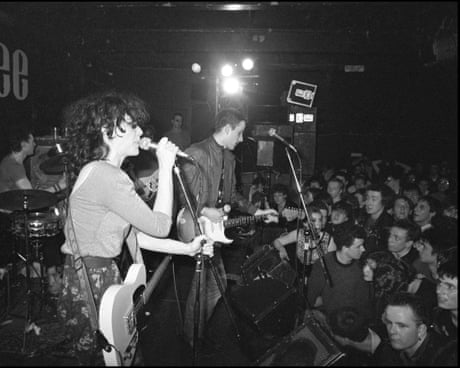
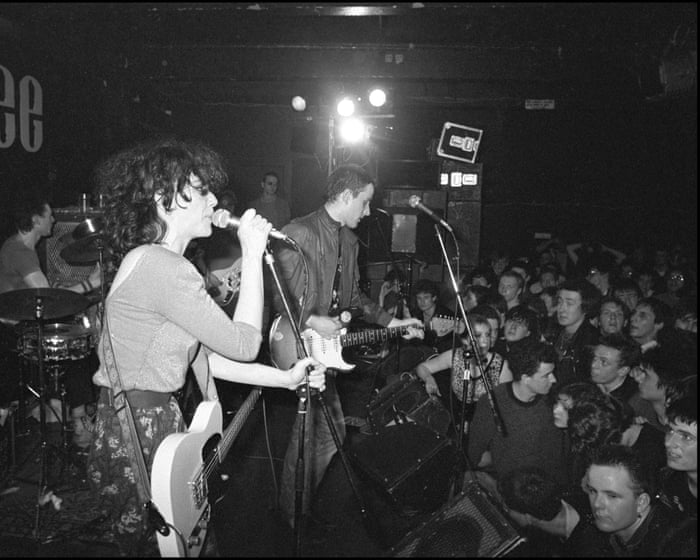
Her post-punk trailblazers were a key influence on riot grrrl. Now, after decades working as a lawyer, she is taking the name – though, contentiously, not the rest of the band – back on the road. ‘I haven’t given the best of me yet’, she says
At the height of her music career in the early 1980s, Lesley Woods got accustomed to dealing with irate men. As the singer and guitarist of Au Pairs, the Birmingham post-punk four-piece, she recalls “guys being aggressive purely because you were a woman on stage”. At one show, the band were on the bill with UB40 and the Angelic Upstarts, only the latter didn’t turn up. “So the audience, who were 95% skinheads, were gobbing at us and throwing anything they could get their hands on – which included a bin.” Was she scared? “No, I was bolshie back then. I just went to the front of the stage and said: ‘You missed.’”
After the band split in 1983, Woods hoped her days of dealing with overt misogyny were behind her. But then she retrained and became a lawyer. “When I came to the bar [in the 1990s], women couldn’t even wear trousers. I used to get men saying: ‘What colour knickers are you wearing today, Lesley?’ It’s better now, but back then law was way worse than music in how it treated women.”
The racism, the predatory politics, the banality and cruelty: we struggle to make sense of it, but JG Ballard foretold everything we are living through now
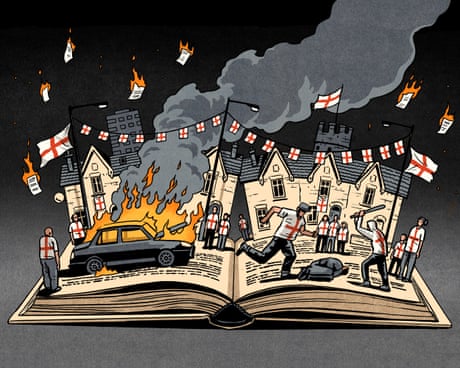
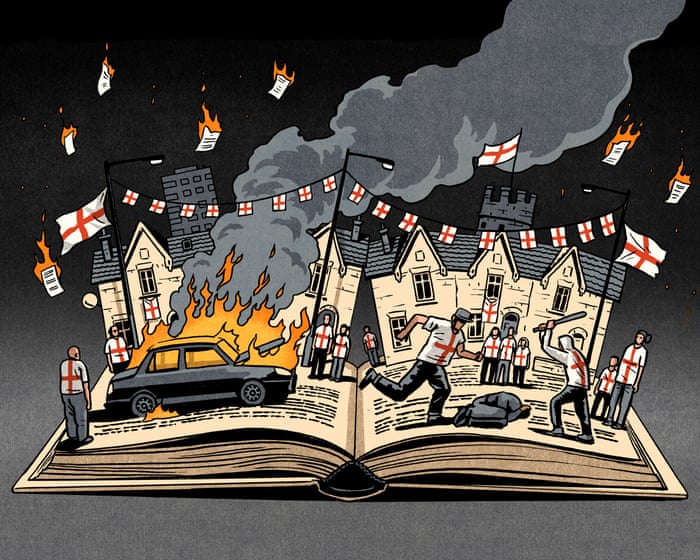
An Englishman drives into a new town and can’t see the warning signs. Richard Pearson is visiting Surrey to close down his late father’s home and settle his affairs and, everywhere he looks, the flag of St George is flying “from suburban gardens and filling stations and branch post offices”. How nice, he thinks, how festive.
Soon he learns the truth.
So runs the opening not of a recent piece of journalism, but a novel by JG Ballard, Kingdom Come, which despite being almost 20 years old anticipates today’s Britain with eerie precision. In the mid-2000s, Pearson reads up on his new surroundings, only to find the same headlines that assail us in the mid-2020s: “Every day the local newspaper reported attacks on an asylum hotel, the torching of a Bangladeshi takeaway, injuries to a Kosovan youth thrown over the fence into an industrial estate.”
From floods to droughts, erratic weather patterns are affecting food security, with crop yields projected to fall if changes are not made
Experts have warned that the world’s ability to feed itself is under threat from the “chaos” of extreme weather caused by climate change.
Crop yields have increased enormously over the past few decades. But early warning signs have arrived as crop yield rates flatline, prompting warnings of efficiency hitting its limits and the impacts of climate change taking effect.
In the year leading up to March 2025, one in eight women in England and Wales had been a victim of domestic abuse, sexual assault or stalking. Almost 200 rapes are recorded every day. And on average, three women are killed by men in the UK every single week. Just pause and consider that.
There has been plenty of tough talk on violence against women and girls over the past decade – but too little action. We will deploy the full power of the state in the largest crackdown on violence perpetrated against women and girls in British history. This violence is a national emergency. And as a dad to a daughter, it terrifies me. But as a dad to two sons, it drives home that we can’t keep doing things the same way.
David Lammy MP is the deputy prime minister, lord chancellor and secretary of state for justice
Do you have an opinion on the issues raised in this article? If you would like to submit a response of up to 300 words by email to be considered for publication in our letters section, please click here.
From aerial footage of an Indian pilgrimage to portraits of Romanians in bear costumes, this year’s awards featured stunning images from the streets of 23 countries
With ancient standing stones and modern midwinter festivals, the West Penwith peninsula is a land of magic and mystery
The light is fading fast as I stand inside Tregeseal stone circle near St Just. The granite stones of the circle are luminous in this sombre landscape, like pale, inquisitive ghosts gathered round to see what we’re up to. Above us, a sea of withered bracken and gorse rises to Carn Kenidjack, the sinister rock outcrop that dominates the naked skyline. At night, this moor is said to be frequented by pixies and demons, and sometimes the devil himself rides out in search of lost souls.
Unbothered by any supernatural threat, we are gazing seawards, towards the smudges on the horizon that are the distant Isles of Scilly. The clouds crack open and a flood of golden light falls over the islands. My companion, archaeoastronomer Carolyn Kennett, and I gasp. It is marvellous natural theatre which may have been enjoyed by the people who built this circle 4,000 years ago.
This resurrected Danish novel about a man who is ‘frozen down’, awaking in an Orwellian dystopia two decades later, is inventive, funny and all too timely
In the Danish author’s uncannily prescient novel, first published in 1969, the year is 1973 and Bruno works as a fiction editor for a popular weekly magazine; his talent for generating story ideas makes him indispensable to his authors. Invited for dinner at the home of one of them, Bruno finds himself seated next to a woman named Jenny, a struggling ballet dancer with a gloomy aspect and no sense of humour. Bruno is drawn to her nonetheless, and finds himself inventing stories about her. The following day, he is admitted to hospital to undergo tests: a small lump on the side of his neck has raised some concerns. Bruno cannot help feeling the two events are somehow connected.
It comes as little surprise to Bruno when he learns he has cancer. The doctor in charge of his case, Josef Ackerman, offers a choice: he can either undergo the gruelling and fallible radiotherapy currently prescribed for his disease, or he can become a pioneer in a new, radically experimental treatment programme in which patients are “frozen down”, remaining in a state of suspended animation until such time as medical science has advanced sufficiently to offer a cure.
Test yourself on topical news trivia, pop culture and general knowledge every Thursday. How will you fare?
Welcome to the final Thursday news quiz of the year – a small festive tradition involving the news, a handful of jokes, and the knowledge that somewhere there are 1,057 pedants limbering up to find something to nitpick. And it is a bumper 20-question edition. Thank you for quizzing throughout the year, for your comments, corrections and good-natured quibbles, and most of all for the kind messages literally hundreds of you sent the quizmaster during the Great Thursday Quiz Hiatus of 2025™, when he was off sick. It really meant a lot. Allons-y!
The Thursday quiz will return in the new year and wishes you a Merry Christmas, a great festive holiday period and all the best for 2026. Sign up for First Edition to get a Thursday quiz-style quiz of the year in your inbox on Christmas Day.
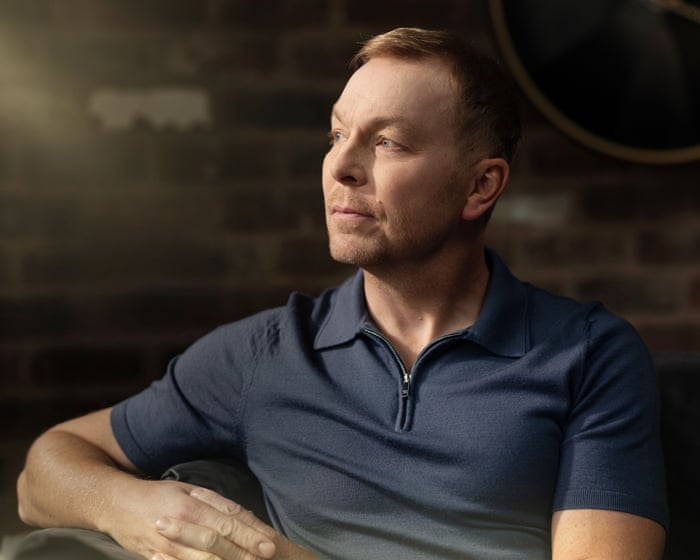
The Olympic cyclist puts together an inspirational plan to raise funds for cancer sufferers. Plus: Monica Dolan reads Jane Austen. Here’s what to watch this evening
9pm, BBC One This inspiring film follows Chris Hoy as he formulates a constructive and defiant response to his terminal cancer diagnosis. Glasgow: the Tour de Four is a bike ride that smashed its fundraising target of £1m for charity and proves that a medical prognosis doesn’t need to be the end. Famous friends, including Andy Murray and Jason Kenny, are around to lend a hand. Phil Harrison
From Hannah Hampton to Lando Norris, our experts give their view on why each nominee is a worthy winner
No sporting event in 2025 gripped England quite like the Lionesses’ Euros success and that euphoria would not have happened without Hannah Hampton’s saves. Long before Hampton dived the correct way to stop two Spain penalties in the final, including one from the world’s best player Aitana Bonmatí, she had produced heroics, without which the team would have flown home disappointingly early.
Marcona almonds from Spain, walnuts, dark chocolate, Agen prunes from France and a few decades of love go into this sumptuous, boozy frangipane tart
A recipe box was rifled through, but, alas, much like shopping for a present last minute, nothing leapt to the fore. Out of the corner of an eye I spied an old folder of pudding menus, all stained and tattered. A wonder at how this might have escaped notice was soon dispelled – unsurprising, really, given the usual state of my desk and shelves – and the page on which it fell open revealed the scribbles for a midwinter pudding menu. And, just like that, as if the scent rose from the page itself, came a memory of an almond, chocolate, walnut and prune tart being lifted from the oven, all mahogany hued and with a few bubbles bursting from the pieces of chocolate among the prunes peeking out.
My appetite for almond tart has never waned; be it in a restaurant kitchen or at home, an almond tart is nigh-on inevitable. When I was younger, almond tarts were often made with ready-ground almonds and usually invigorated by a drop or two of almond essence, because they were often shy of flavour. But then bags of whole marcona almonds from Spain began to arrive, and quickly usurped any notion of baking with any other almond. Shaped like teardrops and almost milky in colour, delicate, buttery and freshly ground, these almonds imbue a tart with a superb quality and flavour. The benefit of not having to blind bake a tart case balanced the need to bake the tart on a rack sat in a tray to catch any butter and almond oil-infused tears released while baking.
Jeremy Lee is chef/co-owner of Quo Vadis in London, and author of Cooking: Simply and Well, for One or Many, published by HarperCollins at £30. To order a copy, visit guardianbookshop.com.
As his 1981 film is rereleased, the director talks about his Oscar-winning fable about an actor’s Faustian pact with the Nazi party – and its new relevance
At the 54th Academy Awards, in 1982, Chariots of Fire was imperial, and Katharine Hepburn broke records. Less remembered today is a darkly brilliant European film about a stage actor in Nazi Germany that went home from the ceremony with the best international feature prize. Mephisto, directed by István Szabó, was the first ever Hungarian film to do so.
“The moment took me by surprise,” remembers Szabó, 87, four decades later. “I didn’t expect it.” Visibly elated on the live broadcast as he took to the stage, Szabó today says that he “knew this award wasn’t just mine, but also Brandauer’s”, meaning the film’s electrifying lead actor, and the largely Hungarian crew “who contributed with their talent to the making of the film”.
Not all of the problems of Britain’s cultural sector come down to funding, but an awful lot do. That’s where leadership comes in
As you listen to a Christmas performance of Handel’s Messiah, it is easy to persuade yourself that all is still well with music and the arts in Britain. I again felt the familiar potency of both Messiah and of music more widely in London’s St Martin’s-in-the-Fields on Tuesday this week. When the musicians and singers launched into the fabulously affirmative final chorus, Worthy is the Lamb, towards which Handel and his librettist Charles Jennens have all along been building, the annual ritual poured forth Messiah’s deep sense of shared security and allayed doubt afresh.
I’ve been going to Messiah at Christmas for decades now, at one venue or another, and the experience never ceases to lift the spirits in this darkest of seasons. This year, though, more disturbing feelings were also in play. The tender balm of Messiah’s opening lines for the tenor – “Comfort ye, comfort ye my people” – has rarely sounded more necessary and consolatory than it did this week. The austere solemnity of the oratorio’s collective reprimand against “the iniquity of us all” felt very contemporary too, especially at the end of such a dismal, demented and dangerous year.
As country prepares to host Africa Cup of Nations, families and rights groups tell of police brutality, with hundreds still held
The arbitrary detention of hundreds of gen Z protesters in Morocco and alleged “horrific” beatings have been condemned by human rights groups, as the country prepares to host the Africa Cup of Nations on Sunday.
A wave of youth-led demonstrations swept across Morocco in late September and early October – the biggest since the 2011 Arab spring – in protest at underfunded healthcare and education.
Primetime speech – delivered with shouty spirit but no cheer – betrayed a figure dogged by a cost of living crisis and the looming release of the Epstein files
It will go down in history as the “Bah! Humbug!” address.
Surrounded by Christmas trees and garlands before a fireplace, Donald Trump on Wednesday gave a convincing rendition of Ebenezer Scrooge, the elderly miser who despises Christmas and blames everyone but himself.
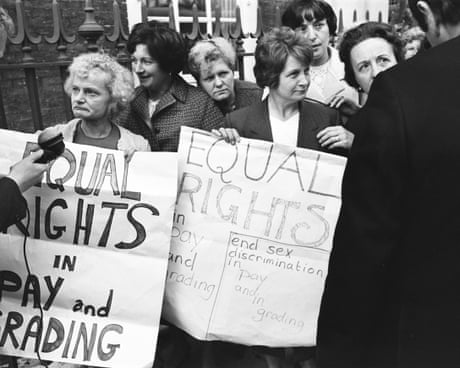
In the 50 years since equal rights for women were enshrined in UK law, the campaigners have been reduced to caricatures, or forgotten. But their struggle is worth remembering
Celia Brayfield was at her desk in the Femail section of the Daily Mail’s Fleet Street office when an editor called her over. It was July and Wimbledon had started. “He said: ‘We want you to go down and get into the women’s changing rooms and report on lesbian behaviour.’ One didn’t normally swear at that time but I declined. That was the attitude then,” she told me.
From the late 1960s until the early 70s, Brayfield was one of a small group of female journalists working on women’s pages in newspapers. “We were dealing with everyday sexism on an unbelievable scale,” she said. “You learned to wear trousers or take the lift because if you took the stairs someone would try to look up your skirt. But then you couldn’t go to a lot of press conference venues in trousers. In the Savoy, for example, women in trousers weren’t allowed.”
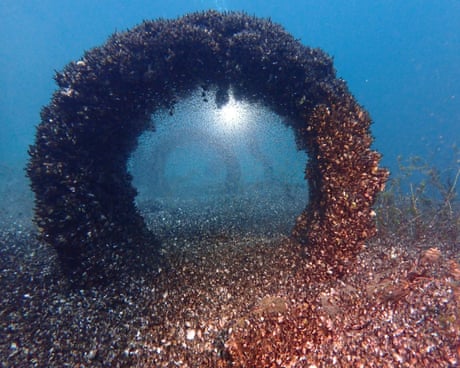
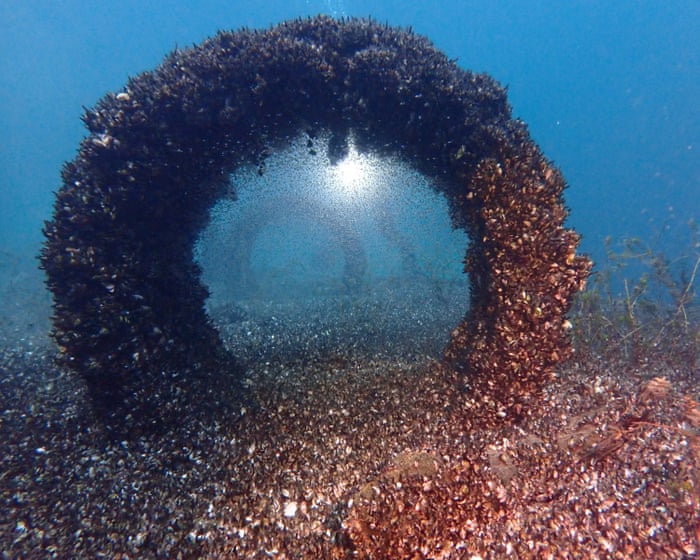
The molluscs are decimating food chains in Switzerland, have devastated the Great Lakes in the US, and this week were spotted in Northern Ireland for the first time
Like cholesterol clogging up an artery, it took just a couple of years for the quagga mussels to infiltrate the 5km (3-mile) highway of pipes under the Swiss Federal Technology Institute of Lausanne (EPFL). By the time anyone realised what was going on, it was too late. The power of some heat exchangers had dropped by a third, blocked with ground-up shells.
The air conditioning faltered, and buildings that should have been less than 24C in the summer heat couldn’t get below 26 to 27C. The invasive mollusc had infiltrated pipes that suck cold water from a depth of 75 metres (250ft) in Lake Geneva to cool buildings. “It’s an open invasion,” says Mathurin Dupanier, utilities operations manager at EPFL.
Mathurin Dupanier indicates the water cooling systems that were blocked by the invasive quagga mussels. Photographs: Phoebe Weston/the Guardian; École Polytechnique Fédérale de Lausanne
Panto season is upon us, and for the performers, anything could happen. Actors recall their most excruciating moments – from a panic attack while dressed as a cow, to dripping blood while in flight as Peter Pan
When panto goes wrong, the show must always go on. And there is a lot that could go wrong: malfunctioning pyrotechnics, panic attacks, chafing thighs, broken props, broken bones, bruised egos – and that’s before you get live animals involved. Missed cues and forgotten lines are small potatoes by comparison. So with panto season once again in full swing, we speak to seasoned professionals about the exhausting, error-laden, explosive truth behind the most “magical” season of the year.
Adam Buksh played The Genie in Aladdin at Howden Park Centre, Livingston, West Lothian, in 2013
It was halfway through the show when Aladdin got trapped in the cave. Our version was based on the original story, One Thousand and One Nights (not Disney’s), in which Aladdin possesses two magical entities: a powerful Genie of the Lamp (me) and Scheherazade, Genie of the Ring. I was on stage with Aladdin and Scheherazade, using my magic to smash the ring and break the evil sorcerer’s curse. For dramatic purposes, we used a handheld pyrotechnic which was similar to a little lighter with a wheel flint, but made of metal. I would use it to break the ring and free Aladdin from the cave.
From Quality Street to Toblerone to the Terry’s classic, festive treats are becoming more of a luxury – and it’s not just down to the price of cocoa
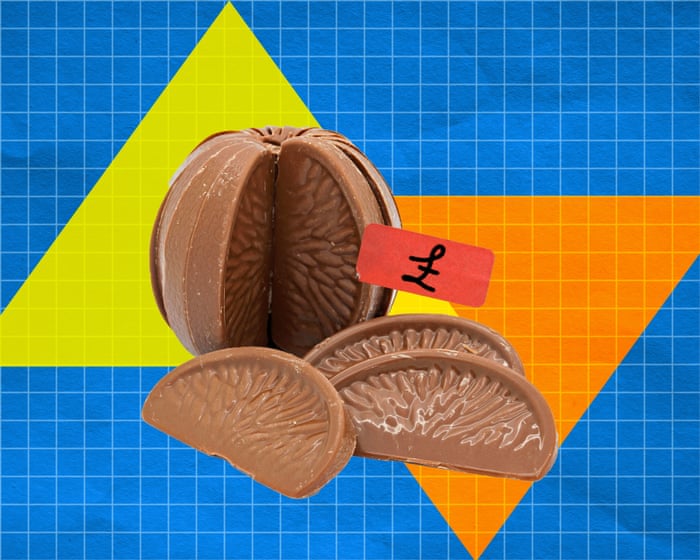
You’re right – it is smaller. The Terry’s Chocolate Orange on shop shelves this Christmas weighs 12g less than it did this time last year. That’s a decrease in size of 8% – not as big a cut as when the product lost 10% of its mass in 2016, but a further whittling away of a favourite Christmas treat.
Prices have been going up too, although it’s been a series of increases. Figures from market researchers Assosia show that across the big four supermarkets, the full price of a Chocolate Orange has increased from £1.24 in December 2022 to about £2.25 today – a rise of 81%. If you factor in the size reduction, you’re actually paying 96% more.
The hard right and far right are the political winners from the migration ‘crisis’, but only because centrist parties keep legitimising them
For a decade, Europe has remained suspended in a perpetual state of migration crisis. While the Greek word krisis refers to an exceptional moment that disrupts the normal order of things, since 2015 it has become an enduring condition in contemporary Europe. That year, 1 million people sought refuge in Europe, fleeing wars and persecution. In the ensuing decade, the issue of migration has been so thoroughly weaponised that one can hardly remember a time when it was not considered a crisis.
The idea of a permanent state of emergency does not reflect a reality whereby Europe genuinely cannot cope with new arrivals. Rather, it reflects the fact that there are simply too many who profit from manufacturing a sense of crisis.
Dr Maurice Stierl is a migration and border researcher at the University of Osnabrück, Germany
Do you have an opinion on the issues raised in this article? If you would like to submit a response of up to 300 words by email to be considered for publication in our letters section, please click here.
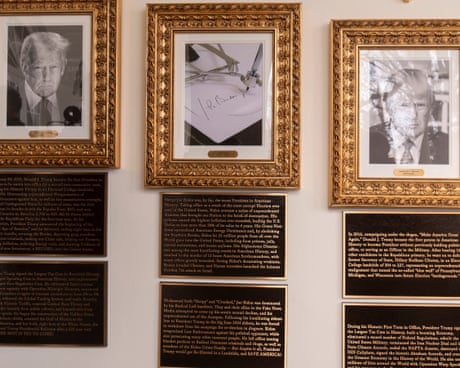
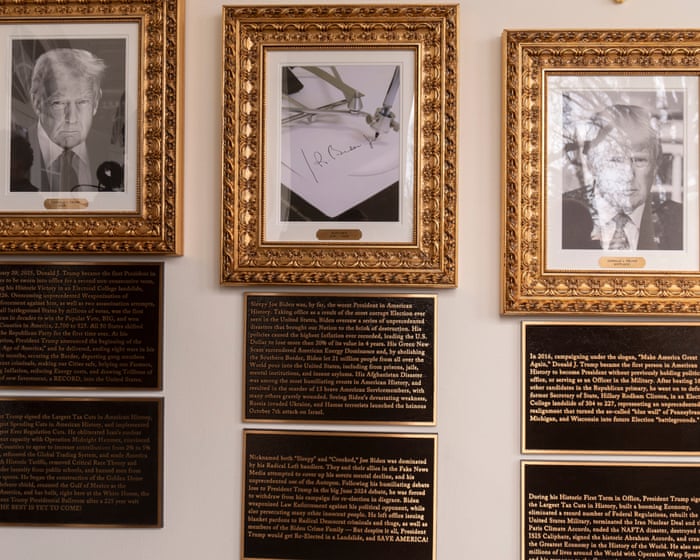
New plaques on ‘Presidential Walk of Fame’ scorn ‘divisive’ Obama and ‘by far the worst’ Biden – but Reagan is praised
White House officials on Wednesday revised what they call the “Presidential Walk of Fame,” installing plaques beneath portraits of former presidents that reflect Donald Trump’s own views, including branding former president Joe Biden as “the worst president in American history”.
The changes are part of Trump’s broader effort to reshape the White House environment to match his preferences. Along the colonnade, portraits of past presidents now feature expanded text that permanently records Trump’s assessments of their records.
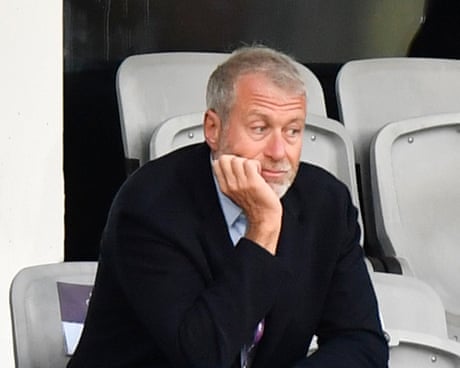
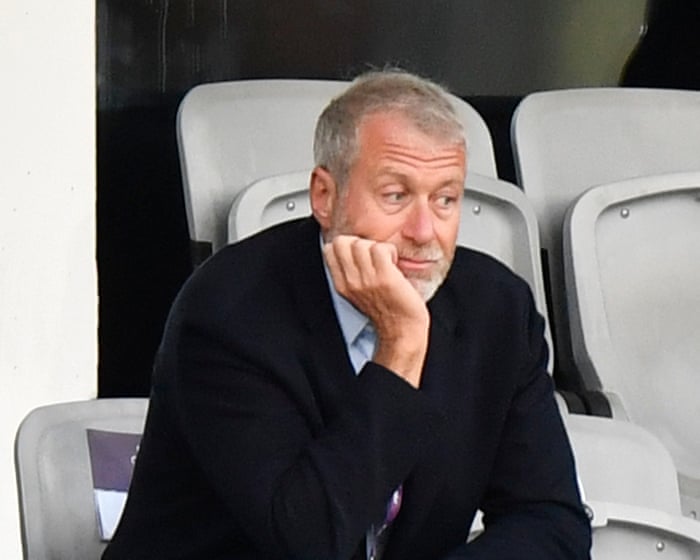
The UK has given its final warning to Roman Abramovich to release £2.5bn from the oligarch’s sale of Chelsea FC to give to Ukraine, telling the billionaire to release the funds within 90 days or face court action.
Keir Starmer told the House of Commons the funds from Abramovich, who is subject to UK sanctions, would be converted into a new foundation for humanitarian causes in Ukraine and that the issuing of a licence for the transfer was the last chance Abramovich would have to comply.
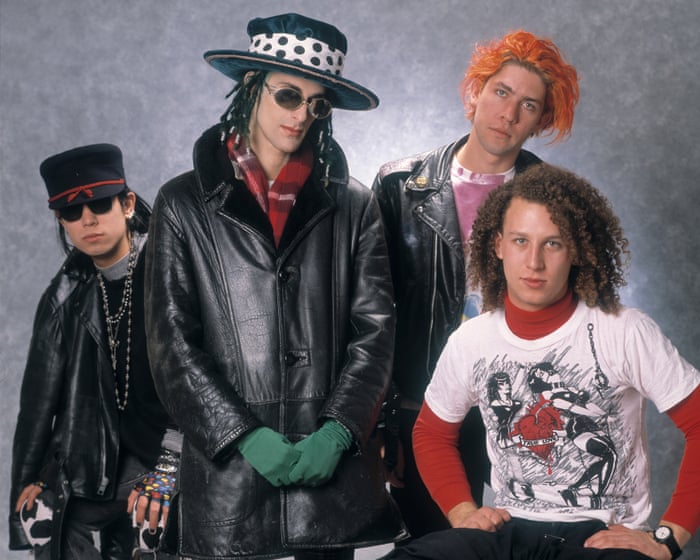
US alt-rock band announce they are finally parting ways, following fisticuffs, accusations and lawsuits
US alt-rock band Jane’s Addiction has announced they are parting ways after a tumultuous 15 months of fisticuffs, accusations and lawsuits.
The veteran Californian group, who have a history of drama, dust-ups and bust-ups, prematurely terminated the US leg of their reunion tour in September last year after an onstage altercation in Boston between frontman Perry Farrell and guitarist Dave Navarro led to blows and, ultimately, a $10m lawsuit.
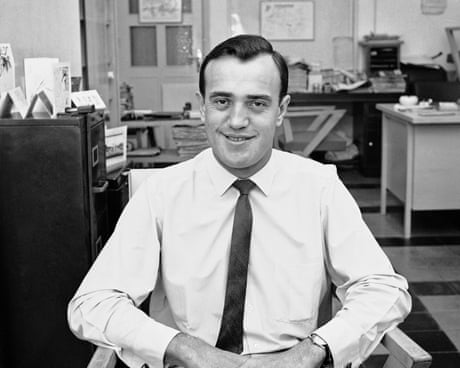
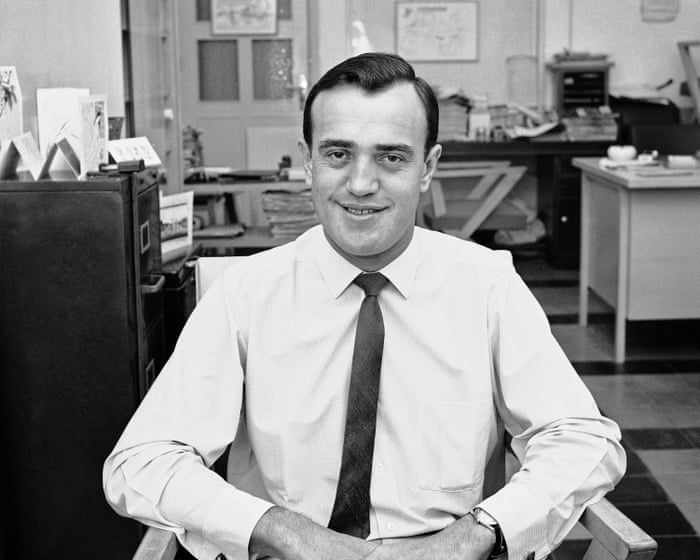
Arnett won 1966 Pulitzer Prize for international reporting for his Vietnam War coverage for the Associated Press
Peter Arnett, the Pulitzer Prize-winning reporter who spent decades dodging bullets and bombs to bring the world eyewitness accounts of war from the rice paddies of Vietnam to the deserts of Iraq, has died at 91.
Arnett, who won the 1966 Pulitzer Prize for international reporting for his Vietnam War coverage for the Associated Press, died on Wednesday in Newport Beach, California, and was surrounded by friends and family, said his son Andrew Arnett. He had entered hospice on Saturday while suffering from prostate cancer.
Deaths and damage to ship reported in attack in Rostov-on-Don; Zelenskyy to reportedly push EU plan to use frozen Russian assets. What we know on day 1,394
Ukrainian forces have struck a tanker in a southern Russian port and caused deaths, the regional governor said early on Thursday. The strike in the southern Russian port of Rostov-on-Don damaged the vessel and, according to preliminary information, crew members had died, regional governor Yuri Slyusar said on Telegram. Mayor Alexander Skriabin was quoted by Russian news agencies as saying: “Emergency teams are extinguishing the fire on the tanker that was struck while docked in a drone attack … A leak of oil products was avoided. Unfortunately, there are dead and injured.” Slyusar also said parts of a high-rise apartment block under construction were damaged in the city and two private homes burned in a nearby town.
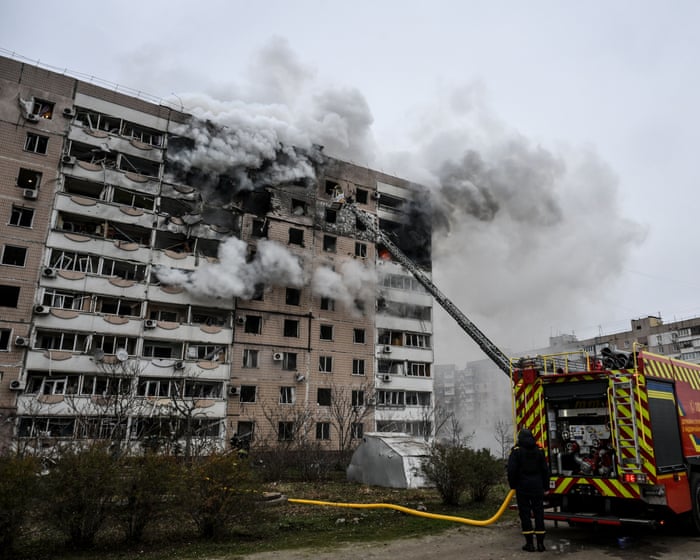
Russian air strikes on and around the Ukrainian city of Zaporizhzhiawounded at least 32people, local authorities said. All the wounded came from the city and its surroundings, the head of the regional military administration, Ivan Fedorov, said on Telegram. Rescue services earlier said five children were among the casualties in a provisional toll of 30 after the Russian strikes on a block of flats, a house and an educational establishment on Wednesday. Firefighters were seen battling a blaze in a multi-storey housing block. Fedorov said two people were also wounded in a Russian drone strike on a civilian car in Kushuhum, south of Zaporizhzhia.
Volodymyr Zelenskyy will be in Brussels on Thursday to convince European partners to use frozen Russian assets to support Ukraine, despite Washington “pressuring” EU countries against the plan, Agence France-Presse quoted an unnamed Ukrainian official as saying. The European Union has laid out a plan to use the frozen assets to harness €90bn ($105bn) for a loan to help Ukraine repel Moscow’s forces, with the money to be paid back by any eventual Russian reparations to Ukraine.
Belgian politicians and senior finance executives have been subject to a campaign of intimidation orchestrated by Russian intelligence aimed at persuading the country to block the use of €185bn ($217bn) assets for Ukraine, according to European intelligence agencies. Dan Sabbagh and Jennifer Rankin report that security officials indicated to the Guardian that there had been deliberate targeting of key figures at Euroclear, the securities depository holding the majority of Russia’s frozen assets, and leaders of the country. EU leaders meeting in Brussels on Thursday are debating whether to approve the lending of urgently needed funds for Ukraine secured on Russian central bank assets.
Volodymyr Zelenskyy said Russia was preparing to wage a new “year of war” on his country in 2026, after Vladimir Putin said Moscow would “certainly” achieve its objectives. “Today, we heard yet another signal from Moscow that they are preparing to make next year a year of war,” the Ukrainian president said in his evening address on Wednesday. The statement was a reaction to the Russian president, who earlier said Moscow would “certainly” achieve its goals in its Ukraine offensive, including seizing Ukrainian territories it claims as its own, amid the flurry of international diplomacy to end the war. Putin warned that Moscow would seek to extend its gains in Ukraine if Kyiv and its allies rejected the Kremlin’s demands in peace talks.
The UK has given its final warning to Roman Abramovich to release £2.5bn ($3.3bn) from the oligarch’s sale of Chelsea FC to give to Ukraine, telling the billionaire to release the funds within 90 days or face court action, reports Jessica Elgot. The British prime minister, Keir Starmer, told the House of Commons the funds from Abramovich, who is subject to UK sanctions, would be converted into a new foundation for humanitarian causes in Ukraine and that the issuing of a licence for the transfer was the last chance Abramovich would have to comply.
Bongino, a former Secret Service agent turned podcaster, will step down in January. Key US politics stories from Wednesday 17 December at a glance
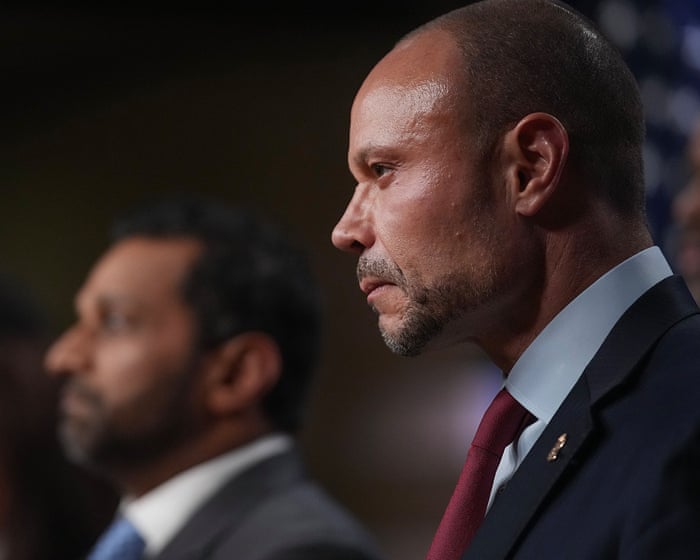
The FBI deputy director, Dan Bongino, confirmed on Wednesday that he is stepping down in January.
In a statement posted on social media, Bongino thanked Donald Trump, FBI director Kash Patel, and Pam Bondi, the attorney general he reportedly clashed with over her decision not to release files from the federal investigation into Jeffrey Epstein.
From 1 January, contraceptives will be subject to a 13% VAT rate – part of a carrot-and-stick approach by the government to increase births
China is set to impose a value-added tax (VAT) on condoms and other contraceptives for the first time in three decades, as the country tries to boost its birthrate and modernise its tax laws.
From 1 January, condoms and contraceptives will be subject to a 13% VAT rate – a tax from which the goods have been exempt since China introduced nationwide VAT in 1993.
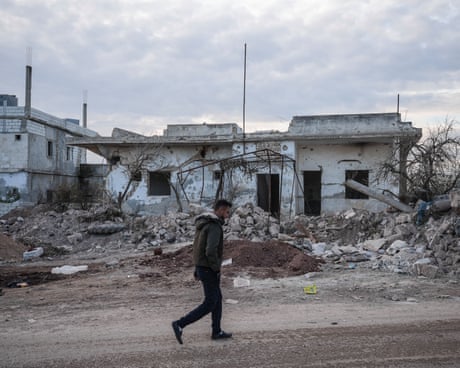
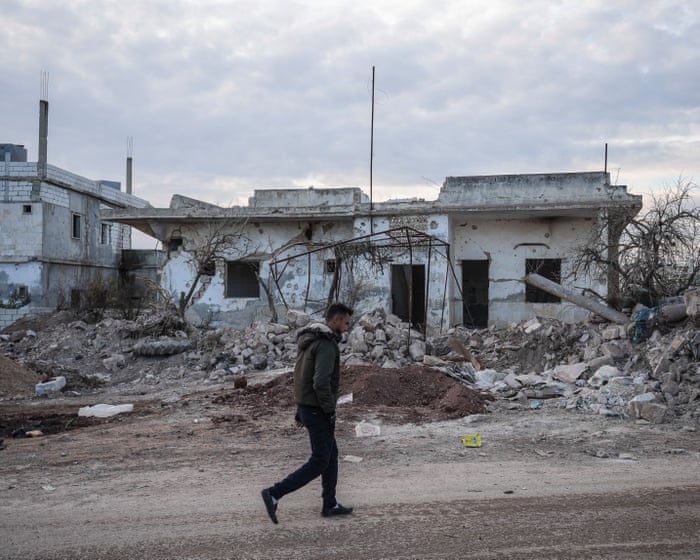
In Nayrab, a town near the Syrian city of Idlib, the family of Ahmed al-Ahmed have been overwhelmed by the global response to his act of bravery
It has been almost 20 years since Ahmed al-Ahmed left Nayrab in the countryside near the north-western Syrian city of Idlib. But on Sunday, he was the talk of the town.
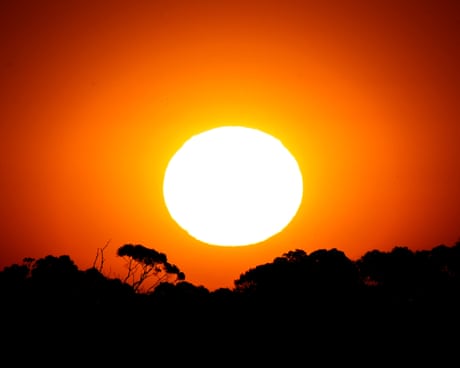
Forecast is slightly cooler than the record 1.55C reached in 2024, but 2026 set to be among four hottest years since 1850
Next year will bring heat more than 1.4C above preindustrial levels, meteorologists project, as fossil fuel pollution continues to bake the Earth and fuel extreme weather.
The UK Met Office’s central forecast is slightly cooler than the 1.55C reached in 2024, the warmest year on record, but 2026 is set to be among the four hottest years dating back to 1850.
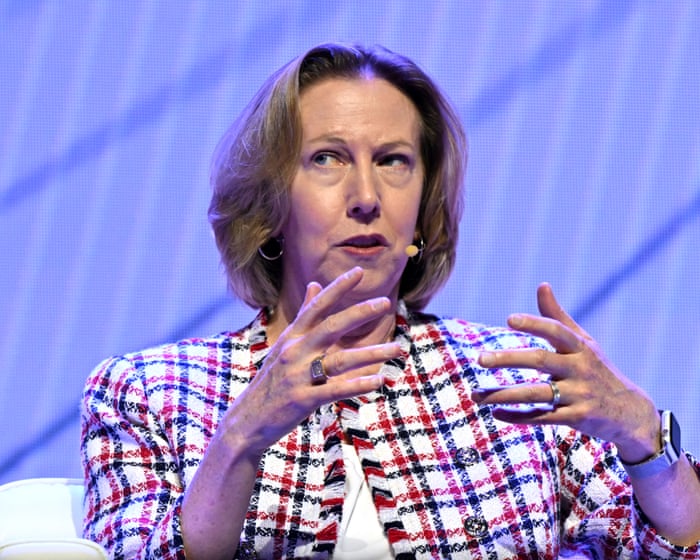
O’Neill, who has led Woodside Energy since 2021, will be oil and gas company’s first female chief executive
BP’s board has appointed its first female chief executive in a move to revive the oil company’s fortunes, after ousting Murray Auchincloss less than two years into his role.
In an unexpected leadership shake-up, Auchincloss will step down as chief executive with immediate effect, but remain in an advisory role until the end of next year.
As we head into the so-called silly season – that sun-drenched summer of drinks and parties, barbecues and socialising – there’s a shadow looming over the festivities.
The five-time world champion Raymond van Barneveld was left stunned after falling to a straight-sets defeat by Switzerland’s Stefan Bellmont in their first-round clash at Alexandra Palace.
Bellmont produced the performance of his career to become the first Swiss player win a match at the World Darts Championship. The 36-year-old from Cham hopes that his success will inspire a wave of darts enthusiasts in his home country.

 Login
Login