Reading view

The trauma after the storm: Hurricane Melissa leaves trail of emotional devastation across Jamaica

Experts are calling for the integration of mental health into climate-disaster policy in the Caribbean as studies show that PTSD risks increase after hurricanes and displacement

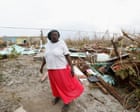
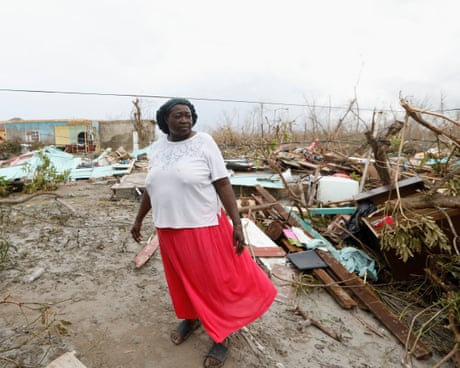
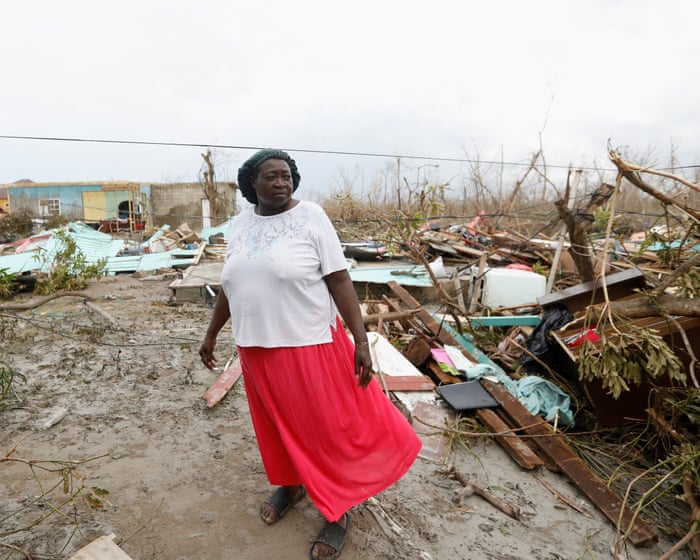
When Hurricane Melissa struck Jamaica on 28 October with 185mph winds, destroying homes, hospitals and infrastructure, killing 32 people and affecting 1.5 million, Toni-Jan Ifill immediately realised it would leave many with long-term traumatic memories.

A month and a half after the storm, which also affected eastern Cuba, the clinical psychologist says recollections of the terrifying winds also haunt some of the staff at the University Hospital of the West Indies in Kingston. Even the sound of rain can cause trauma responses among people who lived through it.

Continue reading...
© Photograph: Octavio Jones/Reuters
© Photograph: Octavio Jones/Reuters
© Photograph: Octavio Jones/Reuters
  •  

Figures reveal stark reality of US funding cuts as 1,394 family planning clinics shut

Survey by world’s largest network for sexual and reproductive health shows devastation to services, particularly in Africa and the Middle East, and amplification of anti-rights voices

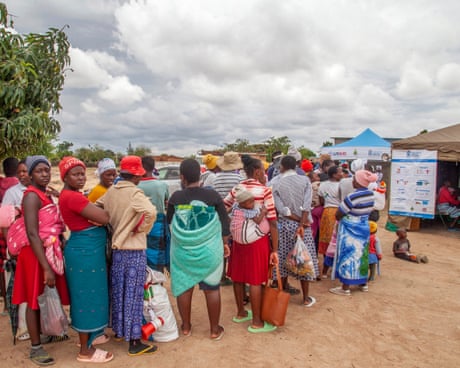
Cuts to US aid funding have directly led to the closure of more than 1,000 family planning clinics, new figures shared with the Guardian reveal.

Millions of people have been left without access to contraceptives or care, including those who have suffered sexual assault, as part of a “radical shift towards conservative ideologies that deliberately block human rights”, according to the International Planned Parenthood Federation (IPPF).

Continue reading...

© Photograph: Aaron Ufumeli/AP

© Photograph: Aaron Ufumeli/AP

© Photograph: Aaron Ufumeli/AP

  •  

New antibiotics hailed as ‘turning point’ in treating drug-resistant gonorrhoea

First new treatments for sexually transmitted disease in decades approved by US Food and Drug Administration as number of cases worldwide surge to 82m

The first new treatments for gonorrhoea in decades could be a “huge turning point” in efforts to combat the rise of superbug strains of the bacteria, researchers have said.

Gonorrhoea is on the rise around the world, with more than 82m infections globally each year and particularly high rates in Africa and countries in the World Health Organization’s Western Pacific region, which reaches from Mongolia and China to New Zealand. Cases in England are at a record high, and rates in Europe were three times higher in 2023 than in 2014.

Continue reading...

© Photograph: Zoonar GmbH/Alamy

© Photograph: Zoonar GmbH/Alamy

© Photograph: Zoonar GmbH/Alamy

  •  

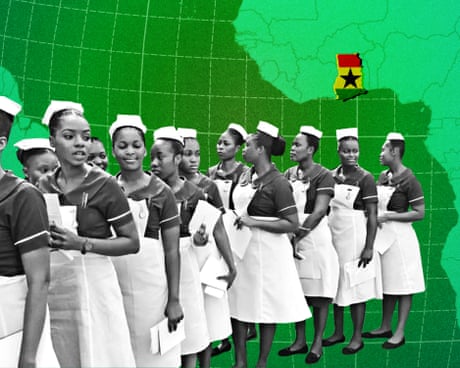
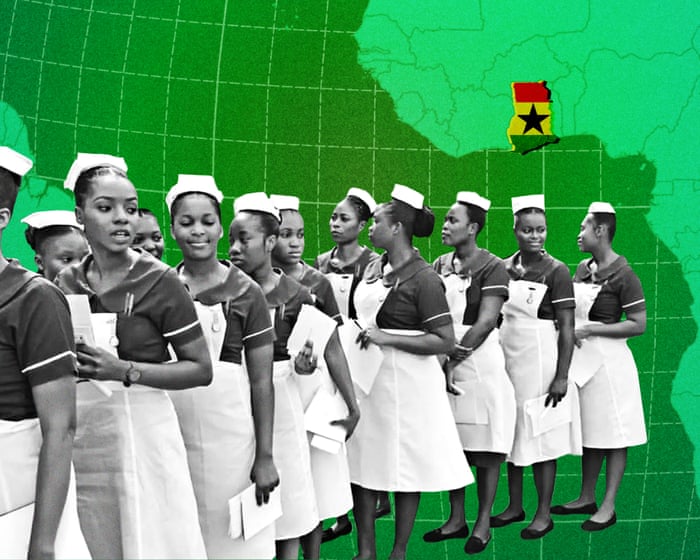
‘It’s a timebomb’: Ghana grapples with mass exodus of nurses as thousands head to the west

An estimated 6,000 nurses left in 2024 for roles in countries including the US, UK, Canada, and Australia. Three nurses explain what made them decide to leave or stay

When Bright Ansah, a nursing officer in Accra, goes searching for colleagues who have failed to show up for a shift at the overstretched hospital where he works, he knows where to look. “When you see ‘In God we trust’ on their WhatsApp status, that’s when you know they’re already in the US,” he says.

The motto of the US has been co-opted by Ghanaian medical professionals who are leaving the west African nation in droves. Many believe their faith has finally been rewarded when, after years of planning, they reach the promised land of the well-equipped, well-resourced hospitals of the US.

Continue reading...

© Illustration: Joe Plimmer/Guardian pictures/Alamy

© Illustration: Joe Plimmer/Guardian pictures/Alamy

© Illustration: Joe Plimmer/Guardian pictures/Alamy

  •  

‘Law is the only weapon I have’: a Ukrainian lawyer’s campaign to rescue the children stolen by Russia

Though once so despairing she thought of giving up the law for art, Kateryna Rashevska is still pushing for the return of thousands of Ukrainian children abducted by the invaders

At only 28, the human rights lawyer Kateryna Rashevska has become the public face of Ukraine’s campaign to repatriate children forcibly deported to Russia. She knows this means she is being watched.

The past two years have seen the Ukrainian addressing the UN security council, the US Senate and writing submissions to the international criminal court (ICC), which then issued an arrest warrant for Vladimir Putin for the “unlawful deportation” of Ukrainian children.

Continue reading...

© Photograph: Emile Ducke/The Guardian

© Photograph: Emile Ducke/The Guardian

© Photograph: Emile Ducke/The Guardian

  •  

‘A shift no country can ignore’: where global emissions stand, 10 years after the Paris climate agreement

The watershed summit in 2015 was far from perfect, but its impact so far has been significant and measurable

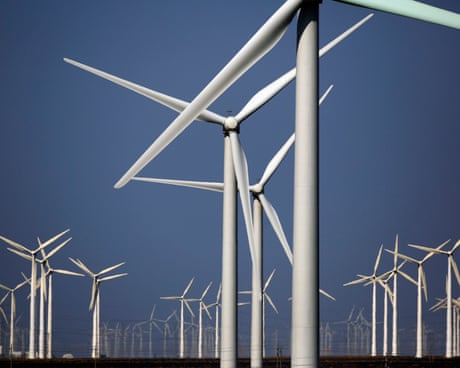
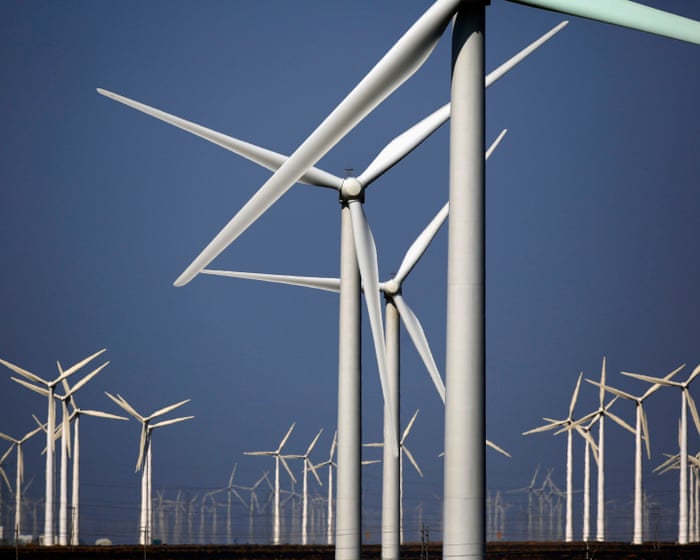
Ten years on from the historic Paris climate summit, which ended with the world’s first and only global agreement to curb greenhouse gas emissions, it is easy to dwell on its failures. But the successes go less remarked.

Renewable energy smashed records last year, growing by 15% and accounting for more than 90% of all new power generation capacity. Investment in clean energy topped $2tn, outstripping that into fossil fuels by two to one.

Continue reading...

© Photograph: Carlos Barría/Reuters
© Photograph: Carlos Barría/Reuters
© Photograph: Carlos Barría/Reuters

  •  

‘Soil is more important than oil’: inside the perennial grain revolution

Scientists in Kansas believe Kernza could cut emissions, restore degraded soils and reshape the future of agriculture

On the concrete floor of a greenhouse in rural Kansas stands a neat grid of 100 plastic plant pots, each holding a straggly crown of strappy, grass-like leaves. These plants are perennials – they keep growing, year after year. That single characteristic separates them from soya beans, wheat, maize, rice and every other major grain crop, all of which are annuals: plants that live and die within a single growing season.

“These plants are the winners, the ones that get to pass their genes on [to future generations],” says Lee DeHaan of the Land Institute, an agricultural non-profit based in Salina, Kansas. If DeHaan’s breeding programme maintains its current progress, the descendant of these young perennial crop plants could one day usher in a wholesale revolution in agriculture.

Continue reading...

© Photograph: Jason Alexander/The Land Institute

© Photograph: Jason Alexander/The Land Institute

© Photograph: Jason Alexander/The Land Institute

  •  

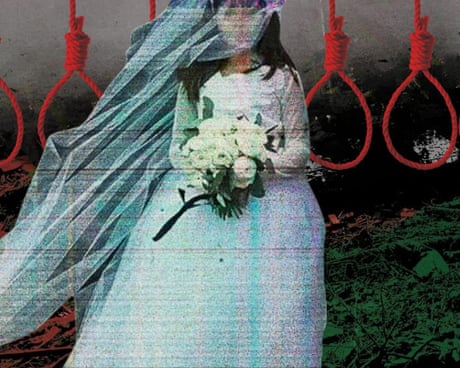
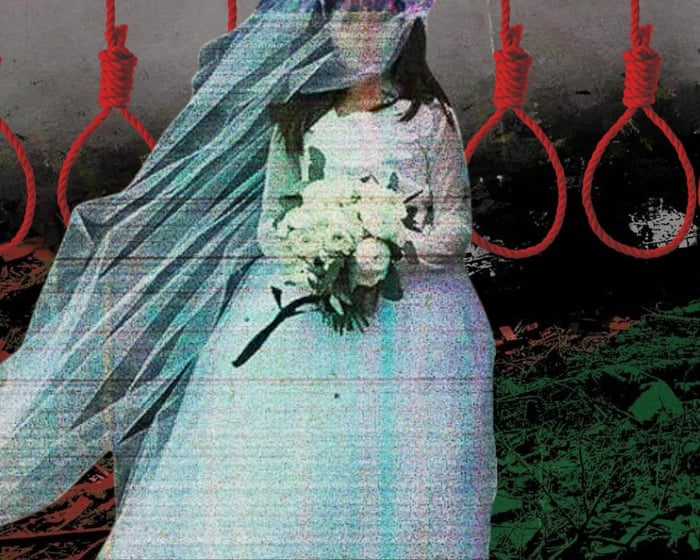
Child bride spared execution in Iran after blood money is paid

Guardian story helped to draw attention to planned hanging of Goli Kouhkan over death of abusive husband

A child bride who was due to be executed this month in Iran over the death of her husband has had her life spared by his parents, who were paid the equivalent of £70,000 in exchange for their forgiveness.

Goli Kouhkan, 25, has been on death row in Gorgan central prison in northern Iran for the past seven years. At the age of 18 she was arrested over allegedly participating in the killing of her abusive husband, Alireza Abil, in May 2018, and sentenced to qisas – retribution-in-kind.

Continue reading...

© Illustration: Centre for Human Rights Iran

© Illustration: Centre for Human Rights Iran

© Illustration: Centre for Human Rights Iran

  •  

The town on the banks of the Nile that turned floods into fortune

After record flooding submerged Bor in South Sudan in 2020, the emergency response ended up turning it into a beacon of climate crisis adaptation

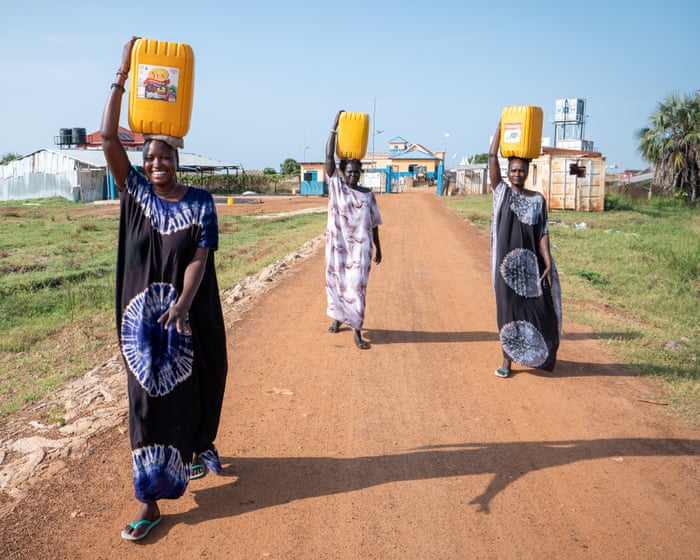
The three friends fill yellow jerrycans and help each other lift them on to their heads for the short walk home. Nyandong Chang lives five minutes from the water kiosk and is here up to six times a day. “It’s still hard work,” she says, “but at least nowadays water is available and clean.”

Until last year, women and children in Bor, the capital of South Sudan’s Jonglei state, faced a much tougher chore – going all the way to the filthy stretch of the White Nile that runs near the town to draw the family’s drinking, washing and cooking water and carry it back.

Continue reading...

© Photograph: Florence Miettaux

© Photograph: Florence Miettaux

© Photograph: Florence Miettaux

  •  

‘The patriarchy runs deep’: women still getting a raw deal in the workplace as equality remains a dream

Women work longer and per hour earn a third of what men are paid, in figures that have changed little in 35 years, UN report shows

“Gender inequality is one of the most entrenched and significant problems of our time,” says Jocelyn Chu, a programme director at UN Women, responding to the stark figures contained in this year’s World Inequality report, which labels gender inequality a “defining and persistent feature of the global economy”.

Women work longer and earn just a third – 32% – of what men get per hour, when paid and unpaid labour, such as domestic work, are taken into account. Even when unpaid domestic labour is not included, women only earn 61% of what men make, according to the report.

Continue reading...

© Photograph: Murtaja Lateef/EPA

© Photograph: Murtaja Lateef/EPA

© Photograph: Murtaja Lateef/EPA

  •  

Zimbabwe’s only female heart surgeon on medicine, misogyny and making a difference

Despite the challenges of working in a healthcare system in crisis, Kudzai Kanyepi has resisted the temptation to move abroad

When Dr Kudzai Kanyepi qualified as Zimbabwe’s first female cardiothoracic surgeon four years ago, she was filled with pride and anticipation after succeeding in an area long dominated by men. She was only the 12th woman in Africa to qualify in the field – four more have joined her since.

Even now, with 100 operations under her belt, the reality of working in a role in which she confronts misogyny and discrimination daily has not dented Kanyepi’s love of the surgical theatre.

Continue reading...

© Photograph: Cynthia R Matonhodze/Cynthia R Matonhodze for The Guardian UK

© Photograph: Cynthia R Matonhodze/Cynthia R Matonhodze for The Guardian UK

© Photograph: Cynthia R Matonhodze/Cynthia R Matonhodze for The Guardian UK

  •  

‘When you’re desperate, you fall for things easily’: the scam job ads on TikTok taking people’s money

Exclusive: Guardian investigation finds fake agencies using the social media platform to dupe Kenyans into paying for nonexistent jobs in Europe

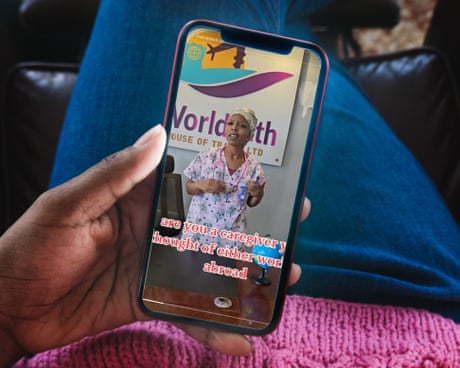
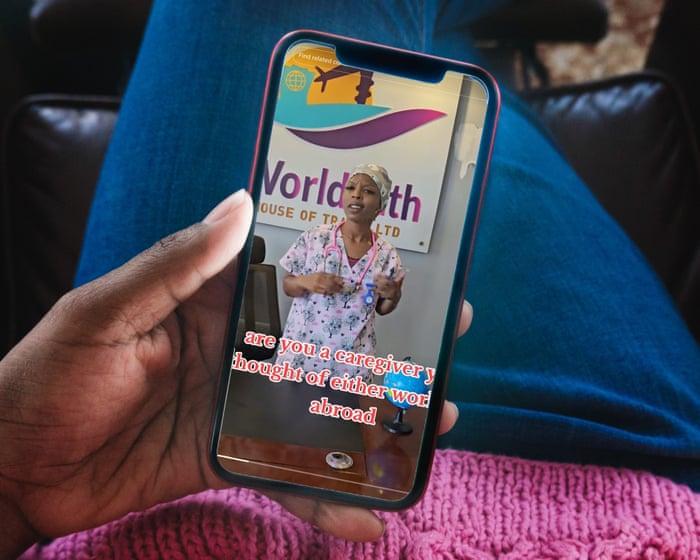
Lilian, a 35-year-old Kenyan living in Qatar, was scrolling on TikTok in April when she saw posts from a recruitment agency offering jobs overseas. The Kenya-based WorldPath House of Travel, with more than 20,000 followers on the social media platform, promised hassle-free work visas for jobs across Europe.

“They were showing work permits they’d received, envelopes, like: ‘We have Europe visas already,’” Lilian recalls.

Continue reading...

© Illustration: Getty Images/Guardian pictures

© Illustration: Getty Images/Guardian pictures

© Illustration: Getty Images/Guardian pictures

  •