A sale of insider shares at $421 a share would make Mr. Musk’s rocket company the most valuable private company in the world, as it readies for a possible initial public offering next year.
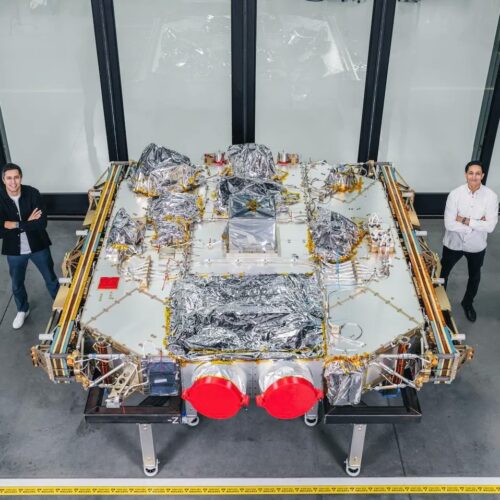
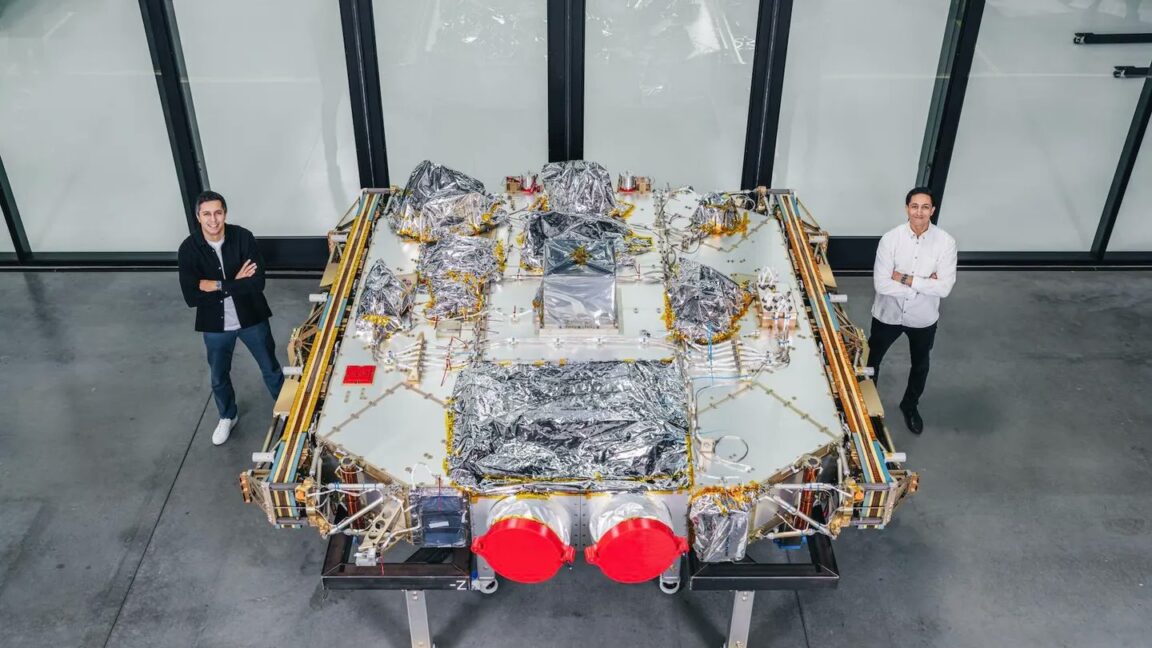
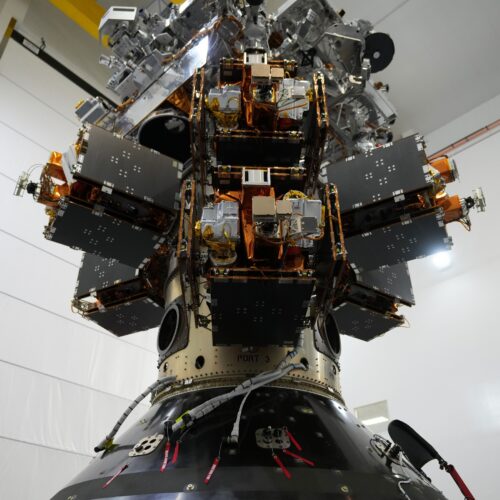
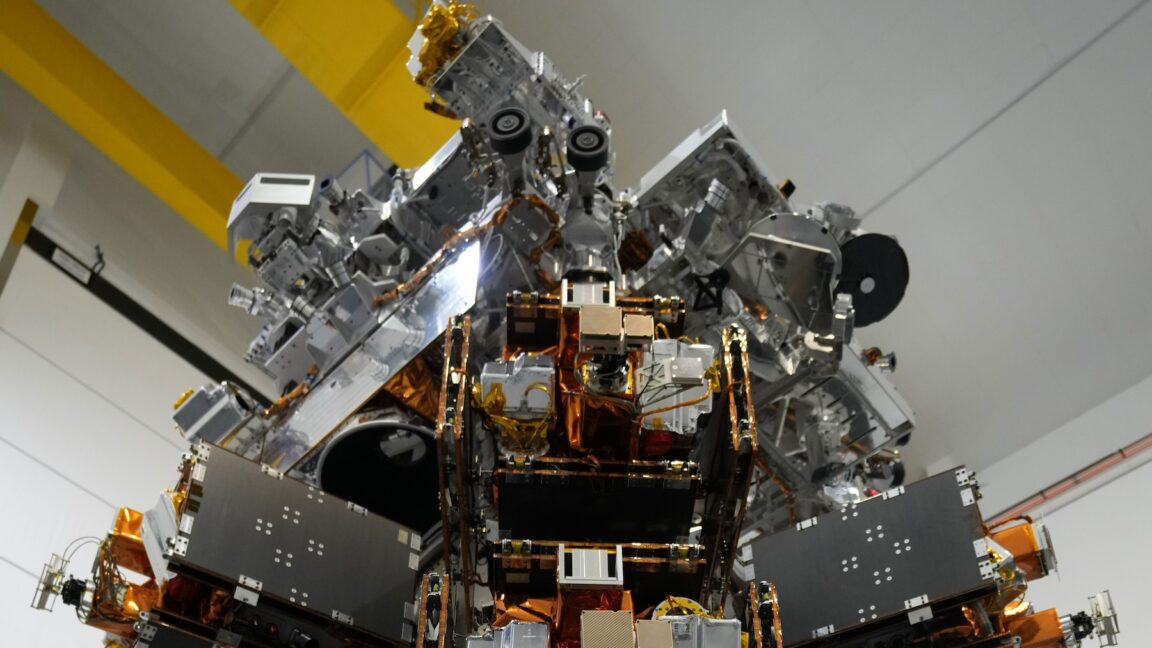
A startup established three years ago to churn out a new class of high-power satellites has raised $250 million to ramp up production at its Southern California factory.
The company, named K2, announced the cash infusion on Thursday. K2’s Series C fundraising round was led by Redpoint Ventures, with additional funding from investment firms in the United States, the United Kingdom, and Germany. K2 has now raised more than $400 million since its founding in 2022 and is on track to launch its first major demonstration mission next year, officials said.
K2 aims to take advantage of a coming abundance of heavy- and super-heavy-lift launch capacity, with SpaceX’s Starship expected to begin deploying satellites as soon as next year. Blue Origin’s New Glenn rocket launched twice this year and will fly more in 2026 while engineers develop an even larger New Glenn with additional engines and more lift capability.
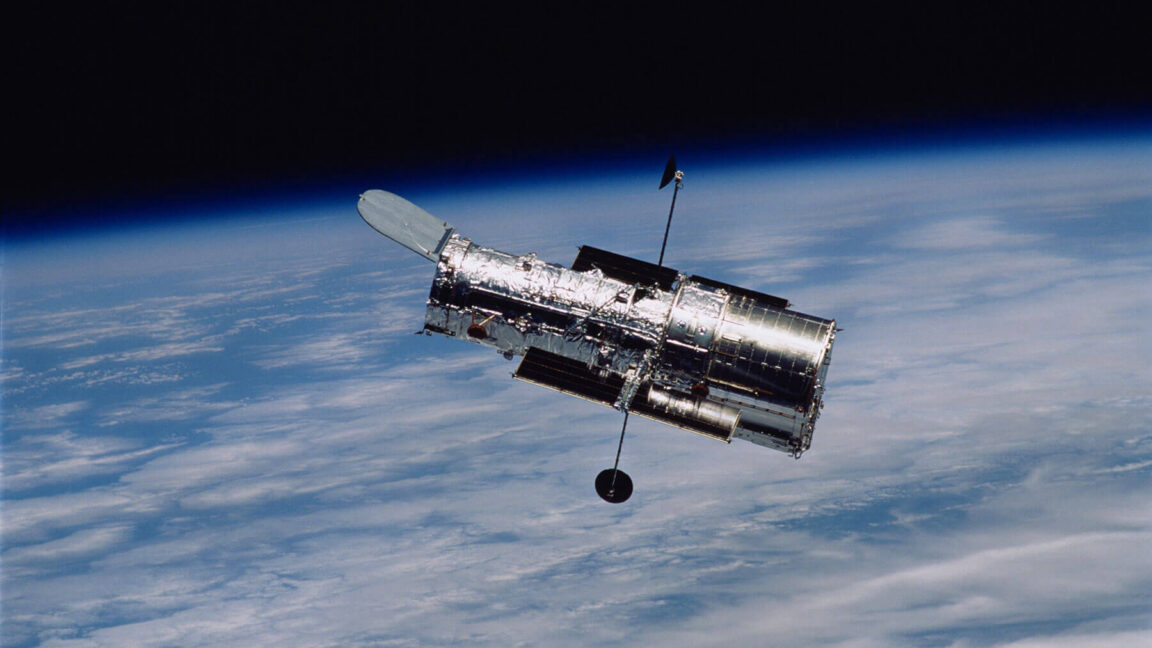
On Wednesday, three NASA astronomers released an analysis showing that several planned orbital telescopes would see their images criss-crossed by planned satellite constellations, such as a fully expanded Starlink and its competitors. While the impact of these constellations on ground-based has been widely considered, orbital hardware was thought to be relatively immune from their interference. But the planned expansion of constellations, coupled with some of the features of upcoming missions, will mean that at least one proposed observatory will see an average of nearly 100 satellite tracks in every exposure.
Making matters worse, some of the planned measures meant to minimize the impact on ground-based telescopes will make things worse for those in orbit.
Constellations vs. astronomy
Satellite constellations are a relatively new threat to astronomy; prior to the drop in launch costs driven by SpaceX’s reusable rockets, the largest constellations in orbit consisted of a few dozen satellites. But the rapid growth of the Starlink system caused problems for ground-based astronomy that are not easy to solve.
A little more than a century ago, the US Army Air Service came up with a scheme for naming the military’s multiplying fleet of airplanes.
The 1924 aircraft designation code produced memorable names like the B-17, A-26, B-29, and P-51—B for bomber, A for attack, and P for pursuit—during World War II. The military later changed the prefix for pursuit aircraft to F for fighter, leading to recognizable modern names like the F-15 and F-16.
Now, the newest branch of the military is carving its own path with a new document outlining how the Space Force, which can trace its lineage back to the Army Air Service, will name and designate its “weapon systems” on the ground and in orbit. Ars obtained a copy of the document, first written in 2023 and amended in 2024.
At least one space launch has been put on hold, as satellite operators and rocket companies manage the effects of the current geomagnetic storm hitting Earth.
At least one space launch has been put on hold, as satellite operators and rocket companies manage the effects of the current geomagnetic storm hitting Earth.

 Login
Login