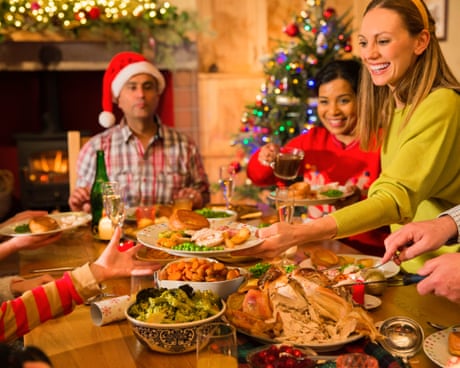
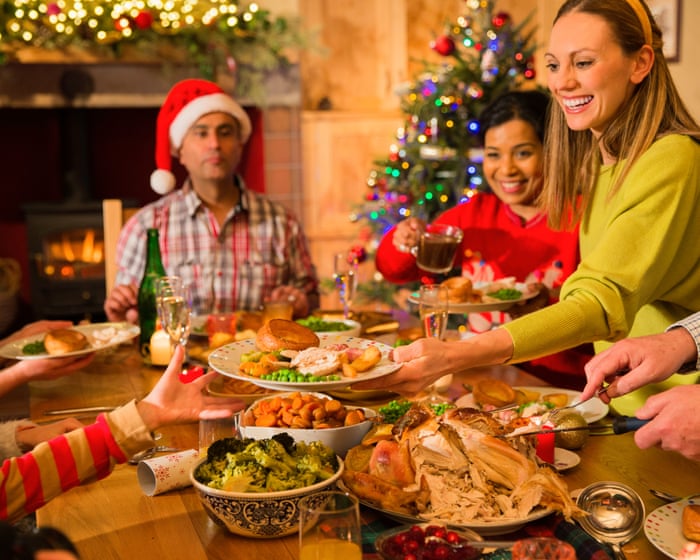
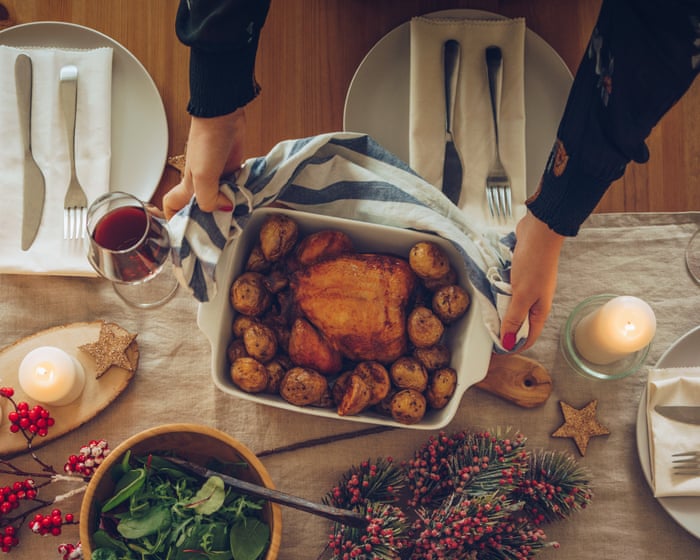
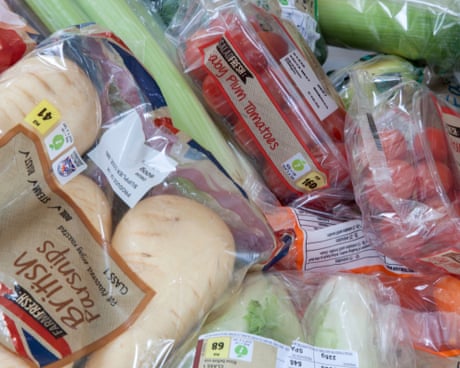
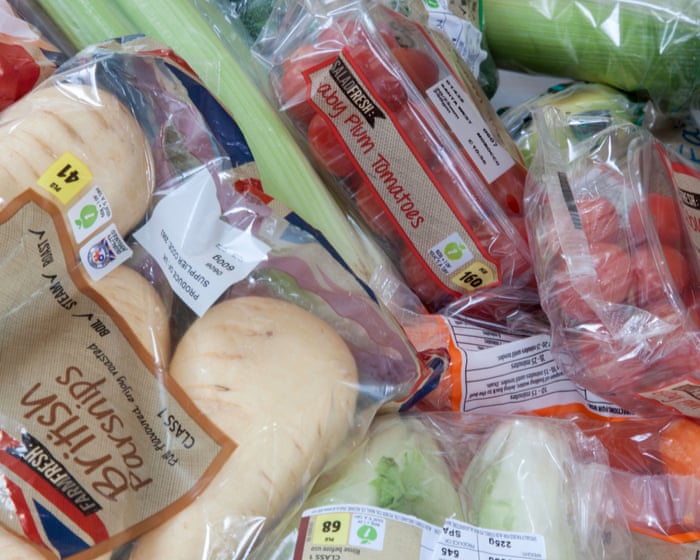
Not to sound too Scrooge-ish, but it can sometimes feel like Christmas is the season of overconsumption and overindulgence. Whether it’s wasted food, unwanted presents or single-use crackers, trees and wrapping paper – once we’ve finished decking the halls, a lot of it ends up decking landfill.
Our handy guide to cutting Christmas waste has lots of useful ideas, but we also asked you for your tips and tricks. From alternative trees to an ingenious way to use up leftovers, here are your top hacks for a more sustainable festive season.
AI Mode is mangling recipes by merging instructions from multiple creators – and causing them huge dips in ad traffic
This past March, when Google began rolling out its AI Mode search capability, it began offering AI-generated recipes. The recipes were not all that intelligent. The AI had taken elements of similar recipes from multiple creators and Frankensteined them into something barely recognizable. In one memorable case, the Google AI failed to distinguish the satirical website the Onion from legitimate recipe sites and advised users to cook with non-toxic glue.
Over the past few years, bloggers who have not secured their sites behind a paywall have seen their carefully developed and tested recipes show up, often without attribution and in a bastardized form, in ChatGPT replies. They have seen dumbed-down versions of their recipes in AI-assembled cookbooks available for digital downloads on Etsy or on AI-built websites that bear a superficial resemblance to an old-school human-written blog. Their photos and videos, meanwhile, are repurposed in Facebook posts and Pinterest pins that link back to this digital slop.
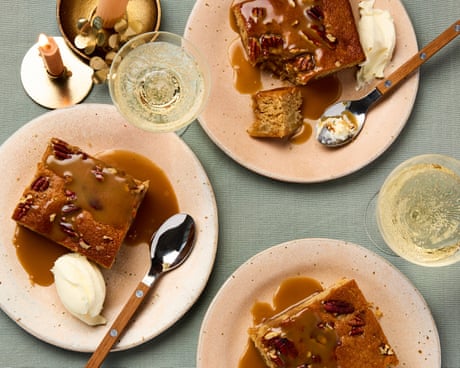
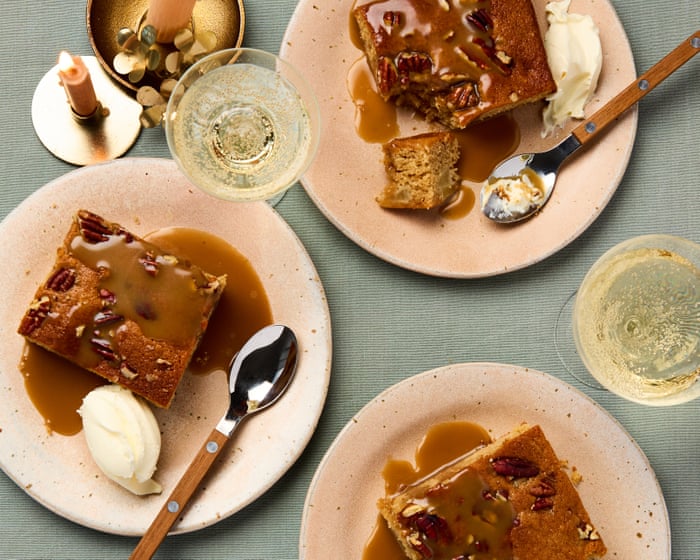
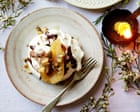
This non-traditional Christmas Day dessert is a surefire winner if dried fruit-based puddings aren’t your thing
While our Christmas Day dinner doesn’t deviate too much from tradition, I do experiment with the dessert. My family, bar one sweet-toothed aunt, avoids dried fruit-based offerings, so classic Christmas cakes and puddings are a hard no. Over the years, I have tried variations on yule logs, pavlovas and sherry trifles, but the biggest crowdpleaser is easily sticky toffee pudding (or something along those lines). This year, I’m making this warming, simple but decadent pear, sticky ginger and pecan pudding, which feels festive and fancy, and can happily make an appearance whenever.
Yes, we love our roasties – but have we really explored the spud’s potential as a gift, an aesthetic, a mood?
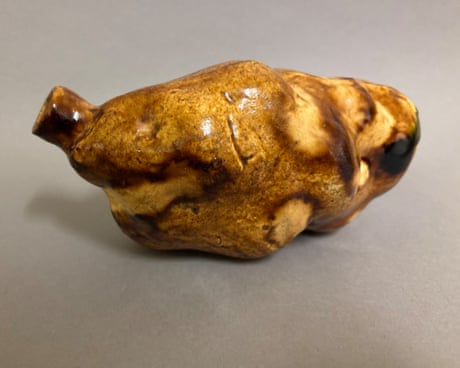
All I want for Christmas is … the Nairn Museum potato flask. Showcased as part of the Highland museum’s virtual Advent calendar on Instagram last week, it’s a late-18th-century Staffordshire pottery flask – to be filled with strong drink and used to toast a safe journey for a traveller – shaped like a very realistic, knobbly spud, complete with green bits. The benefactor who donated the flask apparently explained it was so ugly that no one in his family wanted to inherit it.
More than 15,000 Instagram likers beg to differ, including me: I desperately covet this beauteous and useful tuber, surely the ideal emotional support accessory for the season’s more trying social engagements. As the museum’s representative explains, the potato was “seen as a very fashionable vegetable” back then, and I think we need to think hard about that: why isn’t it now? It might be the most valuable player on the Christmas dining table (don’t even think about arguing), but it’s cruelly taken for granted. Have we ever considered the potato as a gift, an aesthetic, a mood?
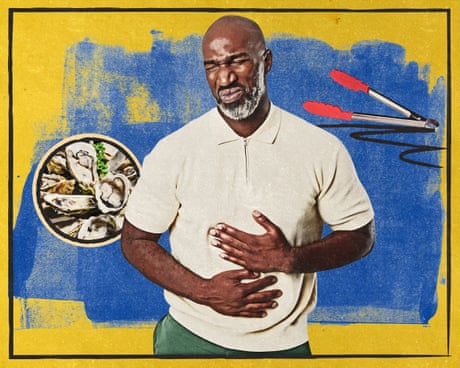
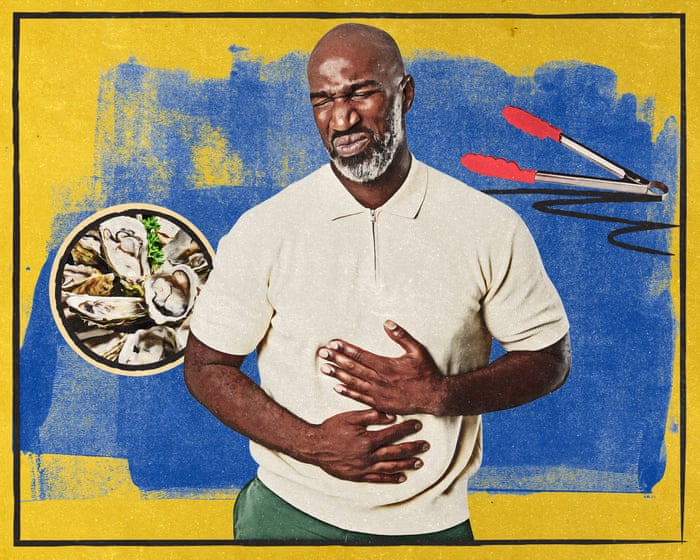
Several kinds of bacteria can give you an upset stomach. Here is how to steer clear of the worst offenders, and what to do if they do make it through
Many people in the modern world, it’s probably fair to say, do not take food poisoning particularly seriously. Yes, most folks wash their hands after handling raw chicken and use different chopping boards for beef and green beans – but who among us can honestly say we’ve never used the same tongs for an entire barbecue or left a storage box of cooked rice on the sideboard for a couple of hours? Ignore that rhetorical question for a moment, though – before you comment that of course everyone should do all those things, let’s talk about what’s happening in your body when it all goes horribly wrong.
At the risk of stating the obvious, food poisoning occurs when you eat food contaminated with harmful bacteria, viruses or toxins – but that doesn’t mean it always works the same way. “Some bacteria, such as Bacillus cereus – sometimes found in reheated rice – produce toxins before the food is eaten, meaning they can cause symptoms such as sudden vomiting within hours,” says Dr Masarat Jilani, an NHS specialist who regularly manages children and adults with food poisoning. Bacillus cereus also produces another type of toxin in the small intestine, which can cause diarrhoea. “Others, such as Salmonella and E. coli, act after you’ve eaten and often cause longer-lasting symptoms through inflammation of the gut.”
The comforting tourist-brochure idea of what Italian food looks like obscures a story shaped by hunger, migration and innovation
Alberto Grandi is the author of La Cucina Italiana Non Esiste and a professor of food history at the University of Parma
Italy’s cuisine has now joined Unesco’s “intangible” heritage list, an announcement greeted within the country with the sort of collective euphoria usually reserved for surprise World Cup runs or the resignation of an unpopular prime minister. Not because the world needed permission to enjoy pizza – it clearly didn’t – but because the news soothed a longstanding national irritation: France and Japan, recognised in 2010 and 2013, had beaten us to it. For Italy’s culinary patriots, this had become a psychological pebble in the shoe: a tiny, persistent reminder that someone else had been validated first.
Yet the strength of Italian cuisine has never rested on an ancient, coherent culinary canon. Most of what passes for ancient “regional tradition” was assembled in the late 20th century, largely for tourism and domestic reassurance. The real history of Italian food is turbulent: a saga of hunger, improvisation, migration, industrialisation and sheer survival instinct. It is not a serene lineage of grandmothers, sunlit tables and recipes carved in marble. It is closer to a national long-distance sprint from starvation – not quite the imagery Italy chose to present to Unesco.
Alberto Grandi is the author of La Cucina Italiana Non Esiste and a professor of food history at the University of Parma
Japanese green tea named stain of the year as survey finds Aperol spritz and bubble tea are also leaving their mark
It used to be curry sauce, egg yolk and red wine that ruined Britain’s clothes but in a sign of the times laundry detergents are being reformulated to tackle stains left by matcha lattes, Aperol spritz and bubble tea.
In a month when year-end gongs are dished out, from BBC Sports Personality to Pantone’s Colour of 2026 (a white called “cloud dancer”), matcha has received the dubious accolade “stain of the year”.
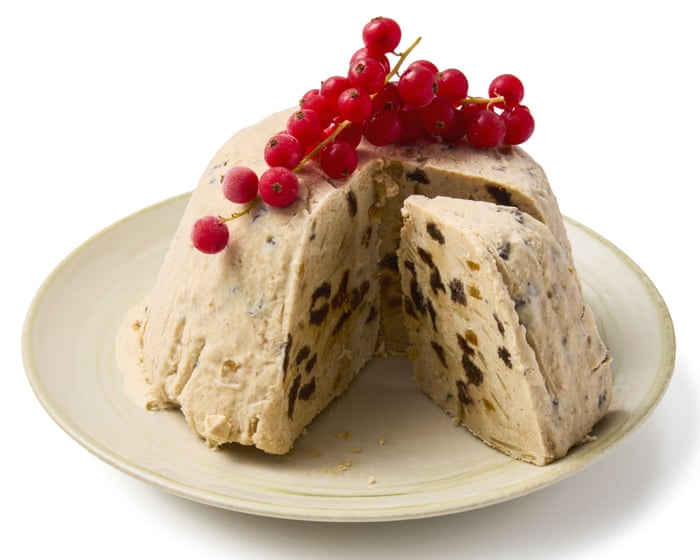
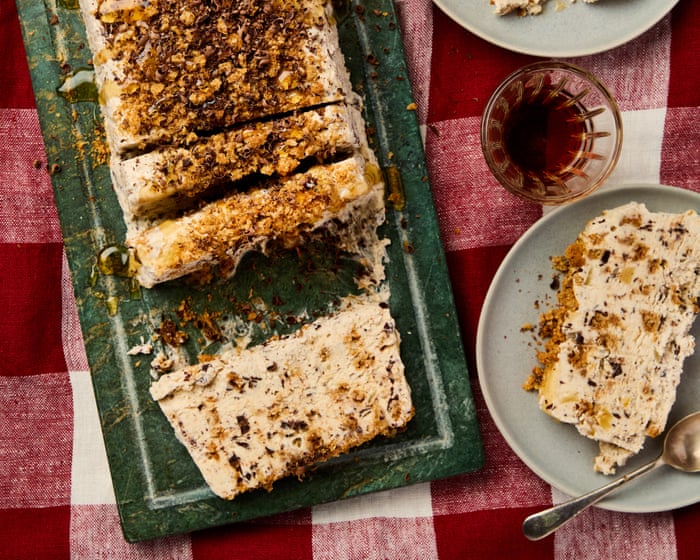
A luxurious iced dessert stuffed full of boozy dried fruit, candied peel and frozen chestnut puree
This festive, frozen chestnut puree dessert is often credited to the great 19th-century chef Antonin Carême, even though the man himself conceded that this luxurious creation was that of Monsieur Mony, chef to the Russian diplomat Count Nesselrode (albeit, he observed somewhat peevishly, inspired by one of his own chestnut puddings). It was originally served with hot, boozy custard – though I think it’s just enough as it is – and it makes a fabulous Christmas centrepiece,
Prep 15 min
Soak Overnight
Cook 20 min
Freeze 2 hr+
Serves 6
From choosing frozen turkey to shopping supermarket specials, the traditional meal need not break the household budget
Figures show that the total cost of the all-important Christmas dinner is up 5% on a year ago, with the price of important elements such as pigs in blankets and stuffing up by 7%.
With the cost of living still biting, however, a supermarket price war is taking some of the sting out of high food costs – with Aldi and Lidl selling the ingredients for a main Christmas meal for eight for less than £12.
Everyone needs a hand in the kitchen, and in lieu of any sous elves, Claire Dinhut – AKA Condiment Claire – picks the ones that will make your feast sing
Salt, sweet, bitter, acid, umami. While we don’t think to use too much “sweet” before dessert, it can counterbalance and enhance other flavours. Maple syrup is my sweetener of choice during the holidays because it just tastes cozy. Add it to roasted root vegetables or a poultry glaze, and it’s especially tasty in drinks, from hot apple cider to eggnog and even mulled wine.
Hosting Christmas? Don’t panic. Here’s our experts’ guide to a memorable meal, from thoughtful details to sustainable produce and tips on stress-free entertaining
Canapes, crackers, Christmas playlists, flowing drinks, and a ripe brie cosying up to a firm gruyere on a cheeseboard surrounded by grapes and fresh figs: there is no better time of year to host guests, feast and be merry.
Even better, you can do almost everything in advance of the big day: decorate, prepare canapes, get your dinner oven-ready and even pre-batch your cocktails. We’ve spoken to chefs, wine experts and professional hosts – among others – to pull together a curated guide to every element of your Christmas dinner, from ethical turkey to table decorations that won’t spend the rest of the year at the back of a drawer.
I defy anyone to watch the Nigella Christmas special and feel anything but drunk on yuletide bonhomie
If your run-up to Christmas already feels a bit chaotic, there’s always a cosy nook of the TV schedule where nothing but gorgeous, kitsch, heartwarming things happen. And by that I mean the cooking channels, where it’s currently full-on re-run time. Nigel Slater’s 12 Tastes of Christmas, anyone? That episode of Fanny Cradock at Christmas when she folds mincemeat into an omelette? I defy anyone to watch my own personal favourite, 2017’s Nigella: At My Table, Christmas special and feel anything but drunk on yuletide bonhomie. Or just drunk, considering our Nigella’s first recipe is a massive Christmas vodka martini featuring vodka, raspberry liqueur and enough crème de cacao blanc to stun a reindeer. Later, she whips up a no-churn brandy and salted caramel ice-cream and souses some red cabbage with cranberries. Heaven.
I won’t make a single one of these recipes, though; I’m just here to gawp. Behold, my Christmas angel, utterly resplendent in chic, countryside garb and ambling about her fairylight-strewn cottage (even though it’s actually a TV set in Elstree with a BBC snow machine turned up to 11). Ooh, devilled eggs and duck à l’orange? I should make those! (Spoiler: I won’t.)
But whether or not we make these Yuletide recipes, all these festive specials by Nigella, Jamie, Nigel, Keith and Fanny provide a sterling service to the stressed home cook. In the Capital Floyd: Christmas Specials from 2000, Keith isn’t remotely stressed by a 12-pound turkey with giblets or a gravlax starter for nine. Yes, perhaps that’s because he’s been glugging Chateau Lafite Rothschild since 9am, but no one can accuse our man Floyd of an iota of festive fluster. Tom Kerridge Cooks Christmas, meanwhile, is another delight in which he rolls his turkey into kievs with sage butter, mulls cider and whips up some Christmas pud ice-cream. Tom doesn’t so much as break a sweat, and it’s all clearly completely doable with a bit of pre-thought, a good spud peeler and some elbow power! It’s all in the planning, he says.
Obviously, the tinsel-covered elephant in all of these rooms – and the one that’s never, ever mentioned – is that all these Christmas specials were very pre-planned. So much so, in fact, that they were recorded all the way back in April, with a cast of at least 25 researchers, producers, home economists, food stylists and lighting technicians all working for weeks to ensure that Nigella’s cottage is so spectacularly seasonal that we go all misty-eyed while watching the woman whip meringue into snowy peaks.
Grace Dent is judge and co-presenter of finals week for BBC One’s Celebrity MasterChef on Tuesday 15 December and Friday 19 December
Festive theatrical feasts serve audiences a slap-up dinner with their entertainment. But is what’s on stage as appetising as what’s on your plate?
In west London, a line of smartly dressed theatregoers on a street corner enter a building and walk back in time. We pass through tight lamp-lit corridors and arrive in a cavernous hall, with tables laid and lanterns dangling overhead. This is Charles Dickens’ parlour, where he has just finished writing A Christmas Carol, and it’s dinner time.
The Great Christmas Feast is an immersive production in which a three-course meal is served while a quicksilver Dickens (David Alwyn) narrates his ghost story about the perils of penny-pinching in the season of goodwill. Immersive theatre has evidently concocted a tasty festive offshoot that might suit those tired of watching yet another straight-up adaptation of the classic tale.
A perfect chocolate truffle, for me, has a fine, tempered shell that, with a soft, satisfying snap, gives way to a ganache that melts luxuriantly on the tongue (and, failing that delicate snap, then give me a classic bitter dusting of cocoa). Truffles may come in endless variations, but at their core, they are simply chocolate and cream, which makes the quality of both non-negotiable.
A good dark chocolate, about 60-70% cocoa, brings complexity and depth without bitterness, while the right cream-to-chocolate ratio creates a ganache that’s smooth, rich and just soft enough to dissolve in the mouth. Any further additions such as salt, liqueur, citrus, coffee or spices should never be dominant. And, whatever the finish, be it cocoa powder, toasted nuts, coconut or a glossy shell, it should complement rather than compete with the chocolate ganache inside.
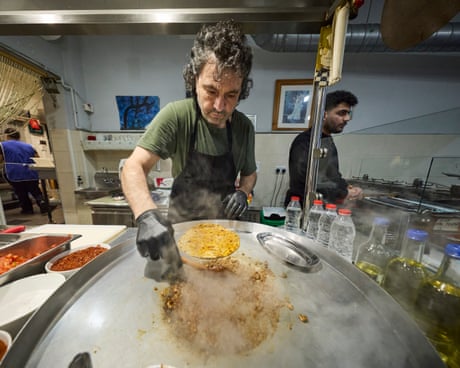
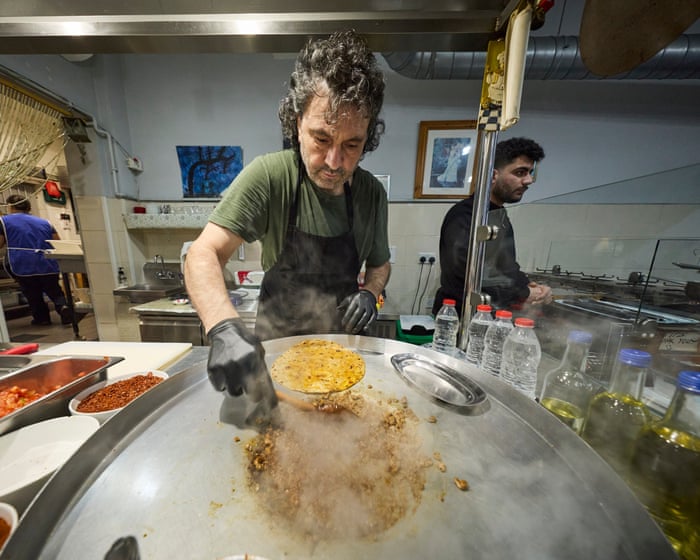
Enfield’s family-run Neco Tantuni, which specialises in Turkish street food, secured place among other Michelin-starred restaurants on Vittles 99-strong list
On a list of London’s best restaurants, you would expect to see the usual Michelin-starred suspects such as The Ledbury, Ikoyi and The Ritz. But high among these culinary heavyweights sits a humble salonu tucked away in the depths of north London.
Neco Tantuni, a small Turkish eatery specialising in the foodie delights of Mersin, a city located on the southern coast of Turkey, has been crowned the fourth best restaurant in London by Vittles, the trendy food magazine that has become a bible for those looking for the best (and more off-the-radar) grub in the capital.
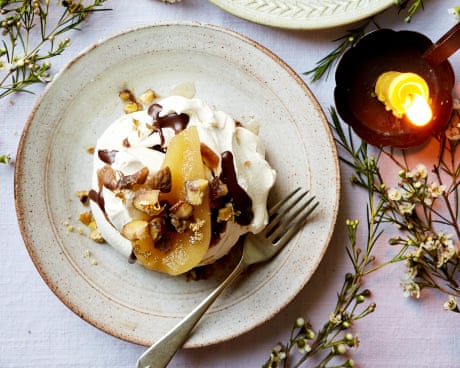
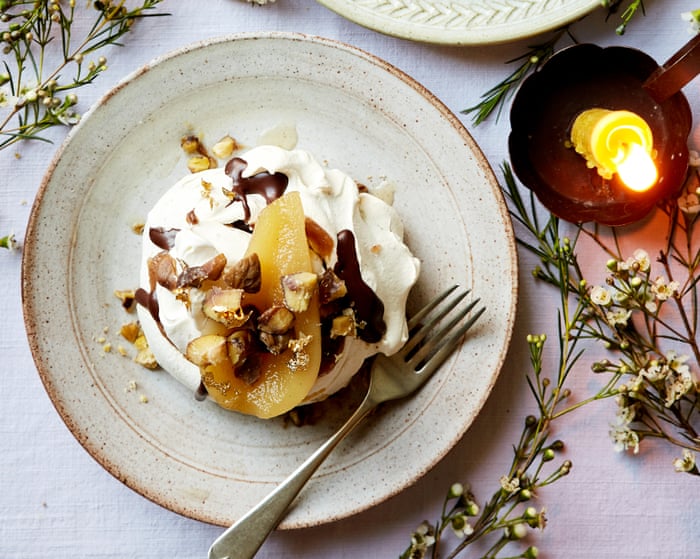
Three sweet treats for even the fussiest sweet tooth: fig and hazelnut crumble mince pies, sherry and raisin ice-cream, and chestnut and pear meringues
Out of sheer laziness, this is a no-churn, very quick to assemble take on things. I tend usually not to recommend no-churn ice-creams unless there is booze involved, so this sherry and raisin one is a great candidate (the alcohol stops the ice-cream from becoming too hard and crystallised). And keep the leftover egg whites from the mince pies to make the chestnut and pear meringue, an alternative for the Christmas pudding haters at your table – there is always one. I think it’s important to have at least two puddings at Christmas.
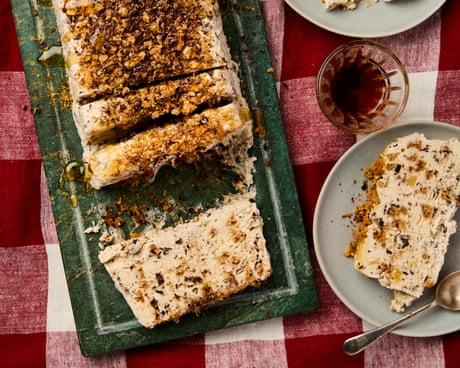
Hobnobs, ricotta, chocolate and amaretto – what’s not to like?
I believe in divine communion, especially when it comes to food; an alliance of ingredients that come together as though they were meant to feed spirit and body. It might be too lofty to say that this semifreddo is divine, but the combination of Hobnobs, ricotta, chocolate and amaretto really does it for me. That said, there are many alliances that can be formed in the Christmas store-cupboard, so use this as a base for any biscuits, dried fruit and chocolate to which you feel most spiritually aligned.
From pie-and-mash to the swank of a Michelin star, everyone has their own idea of what’s ‘best’. What’s yours?
Jonathan Nunn is the author of London Feeds Itself
Almost 24 years ago, a small British food magazine called Restaurant assembled an all-star panel – made up of Gordon Ramsay, John Torode, Aldo Zilli and 65 other food guys – to adjudicate on the world’s most stupid question: what is the best restaurant on the planet? It didn’t matter that no judge had been to all the restaurants on the shortlist, or that two of the judges happened to be Jeremy Clarkson and Roger Moore – what the editors of Restaurant understood is that people love a list, and if you order a group of restaurants from 50-1 and throw a party, people might take it seriously.
“This could run and run,” the editors wrote in their intro, half hoping. They were right. Within two decades, The World’s 50 Best Restaurants had gone from what critic Jay Rayner described as a “terribly successful marketing exercise” to an insurgent alternative to the ossified Michelin Guide, solidifying the reputations of El Bulli, the Fat Duck and then Noma as the “world’s best restaurant”.
Jonathan Nunn is a food and city writer based in London who co-edits the magazine Vittles. He is the author of London Feeds Itself
John Vincent on bouncing back after cutting branches, refreshing the menu, and staff learning from martial arts
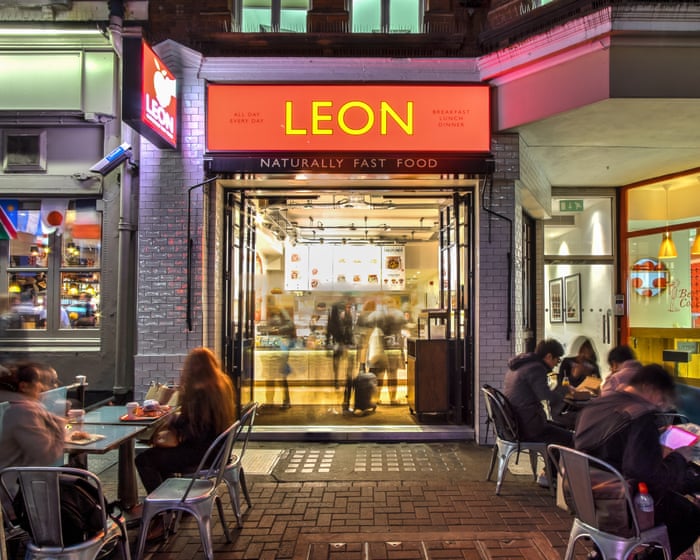
John Vincent is going back to the future. Four years after selling Leon, the fast food chain named after his father and founded in 2004 with two friends, he has bought it back with hopes of reviving its fortunes.
“In a crisis you need a pilot in full control,” the martial arts fan says, speaking to the Guardian from Leon’s headquarters near London Bridge.
Searching for a whisky this Christmas? From Speysides to single malts, Japanese whiskies and special edition bottlings, the sheer choice can be overwhelming.
If you’re looking for a delicious dram to enjoy with your mince pie, a versatile bottle to have on standby this party season or the perfect gift, there’s a whisky out there with your name on it. It needn’t cost the earth either: I’ve found sustainable B Corp whiskies and pocket-friendly blends along with higher-end options to suit everyone’s budget.
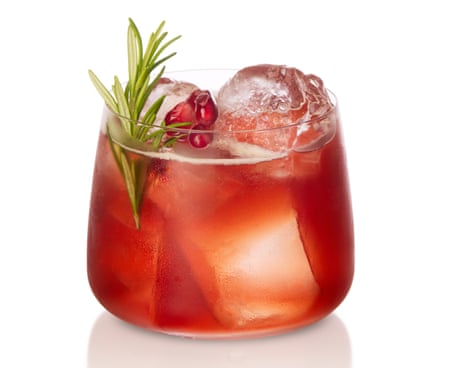
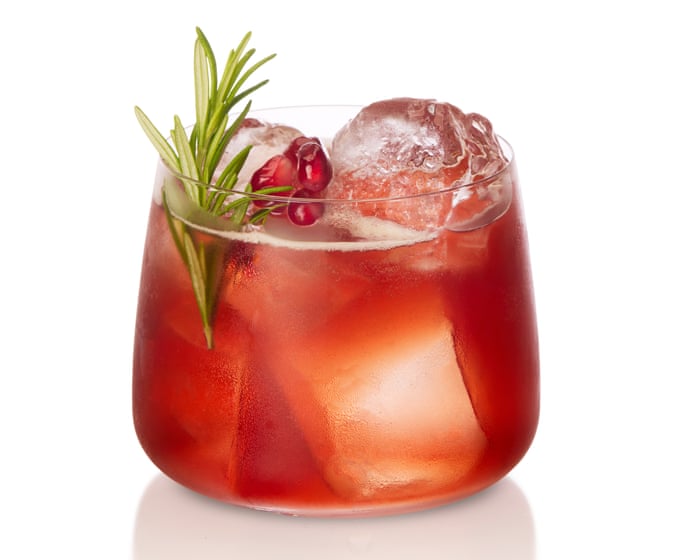
A margarita dressed in a red vermouth coat with white tequila trimmings … ho ho ho
This smoky, deep-red cocktail takes its cue from our Latin roots, but with a seasonal twist. The mix of mezcal, tequila and vermouth is warming and vibrant, while pomegranate and rosemary lend a winter accent that makes it as fitting for a Christmas gathering as for a relaxing night in.
Maria Yanez and Carlos Socorro, Tiny Wine, London W1
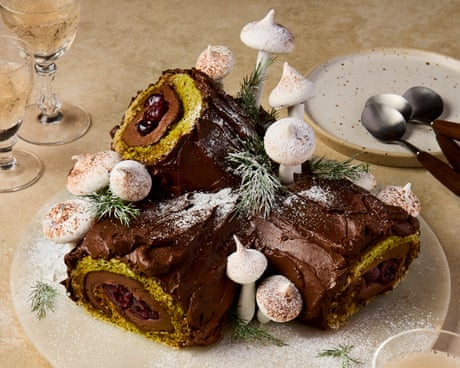
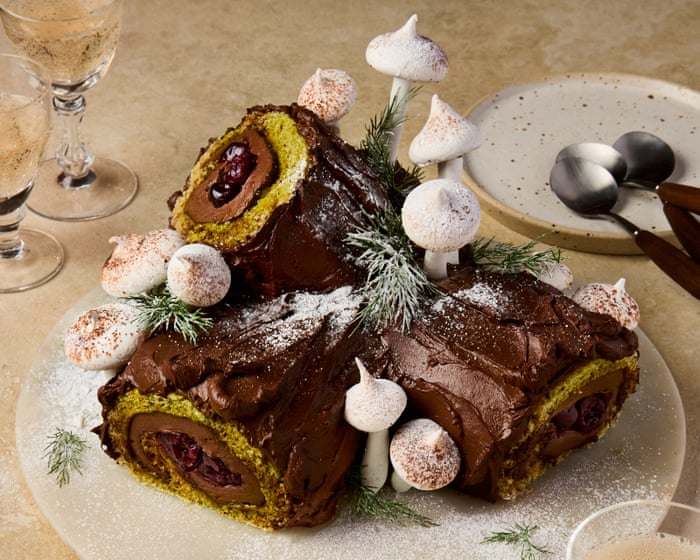
This rich and moreish (and plant-based) yule log is a Lebanese Christmas favourite that harks back to the country’s French colonial past
I love a yule log, also known as a bûche de Noël. It’s a remnant from the time when Lebanon was a French colony, which lingers to the modern day, and is popular in Lebanese bakeries and patisseries over the Christmas period, often decorated with small figurines, plastic holly leaves and festive messages. Those decorations, and the trompe-l’oeil nature of this treat, enchanted me as a child, and I wanted to bring back some of that enchantment with this take on a woodland yule log.
This is an edited extract from Beyond Baking, by Philip Khoury, published by Quadrille at £30. To order a copy for £27, go to guardianbookshop.com
My offer to host dinner is declined. My cooking is never good. Triumph lies in the fact food is cooked and not full of bacteria
Yeah, I’m gonna say it – stop with the fetishisation of sandwiches, already! Obviously we’ve had the annual rejoicing over the advent (Ha! See what I did there?) of the Pret Christmas offering and the paler imitations thereafter by lesser chains and retail outlets. Now Harrods is getting in on the act with a £29 version on sale at its steakhouse, the Grill on Fifth. It consists of a burger patty (and listen, let’s get rid of the word ‘patty’ while we’re about it, shall we? Why? Because it’s viscerally hateful, that’s why), roast turkey breast, stuffing, a pig in a blanket, spiced red cabbage, cranberry sauce and turkey gravy.
Scientists in Kansas believe Kernza could cut emissions, restore degraded soils and reshape the future of agriculture
On the concrete floor of a greenhouse in rural Kansas stands a neat grid of 100 plastic plant pots, each holding a straggly crown of strappy, grass-like leaves. These plants are perennials – they keep growing, year after year. That single characteristic separates them from soya beans, wheat, maize, rice and every other major grain crop, all of which are annuals: plants that live and die within a single growing season.
“These plants are the winners, the ones that get to pass their genes on [to future generations],” says Lee DeHaan of the Land Institute, an agricultural non-profit based in Salina, Kansas. If DeHaan’s breeding programme maintains its current progress, the descendant of these young perennial crop plants could one day usher in a wholesale revolution in agriculture.
From glühwein to lebkuchen, bratwurst to stollen, recreating the delicacies I sampled in the city’s festive markets is wholly achievable. Plus, a new digital cookbook for a good cause
Without wanting to sound tediously Scrooge-like, the German-style markets that have become seasonal fixtures in many British cities over the last few decades never make me feel particularly festive. What’s remotely Christmassy – or German – about Dubai-chocolate churros and Korean fried chicken, I grumble as I drag the dog (who enjoys all such things) around their perimeters.
Hamburg’s markets, however, which I was myself dragged around last weekend, are a very different story. For a start, the city has many of them, mainly fairly small – and some, such as the “erotic Christmas market” in St Pauli, with a particular theme. What they all have in common is the range of food and drink on offer … though let’s gloss hurriedly over the phallic gingerbread shapes on sale at St Pauli in favour of the eye-opening range of glühwein (white, rosé, kirsch-spiked, blueberry-flavoured), which was far more appealing.
Don’t get pulled in by silly gadgets: buy presents you’d be happy to receive yourself
Alcohol is an unavoidable part of a festive spread (for more advice on which wines, beers and other drinks I like for each and every occasion, take a look at last week’s Christmas drinks guide), but, sometimes, a drink deserves a place under the tree as well as around it – especially if it’s an easy win for a drinks devotee for whom you need to buy a prezzie.
As I said at this time last year, don’t waste your time and money on fancy-dan wine kit and gadgets: I am speaking for myself here, of course, but a lot of it will ultimately find its way to a kitchen drawer, never to be seen again. I am always running out of corkscrews, however, and the one from St John is iconic and monochrome, or maybe something sleek and silver from Fortnum & Mason, perhaps?
Commercial in Netherlands depicting festival-season chaos at ‘most terrible time of year’ prompted flurry of criticism online
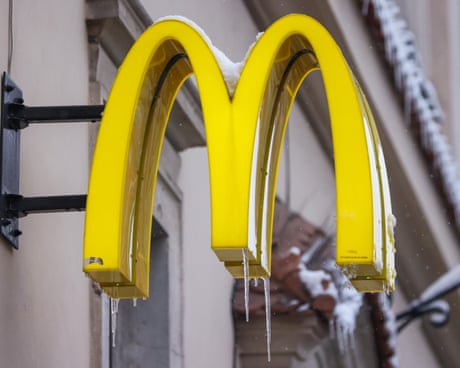
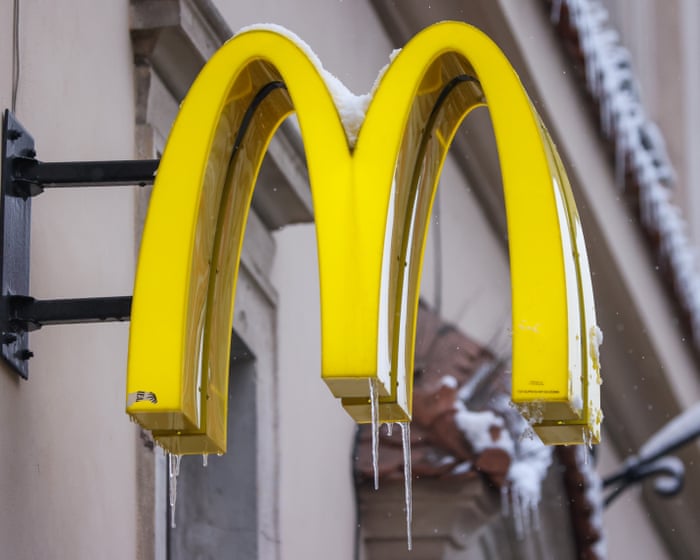
McDonald’s says it has removed an AI-generated Christmas advertisement in the Netherlands after it was criticised online.
The ad, titled “the most terrible time of the year”, depicts scenes of Christmas chaos, with Santa caught in a traffic jam and a gift-laden Dutch cyclist slipping in the snow. And the message? Retreat to a McDonald’s restaurant until January and ride out the festive season.
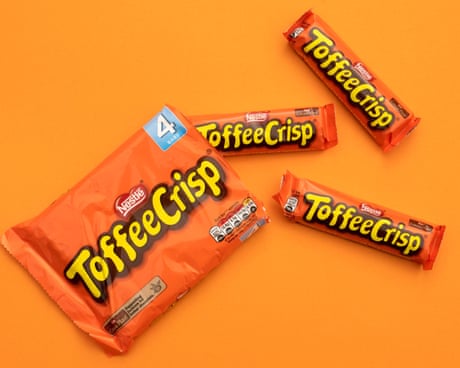
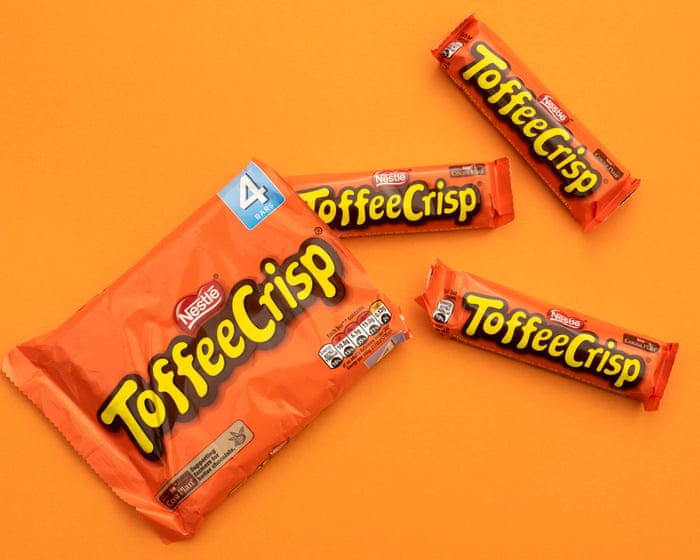
Nestlé confectionery treats now described as being ‘encased in a smooth milk chocolate flavour coating’
Toffee Crisp and Blue Riband bars can no longer be called chocolate after Nestlé reformulated their recipes due to the increasing cost of ingredients.
The Swiss conglomerate now describes the treats as being “encased in a smooth milk chocolate flavour coating”, rather than being covered in milk chocolate.
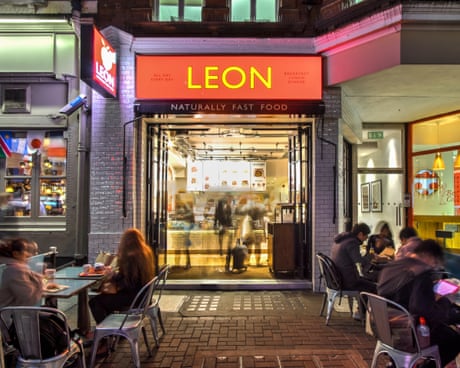
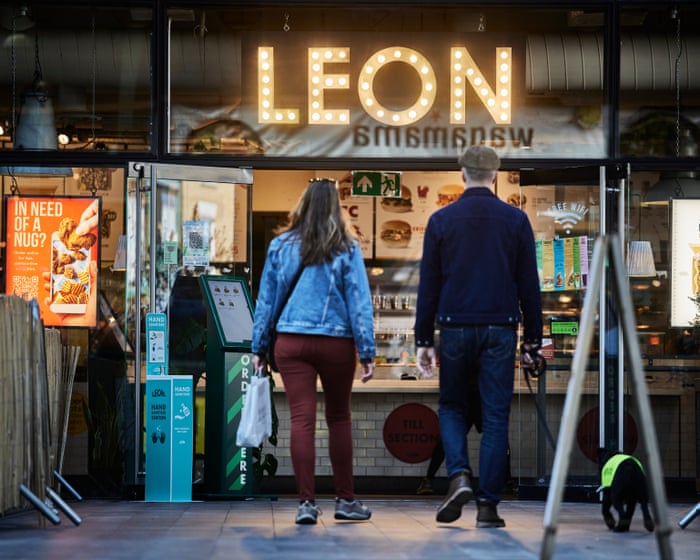
The 54-outlet chain was recently bought back by its co-founder, who says Leon must downsize as more customers work from home
Fast food chain Leon is planning to close restaurants and cut jobs, less than two months after it was bought back from Asda by its co-founder John Vincent.
The chain said on Wednesday that it had appointed administrators to lead a restructuring programme, and it was considering how many of its 54 restaurants would need to shut. It did not say how many roles could be affected.
Save a used teabag to flavour dried fruit, then just add whisky for a boozy festive treat
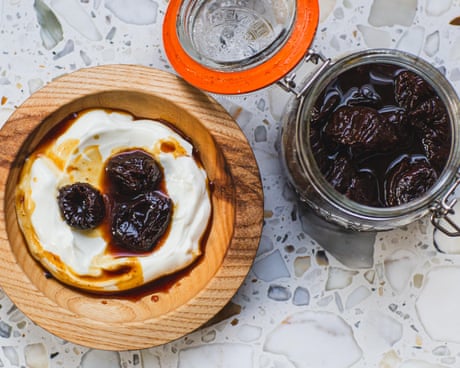
A jar of tea-soaked prunes with a cheeky splash of whisky is the gift you never knew you needed. Sticky, sweet and complex, these boozy treats are wonderful spooned over rice pudding, porridge, yoghurt, ice-cream or even panna cotta.
Don’t waste a fresh tea bag, though – enjoy a cuppa first, then use the spent one to infuse the prunes overnight. Earl grey adds fragrant, citrus notes, builders’ tea gives a malty depth, lapsang souchong brings smokiness, and chamomile or rooibos offer softer, floral tones. It’s also worth experimenting with other dried fruits beyond prunes: apricots, figs and/or dates all work beautifully, too.
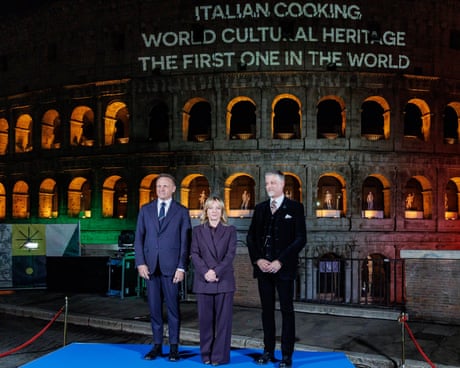
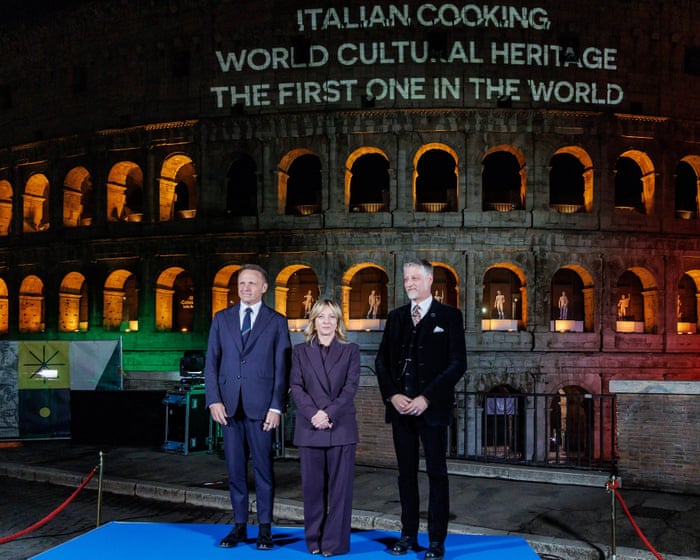
Italian cooking added to ‘intangible cultural heritage’ list after campaign by Giorgia Meloni’s far-right government
Unesco has officially recognised Italian cooking as a cultural beacon, an endorsement hailed by the far-right prime minister, Giorgia Meloni, whose government has put the country’s food at the heart of its nationalistic expression of identity.
The announcement, made on Wednesday during the UN cultural body’s assembly in Delhi, means Italian cuisine – from pasta and mozzarella to wine and tiramisu – will be inscribed on the coveted list of “intangible cultural heritage”.
Scientists issue urgent warning about chemicals, found to cause cancer and infertility as well as harming environment
Scientists have issued an urgent warning that some of the synthetic chemicals that help underpin the current food system are driving increased rates of cancer, neurodevelopmental conditions and infertility, while degrading the foundations of global agriculture.
The health burden from phthalates, bisphenols, pesticides and Pfas “forever chemicals” amounts to up to $2.2tn a year – roughly as much as the profits of the world’s 100 largest publicly listed companies, according to the report published on Wednesday.
Sweet, Mexican-inspired seed and salted spice brittle, and super-savoury XO sauce-laced cheesy pinwheel cookies
Edible Christmas gifts are a great excuse to get experimental with global flavours. For spice lovers, this moreish Mexican brittle, which is inspired by salsa macha (a delicious chilli-crunch), is sweet, salty, smoky, crunchy and has hints of anise. Then, for savoury lovers, some cheesy pinwheel cookies enlivened with XO sauce. XO is a deeply umami condiment from Hong Kong made from dried seafood, salty ham, chilli and spices. Paired with tangy manchego, it adds a funky kick to these crumbly biscuits.
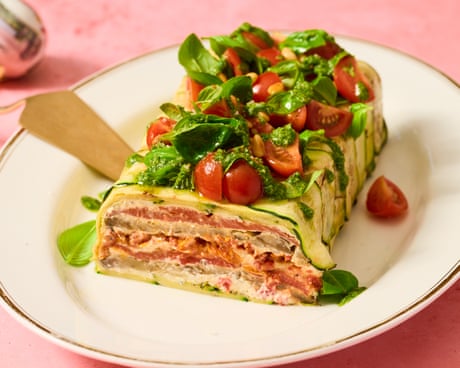
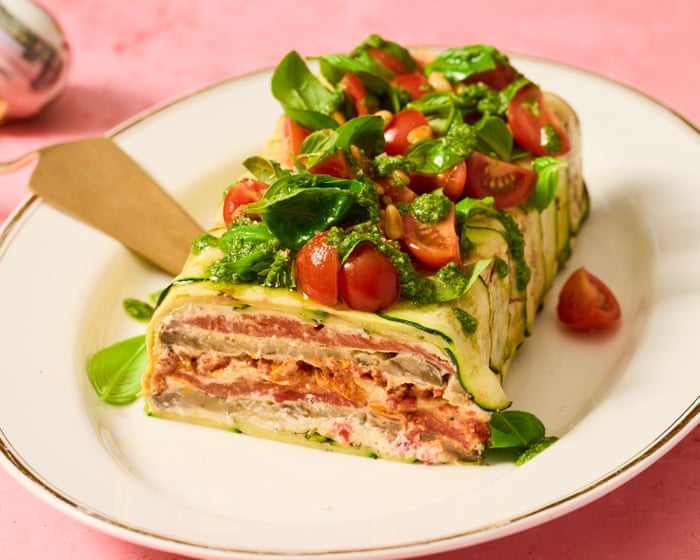
So you’re hosting a festive shindig in December and there are vegetarians in the crowd – or maybe the vego is you? You want to put on a good centrepiece but you’re not feeling the nut loaf vibes. What to do?
Festive catering for vegetarians is far easier in the northern hemisphere, where you can whack on a big chunk of pumpkin or stuff some peppers, and let them bake away while you roast the chestnuts and mull the wine.
Two easy bakes to share or gift: soft and peppery gingerbread cookies and a ginger and pumpkin loaf with spiced lemon icing
As a self-proclaimed America’s sweetheart (Julia Roberts isn’t using that title any more, is she?) who moved to the UK nearly 10 years ago, there are a few British traditions and customs that I haveadopted, especially around Christmas time. However, there are also a few American ones that I hold on to staunchly: one is the pronunciation of “aluminum”, and another is the importance and beauty of a soft cookie. In both of these easy but delicious bakes to share, I use spice and heat to balance the usual sweetness with which the season can often overload us.
Whether it’s the gift wrap (108m rolls discarded annually), the food (the average family wastes about £60 of it over the festive period) or the dreaded plastic packaging (more than 114,000 tonnes of it is discarded during Christmas in the UK), there is a lot of unnecessary festive stuff. According to Waste Direct, the UK produces 30% more waste at Christmas than at any other time of year.
A few years ago, a family member started a conversation about finding Christmas overwhelming because they were receiving gifts they didn’t really want or need. That sparked a chain reaction whereby we now have a more considered Christmas, choosing presents more wisely (or not at all) and cutting down on the excess. I’ve taken this experience – which has been truly rewarding – plus the advice of experts, to explore easy and joyful ways to be less wasteful this Christmas.
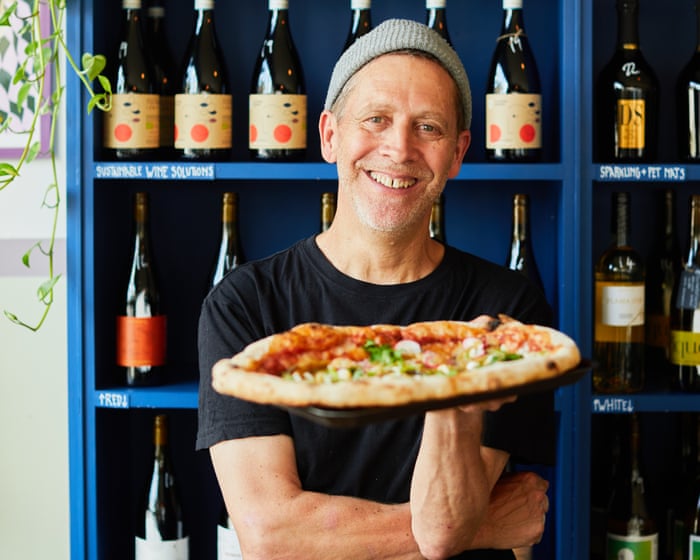
After a lifetime of working for others, Rich Baker threw caution to the wind. The result was a national award for his pizza and a surprising surge in confidence
When his kimchi fiorentina pizza won a national award, Rich Baker knew he was turning a corner. It was 2023. Baker was 60. He and his wife, Sarah, had made the kimchi themselves and their win put Flat Earth Pizzas, the east London restaurant they had launched the previous year, on the map.
“My life has changed so much,” Baker says. “A lightbulb has lit up inside and given me energy, and that energy has given me something that is quite amazing: a sense of confidence and a sense of fulfilment.”
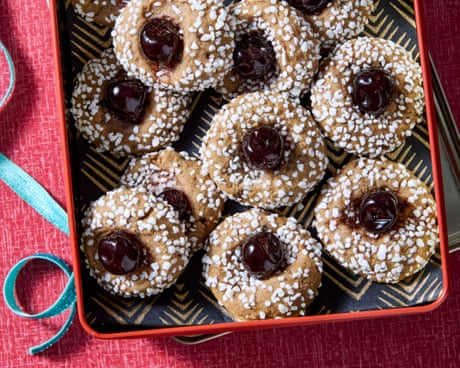
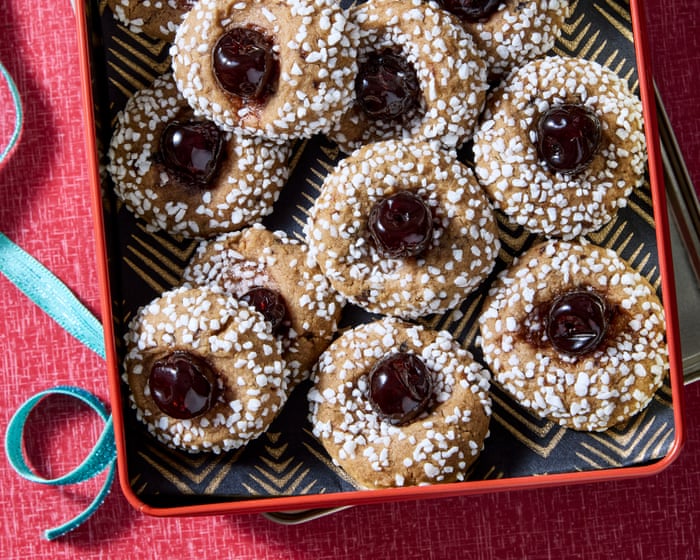
A rich, buttery crumb, a hint of bittersweet coffee, a spot of icing and a cherry on top … better gift them before you scoff them
These festive cookies are inspired by The Nutcracker’s Land of Sweets sequence, in which coffee and sugar plums are two of the flavours used to conjure a fanciful world of decadent diversion. Anything from a hard candy to a candied fruit can qualify as a “sugar plum” and, in the case of these cookies, the sugar plum is represented by the amarena cherry. Coffee’s bitterness balances the sweetness of the fruit and the rich butteriness of the dough, while the oat flour adds a dash of shortbread-like delicateness.
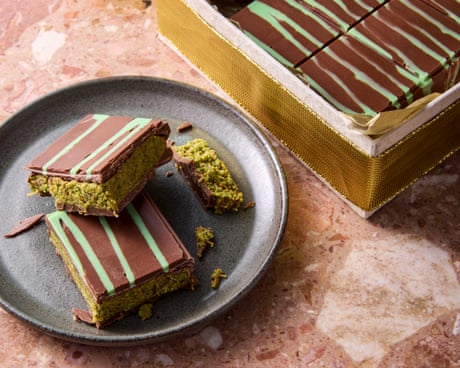
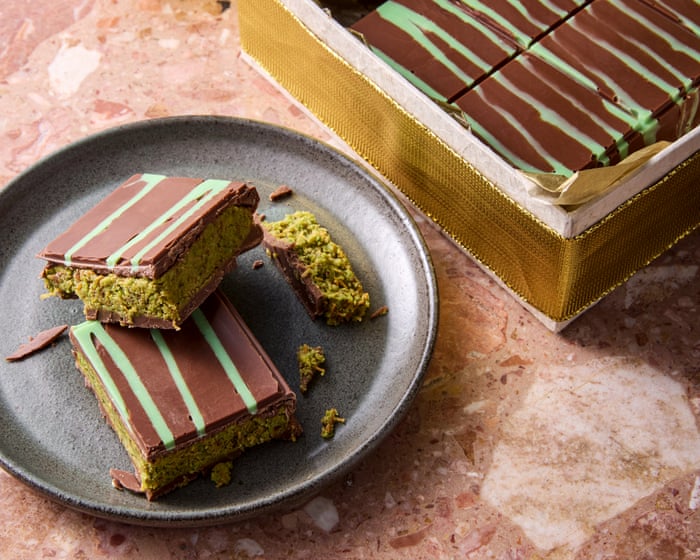
The pistachio-crammed craze makes a superb gift. Our in-house perfectionist tries all the fiddly bits for you …
If you’re asking what on earth chocolate has to do with a city with an average annual temperature of 28C, then you must have been stuck in the desert for the past three years. Because, since its creation in the UAE in 2022, apparently to satisfy chocolatier Sarah Hamouda’s pregnancy cravings for pistachio and pastry, this bar has taken over the world. Though food (among those with the luxury of choice, at least) has never been immune to the absurdities of fashion, the internet has supercharged and globalised the process, so much so that pistachios, which back in January were dubbed “the new pumpkin spice” by this very newspaper, are now everywhere, from Starbucks lattes to Aldi mince pies.
The thing is, however, that whatever your thoughts on green, sugary, coffee-adjacent beverages, Hamouda’s Dubai chocolate developed for Fix Dessert Chocolatier has triumphed, because it really does taste as good as it looks: crunchy pastry, sweet chocolate and rich, slightly savoury nut butter are an incredibly satisfying combination, so a big bar of it is guaranteed to impress under the Christmas tree. Experience demands that I suggest you wrap it in a pet-proof box, however – emergency vet bills are no one’s idea of a great present.
A new industry group wants to set aside the piecemeal state-by-state approach imposing food dye and labeling laws in favor of federal control. The opposition has roiled the MAHA coalition.
Robert F. Kennedy Jr., secretary of Health and Human Services, faces emerging foes in the food industry that are challenging his Make America Healthy Again agenda.
Jensen Huang, the Nvidia chief executive, and the leaders of Samsung and Hyundai staged a regular-folks outing in Seoul before announcing a business deal.

 Login
Login