
 Login
Login
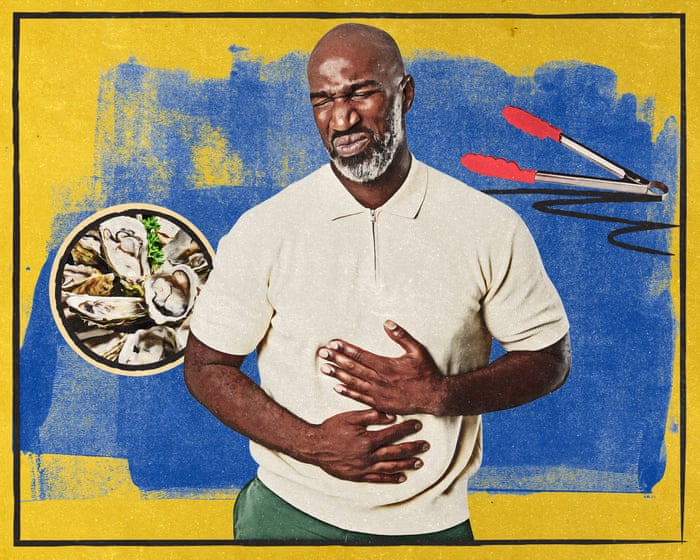
‘Oysters are a risk, as is raw meat’: why you get food poisoning – and how to avoid it
Several kinds of bacteria can give you an upset stomach. Here is how to steer clear of the worst offenders, and what to do if they do make it through
Many people in the modern world, it’s probably fair to say, do not take food poisoning particularly seriously. Yes, most folks wash their hands after handling raw chicken and use different chopping boards for beef and green beans – but who among us can honestly say we’ve never used the same tongs for an entire barbecue or left a storage box of cooked rice on the sideboard for a couple of hours? Ignore that rhetorical question for a moment, though – before you comment that of course everyone should do all those things, let’s talk about what’s happening in your body when it all goes horribly wrong.
At the risk of stating the obvious, food poisoning occurs when you eat food contaminated with harmful bacteria, viruses or toxins – but that doesn’t mean it always works the same way. “Some bacteria, such as Bacillus cereus – sometimes found in reheated rice – produce toxins before the food is eaten, meaning they can cause symptoms such as sudden vomiting within hours,” says Dr Masarat Jilani, an NHS specialist who regularly manages children and adults with food poisoning. Bacillus cereus also produces another type of toxin in the small intestine, which can cause diarrhoea. “Others, such as Salmonella and E. coli, act after you’ve eaten and often cause longer-lasting symptoms through inflammation of the gut.”
Continue reading...
© Composite: Guardian Design; We Are; Jordan Lye; happymoon77/Getty Images
© Composite: Guardian Design; We Are; Jordan Lye; happymoon77/Getty Images
© Composite: Guardian Design; We Are; Jordan Lye; happymoon77/Getty Images