Reading view

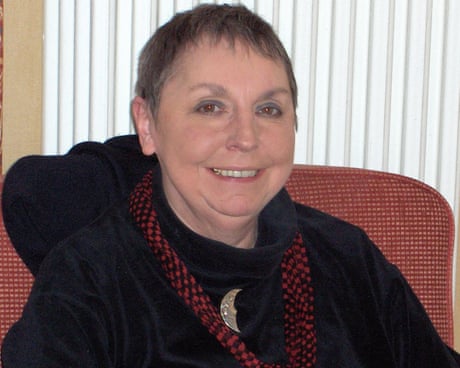
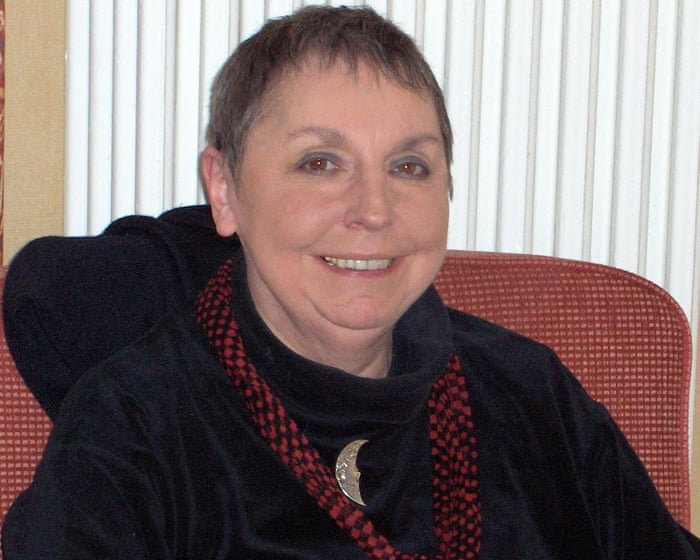
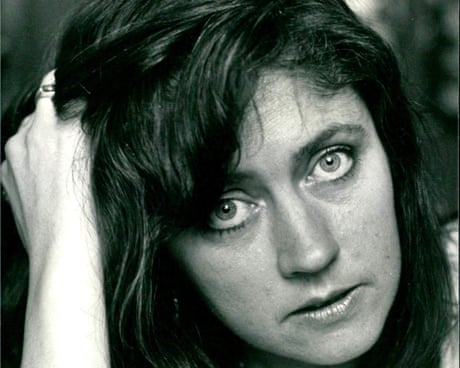
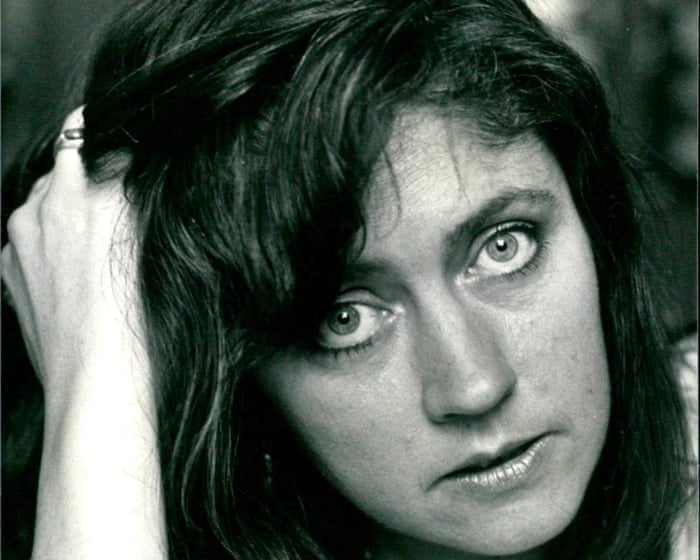
From Harry Potter to The Crying Game, Susie Figgis’s explosive enthusiasm made her an irreplaceable casting director

Producer Stephen Woolley pays tribute to Figgis, who has died aged 77, a brilliant professional whose ‘molotov cocktail personality’ enabled her work in British and Hollywood cinema

I first encountered Susie Figgis over 40 years ago when I interviewed her for The Company of Wolves, my debut movie production with Neil Jordan. We met at my then-cinema the Scala – it was a busy, noisy office but a sunny day, so we went up to the roof. Susie, who was already something of a legend having cast Stephen Frears’ Bloody Kids, Laura Mulvey’s avant garde films and Ben Kingsley in Gandhi, unleashed a volcanic eruption of unbridled enthusiasm for Angela Carter and Neil’s script. The collection of explosive expletives and voluble “darlings” almost blasted me to the King’s Cross streets below.

So began a professional relationship that spanned more than 23 movies. The task we set her for The Company of Wolves was tricky: to find an actor to play the adolescent Rosaleen. She achieved it through painstaking and meticulous methods (her trademark) over the next few months, exceeding our expectations when she discovered the excellent Sarah Patterson. She then topped that with the suggestion of Angela Lansbury for “Grannie” (who flew from Hollywood to shoot with us and had her character’s head decapitated for her troubles) and a superlative supporting cast of dancers, performance artists and veteran actors for our strange, violent woodland fairytale. Her passion for cinema was infectious: not only for the film-makers, but also the agents and actors who read our scripts. Susie demanded an intelligent and thoughtful response to the screenplays so no simple yes or no would suffice.

Continue reading...

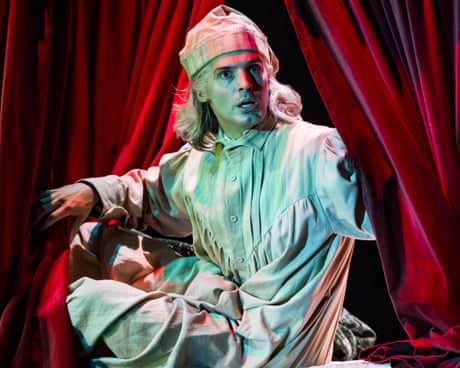
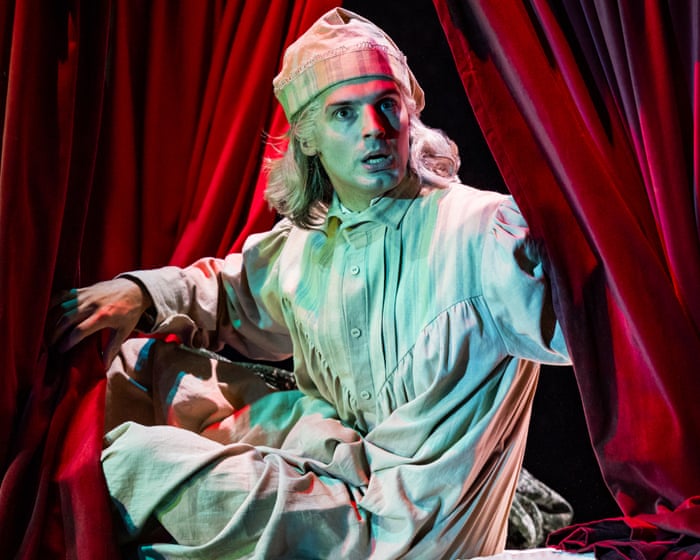
© Photograph: Sally Soames/Camera Press
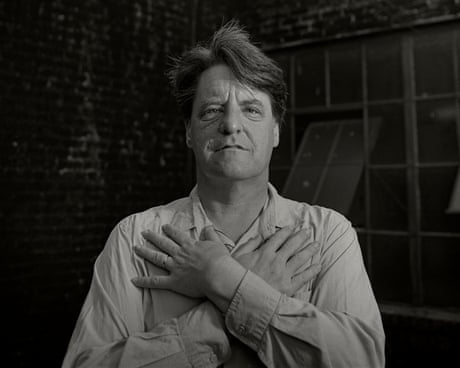
© Photograph: Sally Soames/Camera Press
© Photograph: Sally Soames/Camera Press


  •  

The Housemaid review – Sydney Sweeney takes the job from hell in outrageous suspense thriller

Amanda Seyfried and Brandon Sklenar co-star as Sweeney’s secretive bosses in an upstate New York mansion, and director Paul Feig ramps up the sexual tension with evident gusto

Director Paul Feig is known for broad comedy; now he cranks up the schlock-serious dial for an outrageously enjoyable – or at any rate enjoyably outrageous – psycho-suspense thriller in the spirit of 90s erotic noir, adapted by screenwriter Rebecca Sonnenshine from the 2022 bestseller by Freida McFadden. We are back in the sleazy, glossy world of Curtis Hanson’s The Hand That Rocks the Cradle or Joe Eszterhas’s Basic Instinct, but skating quite close, though not too close, to satire.

The scene is a bizarrely opulent mansion somewhere in upstate New York, splendidly isolated among a sea of bland suburban housing; it is approached by a drive, once you have got past the electronic gates. And it is down this avenue that Millie (Sydney Sweeney) nervously drives, wearing fake glasses to make herself look more mature, to apply for the job of live-in housemaid to the wealthy couple that lives there; she is hoping her prospective employers will not notice the worrying inconsistencies in her CV. She is greeted with smiley, Stepford-blond blandness by Nina Winchester (Amanda Seyfried), who appears to adore Millie, and explains that the job entails cooking, cleaning and looking after her young daughter, Cece (Indiana Elle).

Continue reading...

© Photograph: Daniel McFadden/Lionsgate

© Photograph: Daniel McFadden/Lionsgate

© Photograph: Daniel McFadden/Lionsgate

  •  

Richard Osman among authors backing call to issue library card to all UK babies

The proposal, supported by Kate Mosse and Philip Pullman, aims to make public library membership a national birthright

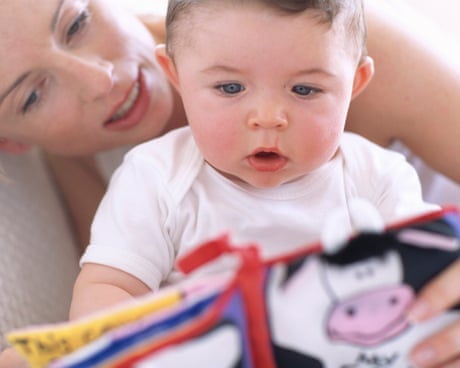
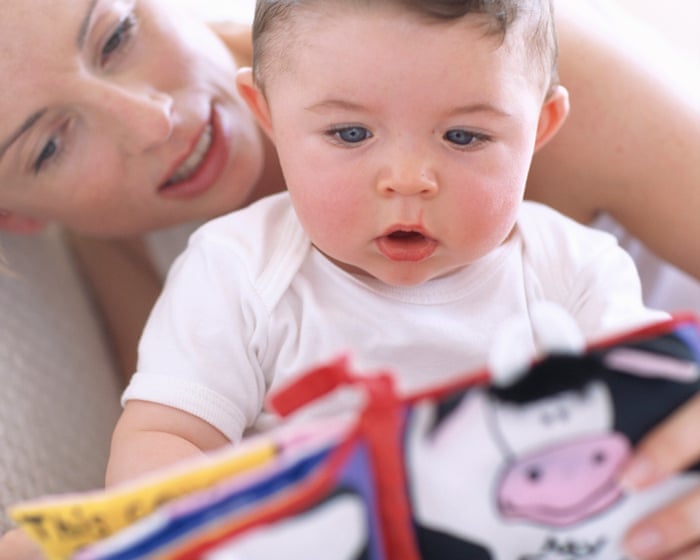
Richard Osman, Kate Mosse and Sir Philip Pullman are among authors calling for all babies to automatically receive a library card at birth. The proposal, put forward by the thinktank Cultural Policy Unit (CPU), aims to make public library membership a national birthright and encourage a culture of reading and learning in the early stages of childhood through a National Library Card.

“The idea behind a National Library Card is very simple,” Alison Cole, director at the CPU, said. “Access to knowledge and culture should be a birthright, not a postcode lottery. By giving every child an automatic library card from birth, together with a programme of activities and engagement, we make libraries part of the fabric of everyday life.”

Continue reading...

© Photograph: Ian Hooton/SPL/Getty Images/Science Photo Library RF

© Photograph: Ian Hooton/SPL/Getty Images/Science Photo Library RF

© Photograph: Ian Hooton/SPL/Getty Images/Science Photo Library RF

  •  

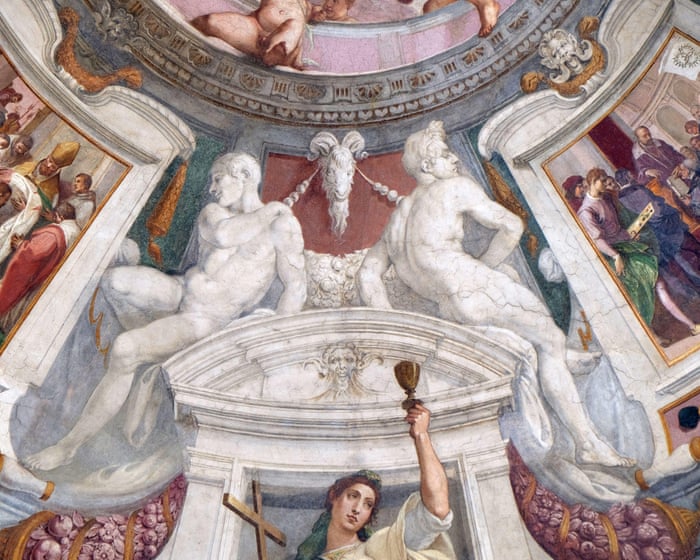
The Innocents of Florence by Joseph Luzzi review – how abandoned babies spurred a flowering of Renaissance art

The precarious, cruel but dazzling world of a foundling hospital is brought wonderfully to life by the author of Botticelli’s Secret

Joseph Luzzi, a professor at Bard College in New York, is a Dante scholar whose books argue for the relevance of the great Italian art and literature of the late middle ages and Renaissance to our own times. A great populariser and advocate of the humanities in public life, he has done for Dante what his Bard colleague Daniel Mendelsohn did for Homer in An Odyssey and other books.

This short volume tells the story of the Hospital of the Innocents in Dante’s home town of Florence, a building Luzzi has been fascinated by since encountering it in 1987 on his college year abroad. The Innocenti, as it is known, was the first institution in Europe devoted solely to the care of unwanted children. The first foundling, named Agata because she was left by its gates on Saint Agata’s Day 1445, had been nibbled at by mice.

Continue reading...

© Photograph: Zoonar GmbH/Alamy

© Photograph: Zoonar GmbH/Alamy

© Photograph: Zoonar GmbH/Alamy

  •  

How did a warm, cheery man like Rob Reiner make a film as horrific as Misery?

In an industry not exactly known for it, Reiner was an exceptionally nice guy. But he was too much of a showman to make a straight shocker. The result was rich, terrifying – yet cherished

‘Not a second of wasted time’: Rob Reiner’s golden run
Meeting Rob Reiner was like a visit from Santa
Rob Reiner’s five best films
Hollywood in shock: ‘One of the greatest’

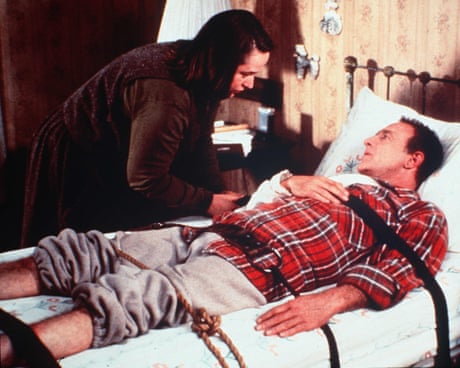
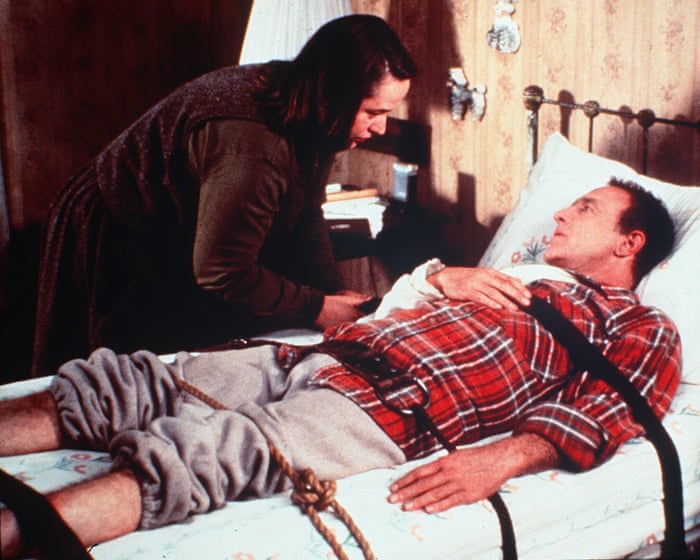
You can love a film without, apparently, ever having paid full attention to it. I realised this only recently when I came to understood something crucial about Misery, the 1990 psychological horror film adapted from the novel by Stephen King and directed by Rob Reiner. What are the chances, I used to think, that Paul Sheldon, the bestselling novelist kidnapped and tortured by unhinged superfan Annie Wilkes, came off the road right when she happened along? It didn’t occur to me that the reason she was there in the first place was because she was stalking him or even (a conclusion not supported by the text) that she caused the crash. You think and think about these films that you love – and they come up different every time.

Reiner’s main strength as a film-maker is what made news of his death particularly horrifying, which is to say the man’s warmth – a sense, widely felt by millions who knew him only through his movies, that at heart, and in an industry not exactly known for it, Reiner was an exceptionally nice guy. His movies were smart, sophisticated, knowing, but when I think about the hits he had across every genre, the defining characteristic for me is their absence of cynicism.

Continue reading...

© Photograph: Castle Rock/Columbia/Kobal/REX/Shutterstock

© Photograph: Castle Rock/Columbia/Kobal/REX/Shutterstock

© Photograph: Castle Rock/Columbia/Kobal/REX/Shutterstock

  •  

Noopiming: The Cure for White Ladies by Leanne Betasamosake Simpson review – startlingly original

The Indigenous Canadian author brilliantly captures the interdependence of humans and the natural world, in a darkly satirical critique of colonialism

Noopiming, the first of Canadian writer-musician Leanne Betasamosake Simpson’s books to be published in the UK, means “in the bush” in the language of the Ojibwe people. The title of this startlingly original fiction is an ironic reference to Roughing It in the Bush; or, Forest Life in Canada, an 1852 memoir about “the civilisation of barbarous countries” by Susanna Moodie – Simpson’s eponymous “white lady” – a Briton who settled in the 1830s on the north shore of Lake Ontario, where Simpson’s ancestors resided and she now lives.

That 19th-century settlers’ guidebook went on to be hailed as the origin of Canadian women’s writing; Margaret Atwood adopted the Suffolk-born frontierswoman’s voice in her 1970 poetry collection, The Journals of Susanna Moodie. Though she mentions Moodie’s book only in an afterword, Simpson’s perspective is different. For Moodie, extolling “our copper, silver and plumbago mines” in the extractivist British colony, the “red-skin” was a noble savage, and the “half-caste” a “lying, vicious rogue”. Yet, rather than a riposte to the toxic original, Noopiming – first published in Canada in 2020 and shortlisted for the Dublin Literary award in 2022 – sets about building a world on its own terms. The “cure”, then – the antidote to Moodie’s blinkered vision – is this book.

Continue reading...

© Photograph: Other Stories/ Zahra Siddiqui

© Photograph: Other Stories/ Zahra Siddiqui

© Photograph: Other Stories/ Zahra Siddiqui

  •  

Raynor Winn denies new allegations of theft from family members

The Salt Path author has rejected new accusations from a niece alleging she took money from relatives, describing the claims as part of a ‘false narrative’ about her life

Raynor Winn, the author of The Salt Path, has denied fresh allegations that she stole money from members of her family, describing the claims as part of a “false narrative” about her life.

The writer responded after her niece alleged that Winn had written a letter more than a decade ago setting out details of taking money from her mother and from her parents-in-law. Winn has strongly denied the allegations and said she did not write the letter.

Continue reading...

© Photograph: Jim Wileman/The Guardian

© Photograph: Jim Wileman/The Guardian

© Photograph: Jim Wileman/The Guardian

  •  

‘The antithesis to Nazi ideology’: how Pippi Longstocking was born to stand up to Hitler

A new documentary explores how Astrid Lindgren’s beloved children’s books about the pigtailed free spirit were written in response to the darkest days of the second world war

She’s the mischievous little red-haired Swedish girl with the pigtails. Since 1945, this waif with no mother or father has rarely been out of the bestseller lists and continues to inspire musicals and movies. Heyday Films, the outfit behind Paddington and James Bond, is now developing an English-language adaptation of her stories.

What isn’t generally known outside her native Sweden are the circumstances in which author Astrid Lindgren created Pippi during the darkest period of the second world war, under the shadow of Hitler and Stalin.

Continue reading...

© Photograph: PR

© Photograph: PR

© Photograph: PR

  •  

Tell Me Softly review – high-school romance of bad boys and blurred boundaries

Social-media fame and sexual intrigue collide in this part-Twilight, part-OC romantic drama whose provocative dramatic set-ups feel as glib as porn scenes

Here is a Spanish YA romance based on a novel by Mercedes Ron, famous (or perhaps notorious) for the My/Your/Our Fault saga. This time, we have Kami (Alícia Falcó), a confident, attractive cheerleader at her local high school with a huge following on social media, and an angry jock boyfriend who is none too pleased when her attention wanders towards a couple of handsome brothers who have just begun attending the school. Younger brother Thiago (Fernando Lindez) is in the same year as Kami, while the older Taylor (Diego Vidales) joins as a coach, and immediately begins behaving in a variety of ways inappropriate to his pastoral role. It quickly emerges that Kami and the brothers have some sort of dark and contentious history, hinted at in flashbacks and gradually revealed in full across the course of the run time.

Coming off like a scrambled-together mix of the love-triangle elements of Twilight with the elite social milieu of The OC, much is made of the idea that Kami is attracted to both brothers, despite Thiago being a sweet lad who is clearly into Kami, and Taylor being someone who is constantly brooding and growling and treating everybody badly. It doesn’t really seem like all that tough of a choice, though the film runs hard with the idea that Taylor’s behaviour, which contains enough red flags to supply bunting to an entire village fete, is justified by the strength of his feelings. Hmm.

Continue reading...

© Photograph: PR

© Photograph: PR

© Photograph: PR

  •  

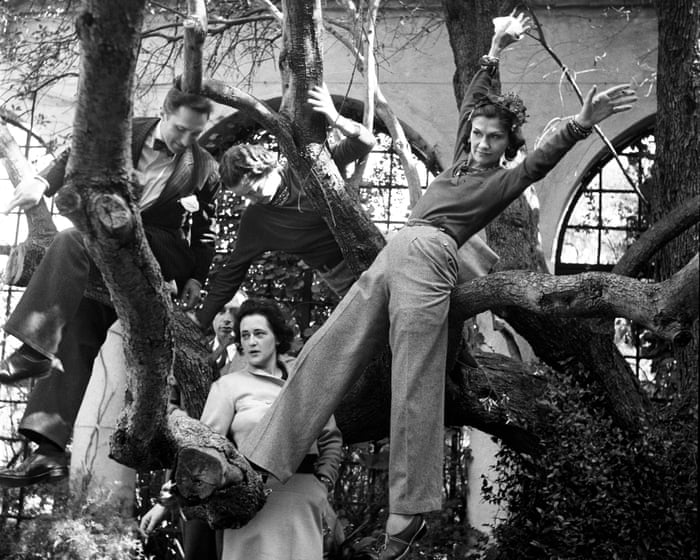
‘Lunch could last all day – and night’: inside Coco Chanel’s sun-kissed sanctum for art’s superstars

The French fashion designer’s lavish Mediterranean villa was frequented by everyone from Dalí to Garbo to Stravinsky to Churchill. It has now been lovingly restored – with a thrillingly bolstered library

It is the place where Salvador Dalí painted The Enigma of Hitler, a haunting landscape featuring a giant telephone receiver that seems to be crying a tear over a cutout picture of the Fuhrer. Conceived in 1939, the work seems to anticipate war. It is also the place where Winston Churchill penned parts of his multi-volume A History of the English-Speaking Peoples, and painted its dappled-light view. Somerset Maugham would visit, too, as well as novelist Colette, composer Igor Stravinsky and playwright Jean Cocteau, partaking in lunches that lasted all day and night, with debates and discussions around artistic ideas.

This place is La Pausa: the Mediterranean villa in the hills of Roquebrune-Cap-Martin, once owned by husband-and-wife writing duo Charles Norris Williamson and Alice Muriel Williamson, followed by French fashion designer Gabrielle “Coco” Chanel, who had it rebuilt from scratch at the end of the 1920s. She later sold it to an American publishing couple, Emery and Wendy Reves.

Continue reading...

© Photograph: Roger Schall © Schall Collection

© Photograph: Roger Schall © Schall Collection

© Photograph: Roger Schall © Schall Collection

  •  

Christmas Carol Goes Wrong review – a Dickensian disaster to savour

Apollo theatre, London
Mischief Theatre return to the am-dram battlefield, turning the Victorian tale into a blizzard of bruised egos and expertly timed farce

In the interval, I hear a newcomer to Mischief Theatre’s enduring “goes wrong” concept ask if these comic symphonies of am-dram mishaps ever get stale. On the contrary: in the first half of this Dickensian foul-up, much of the pleasure comes from watching the company spring-load a very familiar crop of gags ready to explode after the break.

Long-term Mischief watchers will guess, for example, that when a Maltesers box is dropped during rehearsals inside the model box for the Cornley Polytechnic Players’ A Christmas Carol, it will end up as a giant-sized component of the set. They will know that the rivalry between supercilious director Chris and bombastic actor Robert, fond of essaying the classics in the nude, will result in crazed feats of sabotage when the production gets under way. And they can be sure that dim-witted Dennis, who thinks he is auditioning for the role of “Frog Cratchit” after seeing the Muppets’ musical as research, will well and truly cook everyone’s goose.

Continue reading...

© Photograph: Mark Senior

© Photograph: Mark Senior

© Photograph: Mark Senior

  •  

Poem of the week: Winter Walk by Lynette Roberts

A journey through a visionary landscape, exceptionally bright in icy weather, conjures a surreal semi-mythical world

Winter Walk

She left the hut and bright log fire at noon
And walked outside on crisp white winter snow
To find the iced slopes shadowed like the moon,
The wild wood desolate and bare below;
The red trees wet, adrift with icy flow,
The evergreens with glassy needled leaves;
A bloodstone veined red and white this view weaves.

Continue reading...

© Photograph: Design Pics Inc/Alamy

© Photograph: Design Pics Inc/Alamy

© Photograph: Design Pics Inc/Alamy

  •  

Pulse by Cynan Jones review – short stories that show the vitality of the form

The Welsh author vividly captures the solitude, hard labour, dramas and dangers of rural life

In these six stories of human frailty and responsibility, Welsh writer Cynan Jones explores the imperatives of love and the labour of making and sustaining lives. Each is told with a compelling immediacy and intensity, and with the quality of returning to a memory.

In the story Reindeer a man is seeking a bear, which has been woken by hunger from hibernation and is now raiding livestock from the farms of a small isolated community. “There was no true sunshine. There was no gleam in the snow, but the lateness of the left daylight put a cold faint blue through the slopes.” The story’s world is one in which skill, endurance, even stubbornness might be insufficient to succeed, but are just enough to persist.

Continue reading...

© Photograph: Mark Newman/Getty Images

© Photograph: Mark Newman/Getty Images

© Photograph: Mark Newman/Getty Images

  •  

William Golding: The Faber Letters review – the making of a masterpiece

Correspondence between the Lord of the Flies author and his editor reveals one of the great literary collaborations of the age

When William Golding submitted Lord of the Flies to Faber in 1953 it had already been rejected at least seven times, maybe as many as 20. Charles Monteith could tell from the dog-eared typescript that it had done the rounds, and a reader for Faber called it “absurd and uninteresting … Rubbish and dull. Pointless.” But Monteith, young and new to the job, could see the book’s potential, and suggested ways that Golding – then a Salisbury-based schoolmaster in his early 40s – might improve it. More radically cut and revised than Monteith expected, the novel became a school syllabus classic. Thus began an author-editor friendship that lasted 40 years.

Their early exchanges by post were formal in the extreme: it took two years for Dear Monteith, Dear Golding to become Dear Charles, Dear Bill. But as provincial grammar school boys who both read English at Oxford, the two were attuned to each other. And after the rescue act performed on his first novel, Golding remained humbly grateful for whatever help he could get: “I’m in your hands as usual. I’ve no particular feeling of possession over the book.” Monteith’s touch was gentle for the next few years: enthusiastic, even effusive, he reassured Golding that his drafts of The Inheritors and Free Fall were the finished product. With later novels, such as The Spire and Rites of Passage, editorial feedback was tougher and more extensive. But there were no fallings out. “I’ve always had a feeling of you there, present but not breathing down my neck!” Golding said. He never seriously considered moving to another publishing house.

Continue reading...

© Photograph: Paul Schutzer/Time & Life Pictures

© Photograph: Paul Schutzer/Time & Life Pictures

© Photograph: Paul Schutzer/Time & Life Pictures

  •  

What rhymes with la la la, la la la la la? Kevin Killian, the poet obsessed with Kylie Minogue

He wrote poems named after Kylie songs and named his collection of erotic fiction after her indie album. He even loved the B-sides. So what did the avant garde writer find so inspiring about the mini Melbourne marvel?

Kevin Killian was obsessed with stars. Not in a metaphysical sense, like the grand lineage of poets that went before him, but the celebrity kind. Some were A-listers – he kept a vast database on Julia Roberts – and some more obscure. In 2000, taken by the work of cult literary sensation JT LeRoy, and confusion about their identity, Killian gave public readings of their work in San Francisco, where he had lived for 20 years after moving from New York. He would also turn unknown poets into local celebrities, hosting poetry events and making rapturous introductions to crowds that were occasionally outnumbered by the people on stage. “Anyone he admired was an A-lister,” says poet and friend, Evan Kennedy, “especially unknown poets. He’d enthuse about someone, and I’d say ‘Who?’ Kevin engaged the Bay Area poetry scene like Warhol did his Factory – but unlike Warhol, it wasn’t centred around him or his work.”

Killian – a figure in San Francisco’s New Narrative movement, alongside writers such as Kathy Acker and Robert Glück – saved his biggest celebrity obsession, however, for Kylie Minogue. She ran through his work like letters in a stick of rock. In 2008, he published Action Kylie, a poetry collection that included works named after Kylie songs (Slow, Spinning Around, Your Disco Needs You), and more abstract scenarios, such as the lovelorn An Audience with Kylie Minogue, in which lyrics from Fever intertwine with the mundanity of Love Hearts sweets. A year later, in 2009, Killian published Impossible Princess, an award-winning collection of gay erotic fiction named after Kylie’s misunderstood 1997 opus. She’d crop up elsewhere too, reflecting Killian’s bonafides as a proper fan. Tightrope, from 2014’s Tweaky Village collection, is named after a Kylie B-side, and highlights how “All her best songs saved as B-sides or just leaked on to the internet, where they live on as fan favourites”.

Continue reading...

© Photograph: Bromberger Hoover Photography/Getty Images

© Photograph: Bromberger Hoover Photography/Getty Images

© Photograph: Bromberger Hoover Photography/Getty Images

  •  

John Carey obituary

Literary critic, essayist and academic known for his erudite and pugnacious judgments on writers and his fellow dons

John Carey, who has died aged 91, bestrode the ever-narrowing bridge that connects the academic teaching of English literature to the world of literary journalism like a colossus. An Oxford don for more than 40 years – 25 of them as Merton professor – he combined his professional duties with a half-century-long stint on the books pages of the Sunday Times. All this gained him a formidable reputation as the most erudite and possibly the most pugnacious critic of his generation.

Carey’s take-no-prisoners approach to the business of literary journalism was the distinguishing mark of his early descents on Grub Street. He was anti-elitist, anti-Bloomsbury, anti-anything that, as he saw it, patronised the tastes of ordinary readers or hindered their enjoyment of literature, and capable of wielding his pen like a scythe.

Continue reading...

© Photograph: Brian Harris/Alamy

© Photograph: Brian Harris/Alamy

© Photograph: Brian Harris/Alamy

  •  

Is it time to redraw our maps?

From migration to ecology, new knowledge makes new cartographic demands

In May, as part of his campaign to annex Canada, President Donald Trump called the border with his neighbour an artificial line that had been drawn with a ruler “right across the top of the country”. He suggested that the map of North America would look more beautiful without it.

Historians pointed out that the border reflected a complex history and an everyday reality for millions, but they also admitted that Trump wasn’t entirely wrong. Much of the border does follow a straight line – the 49th parallel – and the Americans and Britons who drew it up knew almost nothing about local geography.

Continue reading...

© Illustration: Elia Barbieri/The Guardian

© Illustration: Elia Barbieri/The Guardian

© Illustration: Elia Barbieri/The Guardian

  •  

‘Suddenly, it was everywhere’: why some books become blockbusters overnight

Whether it’s through TikTok buzz, celebrity endorsements or good old-fashioned word of mouth, some titles enjoy a second, more powerful, life. But what unites them – and is there a formula for this type of success?

There is a particular kind of literary deja vu that strikes sometimes. Seemingly out of nowhere, the same book starts appearing across multiple social media feeds. On the bus, you’ll spot two copies of the same title in one day. A friend says, “Have you read this yet?”, to which you respond, “Someone was just telling me about it the other day.”

These are the sleeper hits that seem to materialise without warning. They are not stacked high on the new release tables. They are books that, for one reason or another, have slipped their original timelines and found a second, often more powerful life.

Continue reading...

© Composite: N/A

© Composite: N/A

© Composite: N/A

  •  

‘This extraordinary story never goes out of fashion’: 30 authors on the books they give to everyone

Colm Tóibín, Robert Macfarlane, Elif Shafak, Michael Rosen and more share the novels, poetry and memoirs that make the perfect gift

I love giving books as presents. I rarely give anything else. I strongly approve of the Icelandic tradition of the Jólabókaflóðið (Yule book flood), whereby books are given (and, crucially, read) on Christmas Eve. Nan Shepherd’s The Living Mountain is the one I’ve given more often than any other; so much so that I keep a stack of four or five to hand, ready to give at Christmas or any other time of the year. It’s a slender masterpiece – a meditation on Shepherd’s lifelong relationship with the Cairngorm mountains, which was written in the 1940s but not published until 1977. It’s “about the Cairngorms” in the sense that Mrs Dalloway is “about London”; which is to say, it is both intensely engaged with its specific setting, and gyring outwards to vaster questions of knowledge, existence and – a word Shepherd uses sparingly but tellingly – love.

Continue reading...

© Composite: Getty Images

© Composite: Getty Images

© Composite: Getty Images

  •  

New Kindle Feature Uses AI To Answer Questions About Books - And Authors Can't Opt Out

An anonymous reader shares a report: Amazon has quietly added a new AI feature to its Kindle iOS app -- a feature that "lets you ask questions about the book you're reading and receive spoiler-free answers," according to an Amazon announcement. The company says the feature, which is called Ask this Book, serves as "your expert reading assistant, instantly answering questions about plot details, character relationships, and thematic elements without disrupting your reading flow." Publishing industry resource Publishers Lunch noticed Ask this Book earlier this week, and asked Amazon about it. Amazon spokesperson Ale Iraheta told PubLunch, "The feature uses technology, including AI, to provide instant, spoiler-free answers to customers' questions about what they're reading. Ask this Book provides short answers based on factual information about the book which are accessible only to readers who have purchased or borrowed the book and are non-shareable and non-copyable." As PubLunch summed up: "In other words, speaking plainly, it's an in-book chatbot." [...] Perhaps most alarmingly, the Amazon spokesperson said, "To ensure a consistent reading experience, the feature is always on, and there is no option for authors or publishers to opt titles out."

Read more of this story at Slashdot.

  •  

Dorset to unveil statue of feminist writer and LGBTQ+ pioneer – and a cat

Tribute to Sylvia Townsend Warner follows campaign to nominate overlooked women

“The thing all women hate is to be thought dull,” says the title character of Sylvia Townsend Warner’s 1926 novel, Lolly Willowes, an early feminist classic about a middle-aged woman who moves to the countryside, sells her soul to the devil and becomes a witch.

Although women’s lives are so limited by society, Lolly observes, they “know they are dynamite … know in their hearts how dangerous, how incalculable, how extraordinary they are”.

Continue reading...

© Photograph: Supplied

© Photograph: Supplied

© Photograph: Supplied

  •  

The best recent science fiction, fantasy and horror – review roundup

Halcyon Years by Alastair Reynolds; Paris Fantastique by Nicholas Royle; All Tomorrows by CM Kosemen; The Salt Oracle by Lorraine Wilson; The Witching Hour by various authors

Halcyon Years by Alastair Reynolds (Gollancz, £25)
Yuri Gagarin, the Russian cosmonaut who was the first man in space, is reborn as a private eye on board the starship Halcyon as it draws nearer to the end of a centuries-long journey. Yuri knows he died for the first time back in the 1960s, long before the technology existed to launch such sophisticated spaceships, but believes his remains were preserved and stored for future revival. Onboard life is modelled on classic crime noir from the 1940s: men in hats, cigarettes and whisky, with no futuristic tech beyond some clunky, glitching robots. As he doggedly pursues the truth about the seemingly unconnected deaths of two teenagers from the most powerful families on the ship, Yuri gradually learns about himself. There’s a conspiracy that goes back generations in this clever, entertaining blend of crime and space opera.

Paris Fantastique by Nicholas Royle (Confingo, £9.50)
The third collection after London Gothic and Manchester Uncanny captures both the reality and the mysteries of contemporary life in Paris in 14 short stories, 11 published here for the first time. Royle is a genius at blending the ordinary with the eerie, and his stories range from displays of outright surrealism to sinister psychological mysteries that play out as suspensefully as Highsmith or Hitchcock. It’s a memorable, unsettling excursion through the streets, passages and banlieues of Paris, and a masterclass in writing evocative short fiction.

Continue reading...

© Photograph: Getty Images

© Photograph: Getty Images

© Photograph: Getty Images

  •  

Joanna Trollope, bestselling chronicler of ordinary life, dies aged 82

Her novels, including A Village Affair and Other People’s Children, drew on what Fay Weldon called a ‘gift for putting her finger on the problem of the times’

British novelist Joanna Trollope, whose portrayals of British domestic life made her one of the nation’s most widely read authors, has died at the age of 82.

Trollope published more than 30 novels during a writing career that began in 1980. Her early works, written under the pseudonym Caroline Harvey, were historical romances, but from the mid-1980s onward, she turned to contemporary fiction, a shift that would define her reputation.

Continue reading...

© Photograph: Linda Nylind/The Guardian

© Photograph: Linda Nylind/The Guardian

© Photograph: Linda Nylind/The Guardian

  •  

Jonathan Coe: ‘I was a Tory until I read Tony Benn’

The author on getting hooked on Flann O’Brien, reassessing Kingsley Amis, and why his grandfather was outraged by Watership Down

My earliest reading memory
Not my earliest reading memory, exactly, but my earliest memory of reading with avid enjoyment: The Three Investigators mysteries, a series of kids’ books about three juvenile detectives operating in far-off California (impossibly glamorous to me at the time) under the benign direction of Alfred Hitchcock, of all people. I devoured the first 12 in the franchise.

My favourite book growing up
Like everybody else growing up in the 1970s, I had a copy of Watership Down by Richard Adams on my bedroom shelves – it was the law. I did love it, though. Whatever fondness I have for the English countryside probably comes from that book. I remember my grandfather – a real country dweller – seeing me reading it and being outraged. “A book about rabbits?” he shouted. “They’re vermin!”

Continue reading...

© Photograph: Christopher L Proctor/The Guardian

© Photograph: Christopher L Proctor/The Guardian

© Photograph: Christopher L Proctor/The Guardian

  •  

Horror hit Paranormal Activity spawns a West End play – and even its director yelped with fear

Inspired by the scary film franchise, playwright Levi Holloway and Punchdrunk maestro Felix Barrett are bringing the ‘bizarrely joyous’ world of terror to the stage

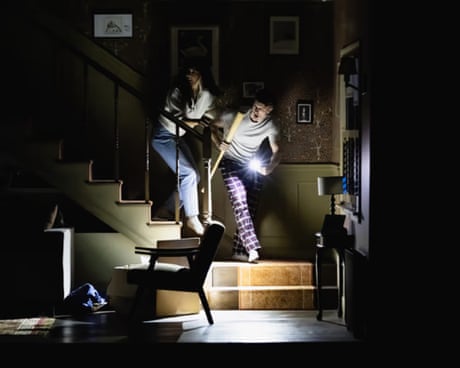
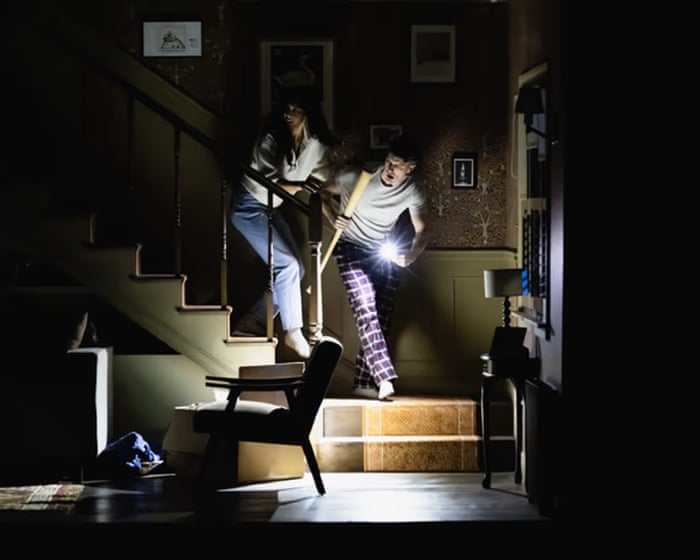
Malevolent spirits be damned – theatres can be haunted simply by the memory of bad plays and perhaps unscary horror in particular. The last time London’s Ambassadors theatre aimed to give audiences the shivers, with The Enfield Haunting, it led to some frightfully poor reviews. But a couple of years later, this intimate West End playhouse is hosting Paranormal Activity, a new instalment in the franchise that was kickstarted by a low-budget supernatural movie about a couple plagued by inexplicable nocturnal noises. “Hold your nerve” runs the play’s tagline – a directive you suspect applies not just to the audience.

Arriving at the theatre on the day of the first preview, it’s not creepy bumps and thuds that echo through the building but whizzing drills, sound checks and the last-minute discussions of a crew with a deadline. Perched in the dress circle bar, US playwright Levi Holloway and director Felix Barrett (best known as the founder of immersive theatre specialists Punchdrunk) are discussing how rarely they have been frightened in the theatre.

Continue reading...

© Photograph: Kyle Flubacker

© Photograph: Kyle Flubacker

© Photograph: Kyle Flubacker

  •  

Joyride by Susan Orlean review – an extraordinary, curious life

An exuberant, inspiring memoir from the New Yorker writer and author of The Orchid Thief

In 2017, 10 years after Susan Orlean profiled Caltech-trained physicist turned professional origami artist Robert Lang for the New Yorker, she attended the OrigamiUSA convention to take Lang’s workshop on folding a “Taiwan goldfish”. I was with her, a radio producer trying to capture the sounds of paper creasing as Orlean attempted to keep pace with the “Da Vinci of origami”, wincing when her goldfish’s fins didn’t exactly flutter in hydrodynamic splendour.

It was Orlean in her element: an adventurous student, inquisitive and exacting, fully alive to the mischief inherent to reporting – and primed to extract some higher truth. “When we first met you said something to me I’ve never forgotten,” Orlean told Lang. “That paper has a memory – that once you fold it, you can never entirely remove the fold.” Was that, she wondered, an insight about life, too?

Continue reading...

© Photograph: Gilbert Flores/WWD/Getty Images

© Photograph: Gilbert Flores/WWD/Getty Images

© Photograph: Gilbert Flores/WWD/Getty Images

  •  

Sophie Kinsella obituary

Author whose Shopaholic series of romcom novels were global bestsellers and adapted into a Hollywood film

Sophie Kinsella, who has died of a brain tumour aged 55, was one of Britain’s most successful novelists, selling more than 50 million copies of her books, including the globally successful Shopaholic series. Through three decades she retained a loyal and passionate readership with her deceptively light and intricately plotted comic novels.

Like her best-known heroine, Becky Bloomwood, Kinsella began her writing career in financial journalism, but, realising she was uninspired (and probably not very good at it), she wrote a book, The Tennis Party, that was published in 1995, when she was 25, under her given name, Madeleine Wickham (“Maddy”). This was followed by five subsequent standalone “Aga sagas”, which all achieved moderate chart success and critical acclaim.
Continue reading...

© Photograph: Sarah Lee/The Guardian

© Photograph: Sarah Lee/The Guardian

© Photograph: Sarah Lee/The Guardian

  •  

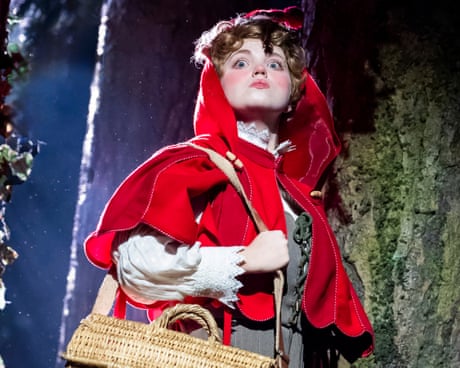
Into the Woods review – Brothers Grimm gloriously mashed up by Sondheim

Bridge theatre, London
Stephen Sondheim and James Lapine’s fairytale adventure follows its archetypal characters into real-world emotion, brilliantly drawn and sung

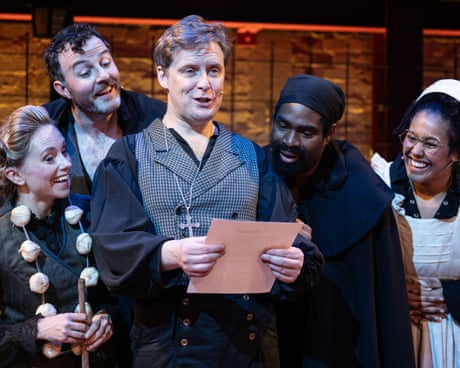
Can Stephen Sondheim and James Lapine’s eternally imaginative Grimm brothers mashup ever disappoint, when its book is so clever and it is driven by the most gorgeous (if tricky) music? Jordan Fein’s production shimmers and shines with all the humour and pathos of these errant fairytale characters who misadventure into the woods, winding their rearranged stories around each other.

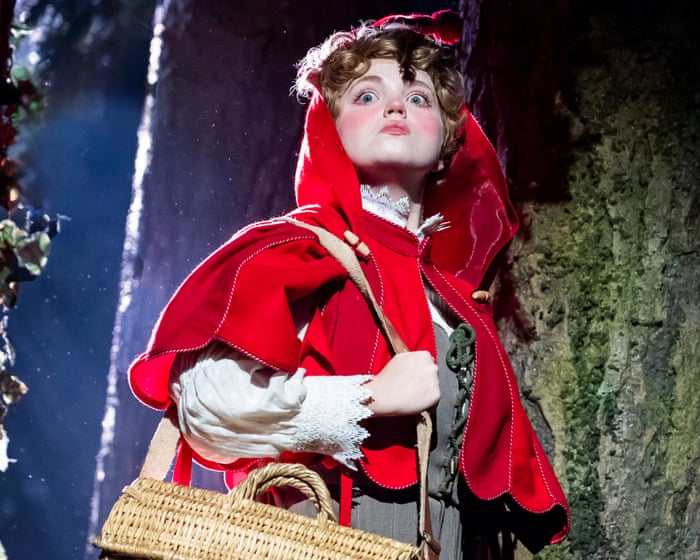
The show begins with swift efficiency, racing through some of the early songs, but it gathers feeling and there is picaresque fun. A witch’s curse inflicted on the Baker (Jamie Parker) and his wife (Katie Brayben) for the sins of his father can only be broken if they bring her Cinderella’s shoe, Rapunzel’s golden hair, Red Ridinghood’s coat and the milky white cow so dear to Jack (of the beanstalk).

Continue reading...

© Photograph: Tristram Kenton/The Guardian

© Photograph: Tristram Kenton/The Guardian

© Photograph: Tristram Kenton/The Guardian

  •  

Jarvis Cocker and Mary Beard announced as Booker prize judges

The historian is set to lead a ‘stellar’ 2026 panel featuring the Pulp frontman and other acclaimed writers, as the search begins for next year’s standout work of fiction

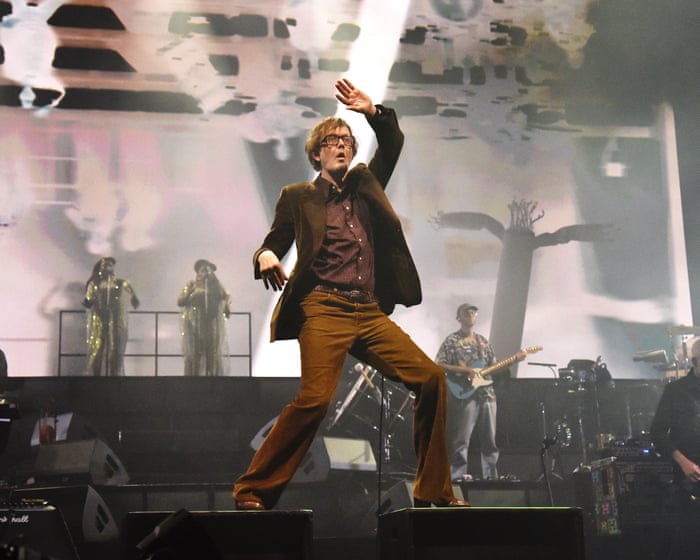
Pulp frontman Jarvis Cocker will feature on the 2026 Booker prize judging panel that will be chaired by the classicist and broadcaster Mary Beard.

Novelist Patricia Lockwood has also been named as a judge, along with the poet Raymond Antrobus and Rebecca Liu, an editor at the Guardian Saturday magazine.

Continue reading...

© Photograph: Jim Dyson/Getty Images

© Photograph: Jim Dyson/Getty Images

© Photograph: Jim Dyson/Getty Images

  •  

Jennifer Lawrence and Josh Hutcherson to return for latest Hunger Games instalment

Currently in production the second prequel in the series, Sunrise on the Reaping, will likely feature the married couple ‘in a flash-forward’

Jennifer Lawrence and Josh Hutcherson are to appear in the new Hunger Games movie, The Hunger Games: Sunrise on the Reaping, which is in production.

The Hollywood Reporter said it confirmed the pair’s return to the Hunger Games series, in what is the sixth film in the franchise. Both will play the same characters as in the original set of films – Lawrence as Katniss Everdeen and Hutcherson as Peeta Mellark – with the Hollywood Reporter suggesting they will “likely appear in a flash-forward”. At the close of The Hunger Games: Mockingjay – Part 2 (released in 2015), Everdeen and Mellark are married with children.
Continue reading...

© Photograph: Murray Close/AP

© Photograph: Murray Close/AP

© Photograph: Murray Close/AP

  •  

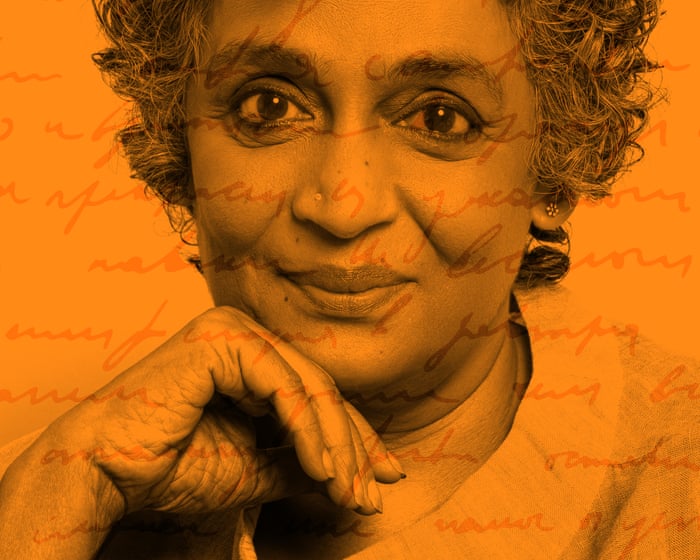
Where to start with: Arundhati Roy

As Foyles names her memoir its book of the year, here’s a guide to the Booker prize winner’s wide-ranging oeuvre of fiction and nonfiction

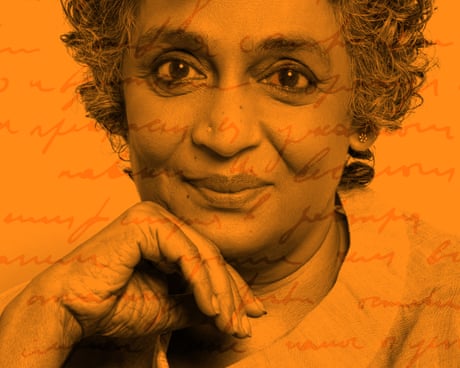
‘The point of the writer is to be unpopular,” said Arundhati Roy in 2018. Over the last three decades – beginning with her 1997 Booker winner, The God of Small Things, which catapulted her into celebrity – the writer’s works of fiction, nonfiction and essays have indeed been polarising; she has become one of the most prominent critics of the Indian government and Hindu nationalism.

Last year, she was awarded the PEN Pinter prize, given to writers who cast an “unflinching, unswerving” gaze on the world. Earlier this year, she published Mother Mary Comes To Me, an account of her relationship with her mother. The memoir has now been named Foyles book of the year, and was also shortlisted for Waterstones book of the year. Here, Priya Bharadia takes readers through Roy’s essential reads.

Continue reading...

© Composite: Guardian/Sreejith Sreekumar

© Composite: Guardian/Sreejith Sreekumar

© Composite: Guardian/Sreejith Sreekumar

  •  

Ever Since We Small by Celeste Mohammed review – a big-hearted Caribbean tale

This Trinidadian family saga blurs the line between real and imagined to create a multilayered history of an island and its people

Ever Since We Small opens in Bihar, India in 1899. Jayanti dreams of a woman offering her bracelets. Within days, her husband becomes sick and dies. Widowhood is not an option and Jayanti prepares for her own sati. Determined to apply the “godly might of English justice” and uphold a law banning the practice, an English doctor and magistrate muscle in to stop her. In an 11th-hour volte face, Jayanti, desiring life over the afterlife, allows herself to be saved. Triumphant, the magistrate suggests she become his mistress, but instead she opts to be shipped off to Trinidad. The island, she’s told, is a place where the shame of her choice will be forgotten.

Ever Since We Small, Celeste Mohammed’s second novel-in-stories, is a more cohesive work than Pleasantview, which won the Bocas prize for Caribbean literature in 2022. The opening chapter follows on from an academic introduction and Mohammed’s style is more reverent, less ballsy and humorous, than the warts-and-all portraits drawn in Pleasantview; but casting characters from the distant past often has that effect on novelists. The tone is appropriate, however; Mohammed here is the sober observer taking in the fate of women like Jayanti, who if they have choices at all, they are between bad and worse.

Continue reading...

© Photograph: by Marc Guitard/Getty Images

© Photograph: by Marc Guitard/Getty Images

© Photograph: by Marc Guitard/Getty Images

  •  

Exclusive eBook: Aging Clocks & Understanding Why We Age

In this exclusive subscriber-only eBook, you’ll learn about a new method that scientists have uncovered to look at the ways our bodies are aging.

by  Jessica Hamzelou October 14, 2025

Table of Contents:

  • Clocks kick off
  • Black-box clocks
  • How to be young again
  • Dogs and dolphins
  • When young meets old

Related Stories:

Access all subscriber-only eBooks:

  •  

Amazon Changes How Copyright Protection is Applied To Kindle Direct's Self-Published Ebooks

Amazon says it will allow authors to offer their DRM-free ebooks in the EPUB and PDF formats through its self-publishing platform, Kindle Direct Publishing. Starting on January 20, 2026, authors who set their titles as DRM-free will see their books made available in these more open formats. From a report: The decision to use Digital Rights Management (DRM), a copyright protection mechanism, is set by the authors when they publish their ebooks on Amazon's platform. The company notes these changes won't impact previously published titles. If authors want to change the status of older titles, they'll have to log into the Kindle Direct Publishing (KDP) author portal and change an option in the settings. (Instructions on how to make that change are on Amazon's KDP support site here.) This move may actually incentivize authors to apply DRM to their ebooks.

Read more of this story at Slashdot.

  •  

Confessions of a Shopaholic novelist Sophie Kinsella dies aged 55

The ‘queen of romantic comedy’ has died 18 months after announcing her brain cancer diagnosis

Madeleine Wickham, known for writing the bestselling novel Confessions of a Shopaholic under her pen name Sophie Kinsella, has died aged 55.

Wickham, dubbed “the queen of romantic comedy” by novelist Jojo Moyes, wrote more than 30 books for adults, children and teenagers, which have sold more than 45m copies.

Continue reading...

© Photograph: Murdo Macleod/The Guardian

© Photograph: Murdo Macleod/The Guardian

© Photograph: Murdo Macleod/The Guardian

  •  

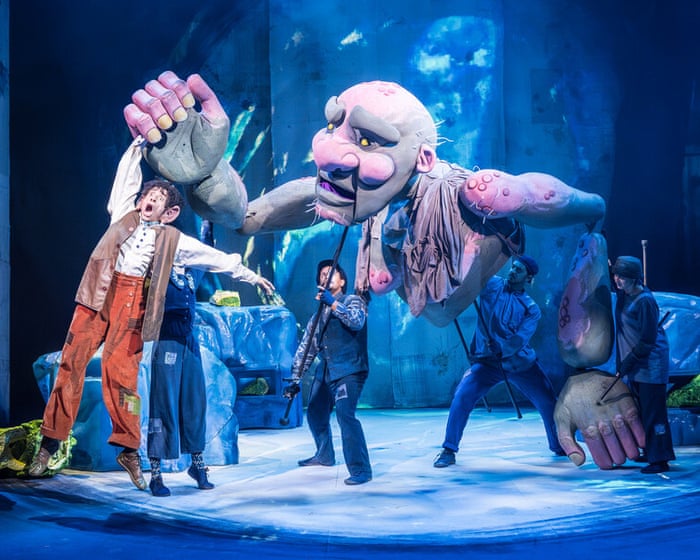
The BFG review – RSC’s big friendly mishmash lacks Matilda’s confidence

Royal Shakespeare theatre, Stratford-upon-Avon
This adaptation of the beloved tale about an ogre looks beautiful but does not grow into a giant to rival the company’s hit Roald Dahl musical

The Royal Shakespeare Company is named for its house dramatist but – since its global hit Matilda: The Musical premiered in Stratford-upon-Avon 15 winters ago – Roald Dahl has helped keep it solvent enough to do Shakespeare. An adaptation of Dahl’s 1982 book about a counter-intuitive ogre who befriends an orphan is a hoped-for Christmas gift to the coffers of an organisation making budget-trimming job cuts.

But, where Matilda was always confidently a comedy musical, The BFG feels stylistically to be juggling different shows. Adapted by Tom Wells with additional material from dramaturg Jenny Worton, the show has a strand of spoken drama, somewhat reminiscent of Sue Townsend’s The Queen and I, with a quasi-Elizabeth II, sweetly played by Helena Lymbery, saving the nation with child superhero helpers.

Continue reading...

© Photograph: Marc Brenner

© Photograph: Marc Brenner

© Photograph: Marc Brenner

  •  

Flat Earth by Anika Jade Levy review – fear and loathing in New York

This sharp, bleak debut satirises the current cultural moment through the life and loves of a cynical young writer

There is a long tradition of stories about artists that are also about the question of how to represent life in art; novels about artists with toxic female friendships are more unusual.

Enter Anika Jade Levy’s slim and sharp debut Flat Earth, which shares its title with a film made by a woman whom Avery, the narrator, identifies as her best friend. Frances is a rich and beautiful twentysomething who becomes a “reluctant celebrity in certain circles” after her film, “an experimental documentary about rural isolation and rightwing conspiracy theories” in the modern-day United States, premieres to critical acclaim at a gallery in New York. Avery, meanwhile, is struggling to write what she describes as “a book of cultural reports”.

Continue reading...

© Photograph: PR

© Photograph: PR

© Photograph: PR

  •  

Don’t Burn Anyone at the Stake Today by Naomi Alderman review – how to navigate the information crisis

The author of The Power looks to the past for lessons in surviving an era of seismic technological change

Naomi Alderman argues that one of the most useful things to know is the name of the era you’re living in, and she proposes one for ours: the Information Crisis. In fact, the advent of digital media marks the third information crisis humans have lived through: the first came after the invention of writing; the second followed the printing press.

These were periods of great social conflict and upheaval, and they profoundly altered our social and political relationships as well as our understanding of the world around us. Writing ushered in the Axial Age, the period between the eighth and third centuries BC, when many of the world’s most influential religious figures and thinkers lived: Laozi, Buddha, Zoroaster, the Abrahamic prophets and the Greek philosophers. Gutenberg’s printing press helped bring about the Reformation. While it is too early to know where the internet era will take us, in her new book, which she describes as a “speculative historical project”, Alderman suggests that those earlier crises offer clues.

Continue reading...

© Photograph: Phil Fisk/The Guardian

© Photograph: Phil Fisk/The Guardian

© Photograph: Phil Fisk/The Guardian

  •  

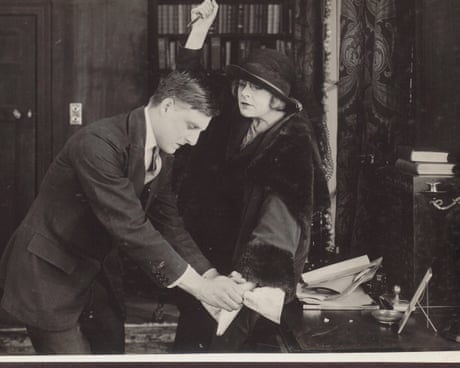
Silent Sherlock: Three Classic Cases review – on the hunt with Holmes in restored 1920s mysteries

From stealing a photo for the King of Bohemia to battling the Napoleon of crime on a clifftop, Holmes is witty and watchable in these early Conan Doyle-approved dramas

The British Film Institute has restored three of the short two-reel silent films in the Stoll Pictures Sherlock Holmes series from the early 1920s – and very witty, watchable and spirited entertainments they are too. The star is the English stage actor Eille Norwood, whose handsome, troubled, sensitive face looms out of the screen in extreme closeup in the first of these, A Scandal in Bohemia, from 1921. Dr Watson is played in all of the films by Hubert Willis.

In this first film, our hero demonstrates his talents as a master of disguise; Holmes is approached by the King of Bohemia at his rooms in Baker Street, wearing a mask (so concerned is he about being recognised), although Holmes’s powers of deduction (and of course his own superior mastery of this kind of imposture) allow him to rumble the king at once. He wants Holmes to purloin an incriminating photograph taken of him with a young woman – an “adventuress” is how he quaintly puts it – which could be embarrassing. This is the fashionable stage actor Irene Adler, played by Joan Beverley, and Holmes manages to get on stage with Adler mid-performance to carry out a daring stratagem. But very startlingly, Adler appears to be the one person who can outwit Holmes.

Continue reading...

© Photograph: BFI National Archive

© Photograph: BFI National Archive

© Photograph: BFI National Archive

  •  

Dracapella review – power ballads and beatboxing as ghoulish comedy gets down for the count

Park theatre, London
Gleefully leaning into all the cliches and groansome laughs, Dan Patterson and Jez Bond’s musical vampire romp is supremely silly

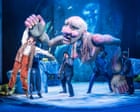
If ever there was a show where the title came first, you’d guess it was this one by Dan (Whose Line Is It Anyway?) Patterson and Jez Bond. Why else, if not to justify a pun, would you make an a capella singing version of the Victorian vampire novel? And Dracapella is nothing if not fond of a pun. (“There is a supernatural force at work in Transylvania.” / “Which is?” / “No, not witches.”) There’s lots more where that came from in this spooky comedy romp, in which an undead Romanian count concludes his 400-year search for love to a soundtrack of closely harmonised 80s power ballads and champion beatboxing.
The latter is all provided by ABH Beatbox, a cast member of the BAC Beatbox Academy’s Frankenstein, in whose globetrotting success I discern another (distant) inspiration for this music-gothic crossover. This one’s a more traditional affair, a knowing entertainment forever sending up its own storytelling cliches, and at every turn choosing groansome laughs over thrills. Arguably it lowers the stakes (it’s catching!) when a story about centuries-spanning passion becomes a vehicle for The Play What I Wrote-style larks. But the relentless silliness of Patterson and Bond’s confection amply compensates, as Harker’s train to Dover is decanted on to a rail replacement bus, and Dracula demonstrates his metaphysical powers by having his henchman consume – as if by magic! – a bowlful of marshmallows.
Continue reading...

© Photograph: Craig Sugden

© Photograph: Craig Sugden

© Photograph: Craig Sugden

  •  

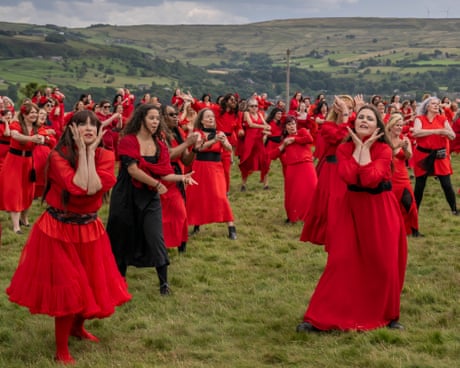
Margot Robbie in red latex, Kate Bush impersonators and a pint of Emily ale: my crash course in Brontëmania

As Wuthering Heights gets a raunchy Hollywood remake, our writer takes a pilgrimage through Haworth, the village where its author lived – and finds her spirit still electrifying the cobbled streets and windswept moors

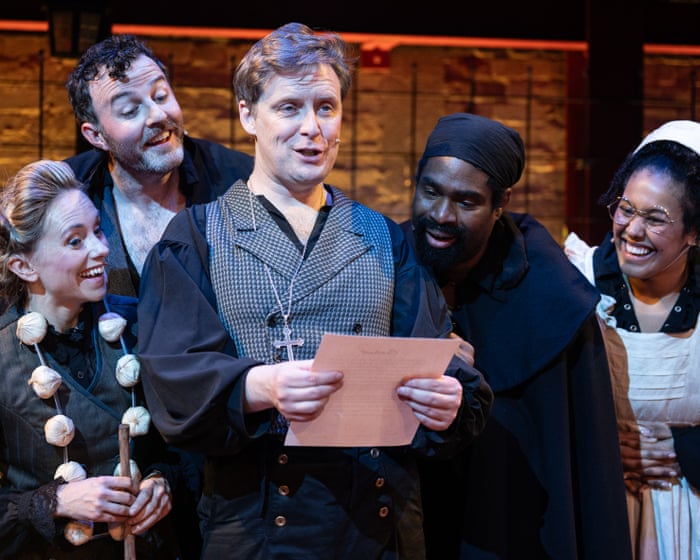
It’s a crisp afternoon in Haworth, West Yorkshire, and I’m drinking a pint of Emily Brontë beer in The Kings Arms. Other Brontës are on tap – Anne is a traditional ale, Charlotte an IPA, Branwell a porter – but the barman says Emily, an amber ale with a “malty biscuit flavour”, is the most popular. It’s the obvious choice today, anyway: in a few hours, Oscar-winning film-maker Emerald Fennell will be at the Brontë women’s writing festival in a church just up the road, discussing her adaptation of Emily’s 19th-century gothic masterpiece Wuthering Heights.

The film, to be released just before Valentine’s Day next year, is already scandal-ridden. It all started with Fennell’s casting of Hollywood stars Jacob Elordi and Margot (“Heathcliff, it’s me, it’s Barbie”) Robbie causing uproar. An erotic teaser trailer full of tight bodices, cracking whips and sweaty bodies had the same effect. But heads were really sent spinning by reports of a scene with a public hanging and a nun who “fondles the corpse’s visible erection”.

Continue reading...

© Photograph: Anthony Devlin/Getty Images

© Photograph: Anthony Devlin/Getty Images

© Photograph: Anthony Devlin/Getty Images

  •  

Faith Evans obituary

Talented editor and literary agent who was a co-founder of Women in Publishing

In 1987 Faith Evans, who has died aged 83, set about realising the concept of a small literary agency with a distinct identity, akin to the list or imprint of a publisher. It would focus on ideas and the kind of books that would enable her to combine her editorial, publishing and business experience with making a living. This meant looking out for and thinking up projects to which she could contribute, and which accorded with her political views. The agency was to have fewer authors than most – a dozen rather than several dozen – so she could give them the attention they needed.

She launched her firm, Faith Evans Associates, in shared premises in Dryden Street, Covent Garden. Around this time, she was a juror in a trial in which I was the defending barrister at Knightsbridge crown court. She thought I was a good communicator as a defender of the underdog, and that if I could just translate that on to the page, then I could write.

Continue reading...

© Photograph: none requested

© Photograph: none requested

© Photograph: none requested

  •  

American Canto by Olivia Nuzzi review – insufferable filler that sidesteps the real issues

The reporter’s alleged affair with Robert F Kennedy Jr raises a whole host of questions, few of which get answers in this pretentious memoir

Did he take me seriously?” Olivia Nuzzi wonders in the midst of her infamous alleged affair with Robert F Kennedy Jr. Nuzzi, then Washington correspondent for New York magazine, has just learned that she and the Politician, as she calls RFK Jr in her new book, may overlap during a visit to Mar-a-Lago. Nuzzi, worried Donald Trump will catch on and start spreading rumours, convenes an emergency meeting with the Politician to strategise. RFK Jr – who has denied having an affair with Nuzzi – doesn’t see the big deal.

So, she agonises “Did he take me seriously?” and reflects that she had “little cause to consider the question before now.”

Continue reading...

© Photograph: Stefani Reynolds/AFP/Getty Images

© Photograph: Stefani Reynolds/AFP/Getty Images

© Photograph: Stefani Reynolds/AFP/Getty Images

  •  

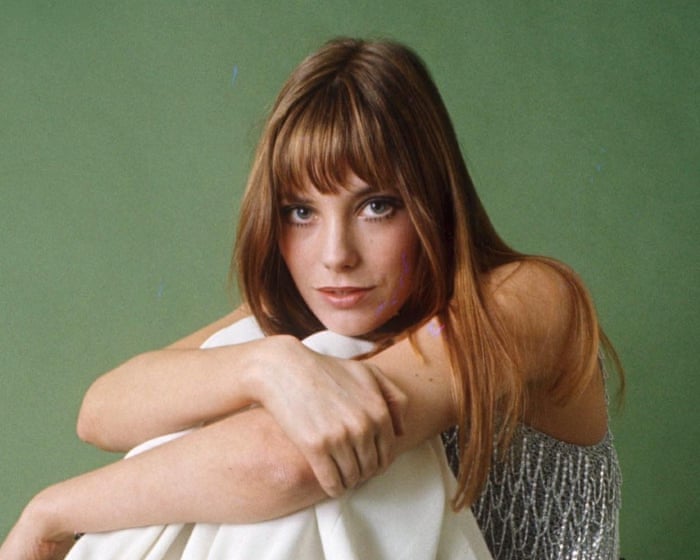
It Girl by Marisa Meltzer review – how Jane Birkin became an icon

The unlikely story of an English girl catapulted to French fame – and a relationship with Serge Gainsbourg that resembled a piece of deranged performance art

Boarding a flight in 1983, Jane Birkin found herself wrestling with the open straw basket into which she habitually crammed everything from playscripts to nappies. As she reached for the overhead locker the basket overturned, spilling the contents on her neighbour. He turned out to be the chief executive of Hermès, the French luxury goods company, and immediately offered to make her a bag with internal pockets and a secure closure. Birkin sketched what she wanted on a sick bag and “The Birkin” was born: a slouchy trapezoid in finest leather complete with its own little padlock. These days a Birkin bag starts at around £10,000 while the original, made for Birkin herself, was auctioned this summer for £7.4m.

It is a tale that gets endlessly repeated thanks to its neat compression of the main beats of the Jane Birkin story. First, there’s the insouciance, the fact that the Anglo-French singer and actor never seemed to go after anything; rather, it came to her. Then there’s her lack of mortification at having her whole life upended on a strange man’s lap, nappies and all. Finally, there’s her refusal to feel overawed by her bounty. Birkin famously did not treat her Hermès bag with especial reverence, enthusiastically festooning it with charms, beads, stickers and ribbons. The trend for personalising your handbag with bits of tat was ubiquitous this summer, part of a wider revival of the Birkin aesthetic, comprising flared mid-wash jeans, peasanty cheesecloth blouses and ballet flats. You couldn’t avoid it if you tried.

Continue reading...

© Photograph: Shutterstock

© Photograph: Shutterstock

© Photograph: Shutterstock

  •  

On the Calculation of Volume III by Solvej Balle review – how to make a timeloop endlessly interesting

The hypnotic third novel in the hit Danish series grapples with the philosophical realities of being stuck on repeat in 18 November

The time loop story, in which characters repeatedly relive the same span of time, has become synonymous with the 1993 film Groundhog Day, but the idea has much older roots. In PD Ouspensky’s 1915 novel Strange Life of Ivan Osokin, the feckless Osokin is given the chance to live his life over again, only to find himself making all the same mistakes. Like Groundhog Day’s insufferable Phil Connors, Osokin can change nothing without changing himself.

Solvej Balle’s much-lauded series On the Calculation of Volume takes a very different approach. She first began working on the idea decades ago, several years before Groundhog Day was released. The film, she says, “helped me with research by trying out some of the roads I did not want to take”. The books, five so far with two more planned, have proved a literary sensation in her native Denmark, with the first three volumes together scooping the 2022 Nordic Council Literature prize, the highest literary honour in Scandinavia. This is the third to be published in English this year; the first was shortlisted for the 2025 International Booker prize.

Continue reading...

© Photograph: Bernhard Lang/Getty Images

© Photograph: Bernhard Lang/Getty Images

© Photograph: Bernhard Lang/Getty Images

  •  

The Dead of Winter by Sarah Clegg audiobook review – haunting Christmas tales

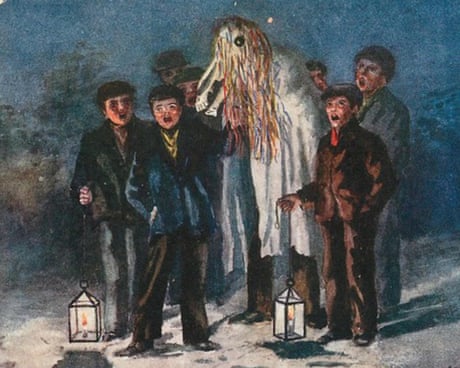
An esoteric blend of folklore and festivity reveals the lesser known, dark side of Christmas, from horse skulls and Yule cats to Icelandic ogres

Christmas nowadays tends to revolve around family, food and a furtive visit from a pot-bellied stranger down the chimney. But in The Dead of Winter, the historian and folklorist Sarah Clegg reveals a lesser known side to the festive season, unearthing unsettling midwinter traditions and stories that fell out of favour in the Victorian age.

Subtitled The Demons, Witches and Ghosts of Christmas, the book opens with Clegg embarking on a pre-dawn walk to a graveyard on Christmas Eve. She is recreating an old Swedish tradition called årsgång, or “year walk”, which is said to offer glimpses into the walker’s future along with “shadowy enactments of the burials of anyone who will die in the village this coming year”.

Available via WF Howes, 4hr 21min

Continue reading...

© Photograph: Alamy

© Photograph: Alamy

© Photograph: Alamy

  •  

The Curious Case of Mike Lynch by Katie Prescott review – the extraordinary story behind the Bayesian tragedy

A meticulously researched account of the controversial businessman’s rise and shocking demise

At least two terrible ironies surround the death of Mike Lynch. One lies in the name of his superyacht, which sank off the coast of Sicily in the early hours of 19 August 2024. He had named the boat Bayesian to honour Bayes’s theorem, a mathematical rule that helps you weigh up the probability of something given the available evidence, which served as Lynch’s guiding light over the course of a tempestuous career. The theorem was “a beautiful key to our minds”, Lynch believed. But it was entirely incapable of predicting the outcome that morning, when the yacht capsized during a storm, killing seven people, including Lynch, his 18-year-old daughter Hannah and his US lawyer, Chris Morvillo.

A second irony lies in the fact that Lynch had just come through the trial of his life, one he felt was bound to end in jail, where he thought he could die. Somehow, to everyone’s astonishment, an American jury had acquitted him and his co-defendant on all 15 counts of fraud.

Continue reading...

© Photograph: Baia di Santa Nicolicchia

© Photograph: Baia di Santa Nicolicchia

© Photograph: Baia di Santa Nicolicchia

  •  

OpenAI desperate to avoid explaining why it deleted pirated book datasets

OpenAI may soon be forced to explain why it deleted a pair of controversial datasets composed of pirated books, and the stakes could not be higher.

At the heart of a class-action lawsuit from authors alleging that ChatGPT was illegally trained on their works, OpenAI’s decision to delete the datasets could end up being a deciding factor that gives the authors the win.

It’s undisputed that OpenAI deleted the datasets, known as “Books 1” and “Books 2,” prior to ChatGPT’s release in 2022. Created by former OpenAI employees in 2021, the datasets were built by scraping the open web and seizing the bulk of its data from a shadow library called Library Genesis (LibGen).

Read full article

Comments

© wenmei Zhou | DigitalVision Vectors

  •