Reading view

When ‘How are you?’ becomes a painful question to answer | Letter

Mark Cottle, who has metastatic prostate cancer, responds to an article by Carolin Würfel

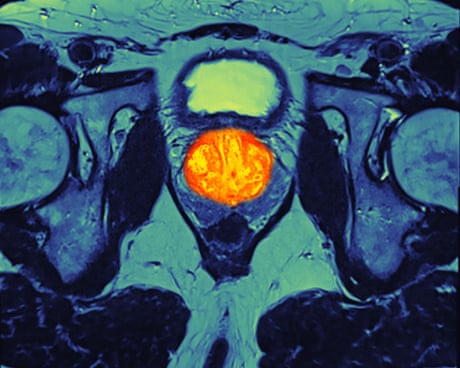
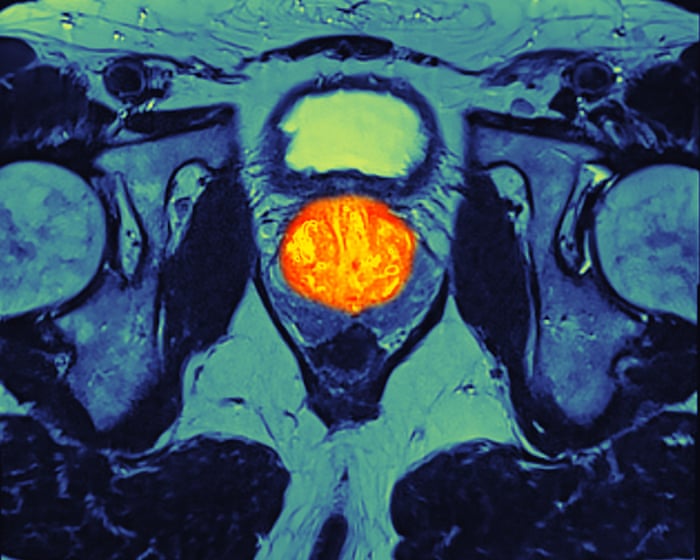
It’s not just Germans like Carolin Würfel (16 December) who face a challenge with the question “How are you?” When I was diagnosed with metastatic prostate cancer, that question went from being a routine conversation-opener to something much trickier.

The convention, in Britain at least, is to answer something like “Oh, not bad…” Frankly, things are very bad, so I’m stuck between the dishonesty of the ritual reply and the full truth, which is a lot to fling back at someone offering an innocent greeting. I’ve developed the more nuanced response “All right today”, which I use if I really am doing all right in the general context of things.

Continue reading...

© Photograph: yangwenshuang/Getty Images

© Photograph: yangwenshuang/Getty Images

© Photograph: yangwenshuang/Getty Images

  •  

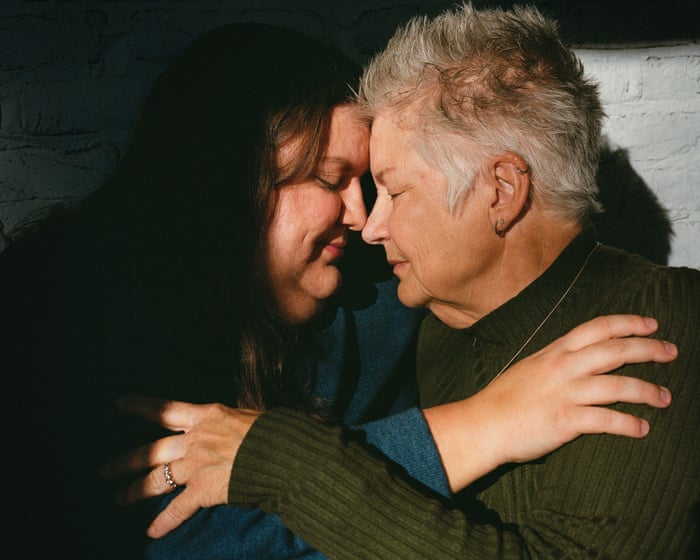
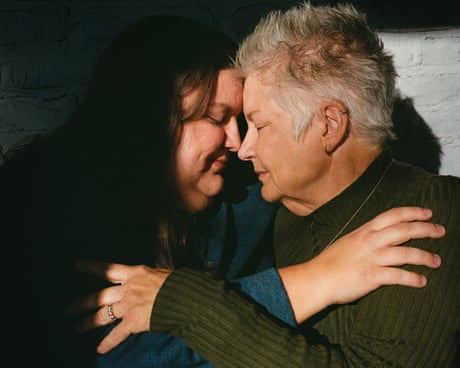
First she got breast cancer. Then her daughter did, too

A breast cancer diagnosis is hard enough – what happens when a mother and daughter go through it at the same time?

Genna Freed should have been in the mood to celebrate. On a cloudy November day in 2022, her mother, Julie Newman, was about to complete her final round of radiation, after being diagnosed with breast cancer in September. The whole family, a close-knit bunch, was gathering with balloons and signs.

But Freed, then a few weeks shy of her 31st birthday, was carrying a secret. Spurred by her mother’s diagnosis, she had her first mammogram a couple days earlier, and it had turned up a suspicious spot. Now she needed a second, diagnostic mammogram, and likely a biopsy. She found herself walking a surreal sort of tightrope, caught between relief that her mother’s treatment was over and fear that she might soon be starting her own.

Continue reading...

© Photograph: The Guardian

© Photograph: The Guardian

© Photograph: The Guardian

  •  

The Guardian view on birth influencers: the public need protecting from bad advice | Editorial

Our investigation of the Free Birth Society points to problems with maternity care and the role played by technology

Despite all the proven advances of modern medicine, some people are drawn to alternative or “natural” cures and practices. Many of these do no harm. As the cancer specialist Prof Chris Pyke noted last year, people undergoing cancer treatment will often try meditation or vitamins as well. When such a change is in addition to, and not instead of, evidence-based treatment, this is usually not a problem. If it reduces distress, it can help.

But the proliferation of online health influencers poses challenges that governments and regulators in many countries have yet to grasp. The Guardian’s investigation into the Free Birth Society (FBS), a business offering membership and advice to expectant mothers, and training for “birth keepers”, has exposed 48 cases of late-term stillbirths or other serious harm involving mothers or birth attendants who appear to be linked to FBS. While the company is based in North Carolina, its reach is international. In the UK, the NHS only recently removed a webpage linking to a charity “factsheet” that recommended FBS materials.

Do you have an opinion on the issues raised in this article? If you would like to submit a response of up to 300 words by email to be considered for publication in our letters section, please click here.

Continue reading...

© Photograph: Oscar Wong/Getty Images

© Photograph: Oscar Wong/Getty Images

© Photograph: Oscar Wong/Getty Images

  •  

Cliff Richard reveals year-long prostate cancer treatment and backs screening call

Singer, 85, says disease has ‘gone at the moment’ and hopes to join forces with King Charles to raise awareness

Cliff Richard has revealed he has been treated for prostate cancer for the past year. The 85-year-old singer said his cancer had “gone at the moment” and backed calls for a national screening test for men.

In an interview with ITV’s Good Morning Britain on Monday, he said: “I don’t know whether it’s going to come back. We can’t tell those sort of things but we need to, absolutely, I’m convinced, get there, get tested, get checked.”

Continue reading...

© Photograph: James Klug/Getty Images

© Photograph: James Klug/Getty Images

© Photograph: James Klug/Getty Images

  •  

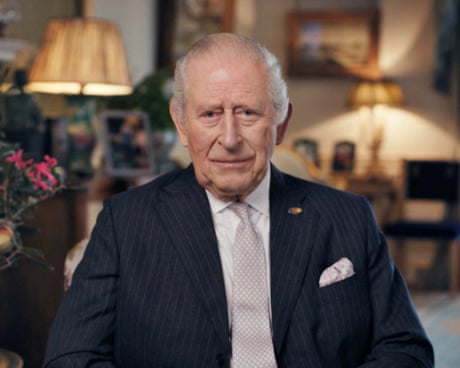
King Charles hails reduction in cancer treatment as ‘milestone’ in his recovery

King extols early diagnosis which can give ‘invaluable time’ and backs launch of screening checker tool

King Charles has hailed a “milestone” in his “cancer journey” and revealed he is to reduce his schedule of treatment in the new year, describing the news as a “personal blessing”.

His treatment will move into a precautionary phase with its regularity significantly reduced as his recovery reaches a very positive stage, it is understood. His medical team will assess how much longer he will require treatment to protect and prioritise his continued recovery.

Continue reading...

© Photograph: Tommy Forbes/Bango Studios/Reuters

© Photograph: Tommy Forbes/Bango Studios/Reuters

© Photograph: Tommy Forbes/Bango Studios/Reuters

  •  

TV tonight: Kieran Culkin, Josh Hartnett and Nick Mohammed do Gogglebox

Stand Up to Cancer kicks off with unexpected Hollywood stars … and the beloved ‘hundys’ from The Celebrity Traitors. Plus: all-out luxury (and the best cheeses) at a Mayfair hotel. Here’s what to watch this evening

7.30pm, Channel 4
Davina McCall launches a run of programmes with the fight against cancer at their heart – including a Gogglebox special at 9.10pm with Kieran Culkin and Jazz Charton, Josh Hartnett and Tamsin Egerton, and Nick Mohammed and Joe Marler. Before that, there’s a documentary at 8pm from inside a cancer clinic at Addenbrooke’s hospital in Cambridge, following patients and their families on their journeys through testing, diagnosis and treatment. It aims to offer an insight into the clinical and emotional experience of this disease. Phil Harrison

Continue reading...

© Photograph: Studio Lambert

© Photograph: Studio Lambert

© Photograph: Studio Lambert

  •  

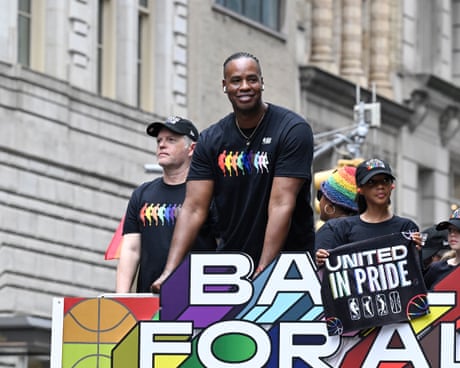
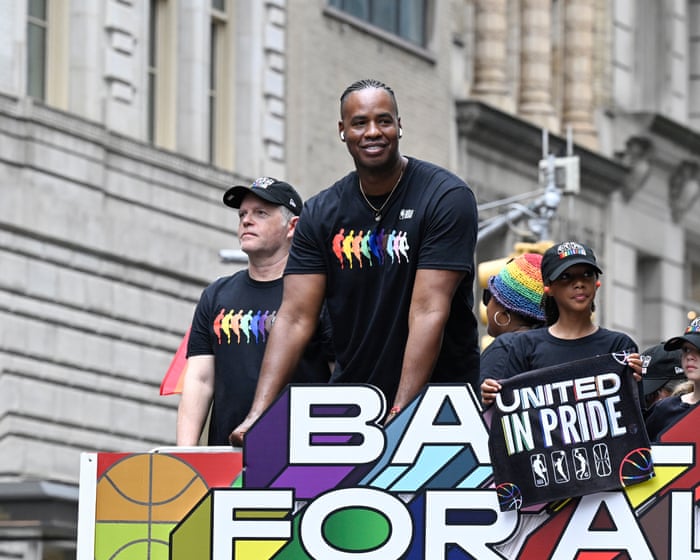
Jason Collins, NBA’s first openly gay player, says he has a year to live after brain tumor diagnosis

  • Collins discloses stage 4 glioblastoma diagnosis

  • Former NBA trailblazer pursuing new therapies

  • Symptoms appeared and worsened rapidly

Jason Collins, the former NBA player who became the first openly gay man to play in a major US pro sports league, said Thursday he’s battling “one of the deadliest forms of brain cancer”.

Collins, who revealed in a brief statement in September that he was undergoing treatment for a brain tumor, said in an interview with ESPN’s Ramona Shelburne published Thursday that he has stage 4 glioblastoma.

Continue reading...

© Photograph: David Dow/NBAE/Getty Images

© Photograph: David Dow/NBAE/Getty Images

© Photograph: David Dow/NBAE/Getty Images

  •  

Weighing up the risks and benefits of prostate cancer screening | Letters

Aamir Ahmed, Dr Graham Simpson, Adrian Bell and David Gollancz respond to a letter by a reader whose husband died of the disease after delaying getting a PSA test

It is understandable for patients suffering from a late diagnosis of prostate cancer, or families who have lost loved ones, to demand that something should be done (Letters, 5 December). I, however, respect the UK National Screening Committee’s recommendation not to screen most men using the prostate specific antigen (PSA) test.

The job of the committee was to weigh up the benefits and harms of any available test for routine screening. PSA testing, as a first step to diagnose cancer, results in false negatives and a significant number of false positives, meaning it has both low sensitivity and low specificity, making it a poor screening marker. PSA screening has been conducted in the US; there are varying estimates that, over three decades, it has resulted in more than 1 million patients receiving treatment (eg surgery or radiotherapy) they did not need.

Continue reading...

© Photograph: Phanie/Sipa Press/Alamy

© Photograph: Phanie/Sipa Press/Alamy

© Photograph: Phanie/Sipa Press/Alamy

  •  

Synthetic chemicals in food system creating health burden of $2.2tn a year, report finds

Scientists issue urgent warning about chemicals, found to cause cancer and infertility as well as harming environment

Scientists have issued an urgent warning that some of the synthetic chemicals that help underpin the current food system are driving increased rates of cancer, neurodevelopmental conditions and infertility, while degrading the foundations of global agriculture.

The health burden from phthalates, bisphenols, pesticides and Pfas “forever chemicals” amounts to up to $2.2tn a year – roughly as much as the profits of the world’s 100 largest publicly listed companies, according to the report published on Wednesday.

Continue reading...

© Photograph: Paul Weston/Alamy

© Photograph: Paul Weston/Alamy

© Photograph: Paul Weston/Alamy

  •  

Why Some Doctors Say There Are Cancers That Shouldn’t Be Treated

Statistics show a clear spike in eight cancers in younger people, but that has brought a debate over whether many cases ever needed to be found.

© Michael Macor/San Francisco Chronicle, via Getty Images

An image of a patient’s prostate. Patients in the early stages of prostate cancer and other types of cancer might safely wait to see if the disease progresses.
  •  

The truth about the ‘gender care gap’: are men really more likely to abandon their ill wives?

It’s one thing facing a major diagnosis; it’s quite another dealing with your partner pulling away. But does the stereotype match the reality?

Jess never dreamed that she was going to get sick, nor did she consider what it would mean for her love life if she did. When she first started dating her boyfriend, they were both in their late 20s, living busy, active lives. “Sport was something we did a lot of and we did it together: we worked hard, played hard, we went for bike rides and went running and played golf together.”

But around a year into their relationship, all that stopped abruptly when Jess was diagnosed with long Covid, the poorly understood syndrome that in some people follows a Covid infection. For her, it meant “a general shutdown of my body: lungs, heart, stomach, really bad brain fog”. She went from being a sporty, independent 29-year-old with a successful career to sleeping all day and relying on her boyfriend for everything.

Continue reading...

© Illustration: Dan Matthews/The Guardian

© Illustration: Dan Matthews/The Guardian

© Illustration: Dan Matthews/The Guardian

  •  

F.D.A. Names Agency Veteran to Run Drug Division

Dr. Richard Pazdur, who has been the F.D.A.’s top cancer drug regulator, represents a stabilizing choice for an agency reeling under staff cuts and low morale.

© Andrew Mangum for The New York Times

Dr. Richard Pazdur will now lead the Center for Drug Evaluation and Research, which is in charge of regulating most prescription drugs and over-the-counter medicines.
  •  

Radiation May Be Unnecessary for Many Breast Cancer Patients

Doctors have already begun reducing radiation treatment for women at low risk of recurrence or spread of the disease. A new study finds that some women at greater risk can safely avoid radiation.

© Mark Kostich/iStock, via Getty Images Plus

Researchers followed 1,600 women for a median of 9.6 years and found that survival rates were similar in two groups of patients: 81.4 percent among the patients who had received radiation treatment and 81.9 percent among those who had not.
  •