Reading view

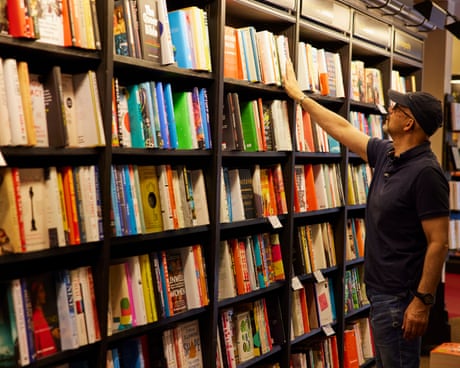
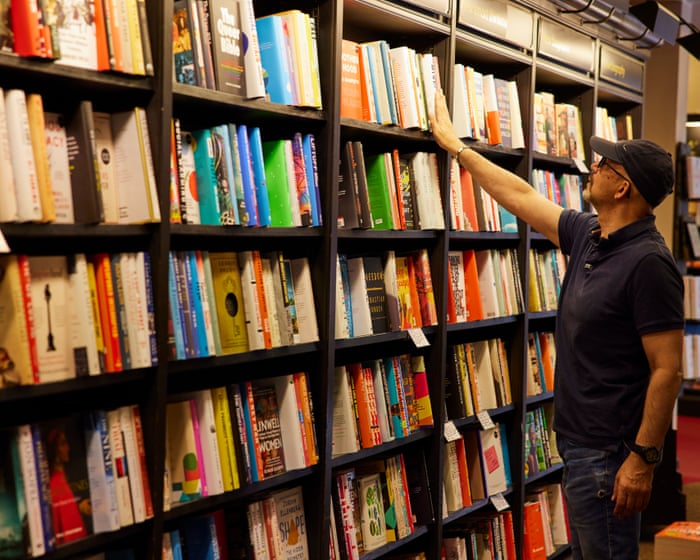
Are we falling out of love with nonfiction?

In the early 2020s, readers flocked to books to explain political turbulence. But is the world now too grim to read about and are podcasters taking the place of authors?

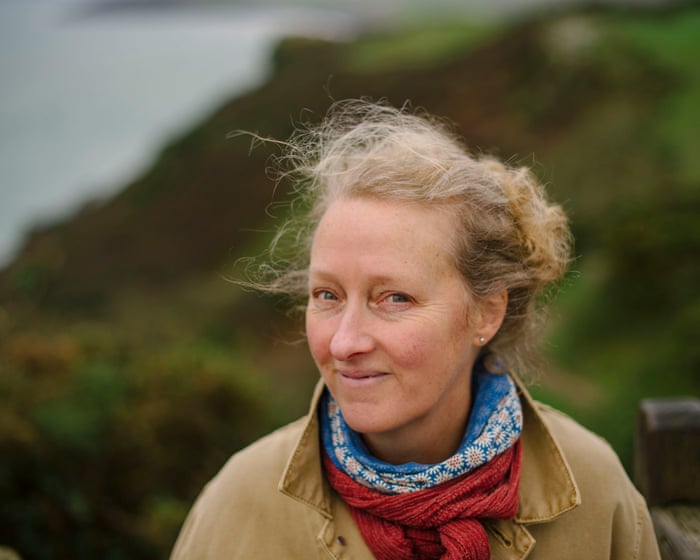
In the decade leading up to the pandemic, nonfiction seemed unstoppable. Readers flocked to books that explained a world upended by Brexit, Trump, #MeToo and climate upheaval. Titles such as Timothy Snyder’s On Tyranny, Caroline Criado-Perez’s Invisible Women, and Robin D’Angelo’s White Fragility soared up the charts. It felt as though reading itself was part of the civic response, a way to understand what was happening, and perhaps influence what might happen next.

Fast forward to the present day, and the picture is starting to look different: a recent report from NielsenIQ found that trade nonfiction sales have slipped sharply. In volume terms, the category is down 8.4% between last summer and the same period this year – nearly double the decline in paperback fiction – and down 4.7% in value. Though there have been some exceptions, such Chloe Dalton’s Raising Hare and Want by Gillian Anderson, 14 out of 18 nonfiction subcategories have contracted.

Continue reading...

© Photograph: Christopher Thomond/The Guardian
© Photograph: Christopher Thomond/The Guardian
© Photograph: Christopher Thomond/The Guardian

  •  

Raynor Winn denies new allegations of theft from family members

The Salt Path author has rejected new accusations from a niece alleging she took money from relatives, describing the claims as part of a ‘false narrative’ about her life

Raynor Winn, the author of The Salt Path, has denied fresh allegations that she stole money from members of her family, describing the claims as part of a “false narrative” about her life.

The writer responded after her niece alleged that Winn had written a letter more than a decade ago setting out details of taking money from her mother and from her parents-in-law. Winn has strongly denied the allegations and said she did not write the letter.

Continue reading...

© Photograph: Jim Wileman/The Guardian

© Photograph: Jim Wileman/The Guardian

© Photograph: Jim Wileman/The Guardian

  •  

‘Suddenly, it was everywhere’: why some books become blockbusters overnight

Whether it’s through TikTok buzz, celebrity endorsements or good old-fashioned word of mouth, some titles enjoy a second, more powerful, life. But what unites them – and is there a formula for this type of success?

There is a particular kind of literary deja vu that strikes sometimes. Seemingly out of nowhere, the same book starts appearing across multiple social media feeds. On the bus, you’ll spot two copies of the same title in one day. A friend says, “Have you read this yet?”, to which you respond, “Someone was just telling me about it the other day.”

These are the sleeper hits that seem to materialise without warning. They are not stacked high on the new release tables. They are books that, for one reason or another, have slipped their original timelines and found a second, often more powerful life.

Continue reading...

© Composite: N/A

© Composite: N/A

© Composite: N/A

  •  

Joanna Trollope, bestselling chronicler of ordinary life, dies aged 82

Her novels, including A Village Affair and Other People’s Children, drew on what Fay Weldon called a ‘gift for putting her finger on the problem of the times’

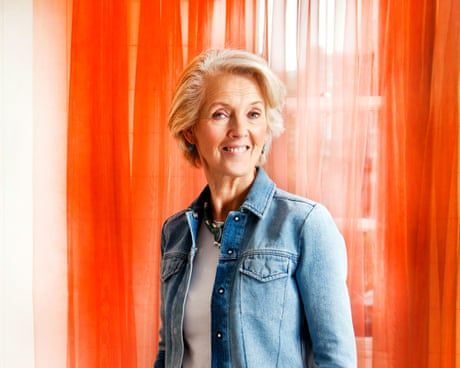
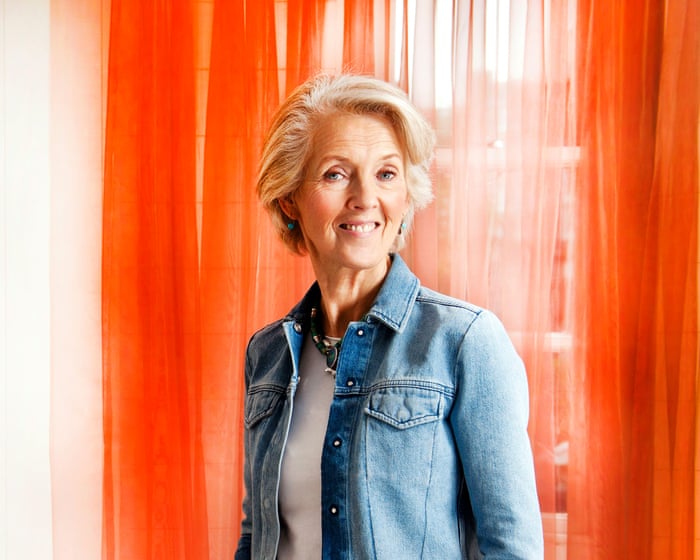
British novelist Joanna Trollope, whose portrayals of British domestic life made her one of the nation’s most widely read authors, has died at the age of 82.

Trollope published more than 30 novels during a writing career that began in 1980. Her early works, written under the pseudonym Caroline Harvey, were historical romances, but from the mid-1980s onward, she turned to contemporary fiction, a shift that would define her reputation.

Continue reading...

© Photograph: Linda Nylind/The Guardian

© Photograph: Linda Nylind/The Guardian

© Photograph: Linda Nylind/The Guardian

  •