Reading view

‘Cruel’ amendments being used to thwart assisted dying bill, says lead MP

Kim Leadbeater warns 1,150 Lords amendments are ‘unnecessary’ and designed to run down the clock

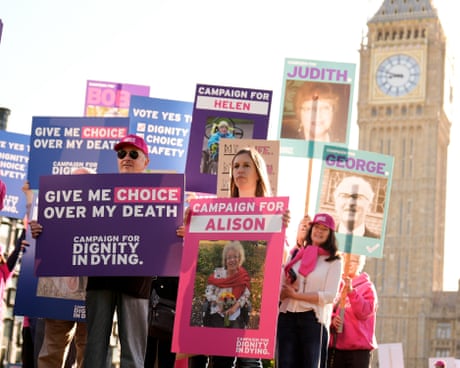
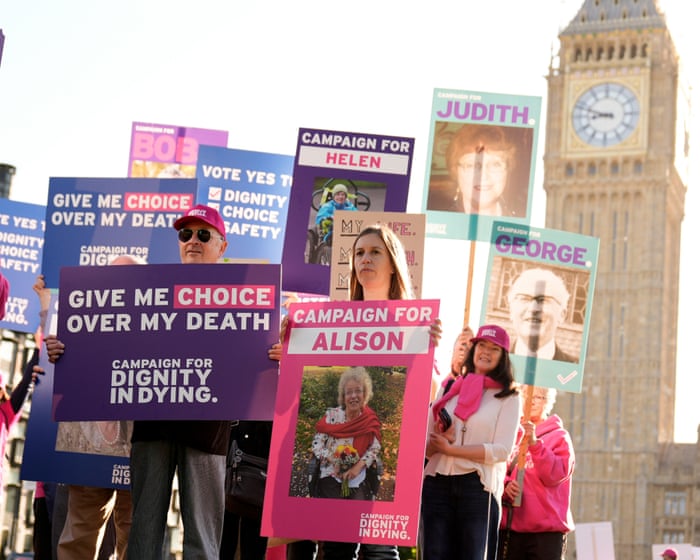
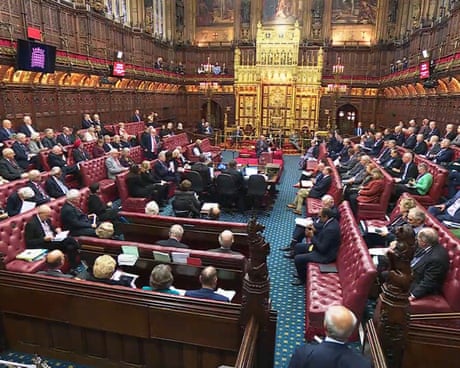
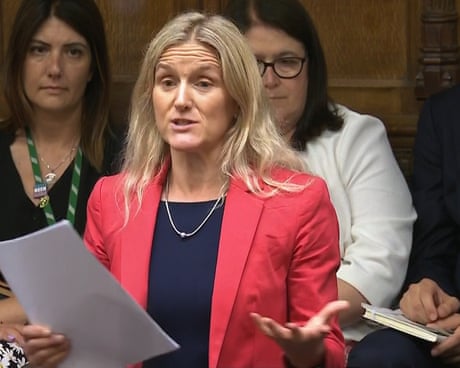
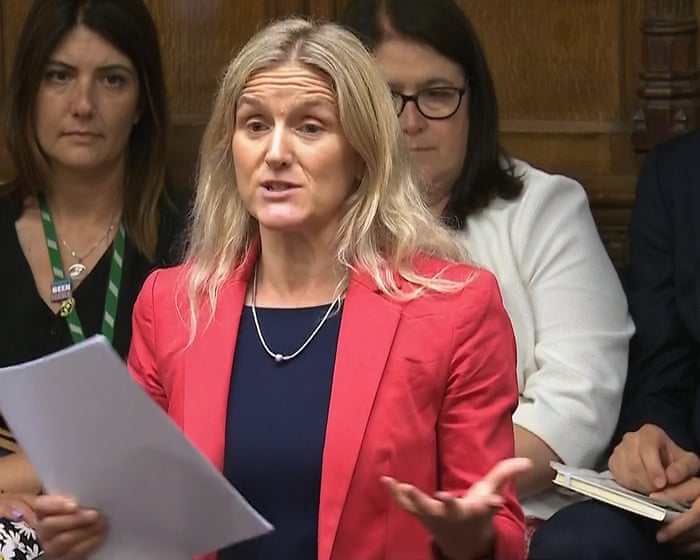
Members of the House of Lords have proposed “totally unnecessary” and “very cruel” amendments to the assisted dying bill in an attempt to scupper it, the MP leading the campaign has said.

Kim Leadbeater said on Friday she believed that peers opposed to the bill were trying to block it by proposing hundreds of changes, including one that would require terminally ill people to be filmed as they undergo an assisted death.

Continue reading...
© Photograph: House of Commons/PA
© Photograph: House of Commons/PA
© Photograph: House of Commons/PA

  •  

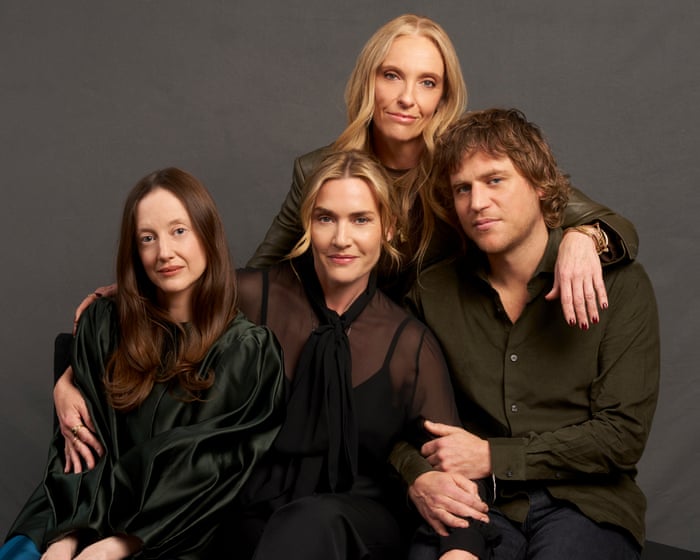
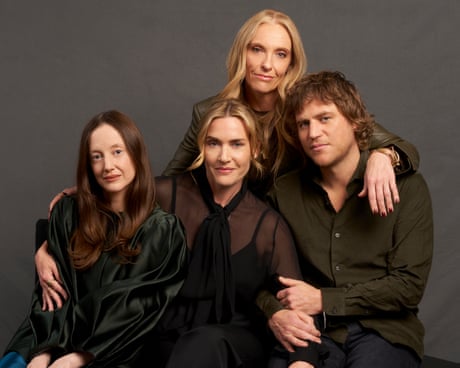
‘I lived out moments of my mother’s passing I never saw’: Kate Winslet on grief, going red and Goodbye June

For her directorial debut, Winslet assembled a cast including Toni Collette, Timothy Spall, Johnny Flynn and Andrea Riseborough to tell a story inspired by her own family’s bereavement. The actors talk mourning, immortality and hospital vending machines

In 2017, Sally Bridges-Winslet died of cancer. She was 71. It was, her youngest daughter said, “like the north star just dropped out of the sky”.

It would have been even worse, says Kate Winslet today, had the family not pulled together. “I do have tremendous amounts of peace and acceptance around what happened because of how we were able to make it for her.”

Continue reading...

© Photograph: Suki Dhanda/The Guardian

© Photograph: Suki Dhanda/The Guardian

© Photograph: Suki Dhanda/The Guardian

  •  

House of Lords’ block on assisted dying bill is a big risk | Letter

Defying the will of the House of Commons will increase calls for radical reform of the upper house sooner rather than later, say the MPs Nia Griffith, Justin Madders and Debbie Abrahams

• Report: Senior opponents of assisted dying bill urge Lords not to deliberately block it

When visitors come to parliament, it seems incongruous to explain that, in our mother of parliaments, we have a second chamber – the House of Lords – which is unelected. Those who support its existence in its current or similar form justify it on the grounds that it performs a useful revising function which can improve the detail of legislation, and it undoubtedly does good work.

But the fact that it is unelected can only be tolerated in a democracy provided its members accept that it is for the House of Commons to have the last word on what becomes law and what doesn’t in this country.

Continue reading...

© Photograph: Aaron Chown/PA

© Photograph: Aaron Chown/PA

© Photograph: Aaron Chown/PA

  •  

Senior opponents of assisted dying bill urge Lords not to deliberately block it

Letter says there is danger of Lords losing legitimacy as more than 1,000 amendments tabled, delaying any vote

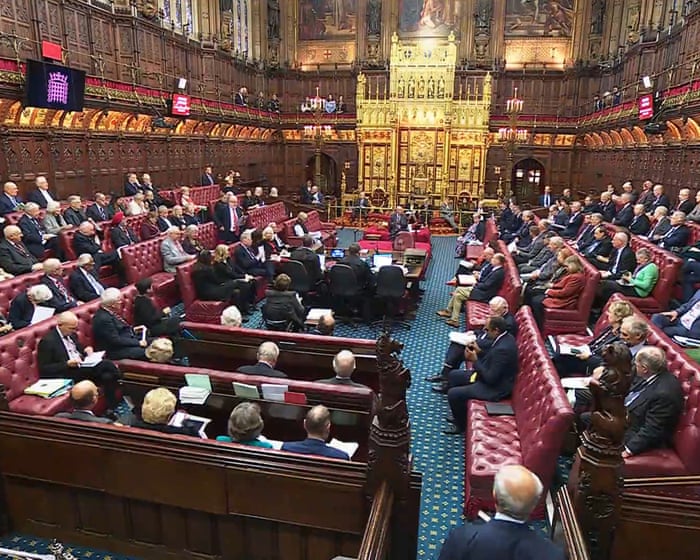
Senior opponents of assisted dying legislation have called on peers not to hold up the progress of the bill through parliament, warning there was a serious danger of the Lords losing democratic legitimacy.

Many supporters now admit the bill is in serious danger of running out of time in the Lords before the end of the parliamentary session, meaning it will fail to pass, because of the slow pace of considering more than 1,000 amendments means the bill will probably run out of time for a vote.

Continue reading...

© Photograph: House of Lords/UK Parliament/PA

© Photograph: House of Lords/UK Parliament/PA

© Photograph: House of Lords/UK Parliament/PA

  •  

Ethical dilemmas raised by the assisted dying bill | Letters

Dr Sarah Davies, Sarah McCulloch, Jean Farrer and Charlie King respond to articles on the progress of the bill and the role of hospices

The opinion piece by Dave Sowry, a board member of My Death, My Decision, highlights the risks of treating autonomy as an ethical principle in isolation (I accompanied my wife to Dignitas. The Lords’ filibustering is an insult to all like her who have suffered, 3 December). While it is sad that he was widowed early, he and his wife were able to travel and make choices – choices shaped principally by fear. That does not mean the law should be altered.

What his account overlooks are the thousands of patients in the UK denied genuine choice because they lack access to palliative care. The House of Lords is rightly undertaking line‑by‑line scrutiny of the proposals, and expert testimony has raised serious concerns and widespread opposition. The current law already affords dignity and protection to vulnerable, elderly and disabled people. What we lack is sufficient palliative care and hospice provision, as repeatedly shown by Hospice UK and National Audit Office reports.

Continue reading...

© Photograph: Westend61 GmbH/Alamy

© Photograph: Westend61 GmbH/Alamy

© Photograph: Westend61 GmbH/Alamy

  •  

Scotland’s looser rules on assisted dying could lead to ‘death tourism’, say senior politicians

Cross-party group of MSPs says bill going through Holyrood could attract people from elsewhere in UK

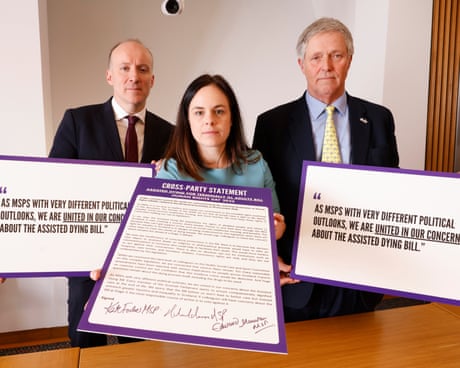
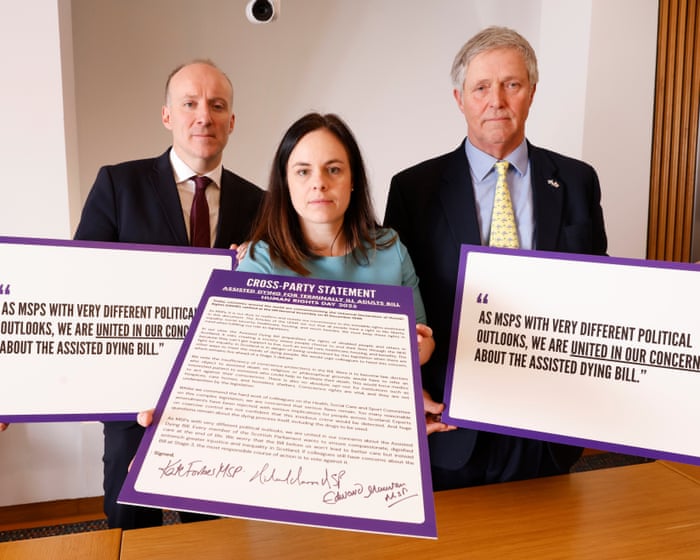
Senior Scottish politicians fear there could be a risk of “death tourism” from terminally ill people travelling from other parts of the UK to end their lives in Scotland.

A cross-party group of MSPs, including the deputy first minister, Kate Forbes, said the looser controls on eligibility written into an assisted dying bill for Scotland could attract people who are unhappy with stricter rules planned for England and Wales.

Continue reading...

© Photograph: Murdo MacLeod/The Guardian

© Photograph: Murdo MacLeod/The Guardian

© Photograph: Murdo MacLeod/The Guardian

  •