A sale of insider shares at $421 a share would make Mr. Musk’s rocket company the most valuable private company in the world, as it readies for a possible initial public offering next year.
An unpiloted Chinese spacecraft launched late Monday and linked up with the country’s Tiangong space station a few hours later, providing a lifeboat for three astronauts stuck in orbit without a safe ride home.
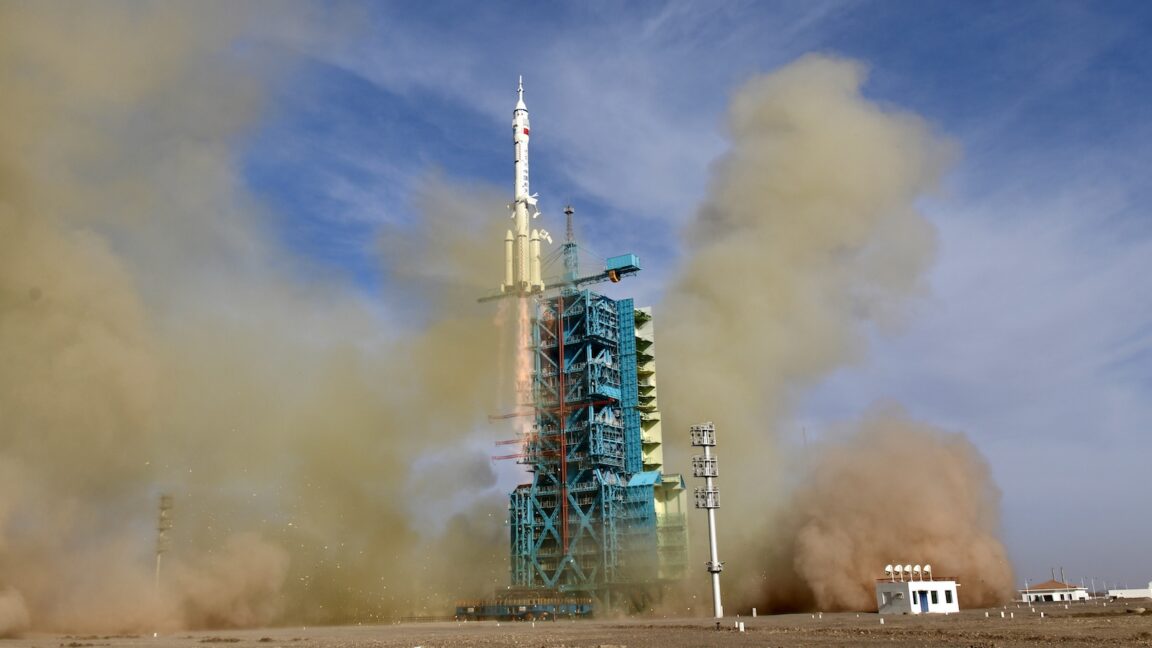
A Long March 2F rocket fired its engines and lifted off with the Shenzhou 22 spacecraft, carrying cargo instead of a crew, at 11:11 pm EST Monday (04:11 UTC Tuesday). The spacecraft docked with the Tiangong station nearly 250 miles (400 kilometers) above the Earth about three-and-a-half hours later.
Chinese engineers worked fast to move up the launch of the Shenzhou 22, originally set to fly next year. On November 4, astronauts discovered one of the two crew ferry ships docked to the Tiangong station had a damaged window, likely from an impact with a small fragment of space junk. The crew members used a microscope to photograph the defect from different angles, confirming a small triangular area with a crack, Zhou Jianping, chief designer of China’s human spaceflight program, told Chinese state media.
A little more than a century ago, the US Army Air Service came up with a scheme for naming the military’s multiplying fleet of airplanes.
The 1924 aircraft designation code produced memorable names like the B-17, A-26, B-29, and P-51—B for bomber, A for attack, and P for pursuit—during World War II. The military later changed the prefix for pursuit aircraft to F for fighter, leading to recognizable modern names like the F-15 and F-16.
Now, the newest branch of the military is carving its own path with a new document outlining how the Space Force, which can trace its lineage back to the Army Air Service, will name and designate its “weapon systems” on the ground and in orbit. Ars obtained a copy of the document, first written in 2023 and amended in 2024.
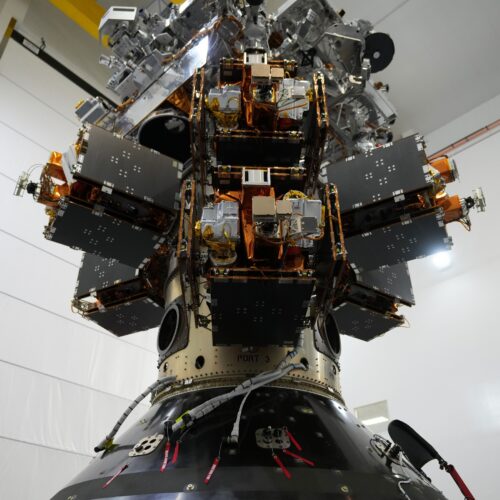
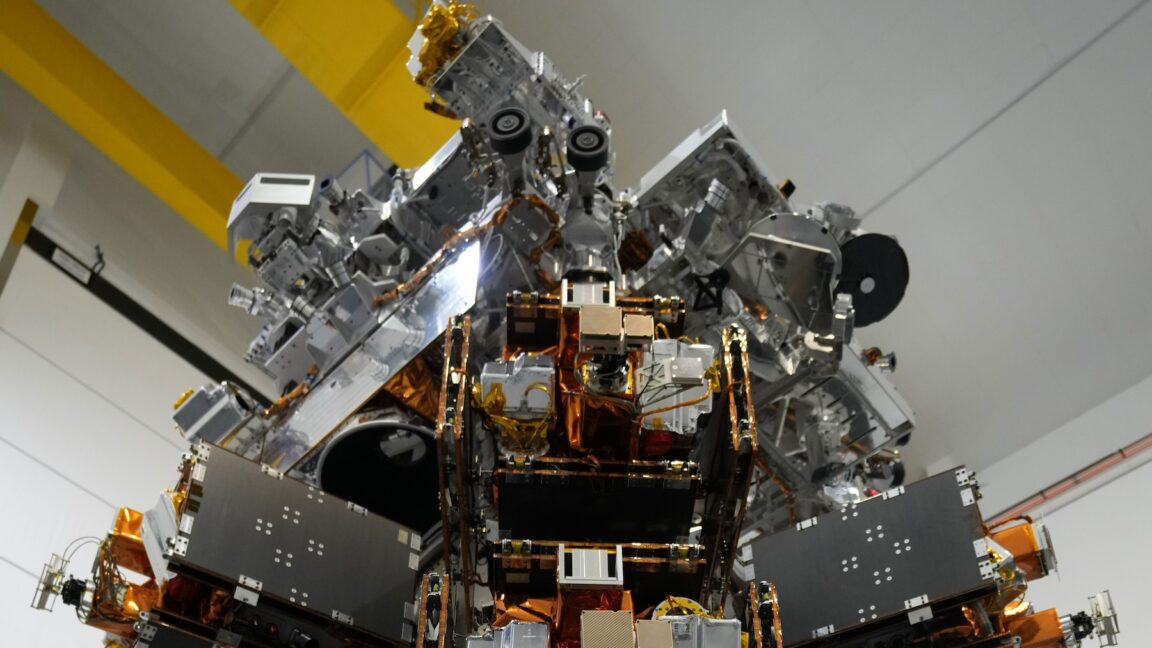
The ESCAPADE mission, which launched to space on a Blue Origin rocket on Thursday, breaks the mold of how planetary science missions typically come together.
The ESCAPADE mission, which launched to space on a Blue Origin rocket on Thursday, breaks the mold of how planetary science missions typically come together.
At least one space launch has been put on hold, as satellite operators and rocket companies manage the effects of the current geomagnetic storm hitting Earth.
At least one space launch has been put on hold, as satellite operators and rocket companies manage the effects of the current geomagnetic storm hitting Earth.

 Login
Login