Reading view

LSO/Pappano review – Musgrave’s Phoenix rises and Vaughan Williams’ London stirs the soul

Barbican, London
An all British programme featured music by Thea Musgrave, Vaughan Williams and William Walton, with Antoine Tamestit an expressive and sensitive soloist in the latter’s Viola concerto

Antonio Pappano’s evangelical embrace of British music continued apace in a concert featuring a welcome rarity by Thea Musgrave, William Walton’s strangely neglected Viola Concerto, and the latest in his ongoing Vaughan Williams cycle, the evocative A London Symphony.

Musgrave, still composing at 97, wrote Phoenix Rising in 1997 for the late Andrew Davis, to whom Pappano dedicated this concert. A 23-minute rollercoaster, it pits a blackguardly timpanist and his stick-wielding allies against a devil-may-care hornist and his brassy backup band. The horn player enters from off stage, the timpanist stalks off in a huff, and somewhere in the middle, for no immediately discernible reason, a phoenix soars aloft in an iridescent haze of tuned percussion. Pappano and the London Symphony Orchestra gave it a thorough workout with marimba, vibraphone, glockenspiel, xylophone and tubular bells creating a magical aura. The musicians certainly revelled in its prickly harmonies, though the theatrical elements might have been pushed further.

Continue reading...

© Photograph: Mark Allan
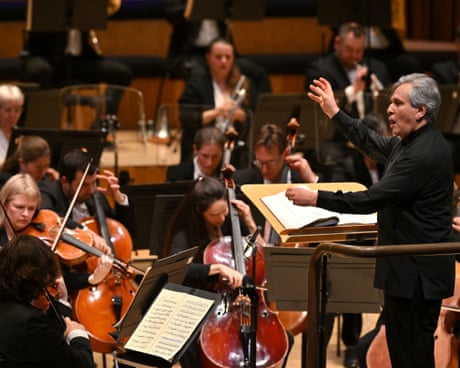
© Photograph: Mark Allan
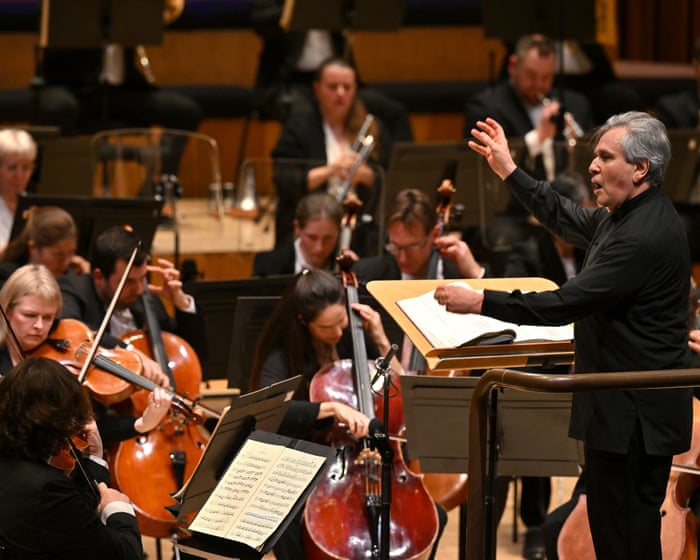
© Photograph: Mark Allan
  •  

The Barbican refurbishment should take heed of Leeds | Letter

The University of Leeds complex was a prototype for the Barbican – and the work done to it over time demonstrates how brutalist buildings can be humanised, writes Alan Radford

I read with interest about the refurbishment plans for the Barbican (Barbican revamp to give ‘bewildering’ arts centre a new lease of life, 5 December). I spent more than 30 years working on the prototype – the large complex of buildings that the architects Chamberlin, Powell and Bon designed for the University of Leeds, constructed circa 1970.

All of the design features in the Barbican were there in the Leeds complex of offices, laboratories, library and so on, including all the problems. I always explained to visitors that I regarded the Chamberlin buildings primarily as a large-scale piece of brutalist sculpture rather than as a working environment.

Continue reading...

© Photograph: Alicia Canter/The Guardian

© Photograph: Alicia Canter/The Guardian

© Photograph: Alicia Canter/The Guardian

  •  

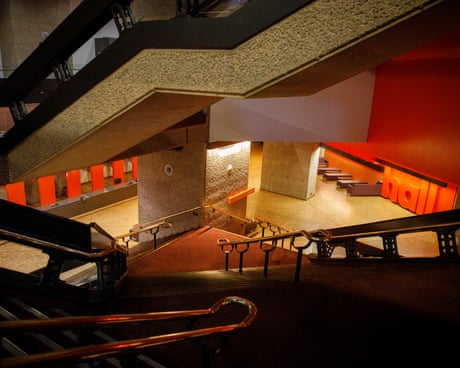
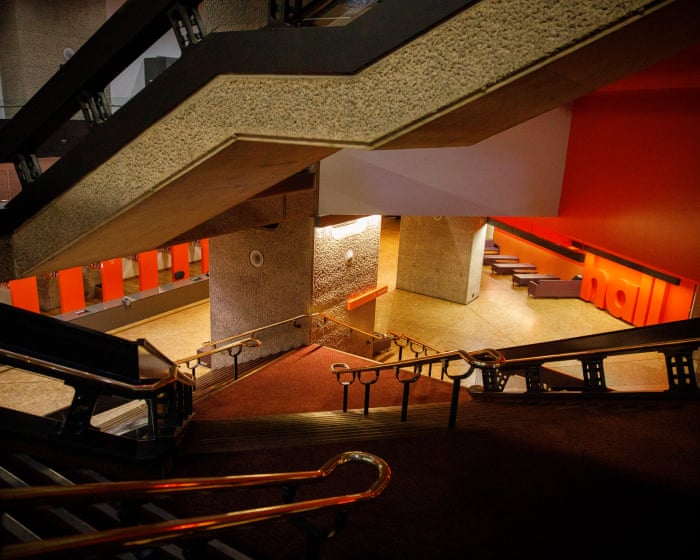
‘Like lipstick on a fabulous gorilla’: the Barbican’s many gaudy glow-ups and the one to top them all

The brutalist arts-and-towers complex, where even great explorers get lost, is showing its age. Let’s hope the 50th anniversary upgrade is better than the ‘pointillist stippling’ tried in the 1990s

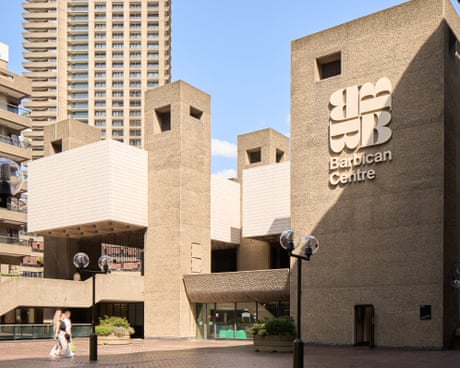
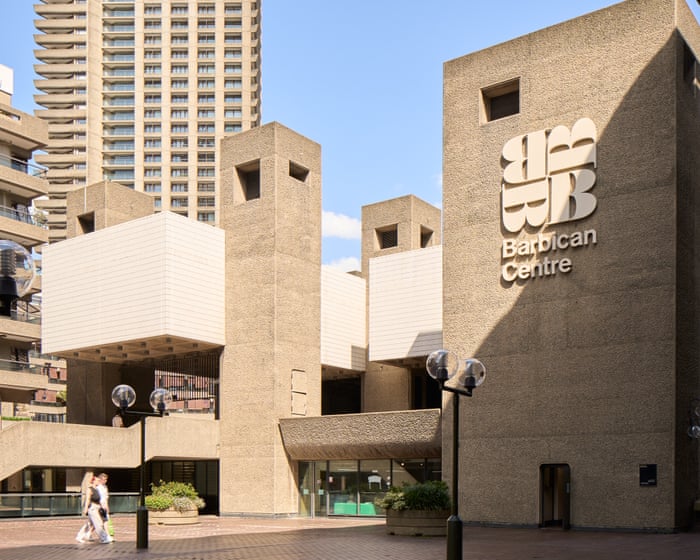
The Barbican is aptly named. From the Old French barbacane, it historically means a fortified gateway forming the outer line of defence to a city or castle. London’s Barbican marks the site of a medieval structure that would have defended an important access point. Its architecture was designed to repel. Some might argue, as they stumble out of Barbican tube station and gaze upwards, not much has changed in the interim.

The use of the word “barbican” was in decline in this country until the opening in 1982 of the Barbican Arts Centre. Taking 20 years to build, it completed the modernist megastructure of the Barbican Estate, grafted on to a huge tract of land devastated by wartime bombing. The aim was to bring life back to the City through swish new housing, energised by the presence of culture. Nonetheless, the arts centre, the elusive minotaur at the heart of the concrete labyrinth, was always farcically difficult to locate. To this day, visitors are obliged to trundle along the Ariadne’s thread of the famous yellow line, inscribed in what seemed like an act of institutional desperation, across concrete hill and dale.

Continue reading...

© Photograph: Kin Creatives

© Photograph: Kin Creatives

© Photograph: Kin Creatives

  •  

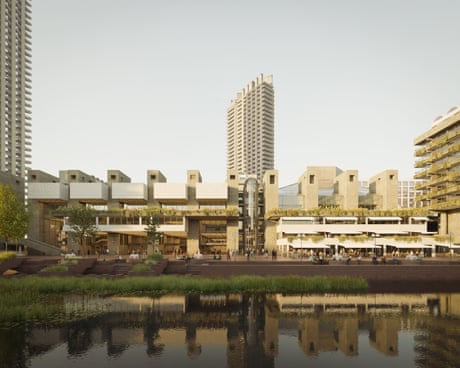
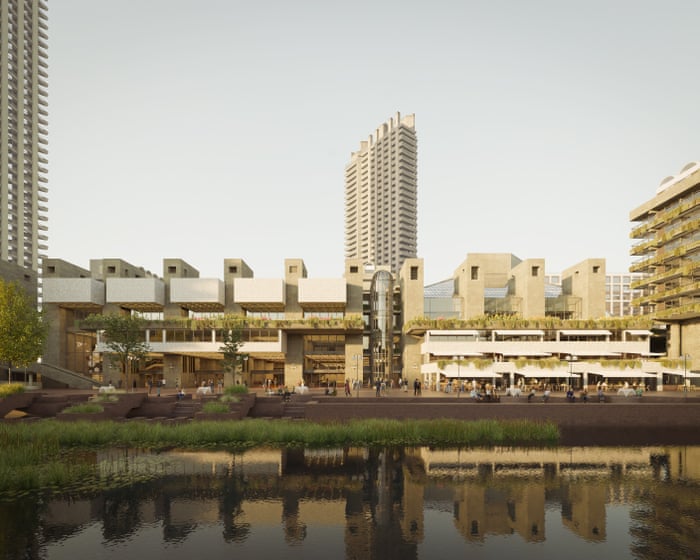
Barbican to close its doors for a year for multimillion-pound renovation

London site’s theatre, music venue and galleries to close in June 2028, in first stage of upgrades before 50th anniversary

The Barbican will close its doors for 12 months from June 2028 as it undergoes a multimillion-pound renovation that its leaders say will secure its future.

The arts organisation’s Beech Street cinemas will remain open but its theatre, music venue, conservatory and visual arts galleries are set to shutter as the overhaul of the 43-year-old building begins in the lead-up to its 50th anniversary in 2032.

Continue reading...

© Photograph: Dion Barrett

© Photograph: Dion Barrett

© Photograph: Dion Barrett

  •