
 Login
Login
‘Kids can’t buy them anywhere’: how Pokémon cards became a stock market for millennials
A surprising economic bubble is making it hard for anyone to buy Pokémon cards – especially children
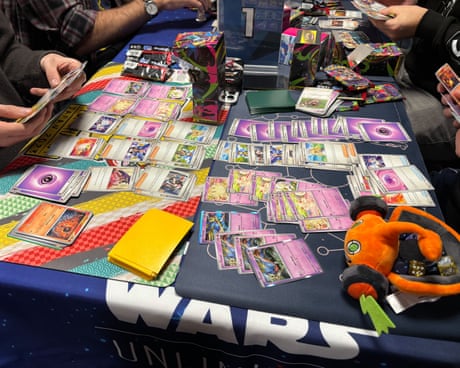
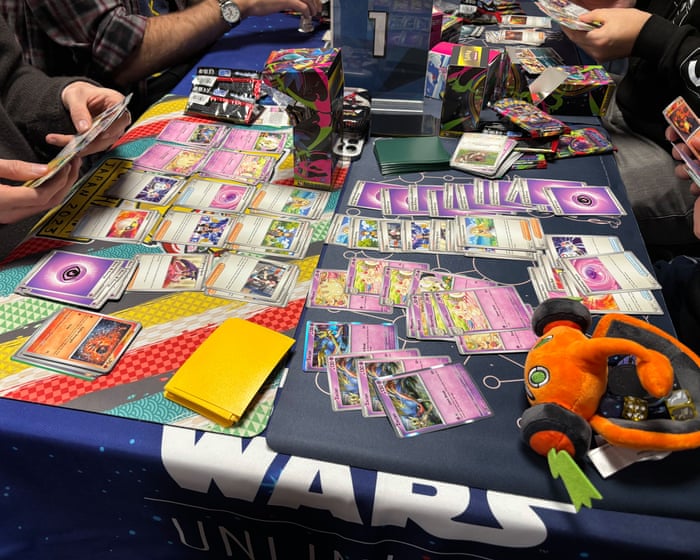
Pokémon has been huge since the late 90s. Millions of people have fond memories of playing the original Red and Blue games, or trading cards in the playground for that elusive shiny Charizard (if your school didn’t ban them). The franchise has only grown since then – but, where the trading cards are concerned, things have taken an unexpected and unfortunate turn. It’s now almost impossible to get your hands on newly released cards thanks to an insane rise in reselling and scalping over the past year.
Selling on your old cards to collectors has always been part of the hobby, and like baseball cards or Magic: The Gathering, Pokémon cards can sometimes go for thousands of pounds. However, the resale market for Pokémon has climbed so high that even new cards are valued at hundreds, before they’ve even been released. The latest set, Phantasmal Flames, had a rare special illustration Charizard that was being valued at more than £600 before anyone had even found one. When a pack of cards retails at about £4, there’s a huge potential profit to be had.
Continue reading...
© Photograph: Daniella Lucas
© Photograph: Daniella Lucas
© Photograph: Daniella Lucas