Reading view

Merv review – a dog steals the show in Amazon’s by-the-book Christmas romcom

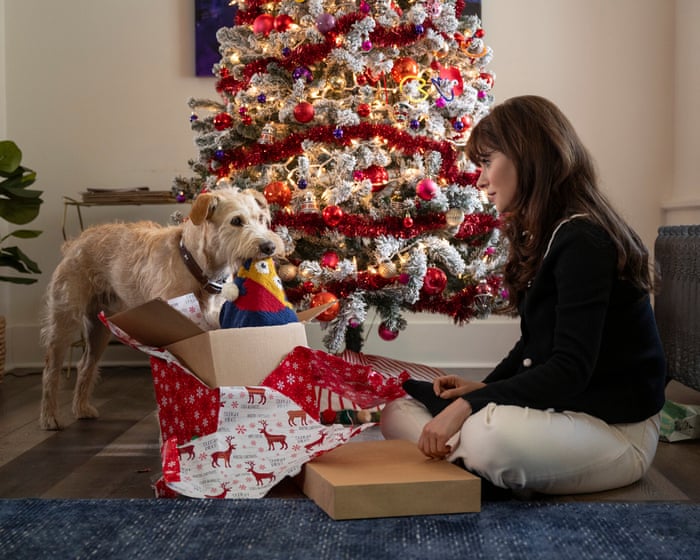
Charlie Cox and Zooey Deschanel co-parent a depressed dog in a serviceable attempt to appeal to animal lovers during the festive period

It is a truth universally acknowledged, at least in my social circles, that co-parenting a dog is a bad idea. Most will tell you: shared canine custody arrangements prevent exes from moving on. It’s a logistical headache. It causes fights. It’s annoying for all involved (and then some). And apparently, in a revelation worthy of a straight-to-streaming movie, it makes dogs depressed.

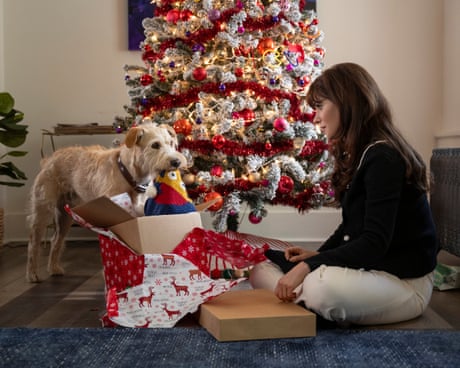
Not to minimize the mental health of dogs – I’ve listened to my mother boast about our family chihuahua’s “EQ” enough to know that man’s best friend has the capacity for great emotional sensitivity. (And the ability to convey it on command – for a truly outstanding performance of doggie depression, please see Bing the bereft great dane in 2024’s The Friend.) I have no doubt that a dog like Merv, a wired-hair terrier sort played by Gus the Dog in Merv’s eponymous Amazon movie, would struggle to adjust from life in a single family unit to split homes. Whether or not the ill-advised dog-sharing arrangement can sustain a whole Christmas romcom, however, is a dubious proposition.

Continue reading...

© Photograph: Wilson Webb/Prime
© Photograph: Wilson Webb/Prime
© Photograph: Wilson Webb/Prime
  •  

Why is my dog like this? Current DNA tests won’t explain it to you.

Popular genetics tests can’t tell you much about your dog’s personality, according to a recent study.

A team of geneticists recently found no connection between simple genetic variants and behavioral traits in more than 3,200 dogs, even though previous studies suggested that hundreds of genes might predict aspects of a dog’s behavior and personality. That’s despite the popularity of at-home genetic tests that claim they can tell you whether your dog’s genes contain the recipe for anxiety or a fondness for cuddles.

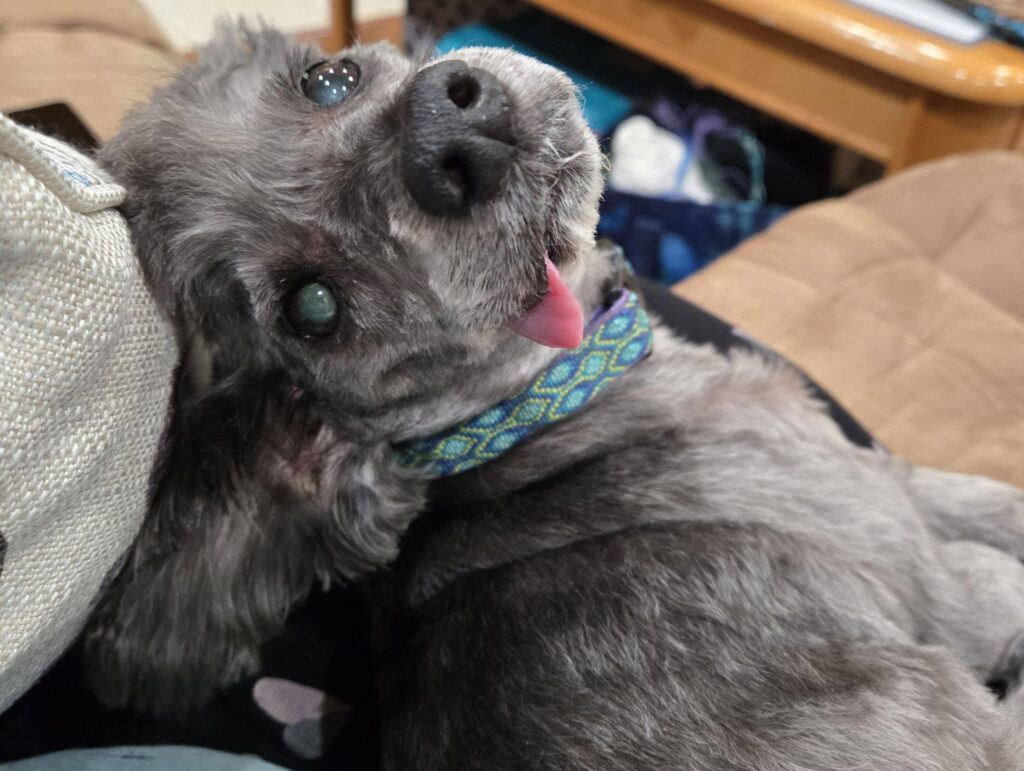
A little gray dog with his tongue sticking out tilts his head backwards as he looks sideways at the camera. This is Max, and no single genetic variant can explain why he is the way he is. Credit: Kiona Smith
Gattaca for dogs, except it doesn’t work

University of Massachusetts genomicist Kathryn Lord and her colleagues compared DNA sequences and behavioral surveys from more than 3,000 dogs whose humans had enrolled them in the Darwin’s Ark project (and filled out the surveys). “Genetic tests for behavioral and personality traits in dogs are now being marketed to pet owners, but their predictive accuracy has not been validated,” wrote Lord and her colleagues in their recent paper.

Read full article

Comments

© Alberto Menendez Cervero

  •  

Many genes associated with dog behavior influence human personalities, too

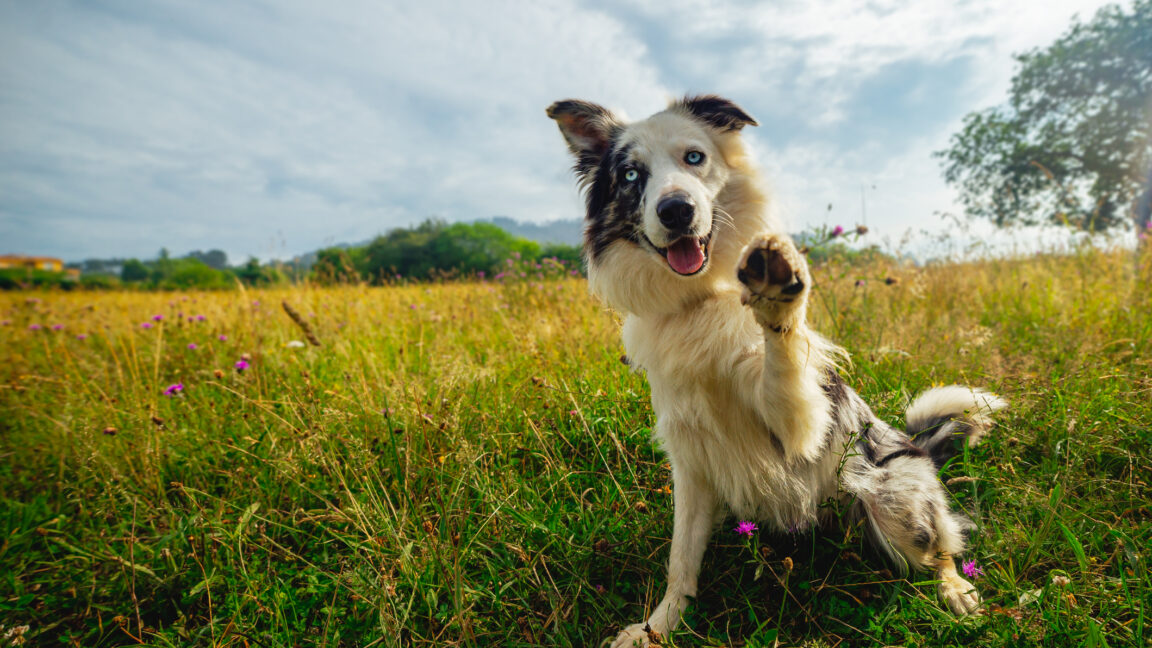
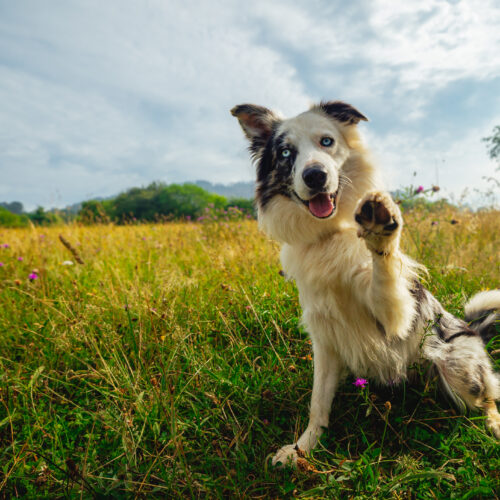
Many dog breeds are noted for their personalities and behavioral traits, from the distinctive vocalizations of huskies to the herding of border collies. People have worked to identify the genes associated with many of these behaviors, taking advantage of the fact that dogs can interbreed. But that creates its own experimental challenges, as it can be difficult to separate some behaviors from physical traits distinctive to the breed—small dog breeds may seem more aggressive simply because they feel threatened more often.

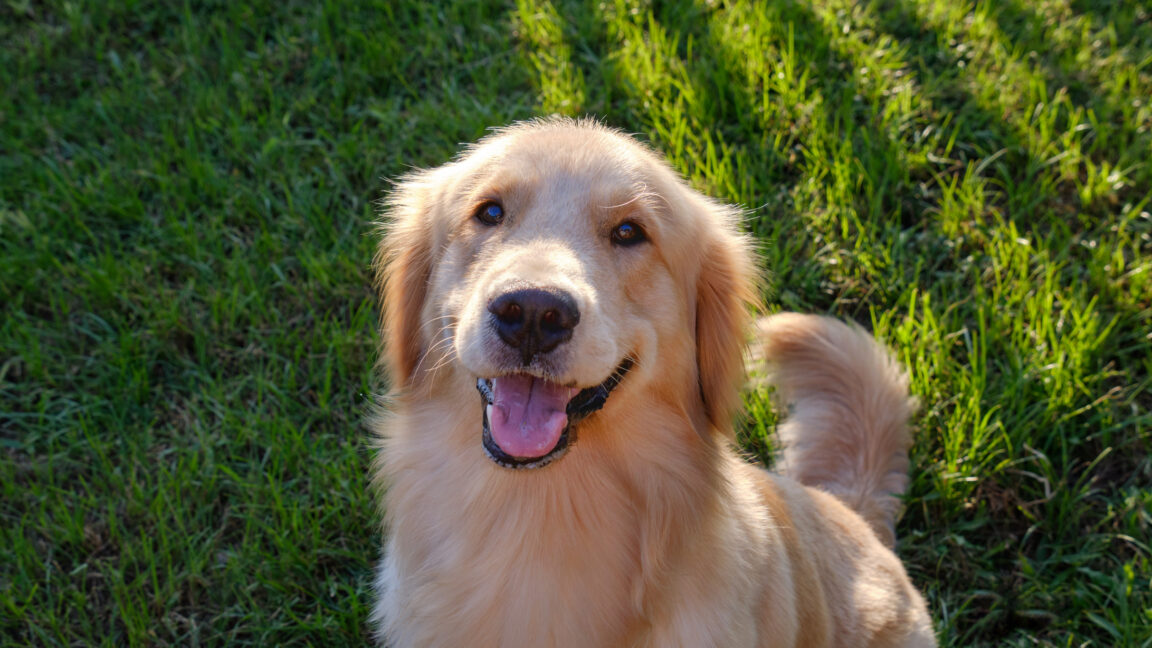
To get around that, a team of researchers recently did the largest gene/behavior association study within a single dog breed. Taking advantage of a population of over 1,000 golden retrievers, they found a number of genes associated with behaviors within that breed. A high percentage of these genes turned out to correspond to regions of the human genome that have been associated with behavioral differences as well. But, in many cases, these associations have been with very different behaviors.

Gone to the dogs

The work, done by a team based largely at Cambridge University, utilized the Golden Retriever Lifetime Study, which involved over 3,000 owners of these dogs filling out annual surveys that included information on their dogs’ behavior. Over 1,000 of those owners also had blood samples obtained from their dogs and shipped in; the researchers used these samples to scan the dogs’ genomes for variants. Those were then compared to ratings of the dogs’ behavior on a range of issues, like fear or aggression directed toward strangers or other dogs.

Read full article

Comments

© Krit of Studio OMG

  •