❌

Reading view

Fridge or not? What’s the best way to store bread?

Our experts have some airtight advice on stopping your loaf from going stale – and even freshening it up again – but whatever you do, keep it out of the fridge

What’s the best way to store bread? Beeswax wraps, plastic bags, fridge – I’ve tried everything except a bread bin.
Nancy, by email
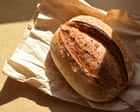
“When bread is baked, what happens is that all the starch in the flour expands and takes in all the water,” says Sophia Handschuh, co-founder of Sourdough Sophia in London. That’s why the crumb turns all soft and fluffy. “When you pull the bread out of the oven, as soon as it touches any surface it will start to dry up, which is why bread goes stale; the starch doesn’t like being kept in the air.”

To combat this, Handschuh stores her loaf at room temperature in a greaseproof paper bag (ie, the one you bring it home in): “That’s probably the best way – no plastic. And, yes, you can use beeswax wrap, but that’s expensive and you shouldn’t have to go and buy some just for storing bread.”

Got a culinary dilemma? Email feast@theguardian.com

Continue reading...
© Photograph: Nazgul Anarbekova/Getty Images
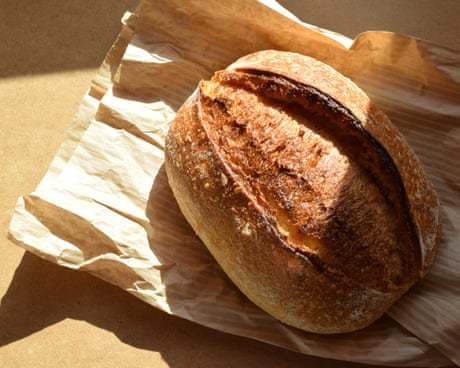
© Photograph: Nazgul Anarbekova/Getty Images
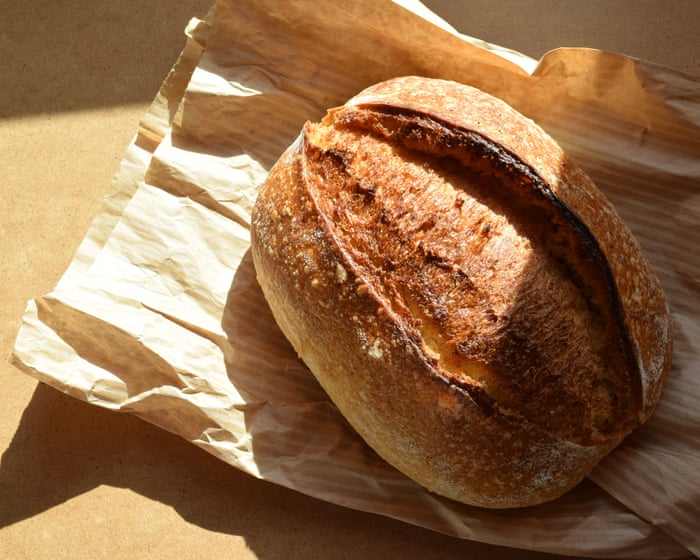
© Photograph: Nazgul Anarbekova/Getty Images

  •  

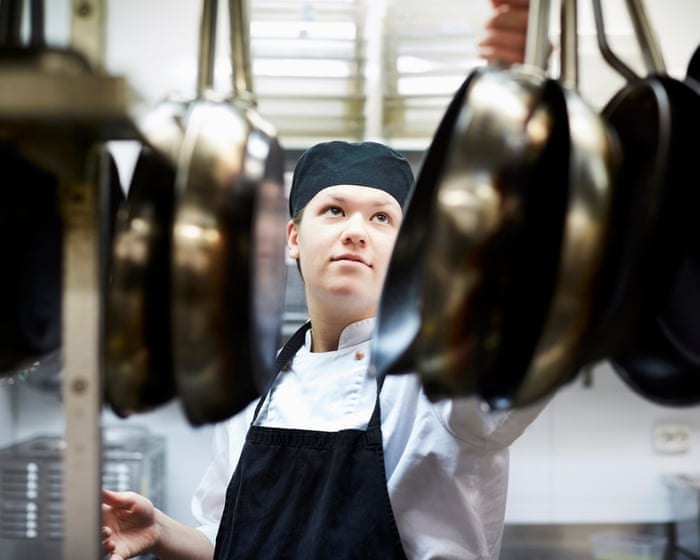
‘Never put away a damp one!’: 15 expert tips for perfect pans

Should you buy cast iron, copper or stainless steel? How do you store them? And what about seasoning? Here is everything you need to know

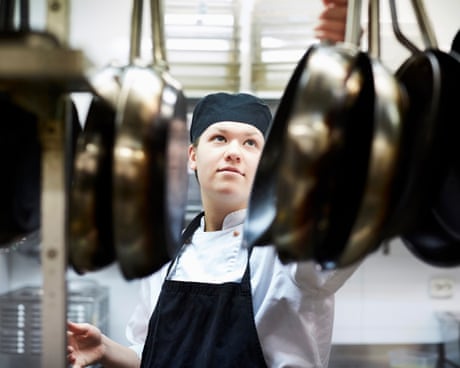
Choosing the right pan can be a mind-boggling task. There’s a plethora of options, from stainless-steel skillets to heavy cast-iron pans, non-stick products coated in PTFE chemicals to carbon steel, blue steel, copper, ceramic and enamel, to name just a few. Are some materials and styles better to cook with than others? Do you need to tailor your pan to the type of hob? And once you have selected your cookware, how do you take care of it properly? Here is everything you could possibly want to know about pans.

Continue reading...

© Photograph: Maskot/Getty Images

© Photograph: Maskot/Getty Images

© Photograph: Maskot/Getty Images

  •  

The secret to a non-cloudy chicken stock | Kitchen aide

Don’t cook it too quickly – and skim, skim, skim, says our expert culinary panel

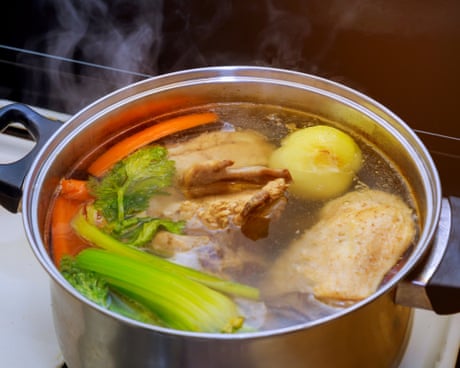
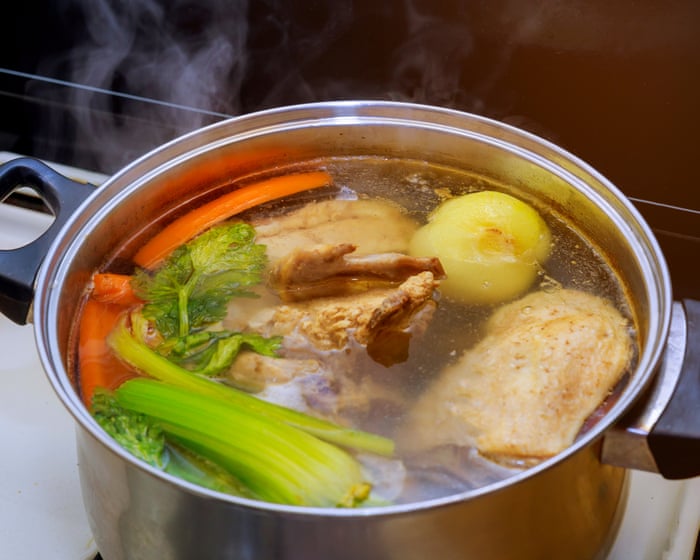
Why is my chicken stock always cloudy?
Ryan, by email
From broths and risottos to sauces and braises, there’s no question that a good, flavourful stock will stand you in good stead. “It’s an underestimated kitchen job,” says Adam Byatt, chef/owner of Trinity, in southwest London, and author of Trinity: The Cookbook, which is published next week. “I love stock: it’s wholesome and fruitful, frugal and delicious.”

Ryan’s clarity issue, Byatt says, is “only ever caused by cooking the stock too quickly or by allowing the fat to boil back into the base liquid”. So it’s crucial to take things low and slow. You will also need a pan that’s “big and heavy enough to give the bones enough room for movement, as well as a very fine sieve for straining the stock”.

Got a culinary dilemma? Email feast@theguardian.com

Continue reading...

© Photograph: photovs/Getty Images/iStockphoto

© Photograph: photovs/Getty Images/iStockphoto

© Photograph: photovs/Getty Images/iStockphoto

  •  

Squeezy olive oil bottles, Meghan’s pot filler tap and the rise of ‘cheffy’ kit in home kitchens

Social media ‘chefluencers’ and open restaurant kitchens have made chefs more visible and inspired aspirational gadget-buying

The Duchess of Sussex is no ordinary home cook, but when Meghan appeared on Instagram this week at a hob presided over by a special pot filler tap, it spoke to a shift in the everyday kitchen – the rise of “cheffy” kit.

While the pot filler is now most often found in luxury residential kitchens, it was reportedly invented in the early 20th century as a functional fixture for commercial kitchens. It joins a wealth of other restaurant equipment to have infiltrated our homes, from squeezy olive oil bottles to stainless steel mixing bowl sets.

Continue reading...

© Photograph: Netflix/PA

© Photograph: Netflix/PA

© Photograph: Netflix/PA

  •  

How to maximise the umami in mushrooms | Kitchen aide

Whether you sizzle, sweat, wet-fry or oven-cook, enhancing the savoury flavour of your mushrooms will depend on the variety, says our panel of fun guys

How do I cook mushrooms at home so they have the umami you get in restaurant dishes?
John, by email
For Chantelle Nicholson, chef-patron of Apricity in London, boosting the savoury side of ’shrooms comes down to three main things. First, they hold a lot of water, so “you need to cook that out of them, so heat is super-important, as are fat and salt”. Tomás Gormley, chef-owner of Cardinal in Edinburgh, adds that he can “almost guarantee” that John isn’t using enough of the latter: “As a rule, I use 1.5% of the weight of whatever I’m seasoning. With mushrooms, especially, season early, before they hit the pan, to draw out their moisture. That resulting mushroomy water then cooks the mushrooms while it’s reducing and concentrating the flavour.”

But there are so many varieties of mushrooms out there, and they all behave in different ways, so John needs to be using the right ones for the job. “If you’re making a soup, puree or paté, field, portobello or button mushrooms are fine,” Nicholson says. “But if you’re looking for a delicious sauteed mushroom, say, ideally you need something with less water content – chestnut, shiitake or blue/grey oyster mushrooms. Heat oil in a pan, then add the shredded or sliced mushrooms, and season with fine salt straight away.” Nicholson would be inclined to toss in a bay leaf and some thyme or sage, too, and maybe a smashed clove of garlic. “Cook over a high-ish heat until lightly golden, then add a bit of butter and keep cooking until golden. If you want to enhance the flavour even further, a splash of dry sherry works really well.”

Got a culinary dilemma? Email feast@theguardian.com

Continue reading...

© Photograph: Patricia Niven/The Guardian. Food styling: Tamara Vos. Prop styling: Anna Willkins. Food styling assistant: Katie Smith.

© Photograph: Patricia Niven/The Guardian. Food styling: Tamara Vos. Prop styling: Anna Willkins. Food styling assistant: Katie Smith.

© Photograph: Patricia Niven/The Guardian. Food styling: Tamara Vos. Prop styling: Anna Willkins. Food styling assistant: Katie Smith.

  •  
❌