❌

Reading view

Like it or not, we have all benefited from the slave trade | Letters

Phil Hamlyn Williams responds to criticism of the Church of England’s plans for reparations

Thank you for the excellent research into the rightwing backlash against the Church of England’s proposals for reparations (Lobbying, lawyers and a media blitz: the fight to kill the Church of England’s £100m slavery compensation fund, 13 October). May I offer observations in two areas?

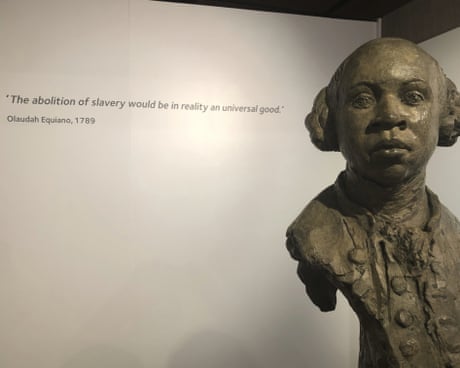
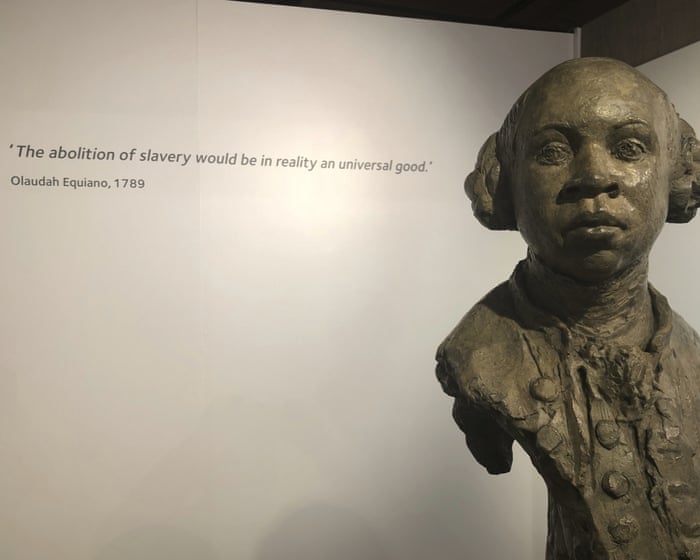
We are all beneficiaries of the slave trade, like it or not. The work that the Guardian is doing on the actions of its founders will enhance the historical record, but it is unlikely to change the broader picture identified by Eric Hobsbawm and others.

Continue reading...
© Photograph: Russell Contreras/AP
© Photograph: Russell Contreras/AP
© Photograph: Russell Contreras/AP
  •  

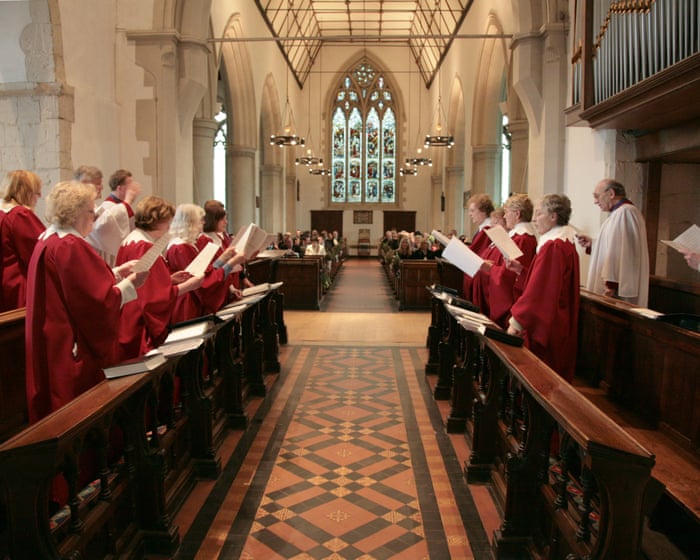
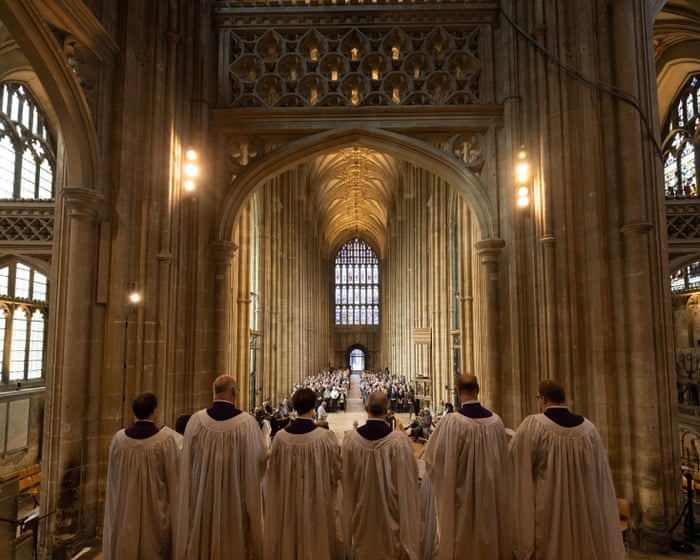
Parish churches need support to preserve the tradition of choral evensong | Letter

Dr Andrew James Sillett of St Giles’ church in Oxford says parish churches need help to flourish just as cathedrals do

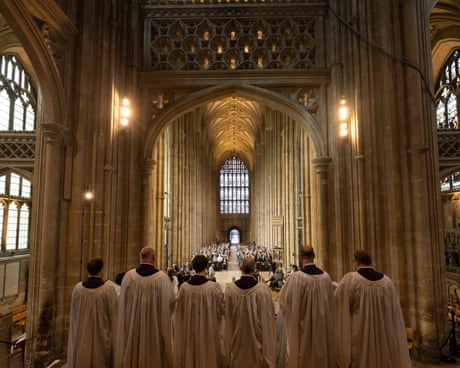
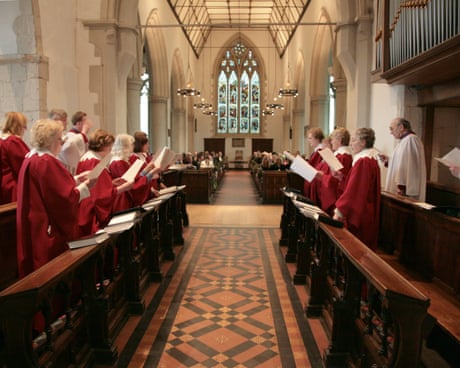
Dr Coco Parkinson-Huggins (Letters, 13 October) is right to highlight the severe financial pressures facing England’s cathedrals and the threat that this poses to choral music. Yet the future of choral evensong depends not just on cathedrals. Across the country, there are parish churches that sustain choirs, train young organists and offer regular opportunities for children and adults to participate in this living tradition.

I am a churchwarden and singer at St Giles’ church in Oxford, where locally recruited choirs of boys, girls and teenagers sing choral evensong every Sunday. Alongside these choirs, around 40 organ students are currently learning through the church, and we are investing in a major new pipe organ to support future generations of musicians.

Continue reading...

© Photograph: Gary Roebuck/Alamy

© Photograph: Gary Roebuck/Alamy

© Photograph: Gary Roebuck/Alamy

  •  

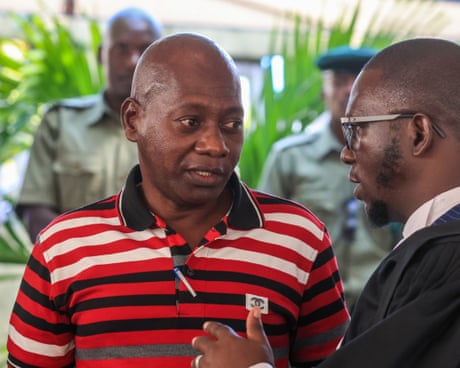
Kenyan starvation cult leader guilty of murder of 190 children and one adult

Paul Mackenzie and his church set up sect that ordered followers to starve themselves and their children, say prosecutors

A Kenyan court has found the starvation cult leader Paul Mackenzie and about 30 others guilty of murder over the deaths of ⁠190 children and one adult in one of the world’s worst cult-related disasters in recent history.

Mackenzie was arrested in 2023 after police received a tipoff, and weeks later authorities began uncovering bodies in shallow graves in the Shakahola forest near the coast ⁠in south-eastern Kenya.

Continue reading...

© Photograph: EPA

© Photograph: EPA

© Photograph: EPA

  •  

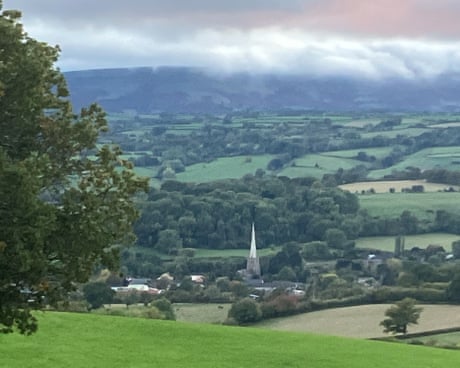
Country diary: A three-day perambulation around my own parish | Simon Lockett

Golden Valley, Herefordshire: Even vicars can get stuck too much behind a desk, and the 800th anniversary of St Francis of Assisi’s death is a good excuse to strike out, and speak to local people

I was sitting at my desk again, with the dull hum and the blue glow of the screen. It seems that every occupation traps people at their desk, and being a vicar is no different. But I wanted to resist, and it happened to be the 800th anniversary of Saint Francis of Assisi’s death. With Jesus of Galilee as inspiration, Saint Francis was known for his vow of simplicity, his love of the Earth and his critique of the wealth accumulated by the religious elite at the expense of the poor. He was also horrified by the Fifth Crusade, so he travelled to Egypt, hoping to make peace.

Francis also walked the walk, as it were, sleeping in caves in the Umbrian hills, taking nothing with him. No sitting at the desk for Francis. So I decided to do the same, spending three days walking the bridleways, holloways, footpaths and country lanes of the Golden Valley, speaking to people along the way. My sanctuary for the night was one of my parish churches – Madley, Tyberton, then Peterchurch, with its very welcome underfloor heating.

Continue reading...

© Photograph: Simon Lockett

© Photograph: Simon Lockett

© Photograph: Simon Lockett

  •  

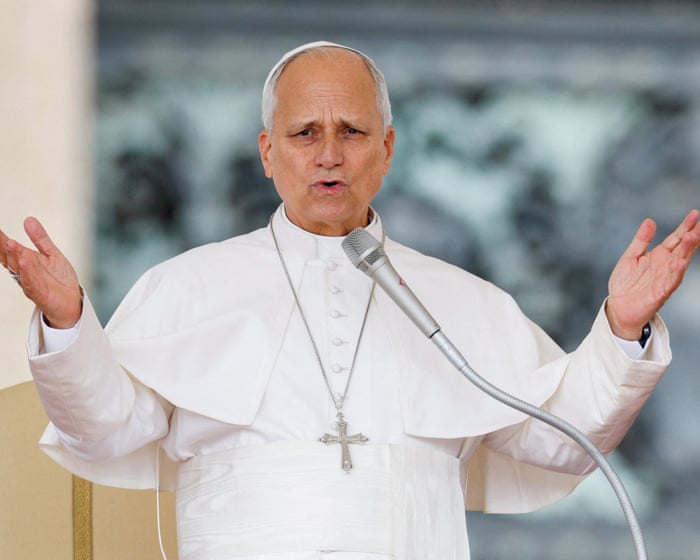
Pope Leo lung cancer surgery: what kind of operation did he have and what happens next?

Pontiff is recovering from a lobectomy, which is standard treatment for lung cancer caught early and can be curative

On Tuesday, surgeons in Rome removed the lower part of Pope Leo’s right lung, after a routine health check found a small growth that tests have since confirmed as lung cancer. The operation, called a lobectomy, is the standard treatment for lung cancer caught early, and for many patients it is the only treatment they will ever need. So what exactly did his doctors do, and what happens next?

Continue reading...

© Photograph: Remo Casilli/Reuters

© Photograph: Remo Casilli/Reuters

© Photograph: Remo Casilli/Reuters

  •  

Yes, the music is lovely, but cathedrals are crumbling | Letter

They are some of our oldest and most historically significant buildings, yet they receive no secure state funding, writes Dr Coco Parkinson-Huggins

Jonathan Davies’ article (Abide with me: English choral music is a living part of our cultural heritage – we should cherish it, 7 October) speaks beautifully to the contribution of English choral music to our living cultural heritage, highlighting the importance of cathedral choirs in particular, in giving children access to “world-class musical training, extraordinary cultural experiences and educational opportunities that might otherwise be beyond their reach”.

What he misses however, is just how under threat these bastions of England’s religious, cultural and spiritual heritage actually are.

Continue reading...

© Photograph: Bloomberg/Getty Images

© Photograph: Bloomberg/Getty Images

© Photograph: Bloomberg/Getty Images

  •  

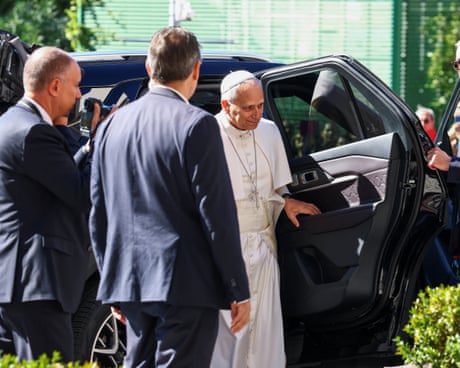
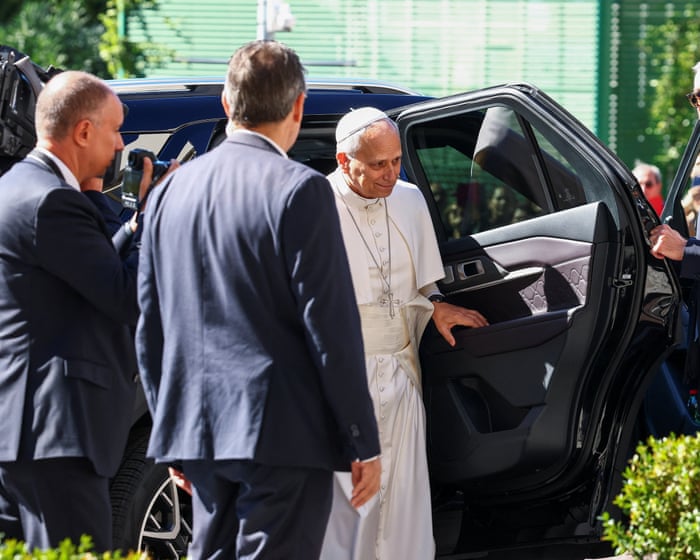
Pope Leo diagnosed with lung cancer as growth removed during surgery

Vatican says pontiff had lower lobe of right lung removed in ‘successful, on schedule and as planned’ operation in Rome

Pope Leo has lung cancer, the Vatican said late on Tuesday.

Leo, 71, underwent an operation and had the lower lobe of his right lung removed, with tests confirming a diagnosis of lung adenocarcinoma, the Vatican said in a medical bulletin, which followed an earlier statement saying the pope’s operation had concluded “successfully, on schedule and as planned”.

Continue reading...

© Photograph: Guglielmo Mangiapane/Reuters

© Photograph: Guglielmo Mangiapane/Reuters

© Photograph: Guglielmo Mangiapane/Reuters

  •  

Archbishop of US military condemns Pentagon plans to livestream execution

Timothy Broglio says Catholics on army firing squad should ask to be excused since it clashes with church teachings

The archbishop who oversees the spiritual care of Catholics serving in the US military condemned the Pentagon’s proposed plans to livestream the firing squad execution of Nidal Hasan later this year.

Archbishop Timothy Broglio also stipulated in a Monday statement that any Catholic soldier assigned to the US army firing squad should ask to be excused from that duty, which he described as contrary to the teachings of the church. He joins other Catholic leaders in speaking out against the death penalty and the live stream plans.

Continue reading...

© Photograph: José Luis Magaña/AP

© Photograph: José Luis Magaña/AP

© Photograph: José Luis Magaña/AP

  •  

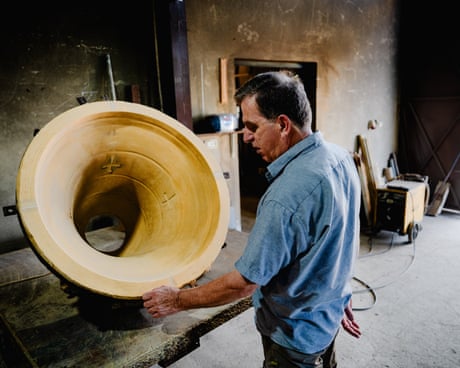
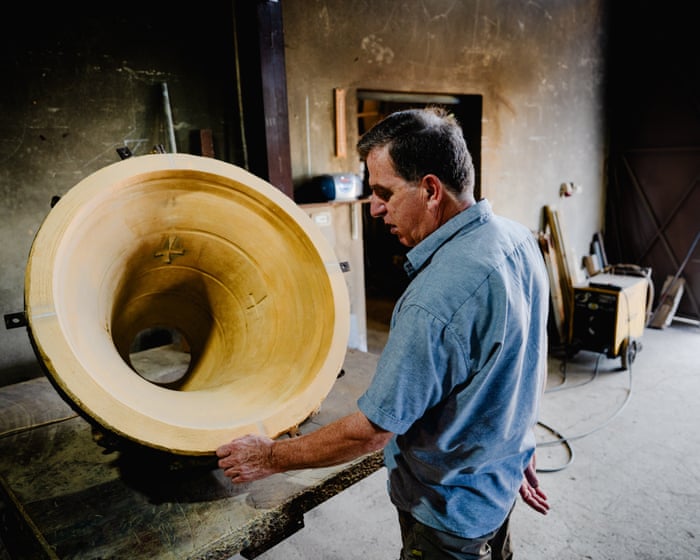
Lebanon’s only church-bell maker on keeping a 300-year family tradition alive

Naffah Naffah makes the bells in the mountains near Beirut. His sons will take over the foundry when he retires

The story of Lebanon’s last remaining church-bell maker begins with a rifle. In the 18th century, Youssef Gabriel, a local metalworker, was secretly making and equipping Arab revolutionaries with rifles to assist their revolt against the Ottoman empire, which controlled Lebanon at the time.

Then, one day, a Russian engineer came to the Lebanese town of Beit Chabab to make a church bell. Gabriel, intrigued, shadowed the man and picked up the process on sight.

Continue reading...

© Photograph: Gabriel Ferneini/The Guardian

© Photograph: Gabriel Ferneini/The Guardian

© Photograph: Gabriel Ferneini/The Guardian

  •  

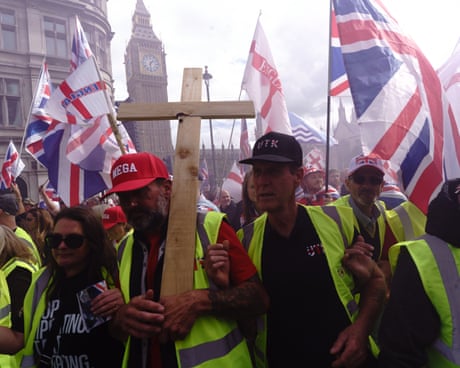
Christian nationalism in Britain driven by people who seldom go to church, says report

Research challenges the notion that the growing visibility of crosses and other symbols reflects a revival of Christianity

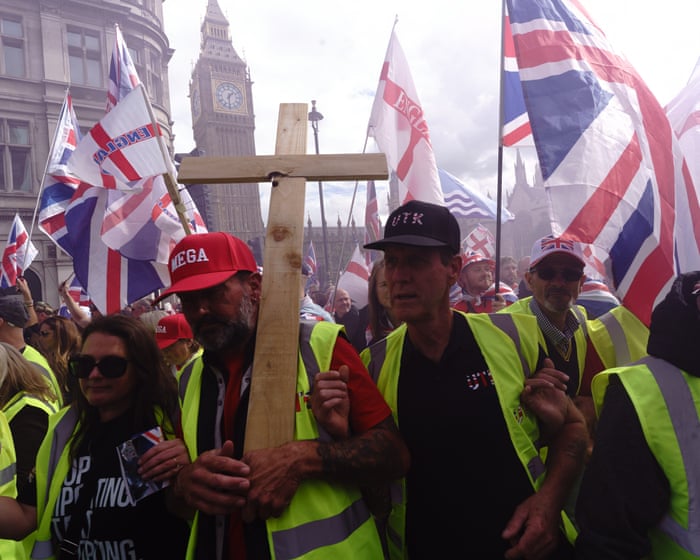
Christian nationalism in Britain is being driven largely by people who rarely attend church and are more concerned with defending the country’s Christian heritage, according to research.

The report, by the thinktank Theos, identified five different groups within the UK in a survey that looked at their attitudes to Christianity and Britishness.

Continue reading...

© Photograph: Joao Daniel Pereira/ZUMA Press Wire/Shutterstock

© Photograph: Joao Daniel Pereira/ZUMA Press Wire/Shutterstock

© Photograph: Joao Daniel Pereira/ZUMA Press Wire/Shutterstock

  •  

Is Claude Conscious? Inside Anthropic’s Quest to Instill Morality Into Its A.I. Models

In a series of private meetings, the company consulted religious scholars to help instill morality into its A.I. models — and make the case that Claude could be conscious.

© Alessandro Penso for The New York Times

“To be clear,” Christopher Olah told me, “we don’t know if A.I. models are conscious. I don’t know. I’m genuinely uncertain. The thing that I care about is that we get to the right answer, whatever it is.”
  •  
❌