❌

Reading view

Heat pumps and insulation would cut UK living costs more than new oilfields, study suggests

Warm homes plan would create 50,000 jobs, compared with about 1,100 for Rosebank oilfield, thinktank finds

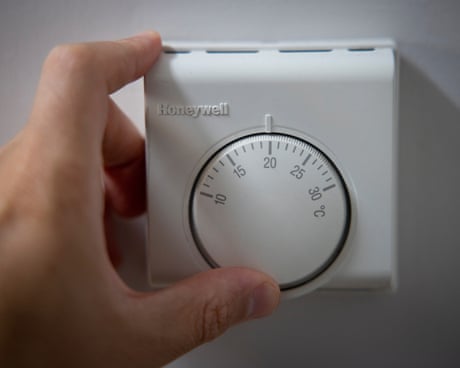
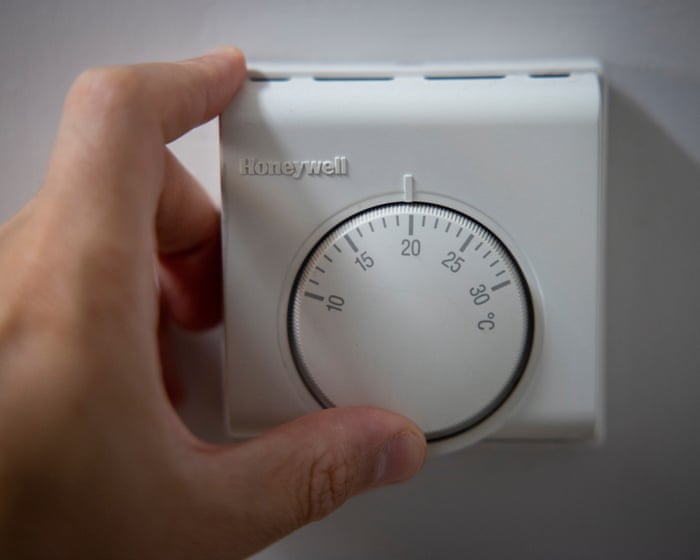
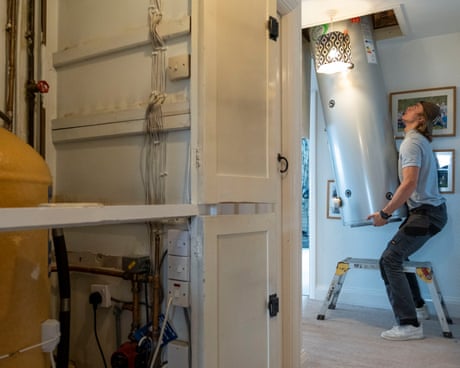
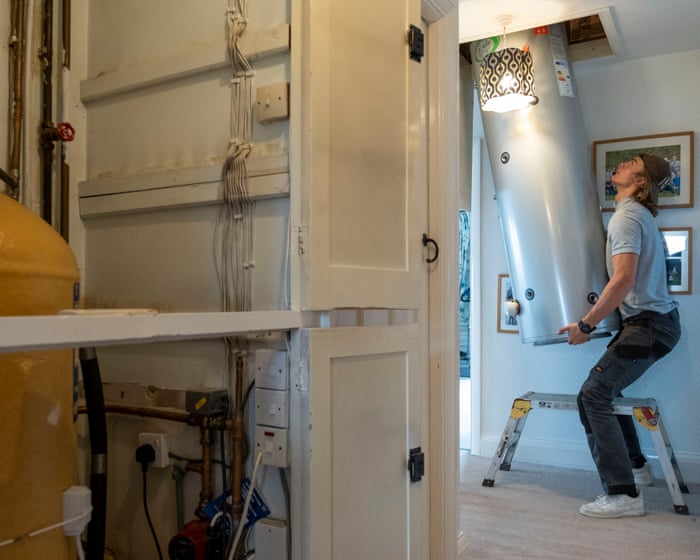
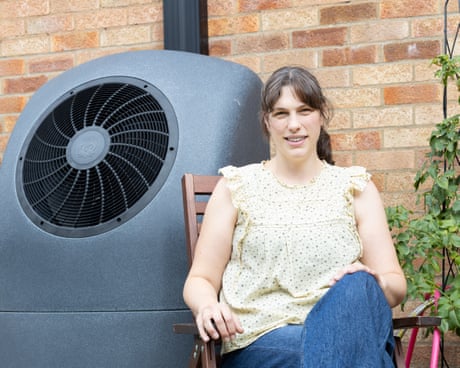
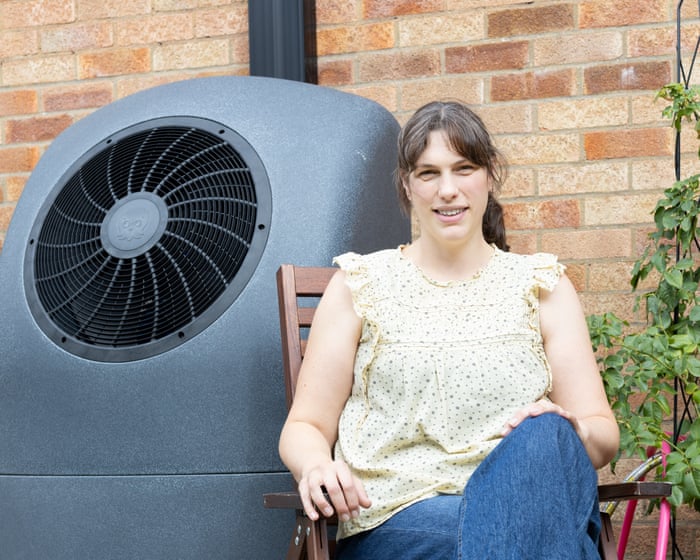
Insulating Britain’s homes and investing in heat pumps would do more to cut the cost of living, create jobs and boost the UK’s economy than drilling for new oil, research suggests.

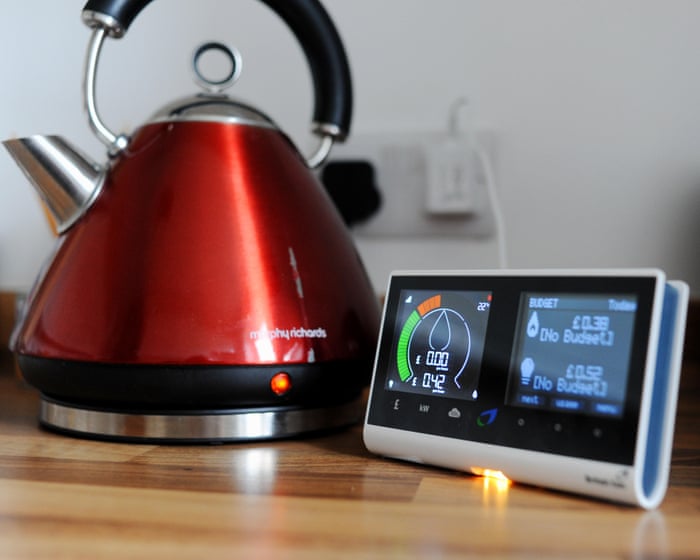
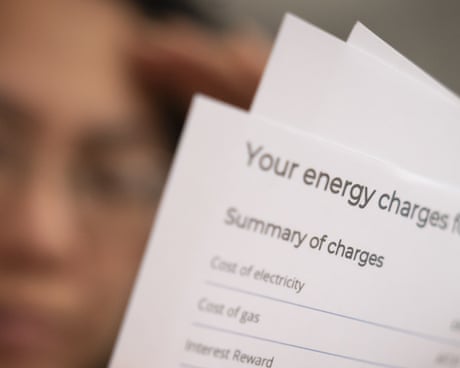
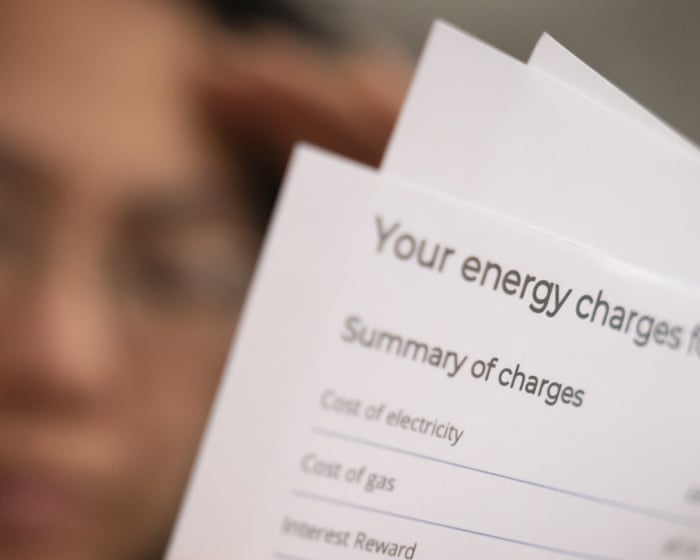
The government’s £15bn warm homes plan, currently under threat of cuts as ministers seek budget savings, would slash £1bn a year from household energy bills across the UK, concentrated on those on low incomes, according to research by the thinktank E3G. It would also provide a £1.6bn yearly boost to the economy, and about 50,000 new jobs spread across thousands of small businesses.

Continue reading...

© Photograph: Murdo MacLeod/The Guardian

© Photograph: Murdo MacLeod/The Guardian

© Photograph: Murdo MacLeod/The Guardian

  •  

Ofgem could force energy suppliers to pay rivals if they lure customers with cheaper deals

Regulator for Great Britain weighs up reintroducing market stabilisation charge to prevent firms going bust

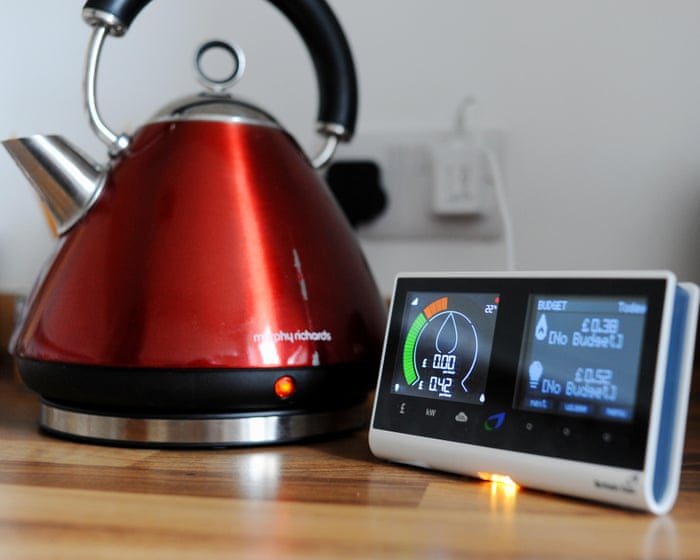
Energy suppliers could be forced to pay a charge to rivals if they lure customers with cheaper deals, as the industry regulator for Great Britain attempts to prevent suppliers going bust this winter.

Ofgem has published a consultation on a proposal to reintroduce the market stabilisation charge (MSC), which aims to prevent suppliers failing if there is customer exodus, as it frets over the impact of sharp swings in energy prices linked to the conflict in the Middle East.

Continue reading...

© Photograph: Simon Dack/Alamy

© Photograph: Simon Dack/Alamy

© Photograph: Simon Dack/Alamy

  •  

Cost of balancing Great Britain’s power grid reaches nearly £50m a day

Grid operator paying large sums to switch off windfarms in areas of excess electricity generation while turning on gas plants elsewhere

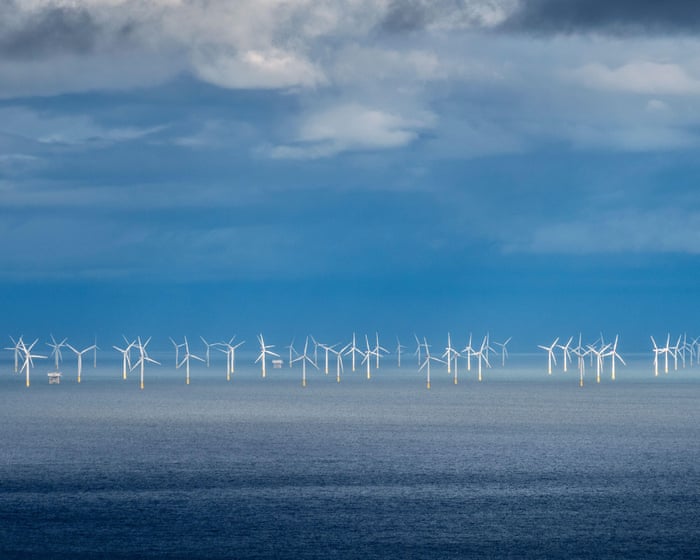
The cost of balancing Great Britain’s power grid has soared to near-record highs of almost £50m a day after windfarms were turned off because of bottlenecks in transmitting power around the country.

The grid operator paid £47.9m on Wednesday to turn windfarms off in areas with an oversupply of electricity and turn gas plants on in areas where supplies were tight.

Continue reading...

© Photograph: Robin Weaver/Alamy

© Photograph: Robin Weaver/Alamy

© Photograph: Robin Weaver/Alamy

  •  

UK economy unexpectedly grows in August despite fall in consumer spending

Latest data showing surprise 0.1% growth is boost to John Healey a fortnight before his first budget

The UK economy unexpectedly continued to grow in August despite a fall in consumer spending before John Healey’s first budget as chancellor.

Figures from the Office for National Statistics showed gross domestic product (GDP) rose by 0.1% last month, compared with 0.4% growth in July. That confounded a forecast by City economists of a 0.1% contraction.

Continue reading...

© Photograph: Andy Rain/EPA

© Photograph: Andy Rain/EPA

© Photograph: Andy Rain/EPA

  •  

The UK energy secretary is flirting with a bad idea for bills – the ‘rising block tariff’

There are many reasons to reject this affordability ‘solution’, not least it being complex and fiddly. Just keep things simple

‘My mark of failure or success is whether I can get bills down or not. That’s the only thing I’m in this job to do.” So said Miatta Fahnbulleh, the energy secretary, recently, bracing for the hike in energy bills that looks inevitable in January. Industry projections suggest £400-ish on an annual basis is on the way, with “stubbornly high” levels for the rest of decade even if wholesale gas prices cool down.

So, yes, one can understand why “affordability” is Fahnbulleh’s “top priority”. And, as this newspaper reported last week, there is likely to be an intervention in that direction in chancellor John Healey’s budget this month: £1bn of extra support for poorer households this winter.

Continue reading...

© Photograph: Tolga Akmen/EPA

© Photograph: Tolga Akmen/EPA

© Photograph: Tolga Akmen/EPA

  •  

The best electric heaters in the UK, from traditional stove-style units to modern smart models – tested

Want to heat just one room without firing up the boiler? We cosied up to 12 electric heaters to find the best for your home

• The best hot-water bottles

Are you in need of a stopgap stand-in for your central heating? Or perhaps you’re looking for an efficient appliance to heat a small space. If so, investing in one of the best electric heaters can rid your home of the cold.

Electric heaters range from compact, fast-acting fan-powered models to oil-filled radiators and wall-mounted panels. Some also have smart functionality, so you can ask Alexa to turn up the heat, and other advanced features such as air purification and adaptive heating. But which are best?

Continue reading...

© Composite: PR Image

© Composite: PR Image

© Composite: PR Image

  •  

Energy bills through the roof? Five signs your house is leaking heat

From finding draughts to buying a thermal leak detector – there are simple, cost-effective ways to start sorting heat loss

Pick a day when there is a good breeze, and heat the house to its usual temperature. Then wander around with a candle or smoke pen (about £20). Alternatively, buy a thermal leak detector. This flashes blue for cold, green for normal and red for warm.

Continue reading...

© Photograph: ivansmuk/Getty Images/iStockphoto

© Photograph: ivansmuk/Getty Images/iStockphoto

© Photograph: ivansmuk/Getty Images/iStockphoto

  •  

Ministers preparing to slash heat pump subsidies to fund defence spending

Exclusive: Some of £2bn savings needed from energy budget expected to come from boiler upgrade scheme, sources say

Ministers are preparing to slash the amount of money available to subsidise heat pumps as they look for ways to fund higher defence spending, sources have told the Guardian.

Miatta Fahnbulleh, the energy secretary, has been tasked with finding more than £2bn in savings from her budget to help pay for defence investment under a plan drawn up by the previous government.

Continue reading...

© Photograph: Andrew Aitchison/In Pictures/Getty Images

© Photograph: Andrew Aitchison/In Pictures/Getty Images

© Photograph: Andrew Aitchison/In Pictures/Getty Images

  •  

Feelgood factor of human interaction | Brief letters

Happy hormones | Fuel costs | Drive-in parking | Guys and girls | Young or old? | Singapore pollution

Re your report (‘Pull the plug’: protesters resort to direct action against AI firms, 6 October), the US neuroscientist Ben Rein has shown that there is a fundamental difference in our cognitive response according to the type of interaction we have. In-person meetings and conversations show a dramatic increase in serotonin, oxytocin and dopamine – “feelgood” hormones – compared with online interactions. I have been encouraged to speak to people at bus stops.
Judith Furner
Eastbourne, East Sussex

• Re easing winter fuel costs (Report, 6 October), it would benefit everyone if the outrageous daily standing charges were reduced or on a sliding scale based on usage. I can’t be the only person whose standing charges each month are half or more than the energy used.
Judith Pearson
Sheffield

Continue reading...

© Illustration: Jitendra Jadhav/Getty Images

© Illustration: Jitendra Jadhav/Getty Images

© Illustration: Jitendra Jadhav/Getty Images

  •  

‘We need less point scoring’: What party conference season taught us about UK climate action

Tories plan to scrap low-carbon housebuilding, Greens back new nuclear reactors, and Labour put oil-drilling decisions on hold

New homes could be built without solar panels, heat pumps and high-grade insulation, leading to higher household bills if the Conservative party wins the next general election.

Kemi Badenoch made scrapping the future homes standard (FHS) one of the central planks of her bid to become the next prime minister at the Tory party conference this week.

Continue reading...

© Photograph: Tolga Akmen/EPA

© Photograph: Tolga Akmen/EPA

© Photograph: Tolga Akmen/EPA

  •  

How to storm-proof your home, from roof tiles to garden fences

With an extremely wet and windy winter forecast, take steps to keep you and your home safe and dry

With the Met Office warning that this year’s supersized El Niño could mean a wet and stormy winter lies ahead, it’s never been more important to maintain your home.

Payouts for storm damage to UK homes surged 32% to £244m in 2025 amid the destruction caused by the heavy rain and strong winds that accompanied the likes of Storm Éowyn and Storm Floris.

Continue reading...

© Photograph: Charles McQuillan/Getty Images

© Photograph: Charles McQuillan/Getty Images

© Photograph: Charles McQuillan/Getty Images

  •  

Labour could oversee worst parliament on record for living standards, study warns

Energy and housing costs threaten biggest decline in modern times unless bold action taken, says thinktank

Soaring energy and housing costs mean Labour is on course to preside over the worst parliament for living standards in modern times, a stark analysis warns.

Three weeks ahead of John Healey’s budget, the Joseph Rowntree Foundation said Britain faces a “dire” outlook unless the government takes “bold policy action”.

Continue reading...

© Photograph: Simon Dack/Alamy

© Photograph: Simon Dack/Alamy

© Photograph: Simon Dack/Alamy

  •  

Chancellor plans major intervention to help poorer UK households with rising energy bills

Exclusive: Officials working on further radical changes that would change how much energy companies could charge customers

John Healey is planning a major intervention to cut energy bills for poorer households in this month’s budget, after ministers became alarmed at forecasts that show bills rising by hundreds of pounds in January.

The chancellor is working on plans to spend more than £1bn to help energy consumers, the bulk of which is likely to go towards increasing the discount given to households on certain benefits.

Continue reading...

© Photograph: Danny Lawson/PA

© Photograph: Danny Lawson/PA

© Photograph: Danny Lawson/PA

  •  

The zero-bills home: how one family is beating the energy price hikes

The Naylors’ four-bedroom home in Milton Keynes acts like a mini-power station after retrofitting solar panels, a battery and a heat pump

Clare Naylor paid close attention to how much energy she and her family were using last winter, filling hot-water bottles and bringing out extra blankets to ensure they didn’t go over budget. This year, she won’t have to worry as she is guaranteed not to receive a bill.

While millions of British households face the highest energy charges in three years from this week after a 4% rise in the price cap, and predictions of a 16% increase in January, upgrades to Naylor’s home mean she will not have to pay a thing.

Continue reading...

© Photograph: Teri Pengilley/The Guardian

© Photograph: Teri Pengilley/The Guardian

© Photograph: Teri Pengilley/The Guardian

  •  
❌