❌

Reading view

Container gardens are pots of fun – and autumn is the ideal time to give them a makeover

Here is everything I’ve learned from my container gardener days – from the best plants to choose for low-maintenance gardening to why it pays to go big

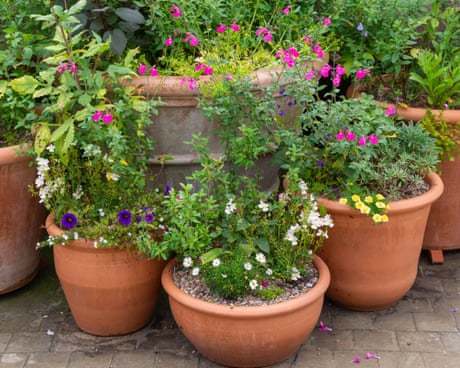
When I was a container gardener, this was the time of year I’d start to think about sprucing up my pots. It’s similar to a seasonal wardrobe switcheroo: putting shorts and summer dresses away until next year; getting jumpers out from under the bed and inspecting for moth holes. The pots, which usually had some late summer goodies in them, would be looking a bit worse for wear and I’d heave them all up, replace the compost and put in new things to perk up the balcony for the cooler months.

The more I gardened, the more I left the pots alone. They became their own annual microgardens, with bulbs and perennials that rose and died back like little symphonies. Far less hard work, aside from a heavy mulch now and another in the spring, occasionally removing a bit of dead foliage and watering in the summer.

Continue reading...
© Photograph: Andrew Kearton/Alamy
© Photograph: Andrew Kearton/Alamy
© Photograph: Andrew Kearton/Alamy
  •  

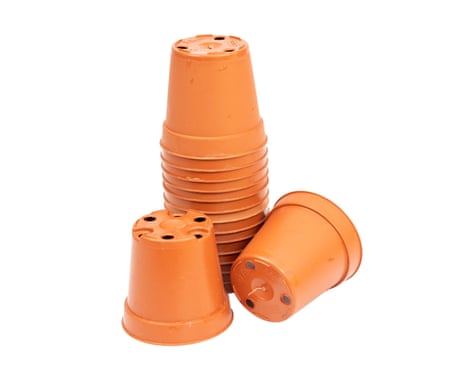
Houseplant hacks: is it eco-friendly or risky to reuse nursery pots?

You want to garden sustainably but don’t want to transfer pests to new plants. Here’s how to decide whether to refill or recycle

The problem
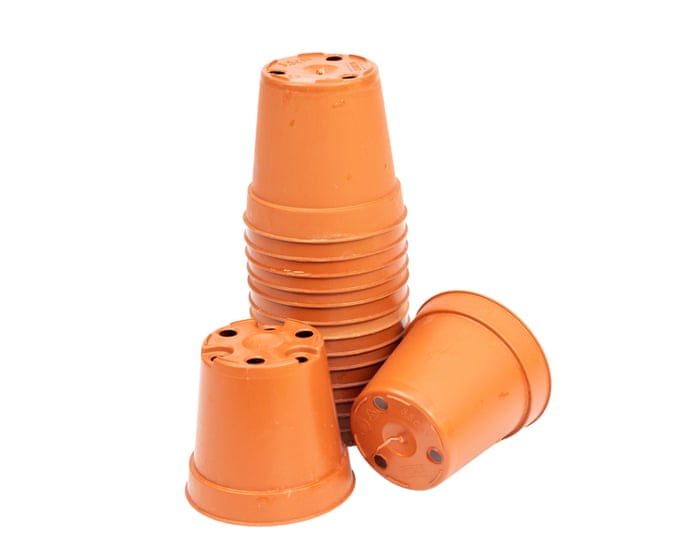
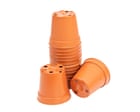
Most plant people end up with a never-ending supply of plastic nursery pots, stuffed in cupboards or bags. Throwing them away feels wasteful, but reusing can transfer pests, fungus spores or disease to new plants.

The hack
Reuse them, but clean thoroughly first. Nursery pots are brilliant for houseplants because the drainage holes stop root rot. Water thoroughly and let the excess run out, then slip the pot into something decorative.

Continue reading...

© Photograph: Bilal photos/Getty Images

© Photograph: Bilal photos/Getty Images

© Photograph: Bilal photos/Getty Images

  •  

Soil in need of some TLC? Then it’s time to make room for legumes

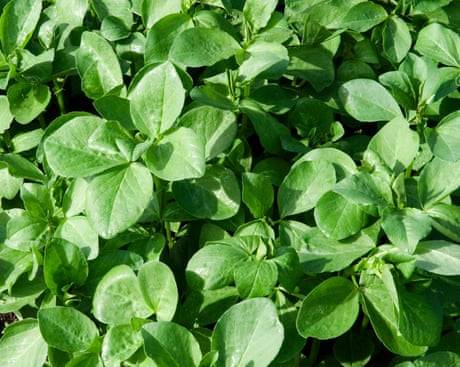
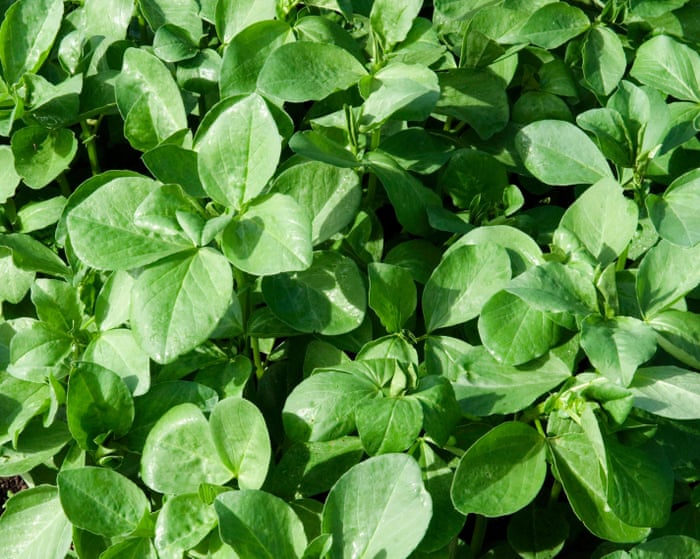
Crops such as vetch, field beans and forage peas can improve soil if you use them as a mulch

I am locked in an eternal battle with my soil. Now, I adore the earth and believe it to be miraculous in its life-giving properties. But I’d be lying if I said I don’t sometimes (or often) feel deeply frustrated with the intransigence of the heavy clay I’m working with in my veg patch. Clay soil is especially miraculous in how nutrient dense it is. Yet, those nutrients are, somewhat ironically, more challenging for gardeners to access for their crops than with other soil types.

The answer – as with almost all problems faced in a chemical free, mostly no-dig garden – is adding a mulch of organic matter (either compost or well-rotted manure) that can be incorporated into the earth by insects, who will improve its texture in the process. And yet, this trusty approach is tricky in my veg patch as we live on a hill and there is about a metre’s difference between one side of the site and the other. This situation (plus the stubbornness of soil made sodden by a wet winter and then solid by a heatwave summer) has meant the layers of compost I laid over the last year have been either washed away or not particularly well incorporated into the deeper soil.

Continue reading...

© Photograph: Avalon.red/Alamy

© Photograph: Avalon.red/Alamy

© Photograph: Avalon.red/Alamy

  •  
❌