❌

Reading view

Quantum error correction goes well beyond breakeven

Running complicated algorithms on quantum computing hardware is going to require the use of logical qubits, where collections of hardware qubits are linked together in ways that allow errors to be detected and corrected. In general, the more hardware qubits you dedicate to each logical qubit, the better the chances are of identifying errors. But, given that the hardware qubits are prone to errors, adding more of them also increases the probability that errors will occur. If the hardware error rate is too high, then growing the logical qubit will only make matters worse.

Fortunately, several companies have demonstrated hardware where the error rate is not too high. Several demonstrations show logical qubits are beyond the breakeven point, where adding more qubits improves performance. The problem is that the improvement isn't very dramatic. To lower error rates to levels we'll need to run complex algorithms, we'd have to add a completely impractical number of qubits to each logical qubit.

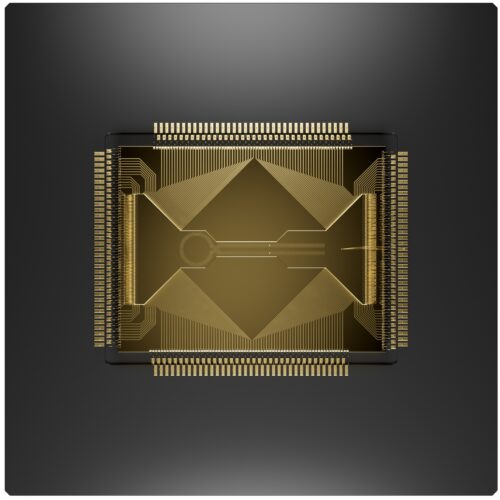
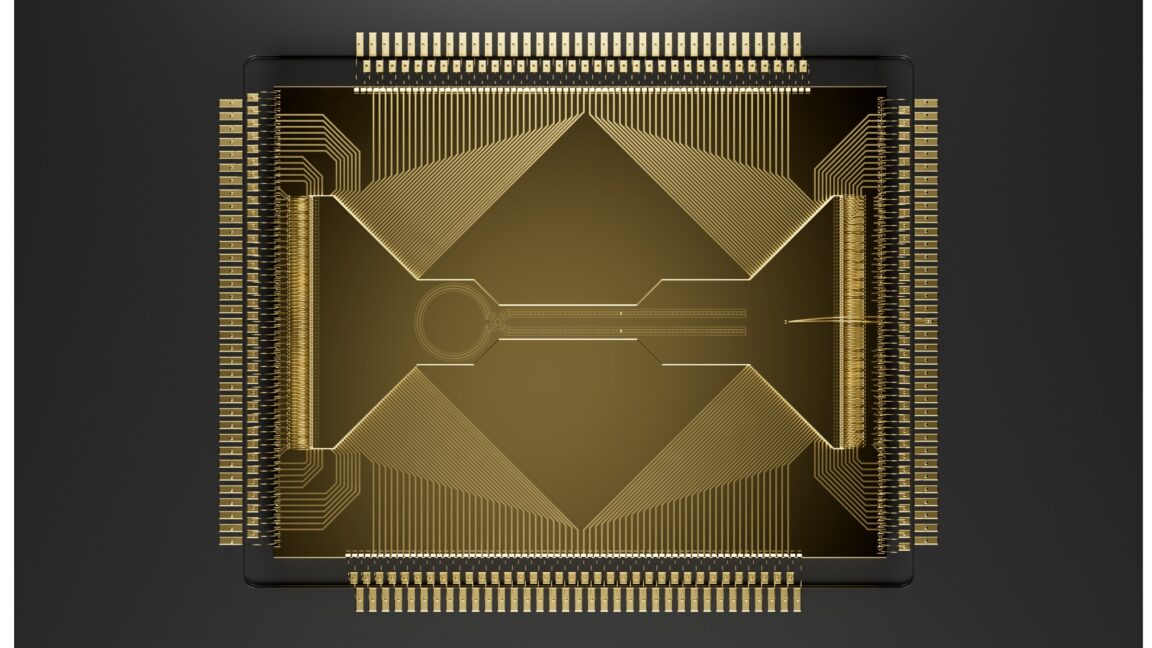
On Monday, Quantinuum announced that its current generation of hardware is capable of scaling well beyond the breakeven point. Each step up in the size of logical qubits improved some measures of their performance by a factor of over 10.
Read full article

Comments

© Quantinuum

  •  

What did the Liberty Bell sound like? Science is on the case.

The Liberty Bell, with its famous crack, hasn't been rung in 180 years, but that hasn't stopped scientists from pondering what the bell might have sounded like when tolling. In honor of the nation's 250th anniversary, researchers at Penn State University have modeled its acoustic properties, drawing on data collected from one of the bell's replicas. The work was first presented at a meeting of the Acoustical Society of America in Philadelphia earlier this year, followed by an article in Physics Today.

Historians aren't sure exactly when the Liberty Bell acquired its distinctive crack, just that it occurred sometime between 1817 and 1846. An 1846 account in the Public Ledger described the ringing of the bell on February 23 that year and mentioned that the bell had developed a crack, which someone had attempted to fix by filing the sides down. But it didn't work: The February 23 ringing extended the crack even more, so much so that "the old Independence Bell ... now hangs in the great steeple irreparably cracked and forever dumb." Nobody has heard it ring since.

This wasn't the first time the bell had cracked; the rim cracked shortly after it arrived in Philadelphia in 1752, the first time the clapper struck while testing the sound. It was recast by two local foundry workers, John Pass and John Stow, not once but twice, because the first recast produced a sound that one bystander likened to coal scuttles banging together.

Read full article

Comments

© William Zhang/CC BY 2.0

  •  

An experimental tour-de-force: Entanglement between glass bead and light

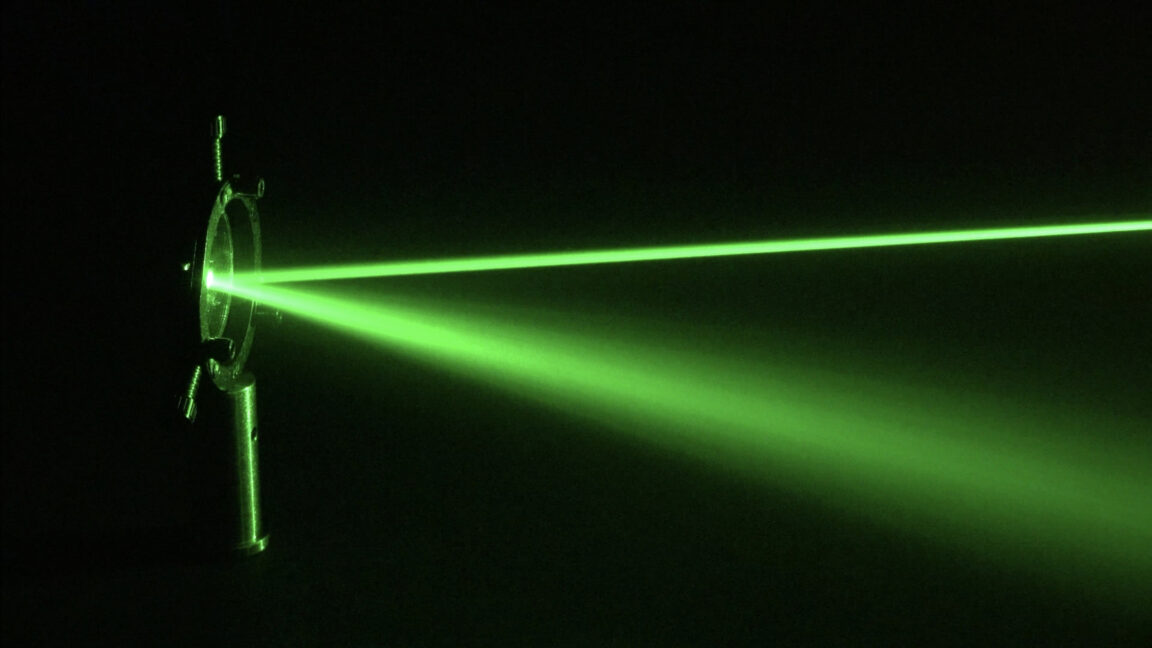
Writing about quantum entanglement is always a challenge. There are so many clichés to avoid: It’s mysterious, ghostly, spooky, and weird. Entanglement is none of those things, and yet it is also all of those things—a superposition of clichés, you might say. So, having gotten all of my clichés out of the way in the second sentence, let’s take a look at how a group of researchers managed to entangle a light beam with a glass bead, which is, frankly, quite an achievement.

Cliché-free entanglement

Quantum entanglement is nothing more or less than the idea that if two objects are linked, then their behavior will, in some ways, be correlated. To take a terrible example: My upper and lower arm are very strongly correlated in terms of relative position because they are connected at the elbow. No one is surprised by this because we can see that they are actually a single object called an arm.

Two photons can be, in a sense, joined together, meaning that they have correlations, too. In this case, we are (naively) surprised for three reasons. First, we think of photons as separate objects that cannot be joined—this is a mistake of understanding. Second, when we connect two photons, we only connect them in limited ways: The two photons may be wholly uncorrelated in terms of polarization, but strongly correlated in terms of energy.

Read full article

Comments

© twilightproductions

  •  

All the news and science from the 2026 Nobel prizes – podcast

This year’s Nobel prizes in chemistry, physics and physiology or medicine have celebrated work that has been used to develop countless drugs and transform modern medicine, allowed physicists to observe one of the most mysterious particles, and provided a tool that could act as an on/off switch for brain cells. To find out more, Madeleine Finlay talks to our science editor, Ian Sample, and correspondents Nicola Davis and Linda Geddes

Nobel prize in medicine 2026 awarded for research into mysteries of brain

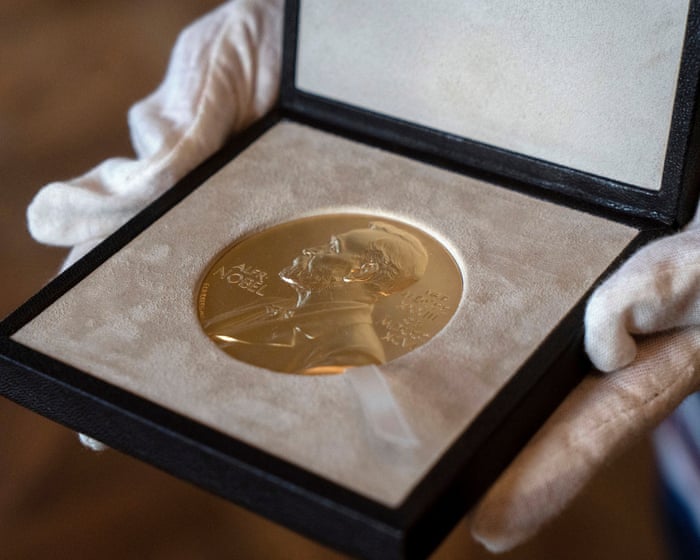
Nobel prize in physics goes to Francis Halzen for south pole work on neutrinos

Nobel prize in chemistry awarded for work on mirror-image molecules

Continue reading...

© Photograph: Niklas Halle’n/AFP Pool/AP

© Photograph: Niklas Halle’n/AFP Pool/AP

© Photograph: Niklas Halle’n/AFP Pool/AP

  •  

Neutrino physicist wins 2026 Nobel Physics Prize

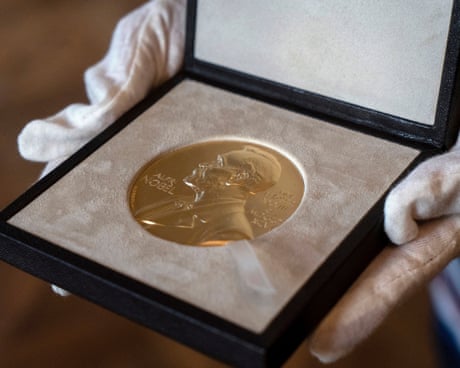
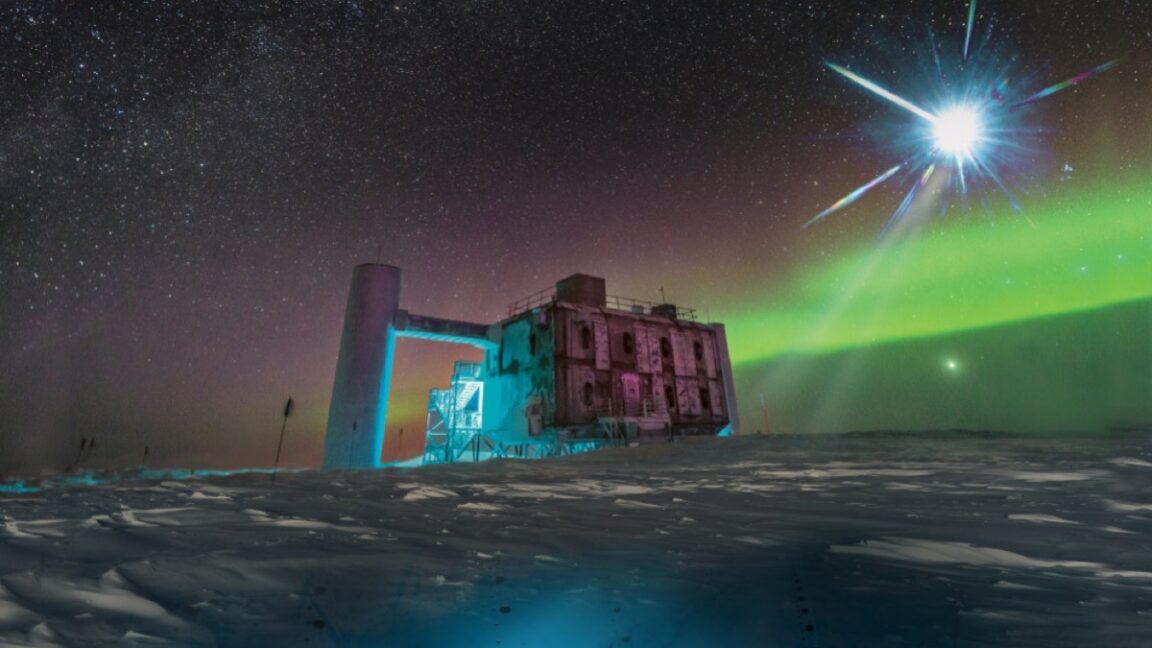
Francis Halzen, a physicist at the University of Wisconsin, Madison, has won the 2026 Nobel Prize in Physics "for decisive contributions to the IceCube Neutrino Observatory and the discovery of high-energy neutrinos of astrophysical origin.” Halzen spearheaded the development and construction of the IceCube Neutrino Observatory in Antarctica, enabling physicists to capture high-energy neutrinos created in the distant universe.

“It was a great surprise, and I obviously didn’t expect it,” Halzen said during a news conference in Stockholm, Sweden, speaking by phone from Italy. While the Nobel was awarded to Halzen, he emphasized that his work was the result of a “large collaboration” with other researchers.

“This reflects on the really courageous people who joined me in this project when really no respectable conservative physicist would have joined me. But many talented people did, and that’s why I’m here,” he said.

Read full article

Comments

© IceCube/NSF

  •  

Nobel Prize in Physics Is Awarded to Francis Halzen for Work on Neutrinos

The Nobel Committee honored Francis Halzen for his “vision and scientific leadership” of a telescope within the ice at the South Pole.

© Christine Olsson/TT News Agency, via Reuters

The Nobel Committee praised Francis Halzen’s “vision and scientific leadership” at the IceCube Neutrino Observatory, a research project at the South Pole.
  •  

Research roundup: 6 cool science stories we almost missed

It’s a regrettable reality that there is never enough time to cover all the interesting scientific stories we come across. So every month, we highlight a handful of the best stories that nearly slipped through the cracks. September’s list includes a tantalizing hint of the elusive dark matter at the LUX-ZEPLIN detector; entangled Z bosons at the Large Hadron Collider; possible use of psychoactive substances in the Late Pleistocene; and an intriguing technical description of a telescope attributed to Galileo.

A hint of dark matter?

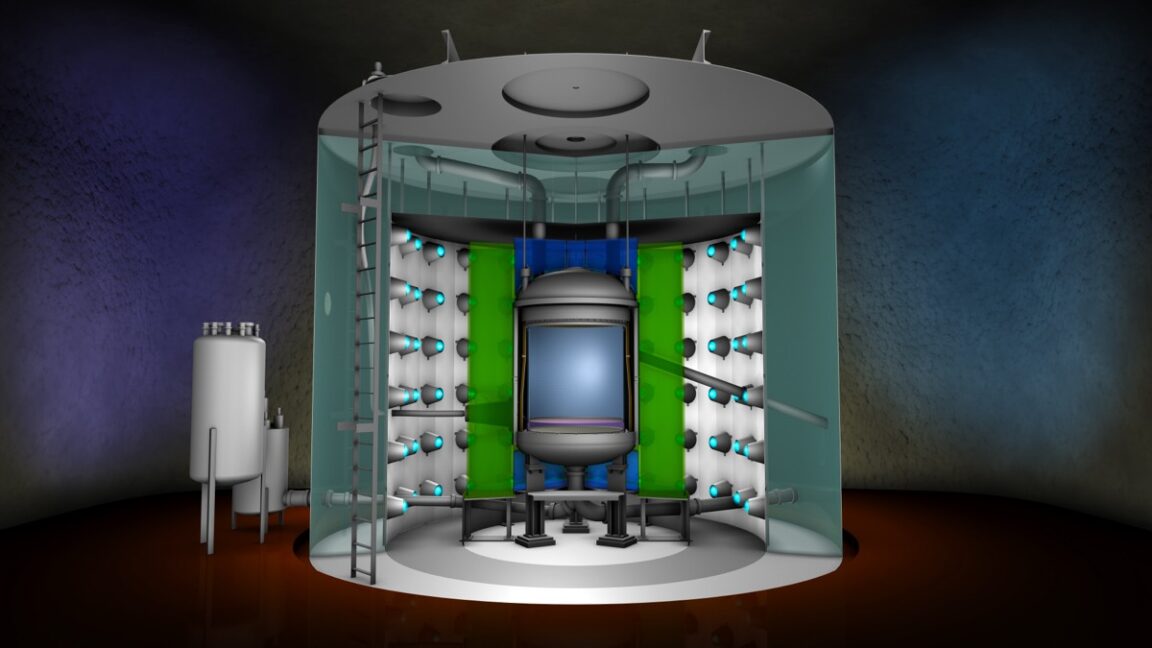
Physicists believe dark matter makes up roughly 85 percent of matter in our universe, with the strongest (but not only) candidate being so-called weakly interacting massive particles (WIMPs). But directly detecting WIMPs, or other alternative hypothetical dark matter particles, has eluded physicists for decades. We might have our first glimpse, however, courtesy of the LUX-ZEPLIN detector buried deep in a gold mine in South Dakota. Those potentially exciting results were presented in a scientific talk at the 2026 TeV Particle Astrophysics conference in Japan, with a preprint available on the arXiv. (It has been submitted to Physical Review Letters for peer review.)

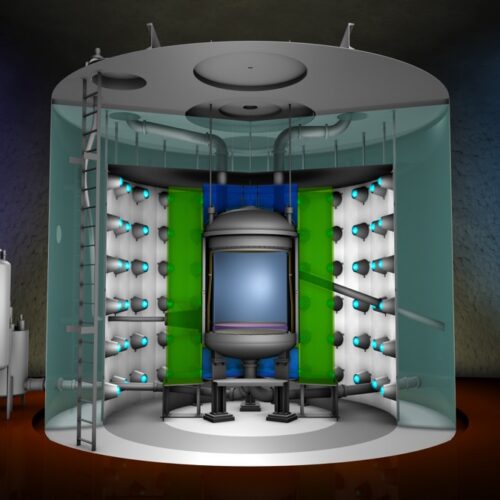
The announcement came with strong caveats: the signal is just a hint, well below the threshold needed to confirm discovery, and might just be a statistical fluke. Anyone who regularly follows dark matter news knows that past tantalizing anomalies evaporated as more data came in. But the LUX-ZEPLIN team was unable to account for this event and decided to report their result to the broader physics community. They are still collecting data, as is the XENONnT at the Gran Sasso National Laboratory in Italy. And China's PandaX detector is currently being built.

Read full article

Comments

© Greg Stewart, SLAC National Accelerator Laboratory

  •  

NASA squeezed Treasury, vibe coded, and broke the mold in bid to save Swift

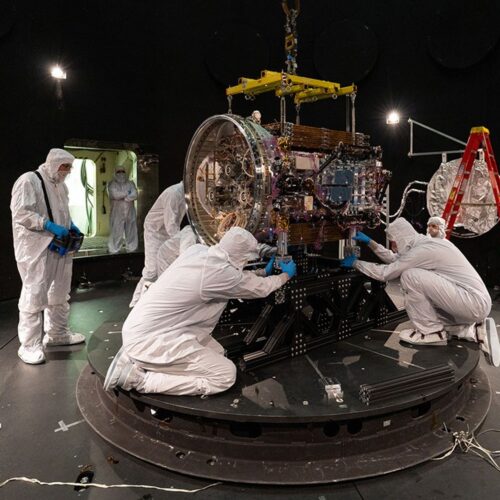
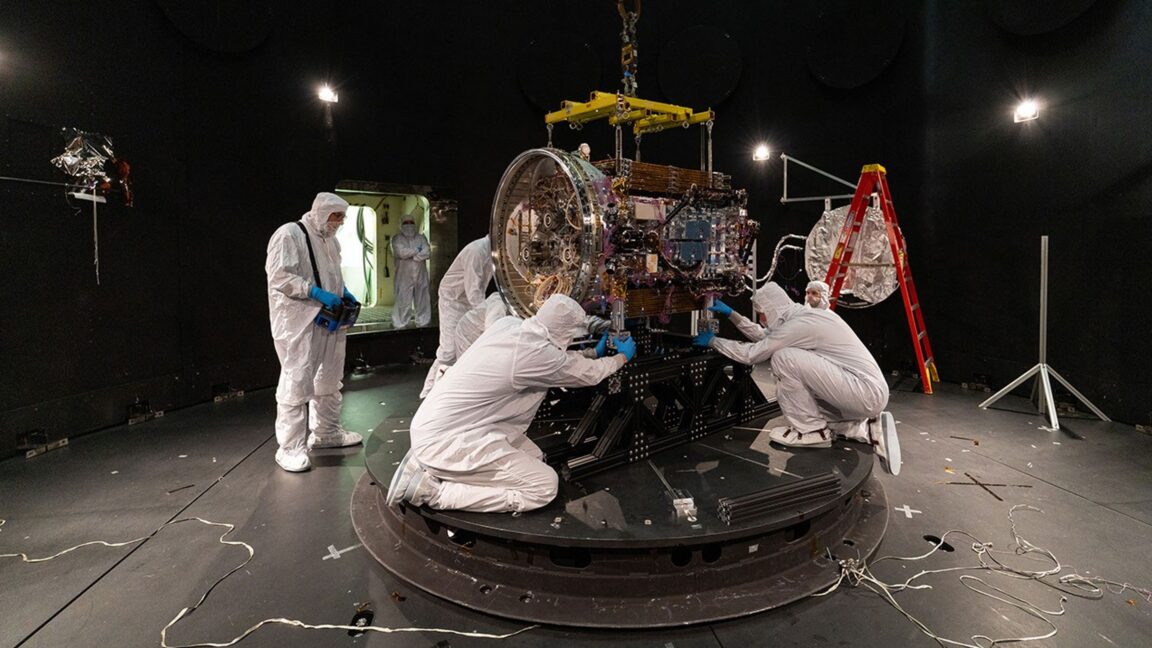
An attempt to save NASA's $500 million Neil Gehrels Swift Observatory from dropping out of orbit fell short, but the behind-the-scenes machinations required just to make a rescue possible deserve recognition, government and commercial space officials said in a recounting of the mission.

The rescue mission was developed by Katalyst Space Technologies, working under a $30 million contract awarded by NASA last September. NASA gave Katalyst nine months to build and launch a satellite to capture Swift flying some 200 miles above the Earth and boost it into a higher orbit.

Katalyst's rescue spacecraft, known as Link, successfully launched July 3 and completed some of its initial checkouts before a malfunction caused it to spin out of control a few weeks later. NASA announced in August that Link would not be able to reach Swift as intended, and the rescue mission was aborted.

Read full article

Comments

© NASA/Sophia Roberts

  •  

All that is required is the VILL to use it

Physics simulator game: Nuclear Design Bureau (Steam) Kerbal Space Program for nuclear kaboom, if much, much less cute. Design your own nuclear weapon.

Draw the cross section of a nuclear weapon of your own design. Brick of U-235 goes here, explosives go there, etc. Hit the detonate button and get a realistic physics simulation (oops, K less than 1, subcritical, try again). Don't worry, the game's tutorial will walk you through the details of the science. Absolutely not the cuteness of Kerbal. Lots of charts and graphs. Interesting charts and graphs if you like this sort of thing, or want to learn by doing. $6.50 CDN on Steam. I'm sure you are doing this only with peaceful purposes in mind, like a nuclear bomb powered spacecraft or a nuclear bomb civil engineering project (Project Orion and Project Plowshares)
  •  
❌