❌

Reading view

What gets in the way of prisoners’ rehabilitation | Letters

Anthony Goodman argues that probation officers have increasingly lost their autonomy, while Joe Sim says rehabilitation will not work in a society divided by brutal social divisions. Plus letters from Chris Parsons and Tracey Burley

Your editorial on overcrowded prisons and probation (13 October) was most welcome as it highlights a crisis in community justice that shows little sign of abating. You say that problems date back to the failed part-privatisation of the probation service, but in reality political interference has been happening for far longer than that.

Having worked for years as a prison probation officer and then in an aftercare and resettlement unit for ex-offenders, I saw good practice and ongoing practical and emotional support that demonstrated all the important points raised by Enver Solomon in his recent Guardian article.

Continue reading...

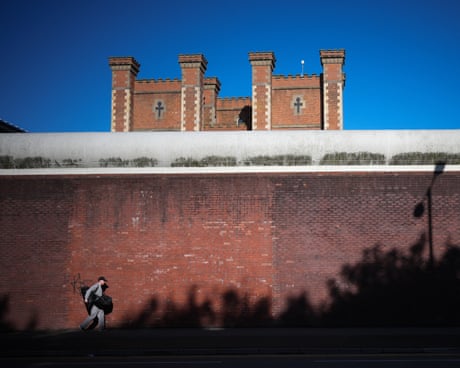
© Photograph: Bloomberg/Getty Images
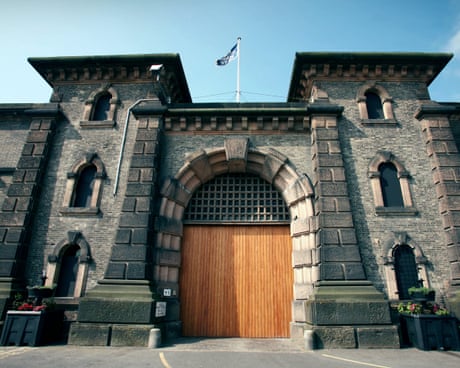
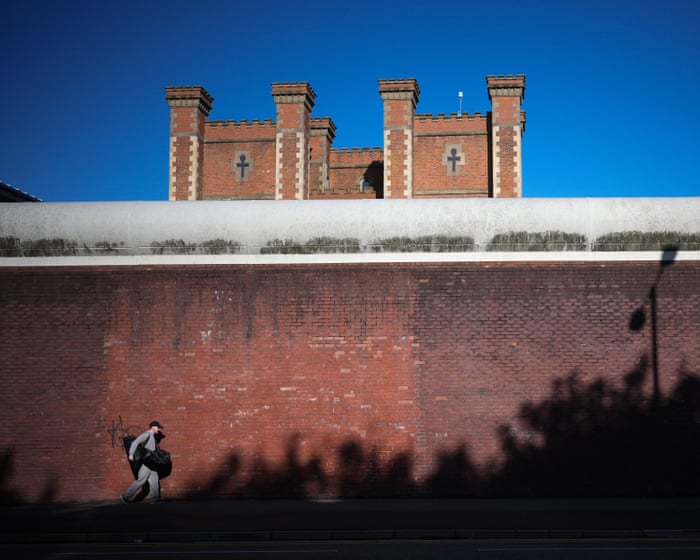
© Photograph: Bloomberg/Getty Images
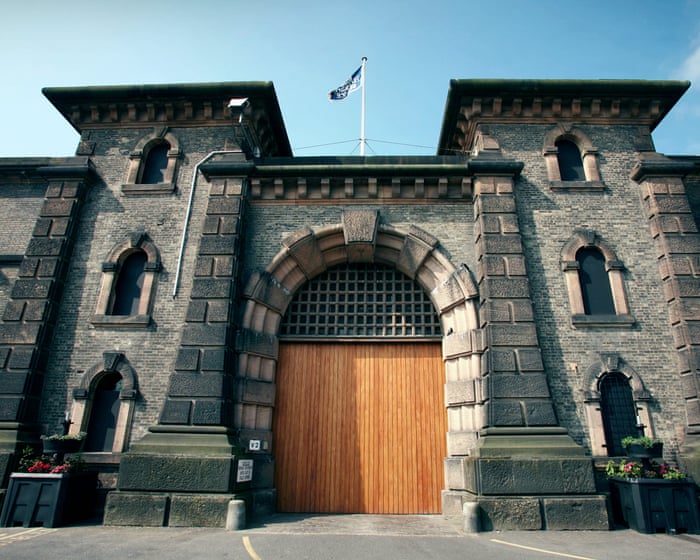
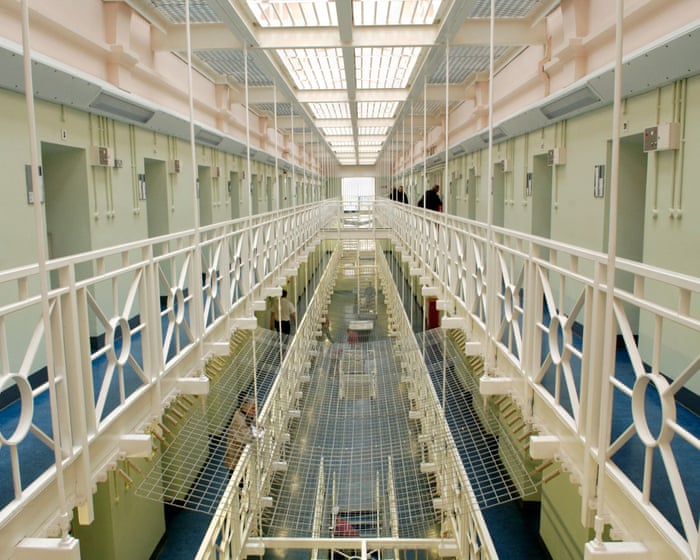
© Photograph: Bloomberg/Getty Images

  •  

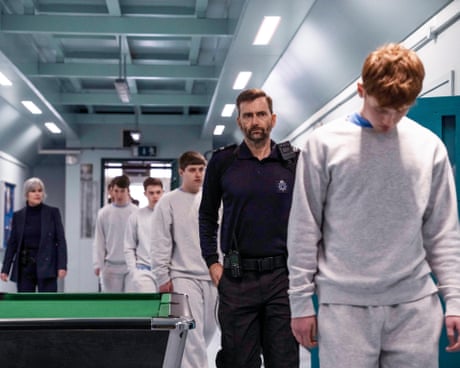
When you watch the acclaimed TV drama Time, remember this: I’ve seen inside our prisons and they are just as bleak | Alex South

The show depicts prisons as places characterised by violence and isolation, with no focus on rehabilitation. It’s depressingly accurate

The new series of Time is not an easy watch. The opening seconds of Jimmy McGovern’s prison drama show a normal woman on a normal bus, as it drives up a normal road. But to the right of that road is a huge concrete wall, topped with barbed wire and CCTV cameras.

The wall is only partly visible, just as prisons themselves tend to occupy a space towards the very edges of our thoughts. They exist, but not as part of normal life. But McGovern’s drama shows just how permeable that wall is.

Alex South is a former prison officer and the author of the memoir Behind These Doors

Continue reading...

© Photograph: PHOTOGRAPHER:/CREDIT LINE:BBC/BBC Studios/Peter Marley

© Photograph: PHOTOGRAPHER:/CREDIT LINE:BBC/BBC Studios/Peter Marley

© Photograph: PHOTOGRAPHER:/CREDIT LINE:BBC/BBC Studios/Peter Marley

  •  

Britain is addicted to prisons. Our crumbling probation service proves they don’t work | Polly Toynbee

The current system is unable to quench the public thirst for locking people up – and certainly doesn’t ensure proper care once they are released

Public services need more investment across the board. Every day, another wretched story. Look at the Institute for Government’s (IFG) Public Services Performance Tracker for a plain assessment of A&E corridor care, councils struggling to meet the demands of social care and the Send system, the courts backlog, GP caseloads or families lost in temporary accommodation. A chancellor approaching a budget is besieged by need. It’s easy for us journalists to pick out shock stories and claim each one is an absolute priority, but how should a chancellor choose?

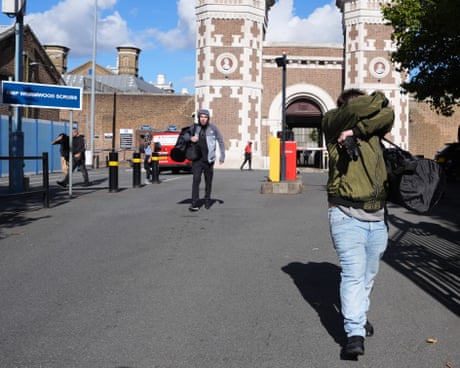
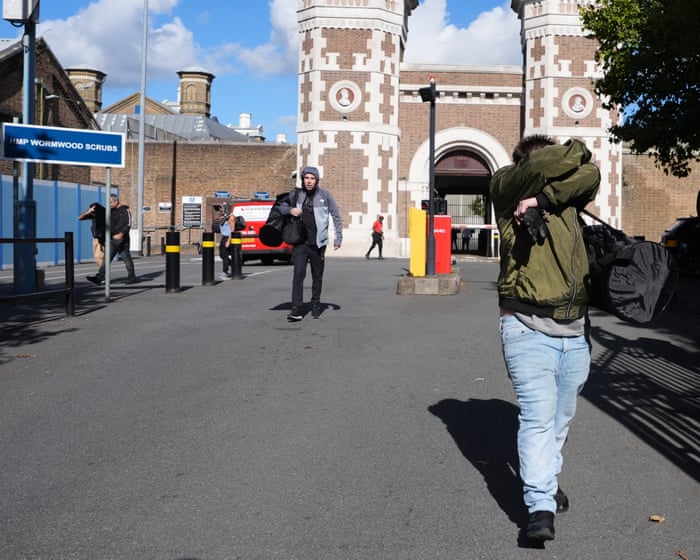
Today it’s the probation officers, whose conference in Newcastle is launching a ballot for industrial action. Their caseloads overflowed long ago, but now thousands of prisoners released early – 2,000 this month – have been thrust upon them. The responsibility is overwhelming, with officers blamed for crimes their clients commit.

Polly Toynbee is a Guardian columnist

Continue reading...

© Photograph: Christopher Furlong/Getty Images
© Photograph: Christopher Furlong/Getty Images
© Photograph: Christopher Furlong/Getty Images

  •  

‘Through the gate’: how sporting mentors can lead prisoners down a different path | Cath Bishop

Organisations such as 180 Project and Prison Run are helping to prepare prisoners for release with a fresh view on life on the outside

On the day 700 prisoners in England and Wales were released early, I was driving to Wolverhampton for an event organised by the not-for-profit group ConnectSport. It was to celebrate local sports clubs and initiatives that “help young people believe in themselves and realise what they’re capable of” as described by Ranjit Singh, a local legend in the world of wrestling, martial arts and Kabaddi.

I listened to several news cycles that detailed the risks of early release pitched against the intractable challenge of insufficient prison capacity. It was presented as a hopeless logjam with no solutions. Tagging was the only option mentioned as a way of reducing reoffending rates.

Do you have an opinion on the issues raised in this article? If you would like to submit a response of up to 300 words by email to be considered for publication in our letters section, please click here.

Continue reading...

© Photograph: James Mitchell

© Photograph: James Mitchell

© Photograph: James Mitchell

  •  

The Guardian view on probation: overcrowded prisons need an outlet | Editorial

To win support for early releases, the government will have to show that community supervision works

The early release of thousands of prisoners was bound to be awkward for a new prime minister. Politically speaking, Andy Burnham’s decision to exclude those convicted of manslaughter and some other offences made sense. But with about 2,000 offenders being freed this month, the risk is that by cutting the numbers, he has added to overcrowding problems inside. With the prison and probation services under huge pressure, and a ballot on industrial action expected, there is an urgent need for moves from the government to strengthen both.

Shielded from view as prisons are, and despite the efforts of campaigners and writers such as Jimmy McGovern to draw attention to them, conditions have been allowed to deteriorate to a shocking extent. The latest annual report from the prisons watchdog drew a dismal picture of rampant drug use, organised crime and governors wasting time on form-filling. It warned that the Prison Service’s managers appear to favour crisis management over improvement.

Do you have an opinion on the issues raised in this article? If you would like to submit a response of up to 300 words by email to be considered for publication in our letters section, please click here.

Continue reading...

© Photograph: Jeff Morgan 01/Alamy

© Photograph: Jeff Morgan 01/Alamy

© Photograph: Jeff Morgan 01/Alamy

  •  

Hundreds of early-release prisoners in England and Wales not being tagged, say MPs

Serco denies tagging failures as police and probation officers struggle to cope with influx of released offenders

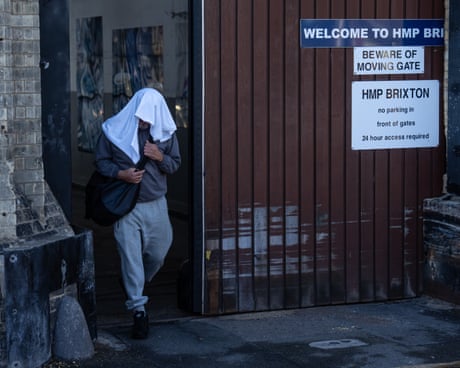
Hundreds of prisoners released early across England and Wales, including stalkers and violent offenders, are not being tagged, MPs have said, despite promises of the “toughest supervision in British history”.

As the government begins releasing a second tranche of 650 offenders to relieve prison overcrowding, police and probation officers have said they are struggling to cope with a new influx of offenders who are supposed to be monitored in the community.

Continue reading...

© Photograph: Mark Richardson/Alamy

© Photograph: Mark Richardson/Alamy

© Photograph: Mark Richardson/Alamy

  •  

Second wave of early prison releases under way in England and Wales

About 2,000 criminals are being freed this month to ease overcrowding, while probation union considers strike action

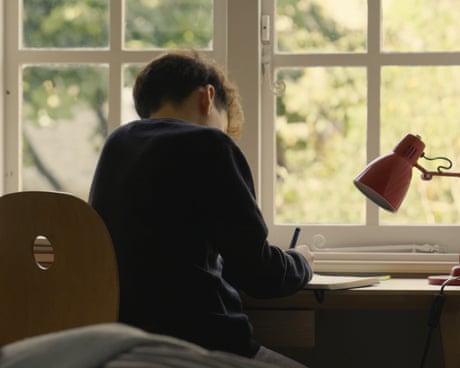
The second wave of early prison releases has begun, with hundreds of offenders walking out across England and Wales under the government’s controversial plan to ease overcrowding.

About 2,000 criminals, including domestic abusers and violent offenders, are being freed this month, with another 3,000 to follow in stages over the next year. The total was reduced from 6,000 after an intervention by Andy Burnham.

Continue reading...

© Photograph: Carl Court/Getty Images
© Photograph: Carl Court/Getty Images

© Photograph: Carl Court/Getty Images

  •  

Failure to fit tags left 5,000 offenders unmonitored in England and Wales, report finds

In first half of this year 1,600 tags also had no signal for over two weeks, highlighting scale of probation crisis

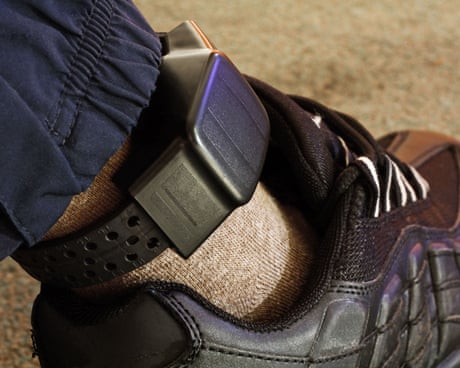
More than 5,000 offenders went unmonitored in the first half of the year because electronic tags were not installed, while 1,600 tags had no signal for more than two weeks due to faults, a report has found.

The Institute for Government (IfG) has revealed the full scale of the crisis in the probation system in England and Wales, concluding that “rationing probation supervision” due to a lack of staff meant sentences imposed by the court had become “essentially a fiction” for most offenders.

Continue reading...

© Photograph: Stocksolutions/Alamy

© Photograph: Stocksolutions/Alamy

© Photograph: Stocksolutions/Alamy

  •  

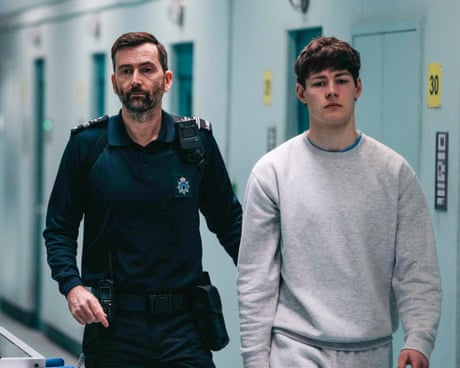
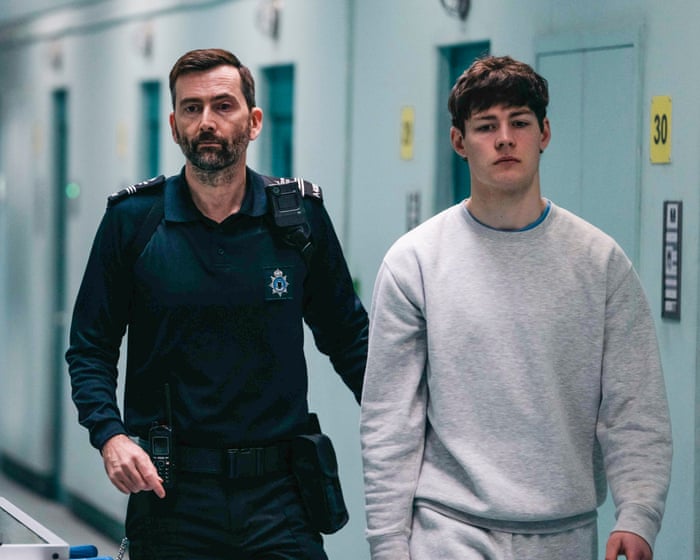
‘Me and the lads would not survive a day in here’: inside TV’s utterly stunning, Bafta-winning prison drama

The third series of Jimmy McGovern’s breathtaking series Time stars David Tennant – and might just be its best ever. We go behind the scenes

“I don’t think you would find a young offender institution (YOI) in which stories like these haven’t happened. Seventeen years of age, loads of energy, hormones, bravado – you know they’ll kick off. It must be an absolute nightmare.”

Yes, Jimmy McGovern has gone back to prison again. After two series of Time, which told stories from men’s and women’s institutions, he has turned his attention to perhaps the most distressing ones of all. Set in a YOI, it’s full of tales of bad decisions, directionless rage and lost potential at the most vulnerable of ages. If this third series is, as he suggests, the last, it is quite the curtain call.

Continue reading...

© Photograph: PHOTOGRAPHER:/PA

© Photograph: PHOTOGRAPHER:/PA

© Photograph: PHOTOGRAPHER:/PA

  •  

To reduce reoffending, prisoners need better support after release | Letter

Pavan Dhaliwal responds to an article on the early release of prisoners. Plus a letter from someone who works in a men’s open prison

Regarding your article (Prisoners thank Andy Burnham as they leave jail in first wave of early releases, 1 October), Michael Bogle’s story should make us ask a bigger question than whether prisoners are being released too soon.

Bogle, 38, has 100 convictions and has been jailed five times. He told the Guardian that he turned to shoplifting after becoming homeless, in order to eat. On leaving prison, he said that there was a risk he would shoplift again.

Continue reading...

© Photograph: Jonathan Brady/PA

© Photograph: Jonathan Brady/PA

© Photograph: Jonathan Brady/PA

  •  

Prison Letters: the teenager writing letters to jailed climate activists – documentary

A teenager struggling with climate anxiety searches for hope in an unexpected place – writing letters to imprisoned activists. Max, 14, is on a quest to understand the human stories behind direct action and why so many climate protesters are in prison​. As replies begin to arrive, a dialogue bridging generations unfolds and connection transforms despair into purpose. ​When Max writes to the judge presiding over a high-profile trial​, he is surprised to hear the letter referred to in the judge's closing remarks

Continue reading...

© Photograph: The Guardian

© Photograph: The Guardian

© Photograph: The Guardian

  •  
❌