❌

Reading view

As King Charles heads to the Caribbean, he should know that Winston Churchill admitted to imperial plunder 90 years ago | Kenneth Mohammed

Modern politicians play on tales of empire to exaggerate what Britain left behind, but the monarch should consider a historical speech on imperial plunder

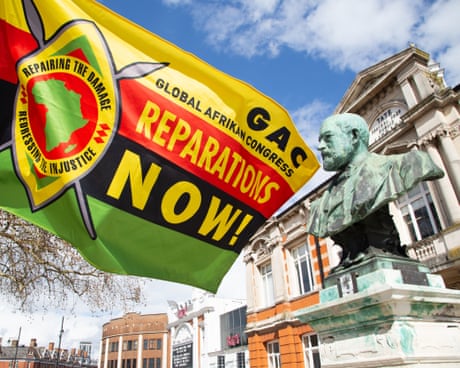
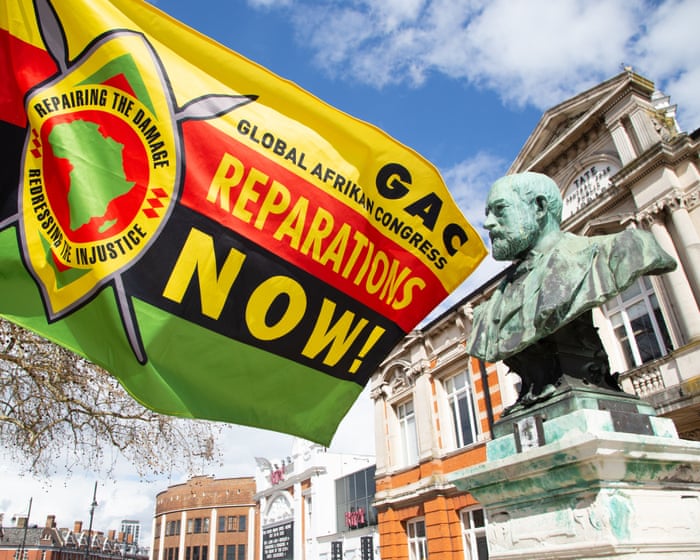
For us in the Caribbean, there is something surreal about Britain’s renewed nostalgia over empire. As Britain’s monarch prepares to visit the Caribbean, and at a time when we in the former colonies are demanding to have a serious reckoning with slavery and reparations, UK politicians are invoking a dumbed-down distortion of history.

Rewriting the facts: the Reform MP Robert Jenrick has argued that colonies owed Britain a “debt of gratitude” for the institutions empire bequeathed them. Jacob Rees-Mogg, a former minister in a Conservative government, has described British colonialism as “one of the greatest civilising, prosperity-creating forces the world has ever seen”. The opposition leader, Kemi Badenoch, has disputed colonialism’s contribution to Britain’s prosperity. Then there is Suella Braverman. The Reform MP suggested in July that rather than Britain paying reparations, former colonies should repay Britain for the investment and infrastructure provided under empire. This prompted Mia Mottley, the prime minister of Barbados, to call that proposition “asinine”. At best it is historical amnesia. At its worse it is an insidious misrepresentation of facts.

Continue reading...
© Photograph: Thabo Jaiyesimi/SOPA Images/LightRocket/Getty Images
© Photograph: Thabo Jaiyesimi/SOPA Images/LightRocket/Getty Images
© Photograph: Thabo Jaiyesimi/SOPA Images/LightRocket/Getty Images

  •  

‘Opening the lid of a horrible secret’: Jamaicans confront enslavement with taboo-busting stories on screen

As violent spirits are unleashed in Sky’s Possession, observers see confident creatives reclaiming the island’s narratives in a form of ‘cultural reparation’

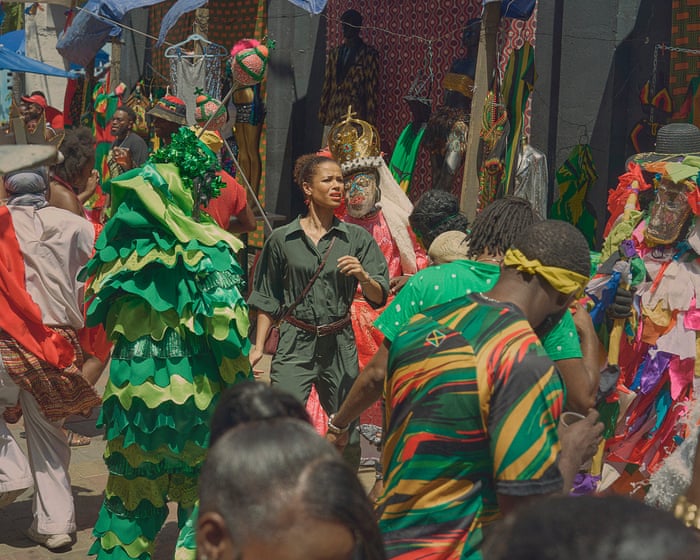
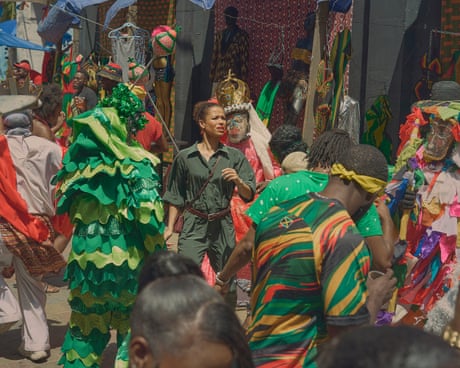
A woman opens a 300‑year‑old box, unleashing a violent spirit – it is the spirit of colonialism and oppression roaring back to life. It is a pivotal scene in Sky’s supernatural series Possession and symbolises a wider shift in Jamaica’s film industry, where directors are increasingly using the landscape to tell Jamaican stories – including those that confront enslavement, trauma and historical memory.

The series is about a biracial British lawyer who travels to Jamaica to investigate a multimillion-pound inheritance dispute, only to uncover a dark, vengeful spirit tied to the plantation’s brutal colonial past.

Continue reading...

© Photograph: Des Willie

© Photograph: Des Willie

© Photograph: Des Willie

  •  

The Register that shatters the myth of Britain’s role in profiting from enslavement

In this month’s newsletter: for Caribbean scholars, the evidence of how deeply slavery shaped Britain’s wealth has never been in doubt. Plus, heritage walks in Manchester

• Don’t get Cotton Capital delivered to your inbox? Sign up here

Welcome to this month’s Cotton Capital newsletter. I’m Ahmed Reid, coming to you from Jamaica, where I am programme manager for the Guardian’s Legacies of Enslavement team.

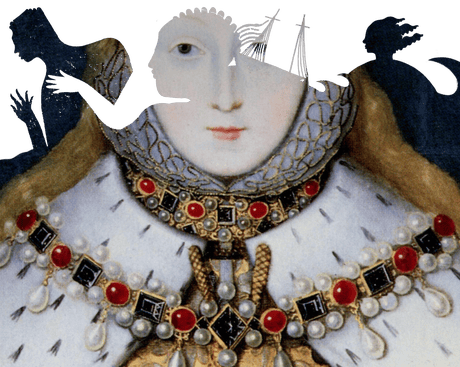
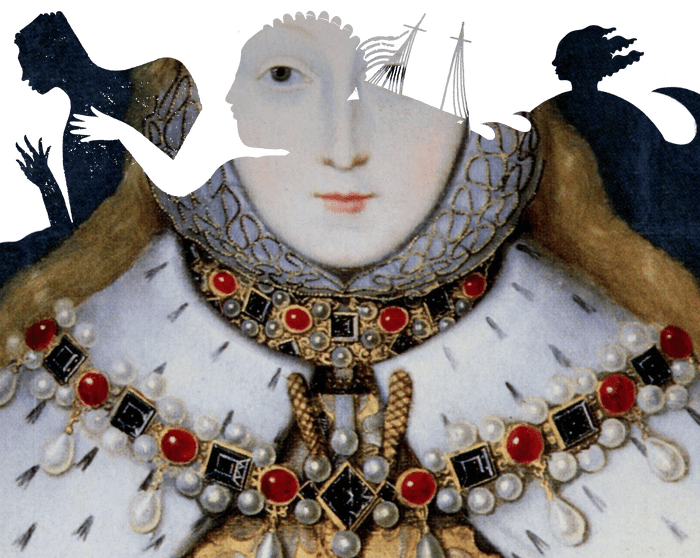
The recently published Register of British Slave-Traders, reported exclusively in the Guardian, lists 13,000 men and women who invested in and profited from the trafficking of more than three million enslaved Africans between 1563 and 1807.

Continue reading...

© Composite: Guardian

© Composite: Guardian

© Composite: Guardian

  •  
❌