❌

Reading view

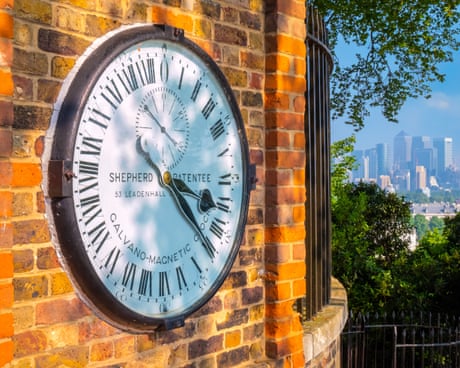
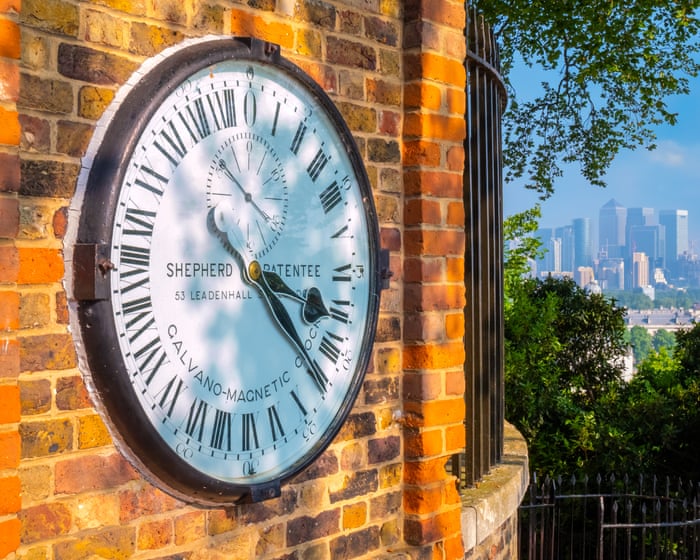
How an accelerating Earth led experts to adopt the leap hour

International delegates agree leap second no longer tenable, but first leap hour not likely to happen for thousands of years

After decades of discussion, quibbling and worrying about clocks in computer systems, the world’s official timekeepers have voted to replace what many viewed as a tiresome correction: the leap second. It’s time, they say, for the leap hour.

Delegates from 69 countries cast their votes on Thursday at a conference in France of the International Bureau of Weights and Measures, which ensures the world sticks to the same standards of time, weight, distance and more.

Continue reading...

© Photograph: coward_lion/Getty Images
© Photograph: coward_lion/Getty Images
© Photograph: coward_lion/Getty Images
  •  

Neanderthal remains may be earliest human ancestor find killed by a spear

Adult excavated in an Iraqi Kurdistan cave died more than 70,000 years ago and bears ‘kill shot’ shoulder wound

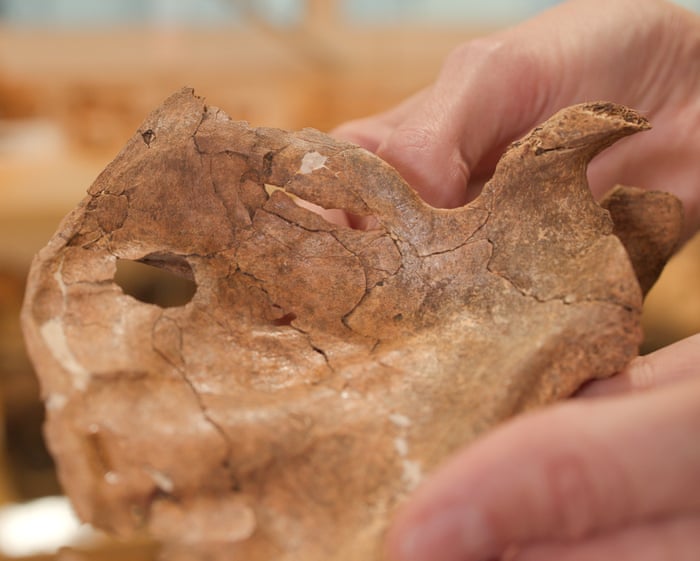
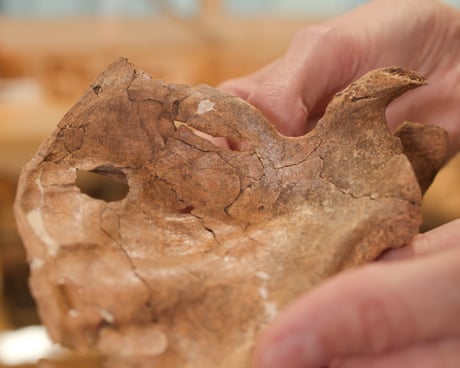
A smooth round hole in the shoulder blade of a Neanderthal who died more than 70,000 years ago may be the oldest evidence so far of a human ancestor being killed by a wooden spear.

Archaeologists spotted the distinctive injury after excavating skeletal remains of the adult and other Neanderthals from under nearly 8 metres of rock and sediment in the Shanidar cave in Iraqi Kurdistan.

Continue reading...

© Photograph: University of Cambridge

© Photograph: University of Cambridge

© Photograph: University of Cambridge

  •  

Could AI ‘change the stakes’ in the development of bioweapons?

Experts say the technology could help terrorists and nation states with production but that significant hurdles remain

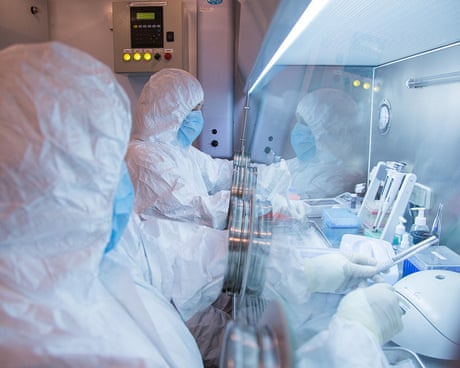
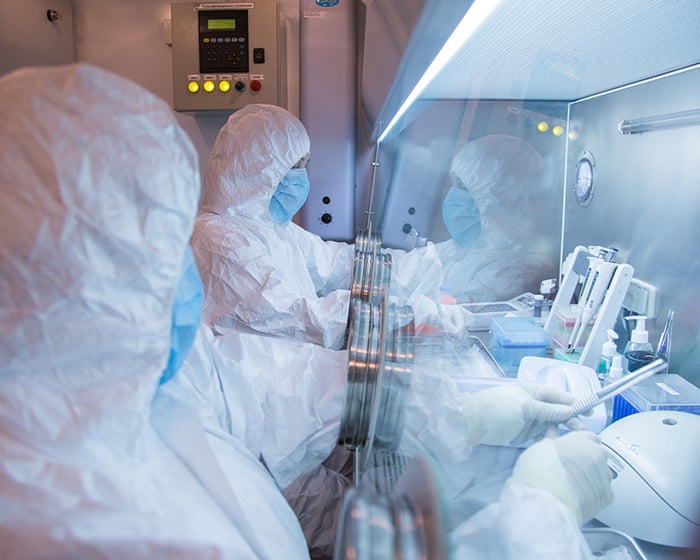
In his annual speech on threats to the nation, Sir Ken McCallum, the head of the UK’s intelligence service, MI5, warned that AI had the potential to “change the stakes” on existing and even new bioweapons. Here we look at how AI might help in the development of bioweapons and the hurdles that remain.

Continue reading...

© Photograph: The Irkutsk Anti-Plague Research Institute of Siberia and Far East/AP

© Photograph: The Irkutsk Anti-Plague Research Institute of Siberia and Far East/AP

© Photograph: The Irkutsk Anti-Plague Research Institute of Siberia and Far East/AP

  •  

‘I want to do everything I can to head off dementia’: why demand for the shingles vaccine is soaring

Could a drug intended to prevent painful rashes also protect our brains as we get older? The signs are promising – but not conclusive. Yet that’s enough to be driving a boom in shingles jabs

When Jenny, a 50-year-old marketing and branding professional from Cambridge, went for her shingles vaccine last year, an entirely different disease was on her mind. Having witnessed three of her four grandparents succumb to dementia, with all the distress that brought, she wants to avoid the same fate. She hopes the shingles vaccine might help.

Jenny is far from alone. Britain’s high street chemists have reported a rise in demand for the shingles vaccine, at least some of which is driven by people more worried about dementia than shingles. And while the vaccine is free for some on the NHS, most under-65s pay around £450 for the full two doses.

Continue reading...

© Illustration: Grace Russell/The Guardian

© Illustration: Grace Russell/The Guardian

© Illustration: Grace Russell/The Guardian

  •  

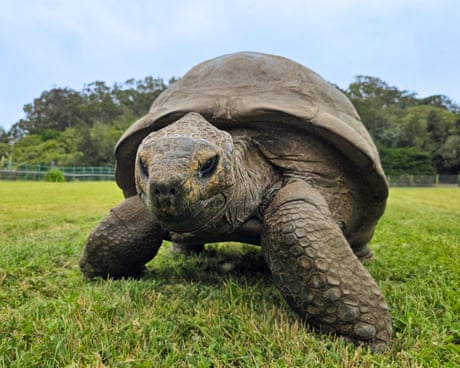
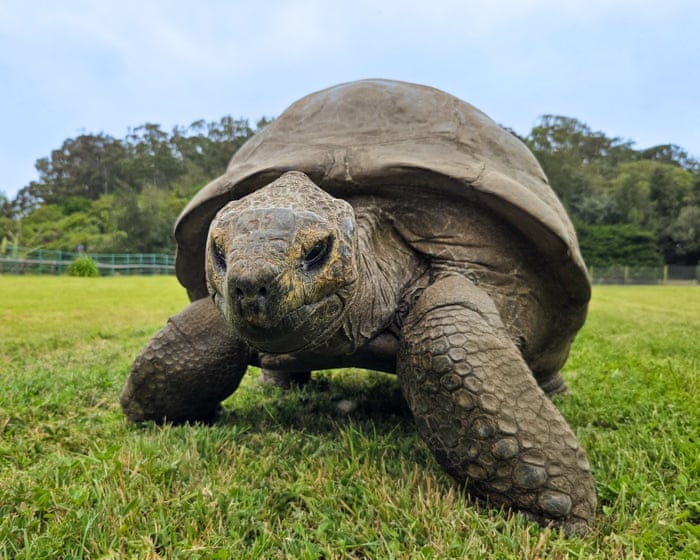
Jonathan the giant tortoise, 194, offers up insight into secrets of longevity

DNA analysis of oldest living land animal reveal patterns on genes that appear to protect functioning of mitochondria

The ancient quest to extend human lifespan has received a boost after scientists analysed the genetic code of the world’s oldest living land animal, a giant tortoise called Jonathan.

The tortoise, which lives in the grounds of Plantation House, the official residence of the governor of Saint Helena in the South Atlantic, is believed to be 194 years old, making him a contemporary of Queen Victoria and Charles Darwin.

Continue reading...

© Photograph: St Helena Government, Communications Hub

© Photograph: St Helena Government, Communications Hub

© Photograph: St Helena Government, Communications Hub

  •  
❌