❌

Reading view

Tesla turns to 50-year-old stunt technology as it tries to Roadster again

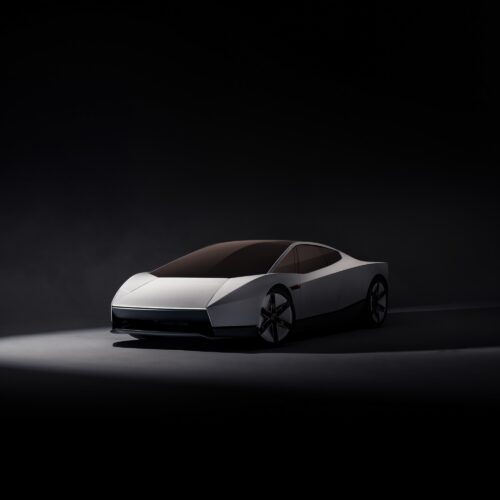
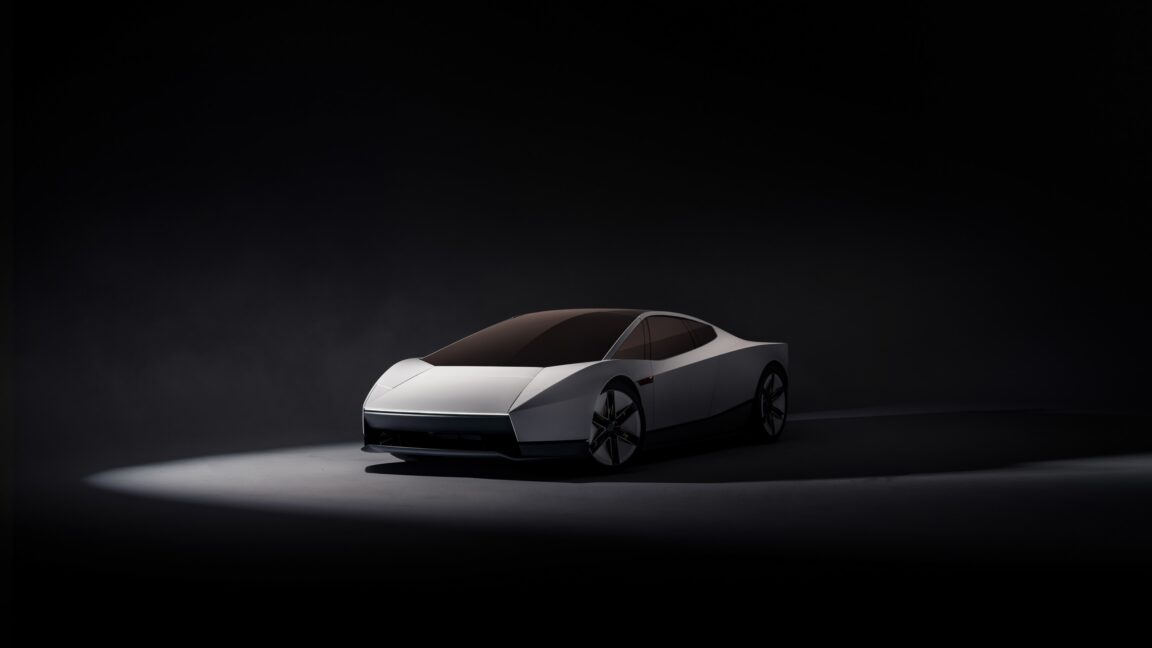
Nine years after first trying to resurrect the Roadster, Tesla is apparently trying again. CEO Elon Musk might have relocated its HQ to Texas, but yet again he has returned to California’s showbiz industry to hawk his wares; last time it was a Hollywood back lot for the remote-controlled Cybercab demo, last night it was decades-old stunt technology to make a show car do tricks in the air.

The new Roadster, we’re told, will be unlike anything else, although the angular, wedge-shaped styling owes more than a little to Giorgetto Giugiaro’s original Lotus Esprit—Musk is known to own a James Bond prop car—as well as the more recent Lamborghini Gallardo. At the rear are four giant exhaust pipes; these do not signal Tesla’s sudden embrace of hydrocarbons beyond those emitted by private aviation.

Rather, it’s where 100,000 psi jets of compressed nitrogen shoot out. It’s early in the morning and the Federal Motor Vehicle Safety Statutes are dense reading, so I am yet to find the section where it explains how and when it’s legal to use such a thing on the road.
Read full article

Comments

© Tesla

  •  

Above the 911? Porsche previews a new mid-engined supercar.

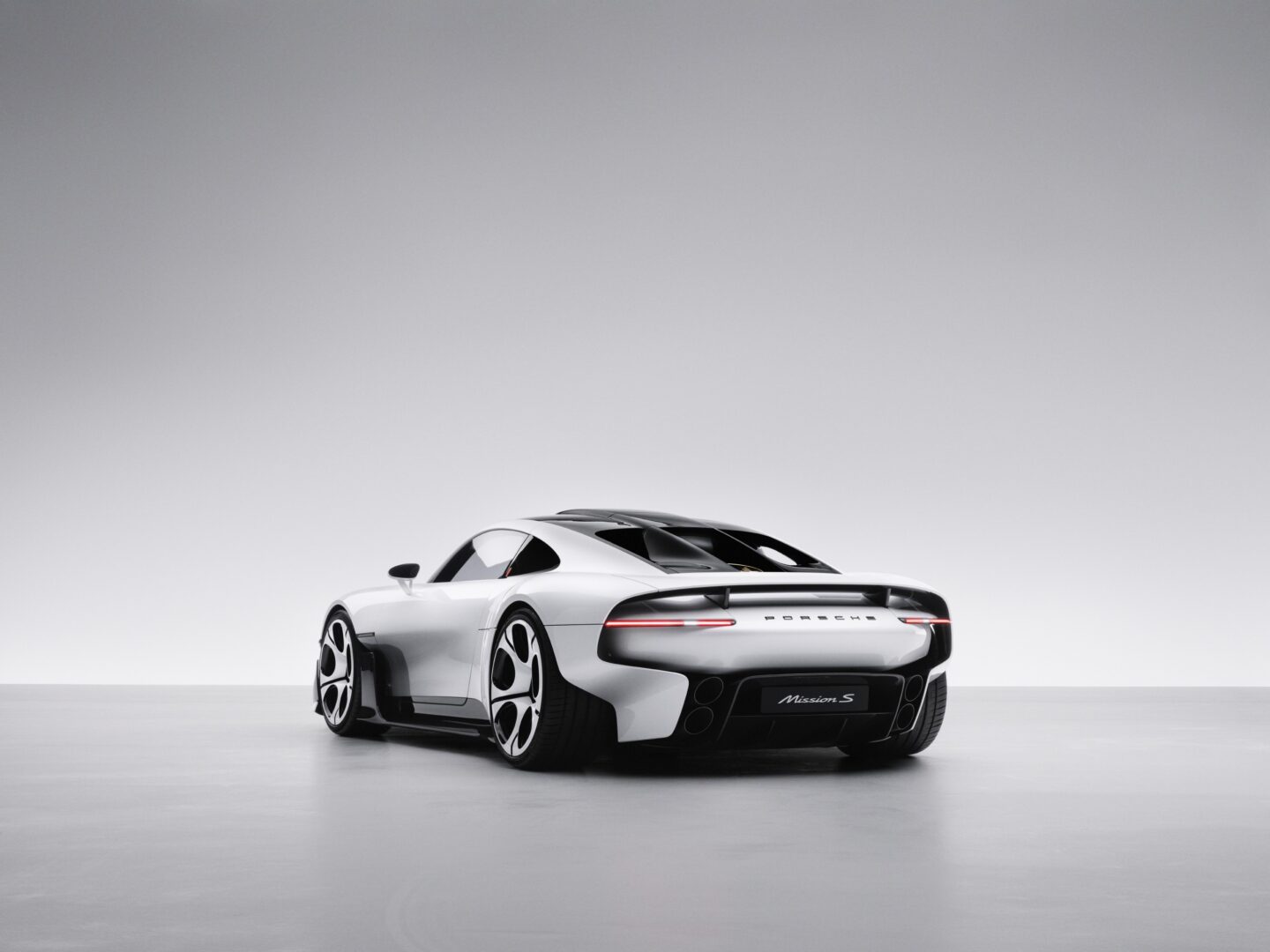
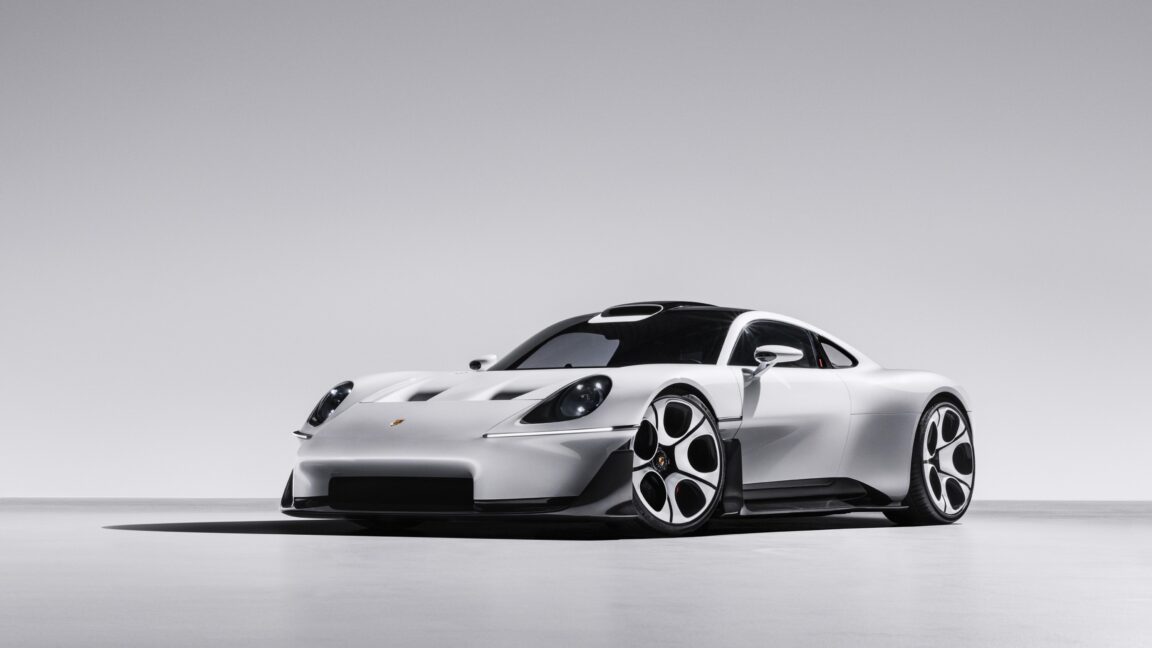
Porsche showed us a preview of a new model this afternoon as it unveiled the Mission S concept in New York. It’s a mid-engined sports car that will slot into the Porsche range above the 911. But this won’t be a limited-run car like the Carrera GT or 918 Spyder—instead it will be a regular production model, part of Porsche’s plan to dig itself out of a financial hole by 2035.

Things have been tough for the German automaker of late. Just three years ago its profit margin was the envy of the industry at 18 percent; last year it collapsed to just 1 percent. It has recovered a little since then, and Porsche’s board has a plan to get back to double-digit margins by 2035, called “Sportwagenschmiede '35,” which involves prioritizing “value over volume,” with greater individualization for customers—and the associated higher selling prices that come with it.

A white Porsche concept car Note the quad exhausts—will this be powered by a flat-8? Credit: Porsche
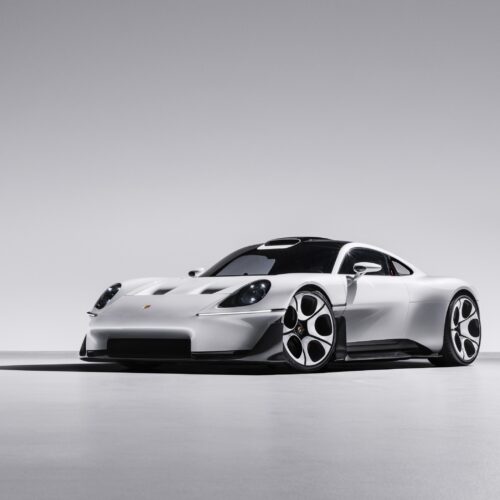
“We are pursuing a clear plan with our strategy Sportwagenschmiede '35. The ultimate goal is to further strengthen our unique sports car brand–across all model lines and with new, highly desirable models in particularly high-margin segments,” said Porsche Chairman Michael Leiters.

Read full article

Comments

© Porsche

  •  

Software development and rules stability: Prototype racing in 2030

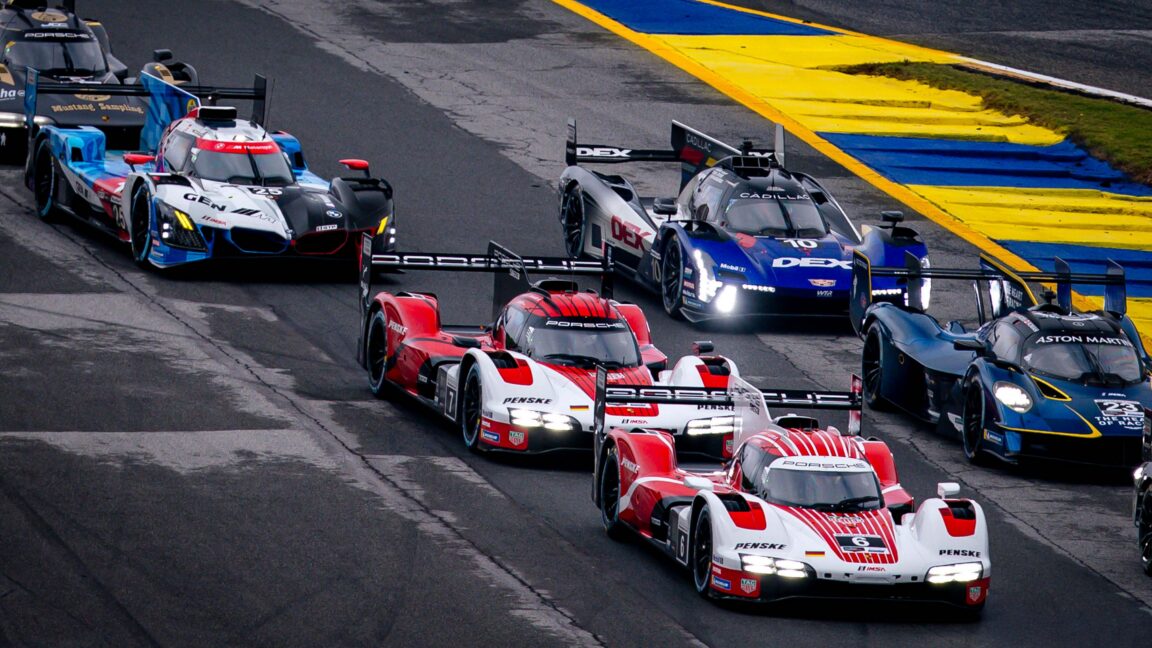
The rising tide that has been the Drive to Survive effect has lifted more boats in motorsport than simply Formula 1’s. Sportscar racing is enjoying its own surge in popularity internationally at races like Le Mans in France, but also in North America in IMSA’s WeatherTech Sportscar Championship. For one thing, multi-hour, multi-class racing lends itself better to the age of streaming and second screens than it did linear broadcast TV, and fans are taking advantage of that: IMSA’s audience grew by more than a third domestically and almost a quarter internationally last year.

Having some of the coolest-looking cars racing today certainly helps, whether that’s the (mostly) hybrid prototypes or the GTs, racing versions of road-going cars from Porsche, Ferrari, and others. And it definitely helps that fan access at the races is virtually unmatched, with open paddocks and grid walks that now see huge crowds get up close to the cars just before the start of each race.

“I think we're just scratching the surface,” said IMSA President John Doonan. “I think besides the people that are here on the ground, the people watching, people engaging with us on social media, I'm seeing the passion come out more. Just on the grid walk, these fans coming up and being so excited to be here.” The series has certainly been making an effort, among other things getting local high school students exposed to the industry and starting a partnership to train more mechanics with ASE.

Read full article

Comments

© Porsche

  •  

The Paris Auto Show is full of interesting cars Americans can’t have

Perhaps the days when auto shows debuted new models aren’t entirely over. The big trade shows for cars were a gateway drug for many, expos where you could see the newest models of today and the concepts of tomorrow. But automakers increasingly got tired of sharing the spotlight with each other. New reveals moved offsite to events the night or even the week before the show itself. One by one, brands pulled out of auto show after auto show until there was little left to see. And then the pandemic hit.

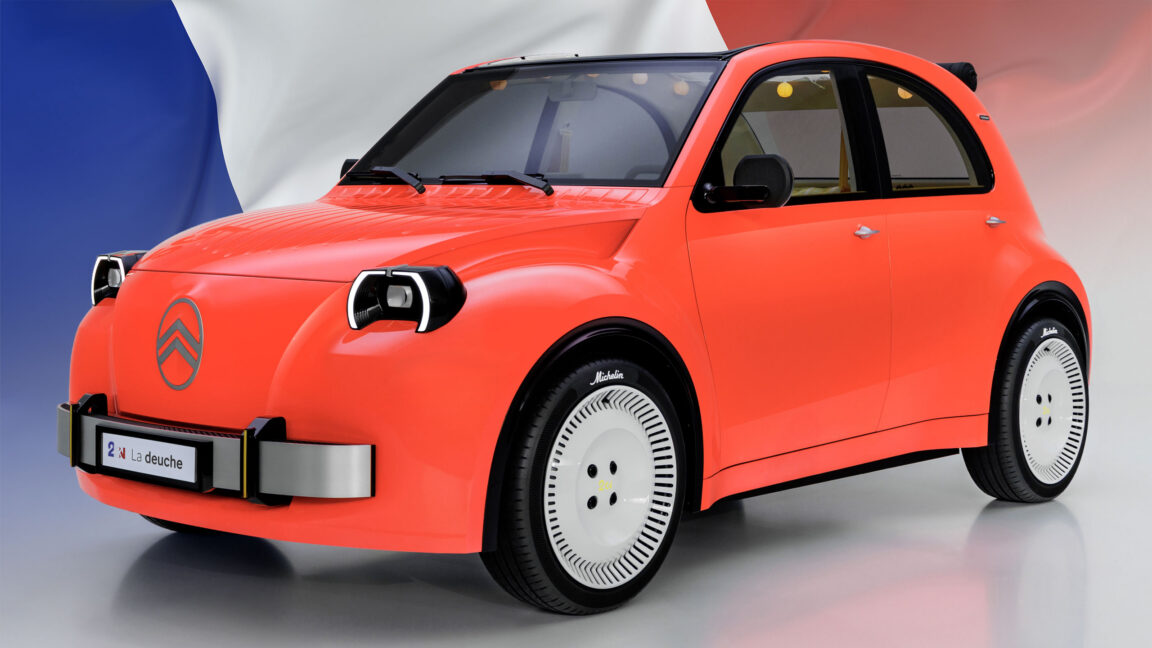
But the news out of Paris, where its auto show held media day yesterday, seems like we stepped back into a time when automakers would debut new cars aplenty. That retro vibe extends to the cars themselves, with plenty of familiar nameplates reimagined.

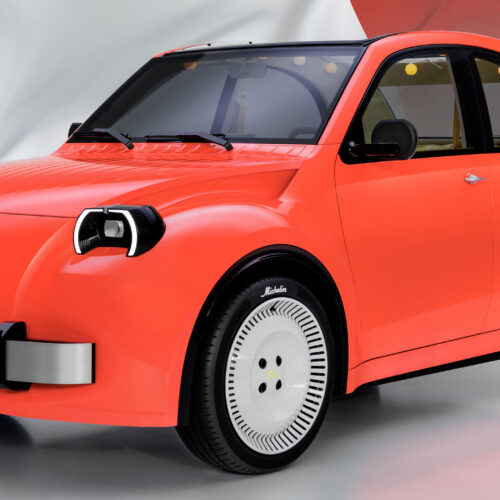
France’s Renault has a long and glorious history of delightful concept cars, and more on what it brought to Paris later. But the star of the show was arguably Stellantis, with strong work from Citroen, Peugeot, and Fiat, to name but three. But this article is meant to irritate you, because I’m pretty sure none of the stuff you’re seeing here will come to the United States. And it’s doubly irritating considering what Stellantis’ brands do offer us over here, doubling down on the same malign trends I saw back in 2020: did you know they’re about to relaunch a V8 Hellcat-powered Charger?

Read full article

Comments

© Citroën | Getty Images

  •  

F1 in Singapore: There's a new fastest car now

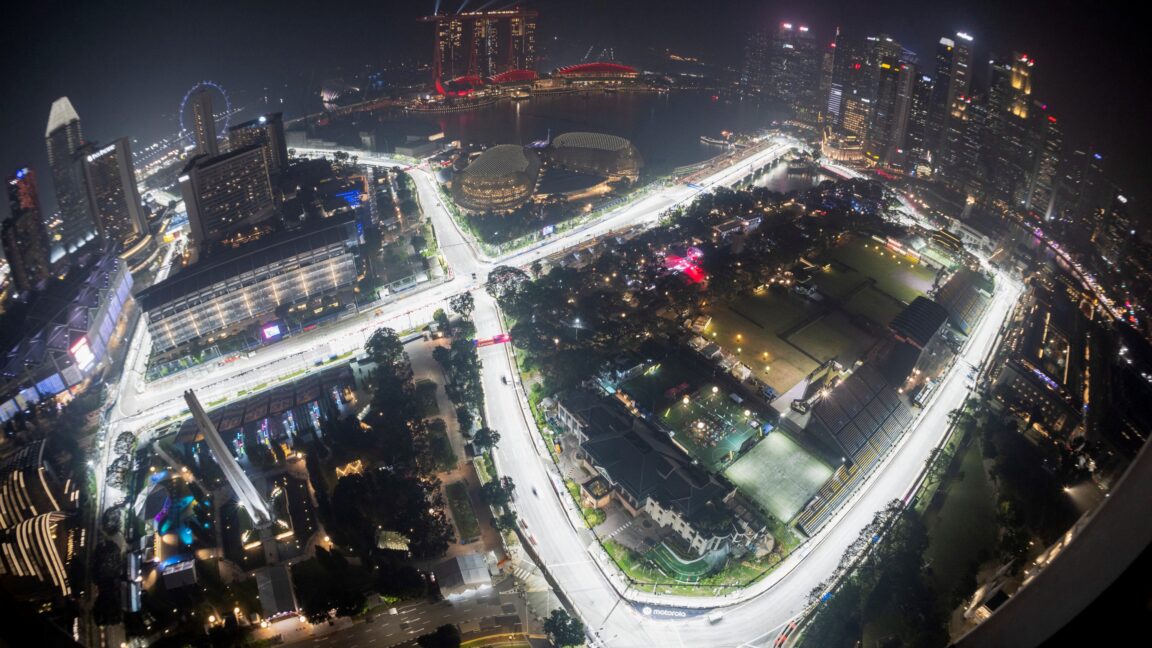
Formula 1’s lengthy 2026 season is entering its final stretch. The sport took to the floodlit streets of Singapore on Sunday night, but Saturday saw action, too; this Grand Prix weekend was also the final of six sprints this year. The night race might be one of modern F1’s greatest spectacles. From overhead shots, the track becomes a bright, illuminated ribbon among the looming darkness of the city-state’s overpasses and skyscrapers. At ground level, the cars shower glittering sparks from their titanium skid blocks as the drivers flirt with how close they can get to the walls. As tracks go, the 90-degree turns and concrete barrier-lined streets were a world away from the abrasive tarmac and ample runoff of Malaysia last time out. But the tropical heat and humidity were a constant given both locations’ proximity to the equator.

Showers for the sprint

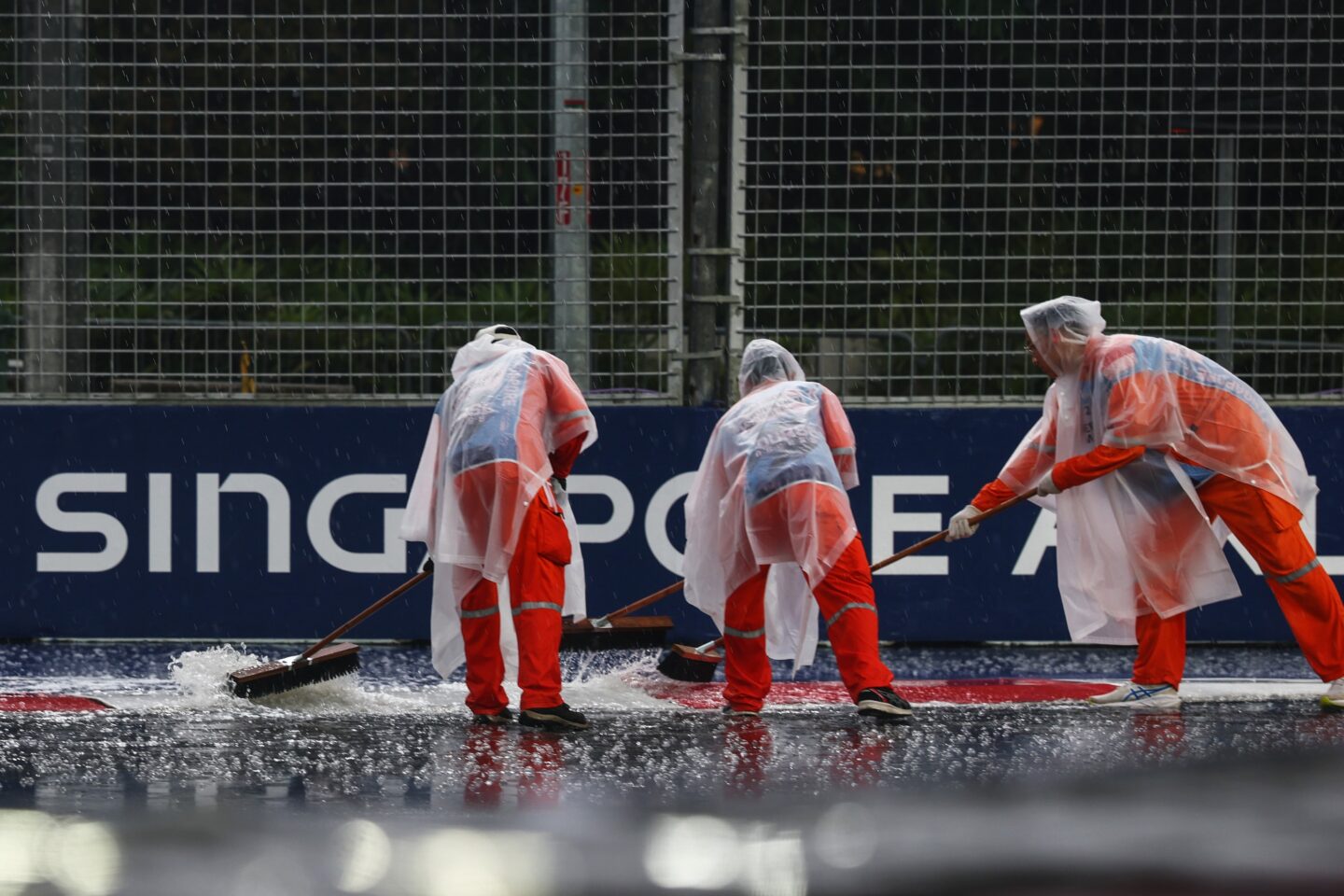
In Malaysia (which was still technically the Bahrain GP), a pre-race downpour disrupted things mightily. On Saturday morning in Singapore, shortly before the start of the sprint, it seemed history was about to rhyme when the skies opened. With standing water in places on the track, the sprint was delayed by 30 minutes. The sprint format, where a short extra race replaces a practice session a day before the main event, is unloved by the drivers and teams. For one thing, there’s little prestige in winning Saturday’s sprint. And with qualifying just a few hours later, risk-taking is discouraged lest one wreck the car and ruin Sunday’s race a day early.

SINGAPORE, SINGAPORE - OCTOBER 10: Marshals sweep away the standing water on track as the rain falls prior to the Sprint ahead of the F1 Grand Prix of Singapore at Marina Bay Street Circuit on October 10, 2026 in Singapore, Singapore. (Photo by Mark Thompson/Getty Images) Oh no, not again! Credit: Mark Thompson/Getty Images
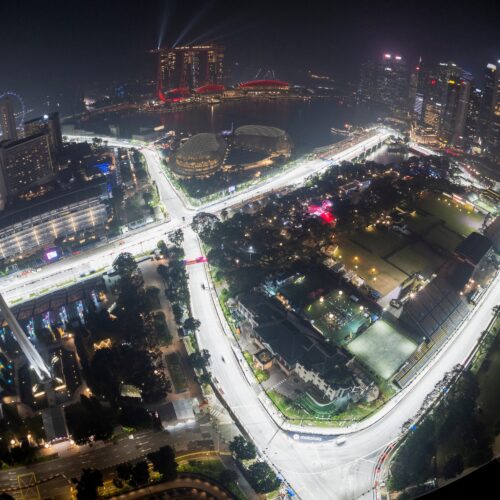
And in Singapore, like most street circuits, the proximity of the unyielding barriers that line the track means there are real, punishing consequences for getting it even a little wrong.

Read full article

Comments

© Then Chih Wey/Xinhua via Getty Images

  •  

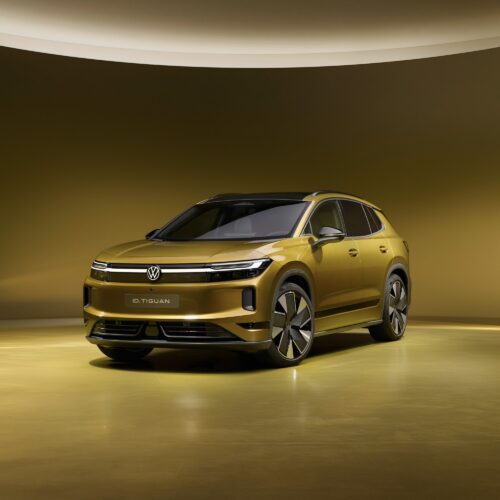
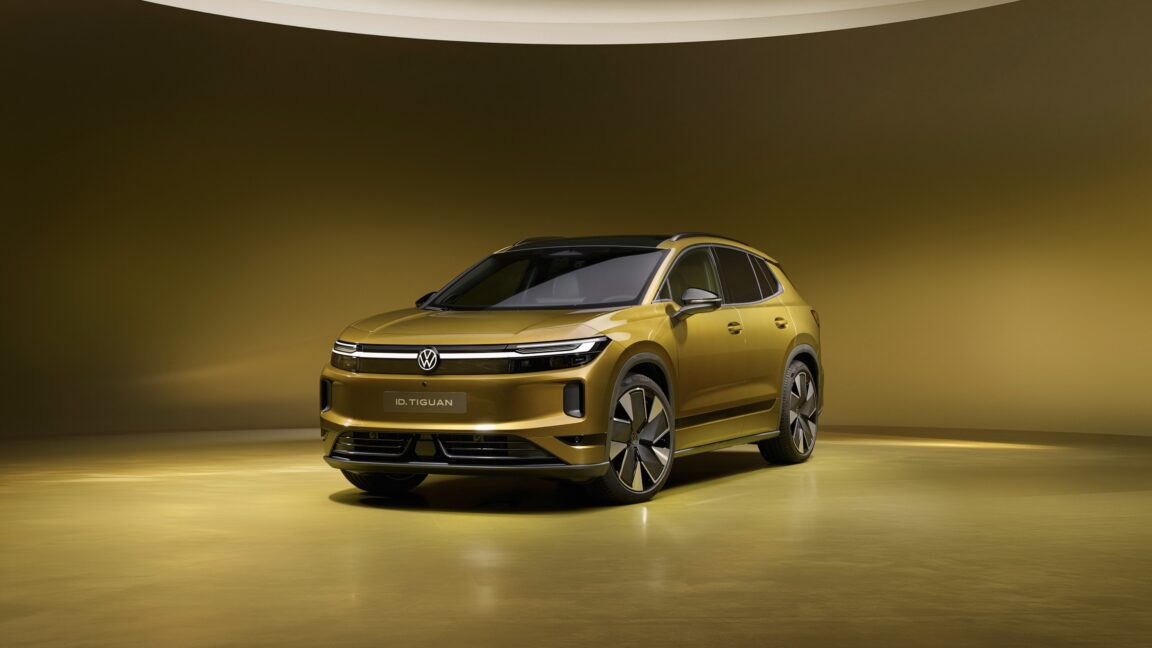
Volkswagen's replacement for the ID.4 crossover is here

Volkswagen’s ID.4 is no more. The midsize crossover debuted in 2021, one of VW's first new electric vehicles designed in the wake of dieselgate. A year later, the company began local production in Chattanooga, Tennessee, and a couple of years ago facelifted the model, adding a much-improved rear drive unit in the process. But Chattanooga turned its attention away from the ID.4 earlier this year. And, having sold almost a million ID.4s (and near-identical ID.5s) globally, the German automaker has decided it’s time for its replacement. Meet the ID. Tiguan.

Dropping the numerical and adopting the moniker of VW’s big seller is a statement. “The Tiguan is our best-selling model worldwide, and the ID.4 and ID.5 are among our most successful electric cars. The ID. Tiguan brings these two success stories together,” said Thomas Schäfer, CEO of the VW brand.

VW was an early pioneer of using flexible vehicle architectures to create a multitude of bodystyles and sizes with common parts, and its transition into building EVs hasn’t changed that. The ID. Tiguan uses an updated version of the company’s mass-market EV platform, now called MEB+, with either 58 kWh or 77 kWh battery packs. The smaller pack is only available with a 187 hp (140 kW) rear electric motor, but the 77 kWh battery can be had with either a 281 hp (210 kW) rear-wheel drive powertrain or as a 295 hp (220 kW) all-wheel drive version. Range is up to 373 miles (600 km), at least according to the European WLTP test.

Read full article

Comments

© Volkswagen

  •  

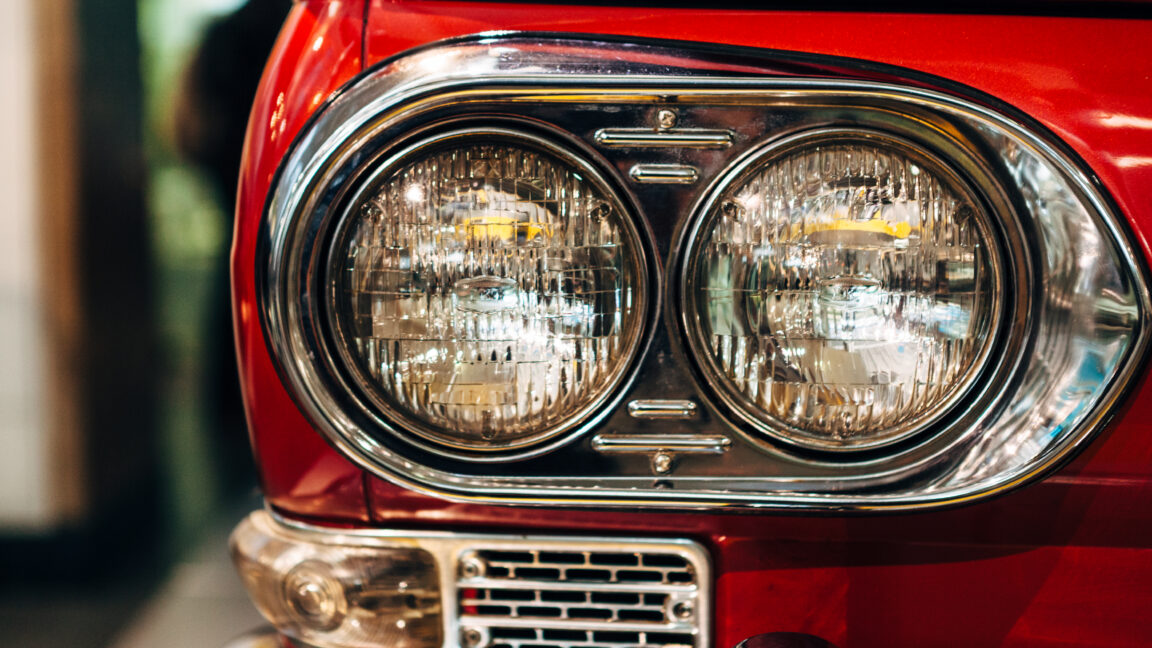
Feds get ready to rewrite car headlight rules

One of the regulations that make vehicles in the US different from those in Europe or Japan is our headlight rules. They’re laid out in the Federal Motor Vehicle Safety Standards (FMVSS), and changing them is—or used to be—a lengthy, laborious process, which is a major reason automotive lighting technology has lagged in the US. But the current administration says it’s time for “bolstering driver safety, slashing red tape, and embracing new technologies,” so it’s going to start a negotiated rulemaking process to rewrite the regulations to suit 2026.

“Today’s standards do not allow automakers to deploy the latest safety-improving lighting technologies, so we are bringing key experts and stakeholders together to modernize our standards and address potential causes of glare,” the National Highway Traffic Safety Administration's Jonathan Morrison said. “This collaborative approach will allow us to update outdated regulations, foster innovation, and keep everyone on our roads safer.”

While it is fair to be skeptical of the government's efforts to streamline bureaucracy, it is also fair to say US headlight regulations really could use an update.

Read full article

Comments

© Getty Images

  •  

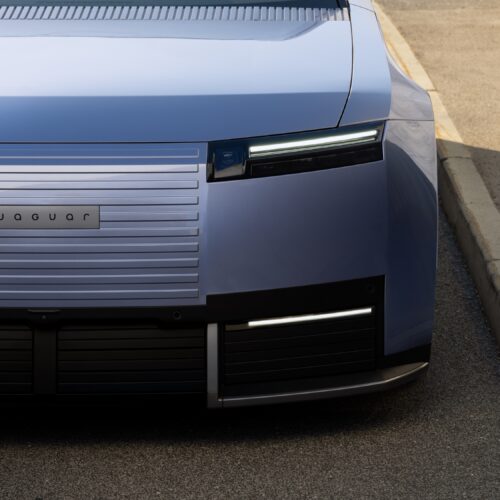
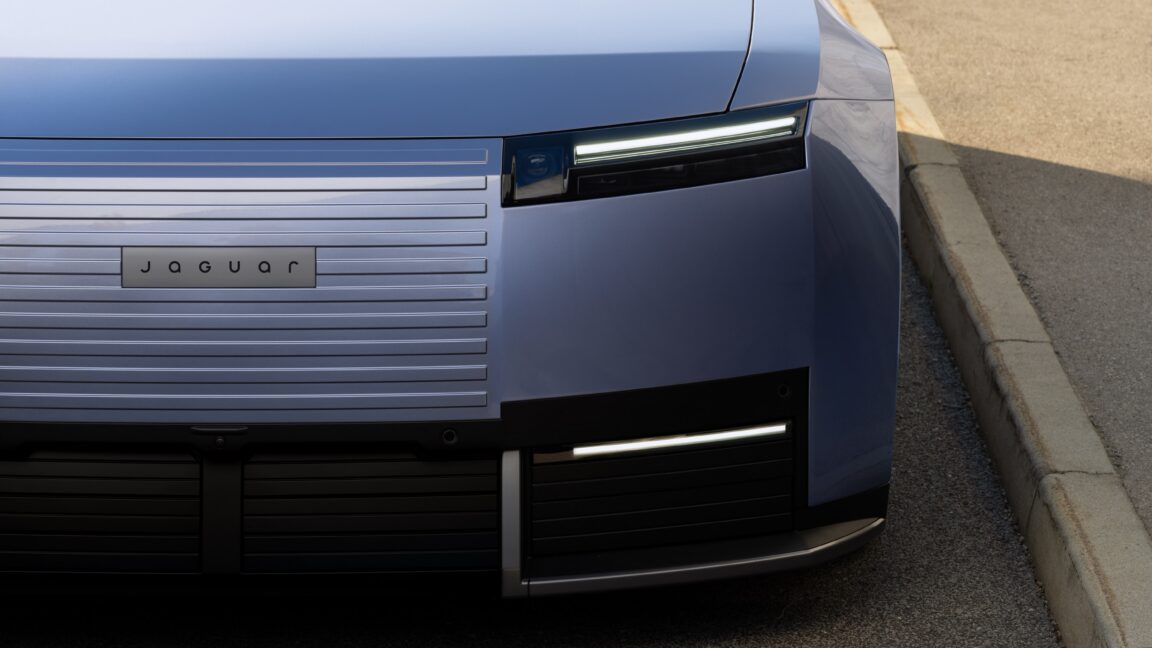
Jaguar Type 01 debuts; now, no one remembers the electric Ferrari

Does it feel like people are perhaps a little grumpier or more on edge these days? It’s not like it’s without reason. There are wars. The climate is going haywire. Someone just died of plague. Scientific research is under attack. Machines keep stealing humans’ work. The media is a mess. And just when it all starts to feel a little overwhelming, Jaguar goes and unveils a new car.

The Type 01 is the first model to arrive from Jaguar’s rebirth. The British carmaker was an early entrant to the modern EV market with the 2017 I-Pace, which was fun to drive even if it was too small inside and perhaps completely unreliable. An all-electric sedan was supposed to be next, but a year from the showroom, it was abruptly canceled, leaving the automaker with nothing to sell as old models like the F-Pace ceased production.

Instead, Jaguar got to work on an all-new electric vehicle platform called JEA, which will underpin an all-electric product line. An elevated ownership experience and a starting price of about double the brand’s previous $60,000 entry point was the idea, Jaguar boss Rawdon Glover told me in 2024. Then last year the brand started teasing its relaunch, and everyone got upset. Things got even worse when the first images of the slab-sided and pastel-shaded Type 00 coupe concept leaked.

Read full article

Comments

© Jaguar

  •  

AI/ML is becoming a performance factor in motorsport

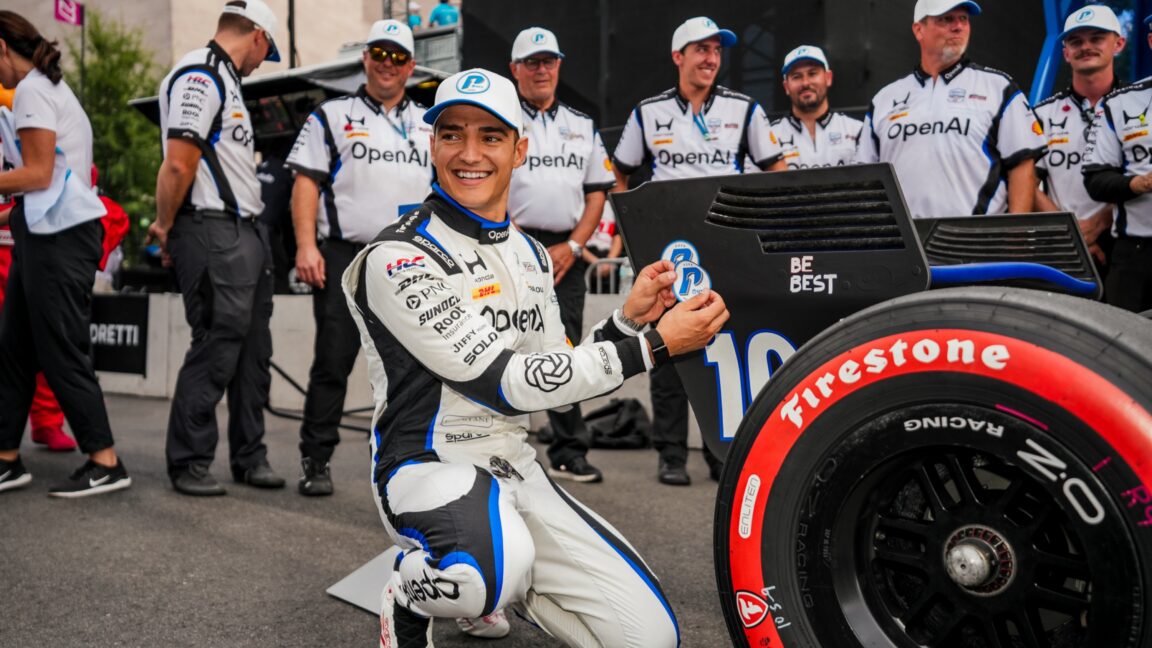
There’s been something of a change in the world of motorsport over the past few years. It has to do with where the money comes from. In the old days, it was tobacco and, to a lesser extent, booze. Today such things are mostly banned, and when you look at a racecar covered in sponsor logos, you’re likely to see something crypto-, cyber-, or AI-related.

This makes sense—an ever-larger share of our GDP is wrapped up in those segments. They’re the ones with all the money, and it takes money to go racing. So at the amateur level, we’ve seen tech CEOs replace dentists as the privateer of choice: This past weekend’s Petit Le Mans included co-founders of GitHub, CrowdStrike, Shopify, and the creator of Ruby on Rails, to name a few.

But this is an instance where a sponsor can provide tangible benefits to their motorsports partner beyond a bank transfer, as Chip Ganassi Racing (CGR) and OpenAI have been showing in IndyCar this year.

Read full article

Comments

© Chip Ganassi Racing

  •  

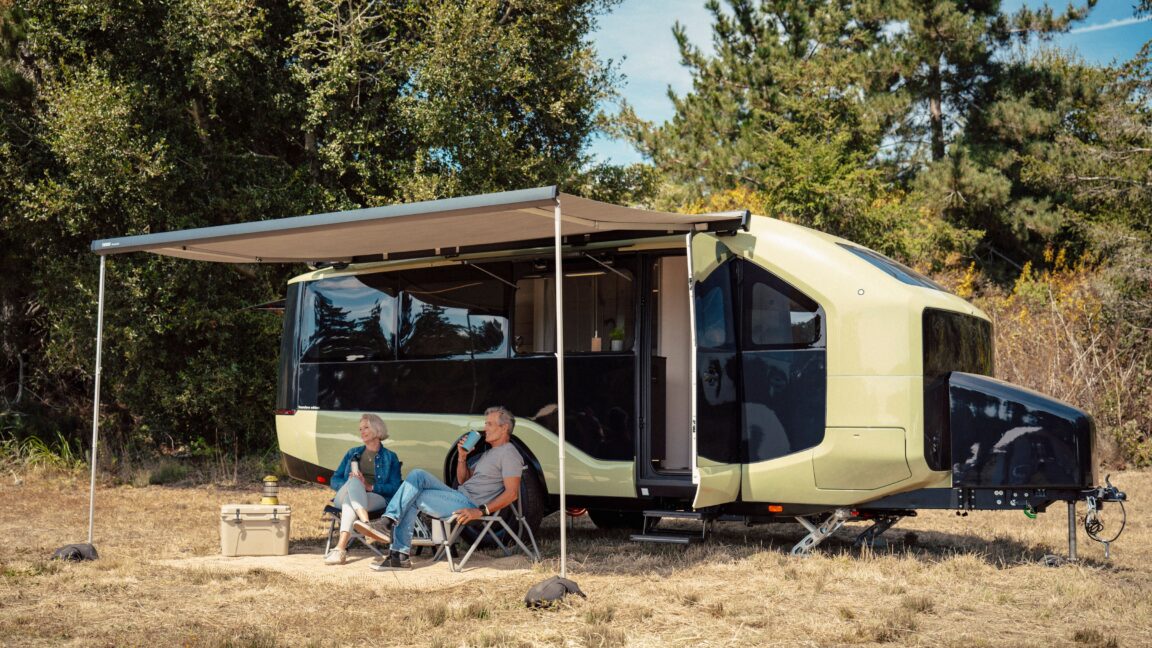
All-electric camping gets a solar upgrade: The 2027 Pebble Flow

There is, I think, a pent-up demand for bringing electrification to camping. Anyone who’s had their sleep disturbed by the sound of someone else’s generator running at night would probably agree.

Certainly, any time we cover an electric van, comments are filled with people wondering if and when a camper conversion might appear. Kia showed off such a concept a couple of years ago, as did Winnebago, and Volkswagen is adding a camper trim to its electric ID. Buzz. And then there’s the world of trailers. Colorado Teardrop sadly didn’t make it, and some other electrified trailers remain in development. But for a couple of years, you’ve been able to buy the Pebble Flow. And for 2027, it’s getting an update.

Introduced in 2025, the streamlined Flow is built atop a 45 kWh LFP battery pack that, for 2027, can be recharged by up to 4 kW of solar panels, which Flow says should be sufficient to generate more electricity than you’ll use in an average day of camping. Earlier Flows could be specced with an optional 1.1 kWh panel on the roof; the new kit adds another 2 kWh via four portable panels.

Read full article

Comments

© Pebble

  •  

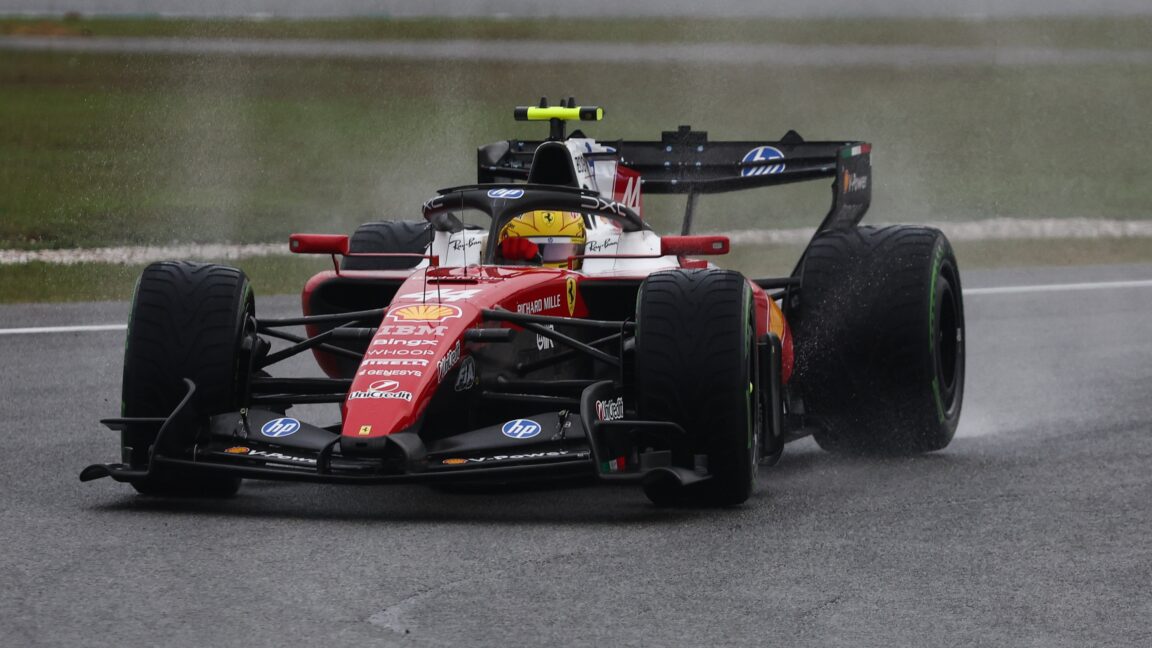
F1 in Bahrain... in Malaysia: The race needed a software update to start

Well, it’s safe to say no Bahrain Grand Prix has been affected by torrential rain quite like the 2026 race.

For one thing, it was held several thousand miles from Bahrain itself. The ongoing war with Iran ruled such things out, so the Sepang International Circuit in Malaysia stepped in to fill its spot. One of the best examples of a late-'90s “Tilke track”—named for its designer, Herman Tilke—it’s characterized by a couple of long straights and the always-brutal tropical weather that provides one of the toughest physical challenges on the calendar. And this weekend was no exception.

Heavy rain arrived about half an hour before the start time, delaying things significantly. Although the sport has two different kinds of treaded tires for use in the rain, the full wet tire generates so much spray, and such slow lap times, that it's essentially only useful for circulating behind the safety car. If it’s wet enough to need it, it will be too wet to see where you’re going. The intermediate tire, by contrast, has much shallower grooves and is good for racing on damp but not soaked tracks, although it quickly overheats and degrades as the track dries.

Read full article

Comments

© Jakub Porzycki/NurPhoto

  •  

Cybertruck sales in free fall as Tesla reports mediocre sales for Q3

Tesla sold 486,532 electric vehicles during the third quarter of 2026. That’s a 2.1 percent decrease on the same quarter in 2025, when the company found homes for 497,099 EVs, and one might think that would be bad news for a company valued on the premise of near-constant growth.

But Tesla stock is up this morning; the year-over-year numbers might look bad, but the company still exceeded analysts’ expectations of 456,600 cars, which would have been a larger 8 percent year-on-year decline

Total production at Tesla actually increased year over year; it built 464,391 vehicles—a 3.7 percent increase—457,387 of which were Models 3 and Y (a 4.9 percent increase year over year). The remaining 7,004 were other models, mostly Cybertrucks, with presumably some Semis and Cybercabs, as the Models S and X are now retired; this category saw a 39.8 percent decrease year over year.

Read full article

Comments

© Getty Images

  •  

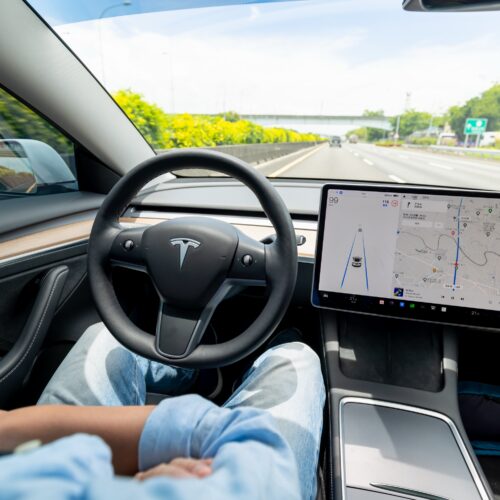
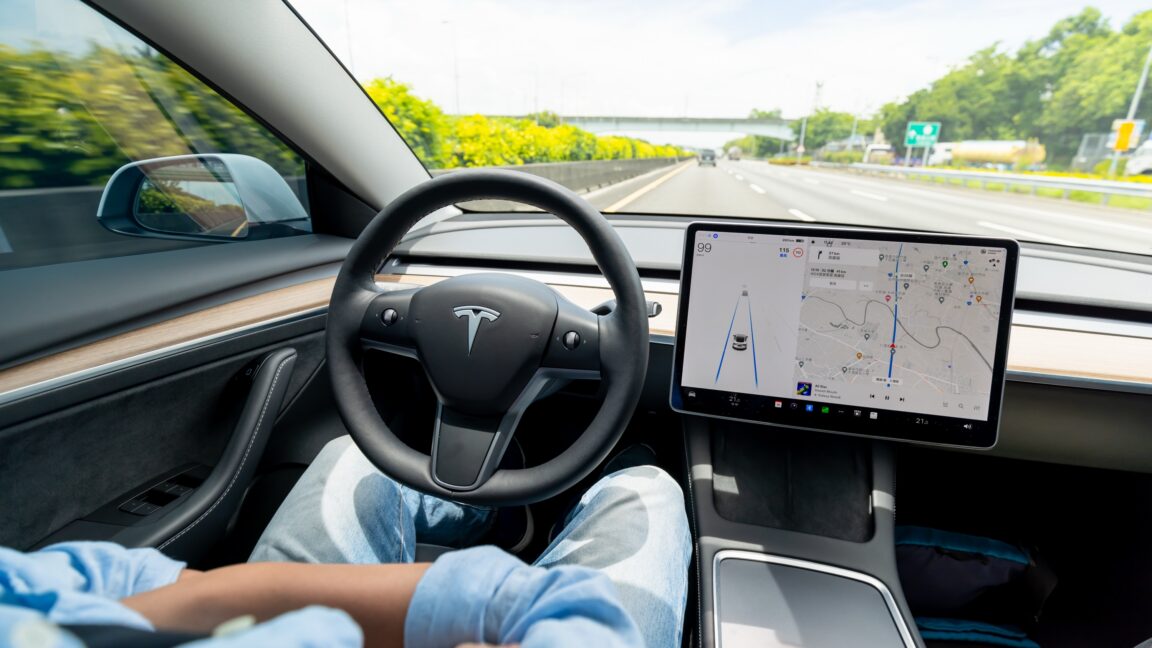
Can good design stop content creators from having sex in robotaxis?

Humans can be a frisky bunch, and it wasn’t very long after Tesla Autopilot started letting drivers go hands-free before people decided to post footage of themselves having sex from the driver’s seat. Recently, The San Francisco Standard interviewed multiple people who claimed to have had sex in robotaxis belonging to General Motors’ now-defunct Cruise. “There’s no one to tell you, 'You can’t do that.' It gets to the point where you’re more and more and more comfortable, and if you’re with someone, like a more serious partner, it can escalate to other activities,” one man told SF Standard.

“The interiors of vehicles has been sexualized and appropriated for sex since forever in popular culture. You can see it in movies, you can see it in lyrics, you can see it in photography,” said Alexandros Rouchitsas, a human factors/UX researcher and one of the organizers of a recent workshop, “Love in Traffic,” that brought researchers from academia and industry together in late September in Sweden to consider how design can help the problem.

A growing problem?

One difference between a robotaxi and a human-driven ride is the removal of the social obligation to interact with a human driver. There’s no need to make small talk, and you won’t have to listen to someone’s terrible opinion, which can lead to riders assuming far more privacy than the cameras and ridership terms and conditions provide. That's a lesson that a pair of teens who hired a Waymo, spent their ride getting drunk, and shot gel beads out the windows learned the hard way this summer.

Read full article

Comments

© Aurich Lawson | Getty Images

  •  

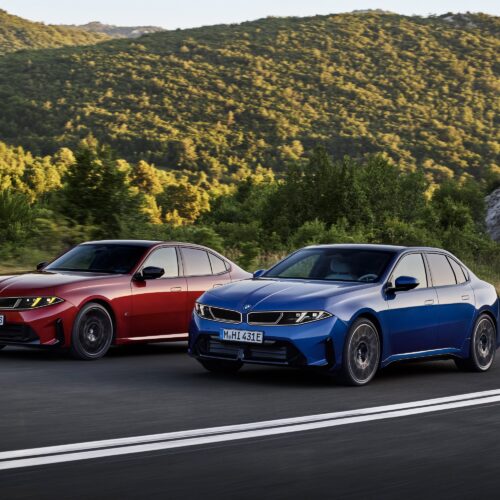
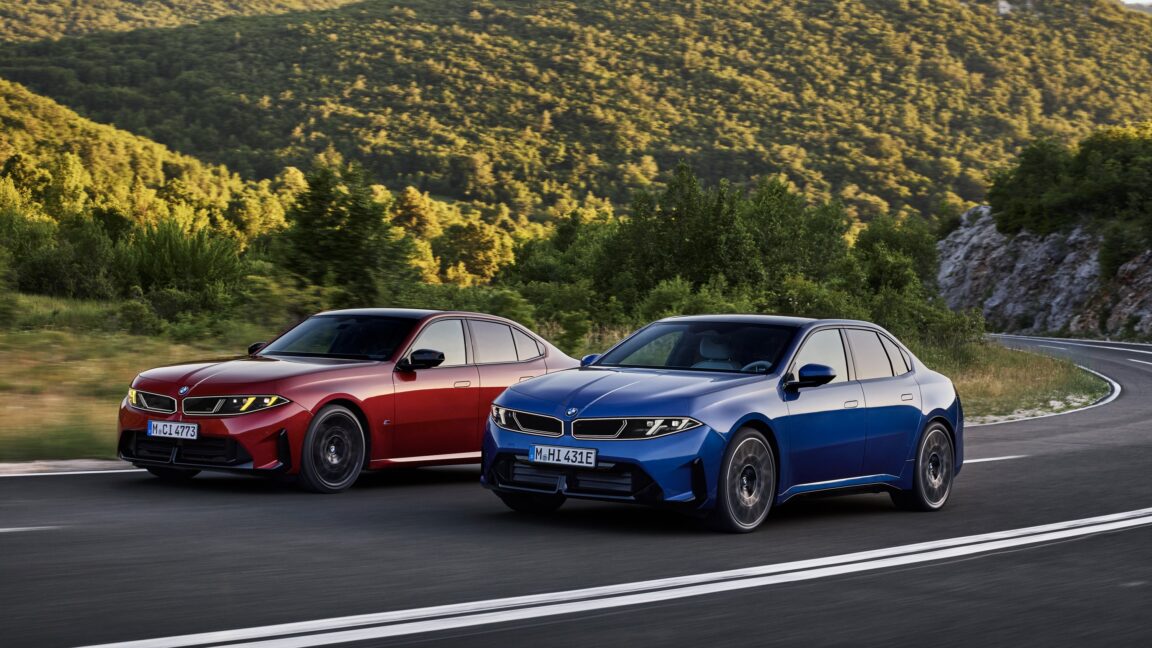
BMW reveals US 3 series pricing: The EV carries a hefty premium

BMW has opened the US order books for its hotly anticipated new 3 Series sedan. Built on an all-new platform called Neue Klasse, it now offers a fully electric version for the first time, using BMW’s advanced sixth-generation electric powertrain we liked so much in the iX3. And for those not quite ready to make the switch from liquid hydrocarbons to pure electron power, there are also a pair of gasoline-powered variants.

At launch, the only electric version will be the 2027 BMW i3 50 xDrive. It’s an all-wheel drive setup, with a combined 463 hp (345 kW) and 467 lb-ft (633 Nm). And while BMW is still putting the finishing touches on the car’s EPA certification ahead of its showroom arrival in Q1 next year, it expects 446 to 468 miles (718-753 km) of range on a single charge. Contributing to that very impressive range is the new cylindrical cell battery pack, which uses a cell-to-body approach that maximizes energy density, along with the aforementioned new sixth-gen motors.

We’re not sure whether BMW is planning any single-motor, rear-wheel drive i3s for the US market, such as the i4 eDrive40 we liked so much. But later next year, we can expect the i3 M60 xDrive, and then the first completely electric BMW M3, which will increase the motor count to four—one for each wheel.

Read full article

Comments

© BMW

  •  
❌