Conservation work by RSPB has led to recovery of terns, gulls, plovers and oystercatchers on England’s south coast
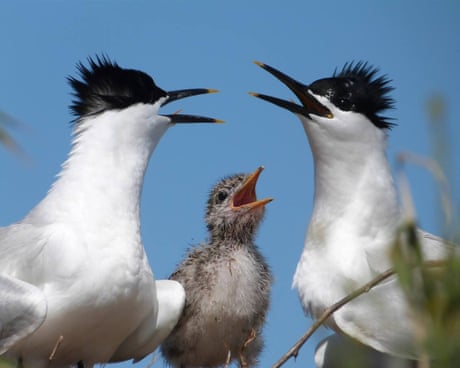
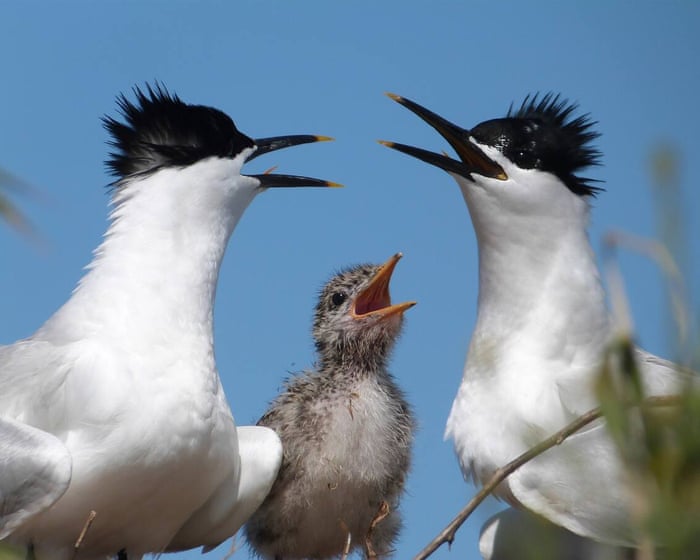
The colony of sandwich terns nesting at Pagham harbour, West Sussex, was completely wiped out by bird flu in 2022. But numbers have bounced back from zero to 756 breeding pairs in just three years after conservation work in the Solent.
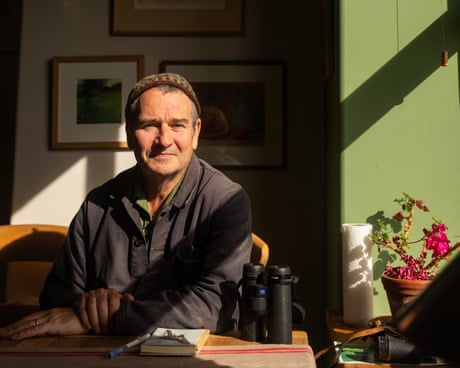
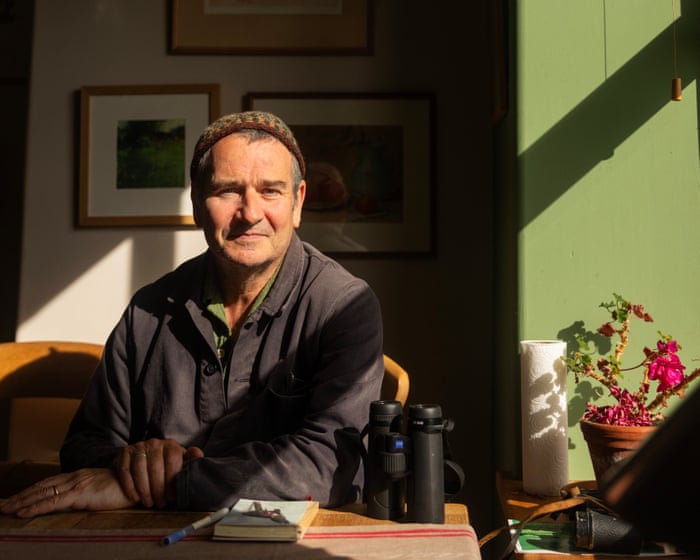
As Mark Cocker approaches a landmark for the world’s oldest column in an English-language newspaper, he is still inspired by powerful encounters with nature
In the autumn of 1987, Mark Cocker sat in a field near Norwich and watched a jay burying acorns for the long winter ahead. He described the scene in his first country diary for the Guardian. Thirty-nine years on, some of those jay-planted acorns will be mature oaks now, and Cocker is completing his 1,000th diary for the world’s oldest column in an English-language newspaper.
In his next diary, he will reflect on the changing birdlife around Flint Clough, in the Peak District, where he first marvelled at rare birds aged 12 after devouring bird books in his bedroom. As a boy, he would find cuckoo, golden plover, ring ouzel and twite, a once-common bird which is now virtually extinct in England.
In 1983, David Nash dug up a section of Kensington Gardens and swapped it with Welsh grassland. Four decades later, Mike Perry’s reverse swap revealed a striking reversal in the fortunes of urban and rural nature
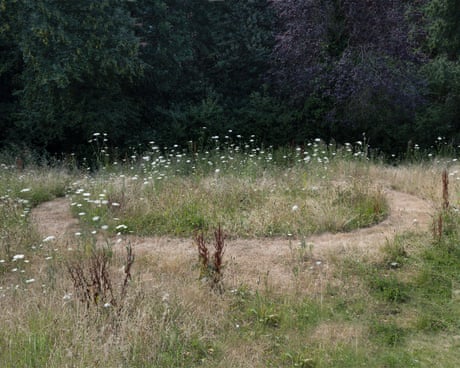
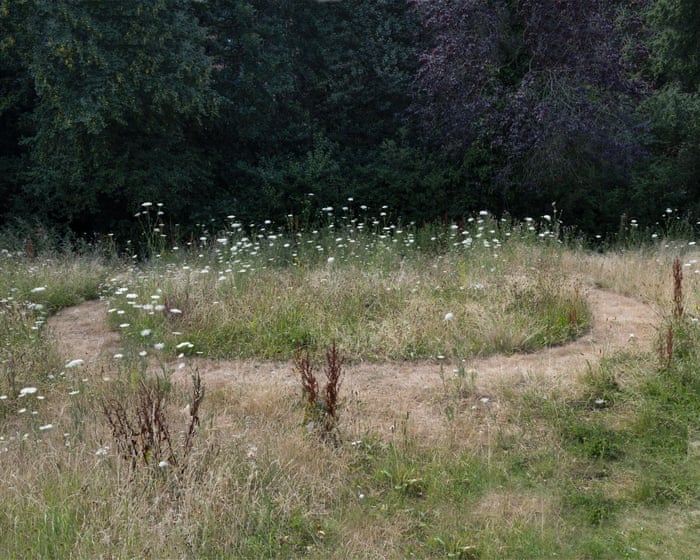
In 1983, an open-topped truck unloaded an unusual cargo in Kensington Gardens: 83 hunks of turf cut from Cae’n y Coed, a wooded hillside in the Ffestiniog valley. The ring of turf measuring eight metres in diameter that was removed from the park beside the Serpentine Gallery in west London to make space for the Welsh sods was then trucked from London to north Wales.
So began Sod Swap, a piece of sculptural defiance by David Nash, which has had an unexpected and epic afterlife. More than 40 years later, photographic artist Mike Perry restaged the work as Reverse Sod Swap, exchanging exactly the same amount of turf between Springfield Park in Hackney, east London, and pastureland in Pembrokeshire, with strikingly different results. With twin works acquiring new relevance in a time of extinction and climate crises, the sod swapping is now the subject of a new book.
Citizen scientists on UK Pollinator Monitoring Scheme recorded insect visits to flowers during 10-minute surveys
Ubiquitous urban plants often derided as “weeds” are the most attractive to pollinating insects.
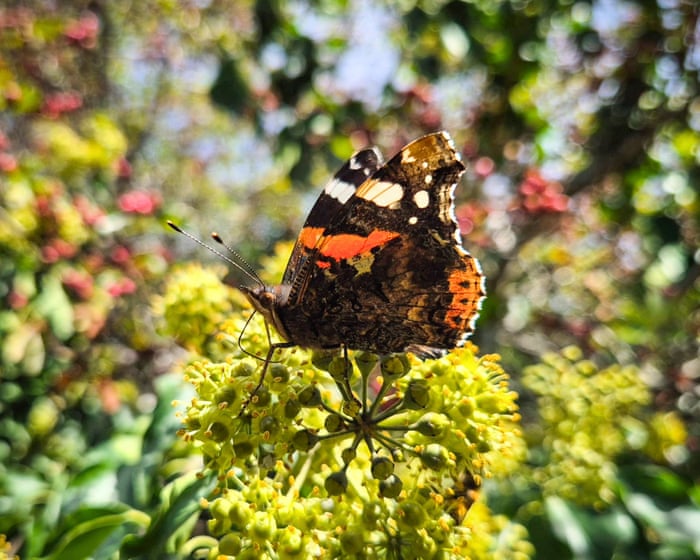
The autumn blooms of common ivy, rich in pollen and nectar, are the most visited by insects including bees and butterflies, according to an eight-year study.
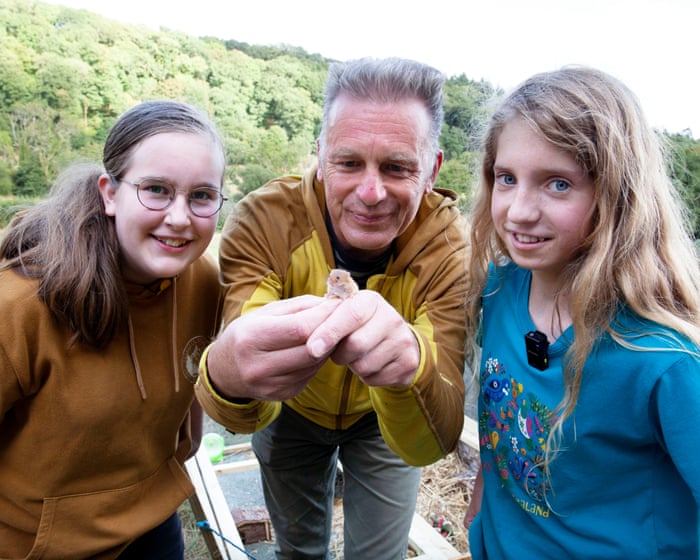
Teenagers Eva Wishart and Emily Smith launch project to breed and release 250 of the tiny animals by September
Children in Devon are being invited to become “citizen captive breeders”, rearing harvest mice at home for release into the wild to help revive endangered nature.
Wild Pets, a new conservation project launched by two 14-year-old friends, is seeking 20 Devon-based children to rear hundreds of mice after the duo’s own successful restoration efforts.

 Login