❌

Reading view

The Night Is Fading Away review – hypnotic homage to cinema as a force for public good

A local cinema becomes a refuge after Javier Milei’s election ushers in an era of far-right conservatism in Argentina

Cinema halls – or dream palaces, as they’re affectionately called – offer a retreat into the realm of make-believe, and everyday drudgery is left at the door. Though set within a single-screen theatre in the Argentinian city of Córdoba, Ramiro Sonzini and Ezequiel Salinas’s hypnotic film invokes a more porous relationship between the screen and its audience. Here, the messiness of life beguilingly sneaks into this domain of fantasies, blurring the borders between public and private spaces.

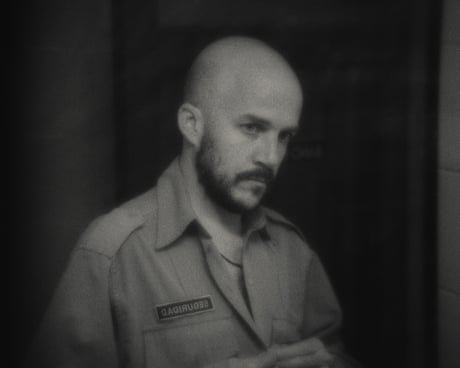
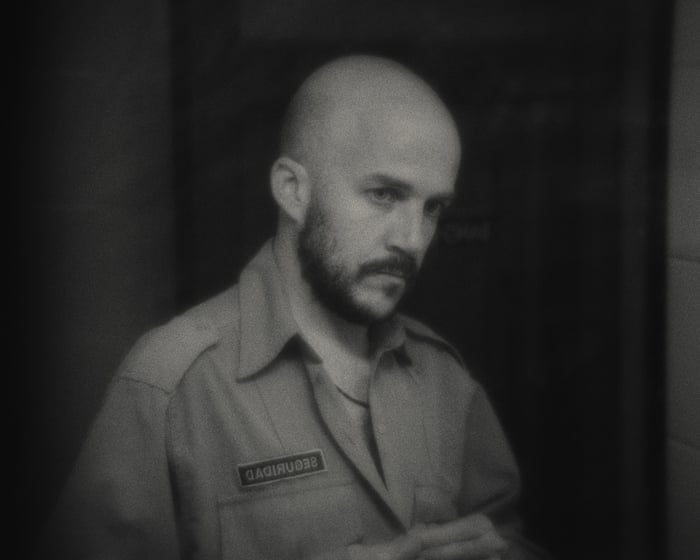
While the luminous black-and-white cinematography lends a dreamy fuzziness to the images, the narrative concerns are grounded in thorny economic realities. A film projectionist at his local cinema called Pelu (Octavio Bertone) is reassigned to the post of a night watchman due to budget cuts at the city hall. The cinema soon becomes his literal refuge: he moves out of his cramped rented flat and secretly takes up occupation at his workplace. He then welcomes a horde of other outsiders, including his unemployed roommate, an ageing drifter and a sex worker who livestreams her erotic shows from the cinema. Every night, they watch classic films from the old masters – Jean Renoir, Yasujiro Ozu and Robert Bresson to name a few – until the early hours.

Continue reading...

© Photograph: PR
© Photograph: PR
© Photograph: PR
  •  

After the Snowmelt review – a fatal disaster in a snowstorm leads to devastating act of remembrance

Yi-Shan Lo returns to Nepal to follow the route of her best friend’s ill-fated hike in a harrowing but cathartic documentary

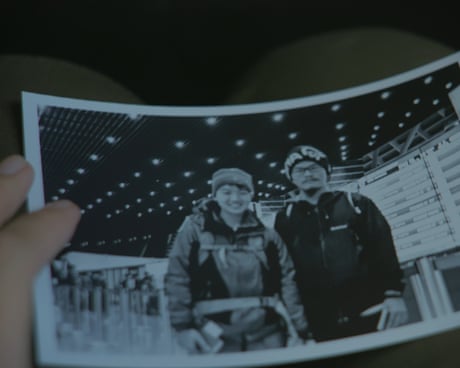
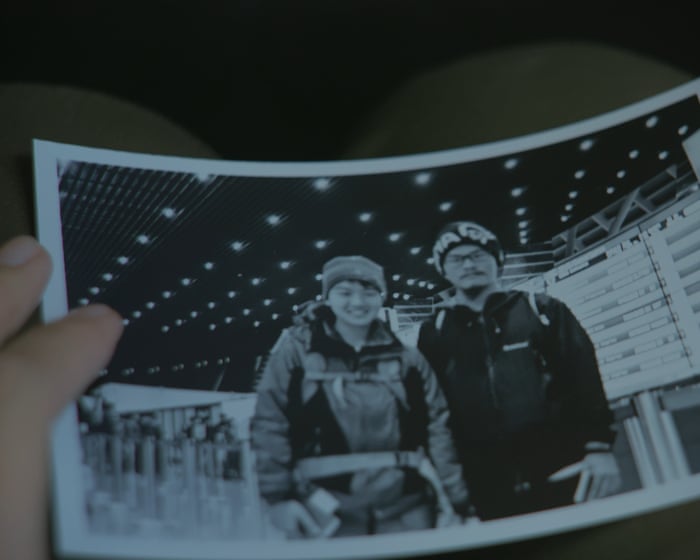
A work of deep personal reckoning, Yi-Shan Lo’s debut documentary feature opens with closeups of the film-maker’s own footsteps as she trudges through a snowbound landscape. Her jagged movement mirrors the rugged trajectory of the film itself, which grapples with a harrowing tragedy. In 2017, Lo was about to join her best friends Chun and Yueh on their hiking trip across Nepal when she came down with a sudden illness; she decided to stay behind while the other two carried on. Disaster struck: the pair went missing during a heavy snowstorm and were not found for more than 40 days. Yueh survived, but Chun died from lack of food coupled with hypothermia.

Struggling to make sense of these events, Lo painstakingly retraces the days leading up to and during her friends’ disappearance. She pores over old text messages, Chun’s diaries and footage captured by the Nepali rescue team. These materials shed some light on the ordeal, as well as the pair’s backgrounds. Diving into her personal archive, Lo recalls her burgeoning friendship with Chun at their Catholic girls’ school, where the latter defiantly resisted the institution’s rigid dress codes. Considering Chun’s efforts to express his non-conforming identity and his use of male pronouns, it is even more devastating that he was repeatedly misgendered in death by various news reports.

Continue reading...

© Photograph: courtesy of True Story

© Photograph: courtesy of True Story

© Photograph: courtesy of True Story

  •  

A Fidai Film review – Palestinian collage film transforms suppressed footage into works of art

Using archive material of destroyed houses, terrorised children and dead bodies, Kamal Aljafari adds humanity to the reels by overlaying poems by Palestinian authors

In Arabic, “fidai” means someone willing to sacrifice themselves for the greater good. Borrowing this word, which is at times used in a military context, for his collage film, Palestinian film-maker Kamal Aljafari stages a potent uprising of images against the tide of propaganda and historical erasure. Much of the film draws on archive materials once housed in the Palestine Research Centre in Beirut. In 1982, during the Lebanese civil war, Israeli forces raided the centre and seized the archive. Most of these documents on Palestinian history – books, newspapers, audiovisual artefacts – are believed to still be in the hands of the Israeli army.

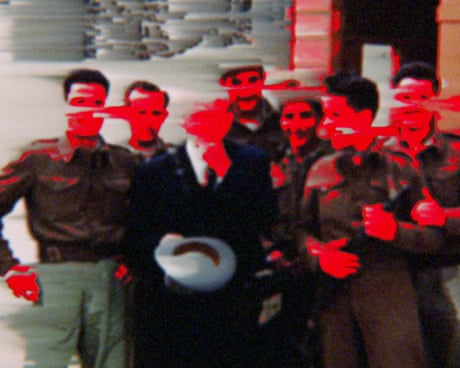
Obtained through clandestine means, the footage that resurfaces in Aljafari’s film bears the physical traces of political suppression. The images are scratched, grainy and pixelated, yet through the power of montage they evoke startling visual parallels that point to the relentless violence endured by Palestinians through the decades. Black-and-white film taken during the British mandate show soldiers patrolling the streets and inflicting violence upon the Indigenous population; similar acts then committed by Israeli forces. In place of a chronological order, the editing builds a sense of continuity through recurring images. Time and time again, we see torn-down houses, terrorised children and the bodies of Palestinians murdered by occupation forces.

Continue reading...

© Photograph: Courtesy of True Story

© Photograph: Courtesy of True Story

© Photograph: Courtesy of True Story

  •  
❌