Login

Check the waistband – and beware sneaky jargon: the expert guide to buying clothes that last
Should you look for French seams or overlocking? Is dry-clean only a red flag? And how do you spot quality when shopping online? We asked the pros
• How to make your leather last a lifetime
Take a look at the outfit you’re wearing now: how many times have you worn each item? And how long have you had them? Just over 10 years ago, Eco-Age founder Livia Firth and journalist Lucy Siegle launched the 30 wears challenge to encourage people to buy clothes they would wear at least 30 times.
The 30 wears challenge is a great concept. As a journalist interested in sustainable fashion, I’ve enjoyed applying this rule for years and found the goal can often be surpassed, but with one proviso: clothing must be chosen carefully. The goal is only realistic if garments are of good enough quality to stand up to repeated wear. So, how do you know if your clothes really are well made? Does it mean you have to spend a fortune on them? Do you need to know the difference between a French seam and an overlock seam? And how can we judge clothing quality before buying if we are, like 37% of Britons, getting most of our clothes online? I spoke to experts to find out.
Continue reading...
© Photograph: Punyupa/Getty Images
© Photograph: Punyupa/Getty Images
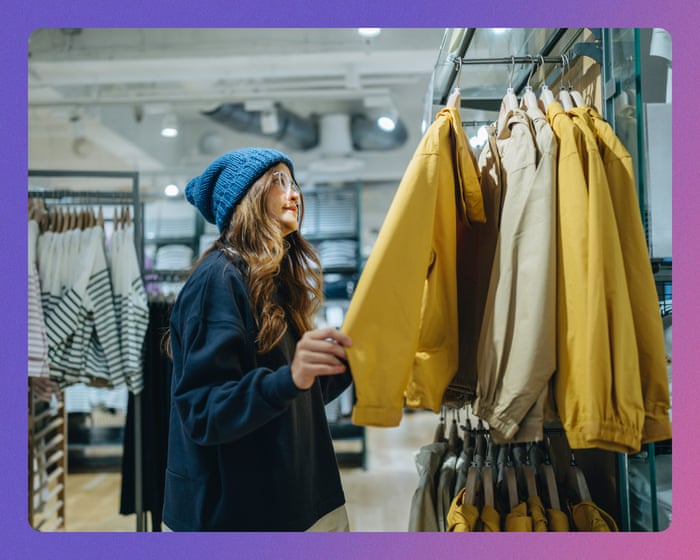
© Photograph: Punyupa/Getty Images