❌

Reading view

Wikipedia often gets taken for granted – but its history is fascinating, and its future is fragile

Wikipedia’s 68m articles have been consulted trillions of times. Not bad for a website that has barely changed since it was founded 20 years ago

A few years ago, I was struck by the tension between how Wikipedia was used, and how it was talked about. Everyone was on it all the time, and yet its reputation had stalled at “don’t trust it”, because it was the “free encyclopedia that anyone can edit”.

Clearly people were trusting it, so much so it had become part of the fabric of everyday life since it was founded by Jimmy Wales and Larry Sanger in 2001. But despite the fact it now has been consulted trillions of times by billions of people (English Wikipedia alone is 5.2bn words long), it inspires an odd lack of curiosity. Even people donating to Wikipedia might say the money was “for the factcheckers”, though there aren’t any – not paid ones, anyway. Meanwhile, the internet in the social media era had begun to feel like a much uglier place, and some digital nostalgia was setting in: here was this holdover that had somehow survived; a website that functions – and even looks – much the same as it did 20 years ago.

Continue reading...

© Photograph: Boris Roessler/EPA
© Photograph: Boris Roessler/EPA
© Photograph: Boris Roessler/EPA
  •  

What are self-replicating ‘AI worms’, and why is Anthropic worried about them?

The tech company says successful AI worms need more capability on less powerful devices, but current trends make that feasible by the end of the year

Warnings about what artificial intelligence might do in the future – together with alarming reports of what it has gotten up to already – are being issued so quickly that even security experts have difficulty triaging what to worry about.

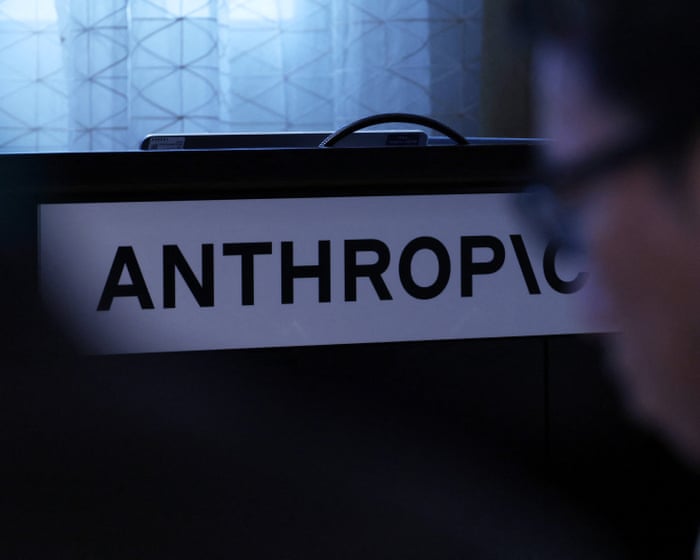
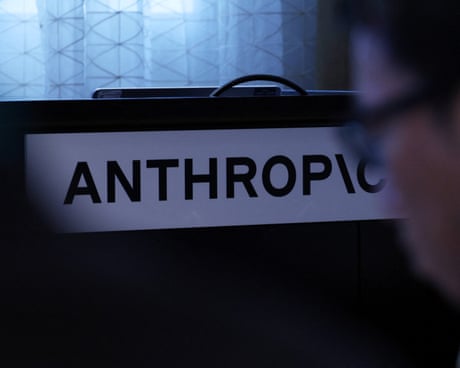
Yet a report this week from Anthropic’s offensive research team grabbed attention by describing a new, practical threat, one devoid of human characteristics or apocalyptic musings. The red team, as such internal testers are called, said it created a malicious AI program that spread autonomously through internet-connected “smart” televisions and could do the same inside other ordinary devices. While machines running AI usually need a fair amount of computing power, the researchers said that their program split parts of itself among 15 televisions and was still able to function by using a bit of power from each.

Continue reading...

© Photograph: Kim Kyung-Hoon/Reuters

© Photograph: Kim Kyung-Hoon/Reuters

© Photograph: Kim Kyung-Hoon/Reuters

  •  

Microsoft pulls out of AI datacentre project in Essex over power supply concerns

Development by UK firm Nscale heralded by ministers as largest of its kind in country loses anchor tenant

The development of a huge AI datacentre hailed by the UK government has received a fresh setback after Microsoft pulled out of the project over concerns about power supplies.

The development by the British company Nscale, heralded by ministers as the country’s largest AI datacentre when it was announced in 2025, was planned to open at Loughton in Essex next year.

Continue reading...

© Photograph: Nscale

© Photograph: Nscale

© Photograph: Nscale

  •  

World leaders must wise up to threat of cyber-attacks or rogue fridges will be least of their worries | Heather Stewart

Global cooperation seems unlikely despite AI increasing the risk of digital fraud and the need to protect the financial system

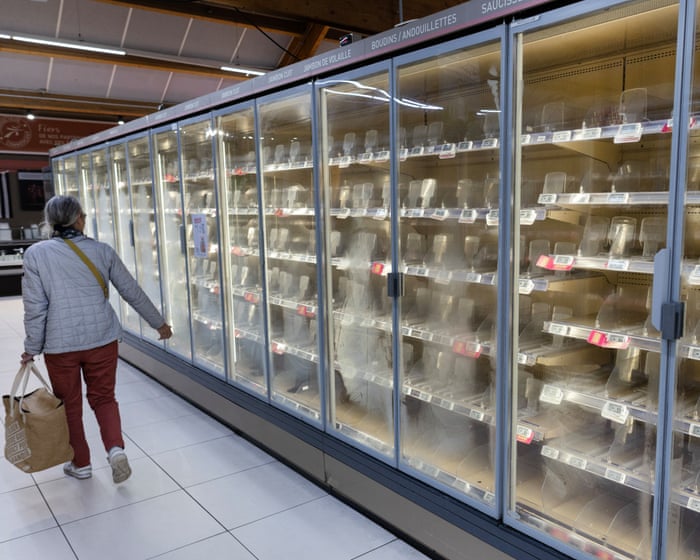
Rogue French fridges were an unlikely talking point for the world’s leading economists, central bankers and finance chiefs meeting in a sultry Bangkok last week – helping to underline the spiralling cost of cyber-attacks.

Kristalina Georgieva, the managing director of the International Monetary Fund, seized on news that supermarket chains across France had to chuck out piles of spoiled food after hackers accessed their fridge controls and turned up the temperature to 50C.

Continue reading...

© Photograph: Fred Tanneau/AFP/Getty Images

© Photograph: Fred Tanneau/AFP/Getty Images

© Photograph: Fred Tanneau/AFP/Getty Images

  •  

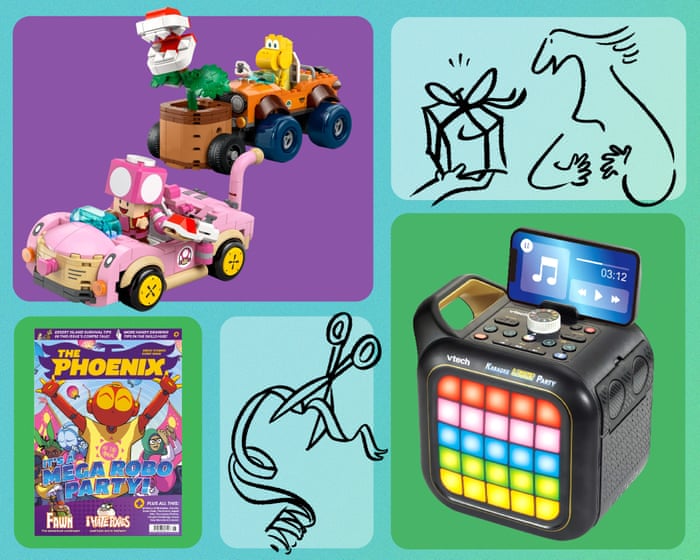
The best toys and gifts for eight-year-olds, tested by eight-year-olds

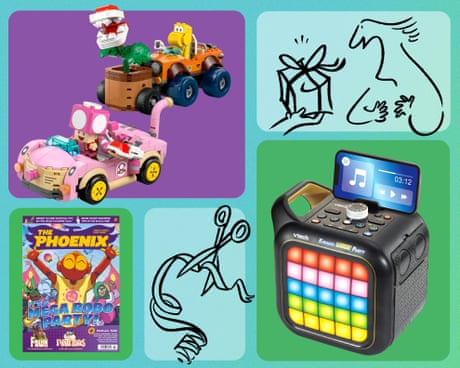
From science kits to karaoke machines, shower sets to brain-boosting games, here are the presents our mini testers loved the most

• The best gifts for seven-year-olds

Eight is such a wonderful age. Kids are old enough to have their own interests and hobbies, but still young enough to get swept up in play and be absorbed for hours if you find the right toy for them.

By eight, children’s interests and skills are taking shape. They’re more confident readers, more strategic thinkers and curious about how things work. And while they think they’re extremely grown up, eight-year-olds still need plenty of time to play for their overall wellbeing.

Continue reading...

© Composite: PR Image

© Composite: PR Image

© Composite: PR Image

  •  

World Bank says ‘small AI’ could transform developing countries

Bank’s chief knowledge officer says the tech could speed up economic development from centuries to decades

The World Bank is urging developing countries to kickstart the creation of “small AI” models, which can run on a mobile phone with low connectivity, to reap the full benefits of artificial intelligence.

While Silicon Valley big tech firms are focused on ever more sophisticated consumer products, Paschal Donohoe, the World Bank’s chief knowledge officer, said AI could also accelerate development for emerging economies – but only if it was adapted to local needs.

Continue reading...

© Photograph: ZUMA Press, Inc./Alamy

© Photograph: ZUMA Press, Inc./Alamy

© Photograph: ZUMA Press, Inc./Alamy

  •  

‘I felt disgusted’: MEP speaks out over nude deepfakes and urges EU action

Lena Schilling of Austrian Greens says images are ‘digital violence against women’ and a threat to democracy

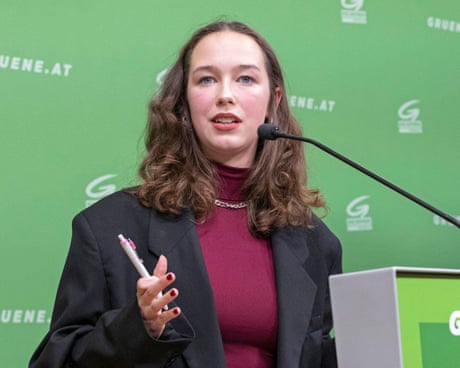
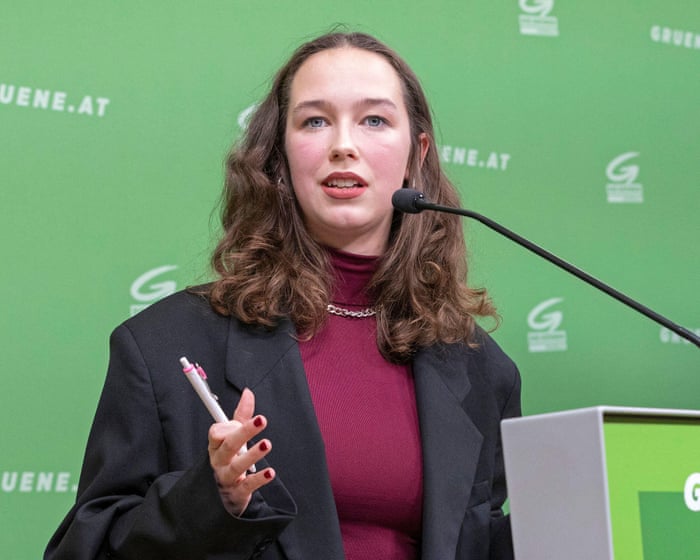
An Austrian MEP has spoken out about her experience of being “stripped naked” online without her consent and has urged the EU to take action, as a report found that one in six female MEPs had been targeted by sexualised AI-generated content.

Lena Schilling of the Green party said she had learned last month about nude deepfakes of herself circulating online. When she opened the links, she found herself staring at images from one of her first ever press conferences – but the images had been digitally altered to remove her clothing.

Continue reading...

© Photograph: APA-Images/Alamy

© Photograph: APA-Images/Alamy

© Photograph: APA-Images/Alamy

  •  
❌